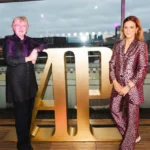





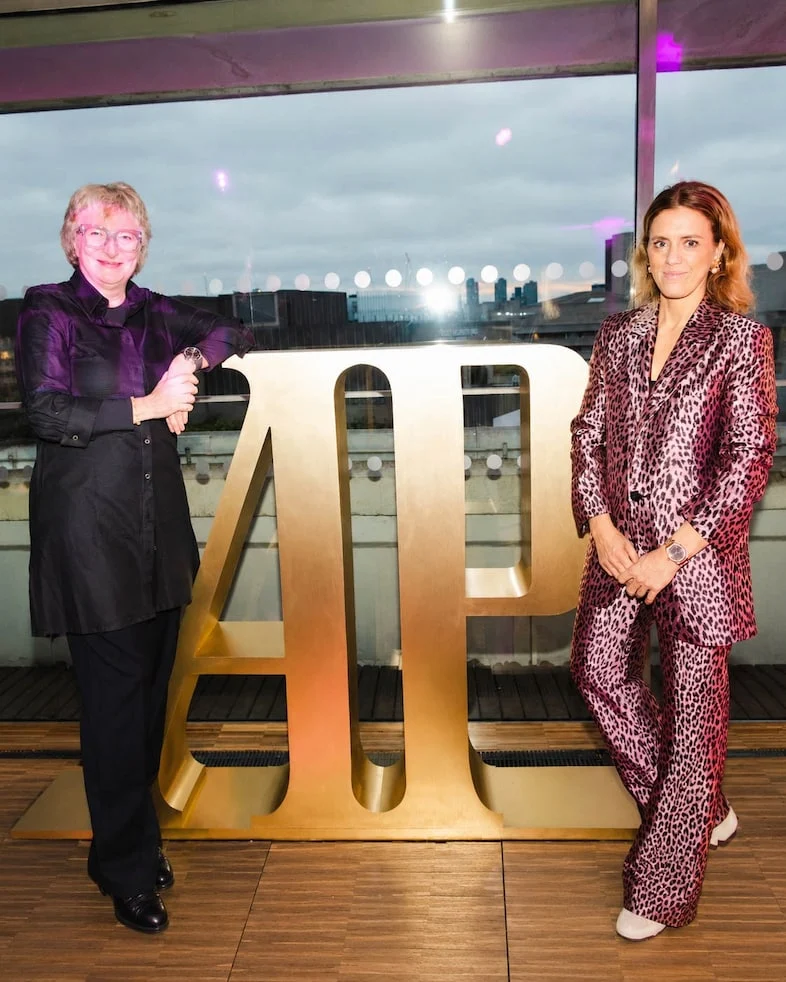
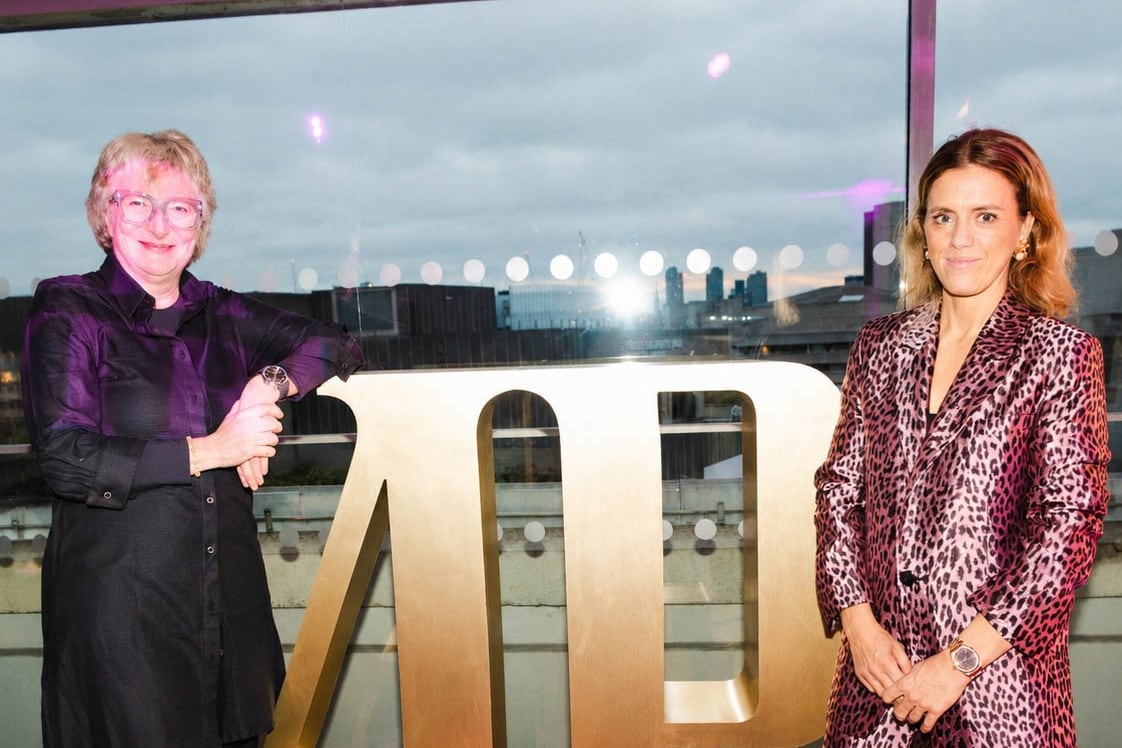
The contemporary art world descended upon the British capital last week in a high-octane convergence of global collectors, curators, and cultural enthusiasts, perfectly timed to coincide with the annual Frieze art fair. Against this bustling backdrop of international exhibitions and high-stakes gallery openings, Dazed Club and Audemars Piguet Contemporary co-hosted an exclusive, invitation-only evening at the Southbank Centre’s St Paul’s Roof Pavilion. The event served a dual purpose: celebrating the vibrant cultural energy of London’s peak art season while marking a monumental career milestone for Swiss artist Renée Levi, whose large-scale public art commission officially opened to the public at the neighboring Hayward Gallery.
By bridging the gap between luxury horology, cutting-edge contemporary art, and independent youth culture publishing, the collaboration underscored a growing industry trend where traditional luxury houses invest heavily in monumental public works. The evening brought together a carefully curated guest list of art critics, cultural producers, and members of the Dazed Club community, offering them an intimate platform for intellectual discourse, networking, and direct engagement with the forces shaping the modern artistic landscape.
A Brutalist Canvas: Taking Art Beyond the White Cube
At the heart of the celebration was Renée Levi’s ambitious new commission, titled September. Breaking away from the sterile, inward-looking conventions of the traditional gallery white cube, Levi’s latest work engages in a profound dialogue with the brutalist architecture of the Hayward Gallery, a landmark of London’s South Bank built in the brutalist style and opened in 1968.
For this site-specific intervention, Levi engineered a striking two-part painting installation that effectively repurposes the building’s heavy concrete exterior as an active component of the artwork. Stretched across the western façade, the installation cleverly incorporates the gallery’s elongated horizontal architectural lines, transforming a previously static structural feature into a dynamic visual journey. The construction itself marries industrial materials with high-impact aesthetics; crafted from industrial mesh and saturated in luminous fluorescent acrylics, the work injects a startling burst of chromatic energy into the austere, weathered concrete surfaces. Furthermore, the incorporation of silver spray-painted details ensures that the installation is never static. As daylight shifts and evening shadows lengthen across the Thames, the reflective elements alter the perception of the piece, offering a continuously evolving visual experience depending on the viewer’s physical vantage point.
The Chronology Of A Cultural Partnership
The genesis of September and the accompanying celebration at the St Paul’s Roof Pavilion represents months of careful institutional planning and cross-disciplinary partnership. Audemars Piguet Contemporary, known for commissioning works that challenge artists to explore new territories in scale and medium, has a long-standing history of supporting ambitious projects that might otherwise be financially or logistically unfeasible for traditional institutions.
The timeline of the collaboration solidified in the months leading up to Frieze week, aligning with the Hayward Gallery’s autumn exhibition schedule. The lead-up saw intensive architectural assessments to ensure Levi’s industrial mesh installation could safely withstand the structural demands of the Hayward’s brutalist façade while respecting the integrity of the Grade-I and Grade-II protected cultural zone. On the evening of the event, the schedule transitioned smoothly from a dusk-lit reception into a rigorous critical dialogue. Guests gathered on the upper pavilion as the sun set over the London skyline—with the red carpet fanfare of the concurrently running London Film Festival unfolding directly below—before settling in for the night’s keynote conversation.
In-Depth Discourse: Art, Architecture, and Accessibility

A central pillar of the evening was a moderated panel discussion featuring Renée Levi and Audrey Teichmann, curator at Audemars Piguet Contemporary, with the conversation expertly guided by cultural producer Lewis Dalton Gilbert. The dialogue offered attendees a rare, behind-the-scenes look at the conceptual rigor driving Levi’s multidisciplinary practice, dissecting the complex intersection between painting, architectural space, and public accessibility.
Teichmann, who has closely tracked Levi’s artistic evolution over several years, emphasized the importance of granting established contemporary artists the institutional freedom to scale up their practices for public consumption. The conversation directly addressed the democratization of art, exploring how placing monumental works on the exterior of civic buildings strips away the intimidation factor often associated with enclosed gallery spaces. By exposing a broader, non-traditional audience to contemporary art—from daily commuters crossing Waterloo Bridge to film festival attendees—the project actively challenges traditional notions of who owns and interacts with public space.
Moreover, the panel tackled the logistical and conceptual hurdles of producing temporary public commissions. Unlike museum acquisitions destined for climate-controlled vaults, outdoor site-specific works exist in a state of constant exposure to the elements and the public eye, forcing artists to consider durability, community interaction, and temporal ephemerality as core components of their artistic statement.
Broader Industry Implications And Economic Impact
The timing of the Audemars Piguet and Dazed Club event highlights the growing strategic importance of Frieze Week as a primary economic and cultural driver for London. According to industry metrics, the annual convergence of international art fairs injects hundreds of millions of pounds into the UK economy, benefiting hospitality, tourism, and the broader creative sectors.

However, beyond the immediate commercial activity of the art market, activations like September reflect a broader structural shift in how luxury brands engage with cultural patronage. Corporate investment in public art has increasingly moved away from passive sponsorship toward active, co-produced commissions that prioritize community engagement and intellectual discourse over mere brand visibility. By partnering with a culturally influential platform like Dazed Club, brands can authentically connect with younger, digitally native demographics who demand cultural authenticity and substantive engagement with social and artistic issues.
As the evening concluded with networking over bespoke canapés and drinks, the consensus among attendees was clear: the success of Levi’s commission and the vibrant turnout at the St Paul’s Roof Pavilion demonstrated the enduring resilience and vital cultural pulse of London’s art scene. In an era dominated by digital algorithms and screen-based consumption, physical, large-scale public art interventions—supported by cross-sector collaborations—offer a vital antidote, reminding audiences of the transformative power of shared space, architecture, and contemporary critique.