








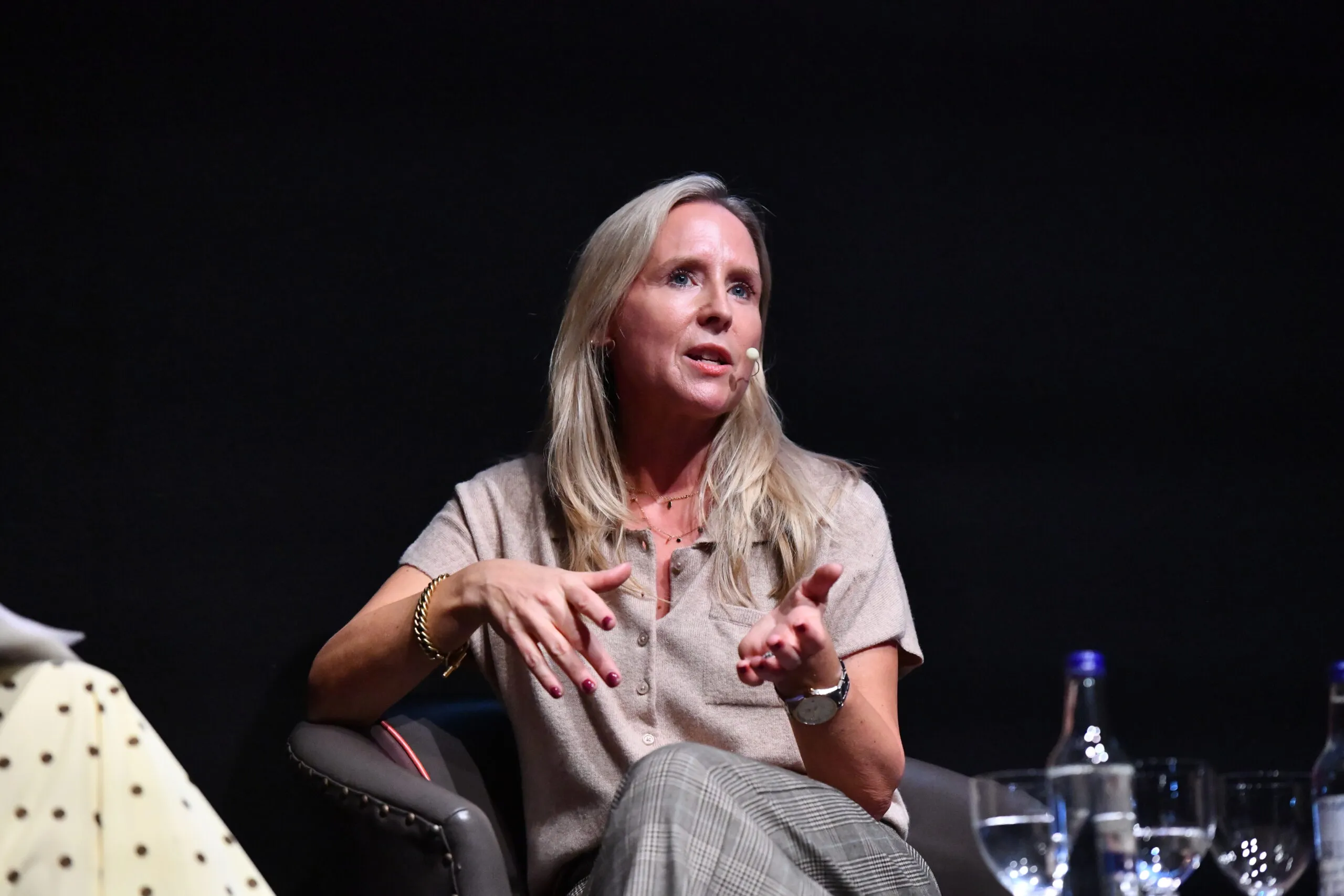
The British womenswear brand Nobody’s Child is embarking on a strategic transformation that aims to reposition the label from a dress-centric online retailer to a comprehensive, year-round fashion powerhouse with a robust physical footprint. Speaking at the Drapers Inner Circle Summit, CEO Jody Plows confirmed that the company is targeting a total of 15 brick-and-mortar stores by the conclusion of 2027. This expansion marks a pivotal chapter for the brand, which has spent the last several years refining its operational infrastructure to support both domestic growth and a calculated entry into international markets.
The Drapers Inner Circle Summit serves as a high-level forum for industry leaders to discuss the shifting landscape of retail. In the current economic climate, where many mid-market brands are consolidating their physical estates, the strategy adopted by Nobody’s Child reflects a confident approach to omnichannel integration. By leveraging physical stores as both points of sale and experiential hubs, the company seeks to build brand equity in a way that pure-play e-commerce models often struggle to replicate.
From Niche to Necessity: A Strategic Evolution
Nobody’s Child has undergone a significant metamorphosis in its product architecture. Historically identified by its strong focus on feminine dresses, the brand has successfully diversified its inventory. Three years ago, dresses accounted for 70% of the company’s total product mix. Today, that figure has been reduced to less than 50%. This intentional shift toward a more balanced, multi-category assortment—spanning knitwear, trousers, and outerwear—allows the brand to maintain consumer interest across all four seasons, effectively mitigating the seasonal volatility that often plagues specialized fashion retailers.
Plows attributes this transition to a relentless focus on product development and deepening relationships with the supply chain. The brand’s ability to scale this diversity while maintaining an accessible price point has been the result of a "trial and error" philosophy. "We have trialed and tested. We’ve made mistakes along the way. We’ve listened to our customers, spent a lot of time traveling, and meeting suppliers," Plows noted during her presentation.
The Roadmap for UK Retail Expansion
The physical expansion of Nobody’s Child is being executed with a disciplined, "measured approach." The company recently celebrated the opening of its 11th retail location in Bath, a strategic choice given the city’s high footfall and affluent demographic. Plans are already in motion to launch another location before the end of the calendar year, with further expansion slated for early 2027.
Perhaps the most significant development in the company’s real estate portfolio is the consideration of a new flagship store in the north of England. This facility is being designed to serve as a benchmark for the brand’s sustainability initiatives, with ambitions for it to be the company’s most eco-conscious site to date.
The importance of the physical store as a marketing tool is underscored by internal data. The brand has observed a 20% surge in web traffic directly correlated with its physical presence in specific regions. For example, a six-week tracking period following the opening of the Cambridge store demonstrated that the physical outlet acted as a powerful customer acquisition channel for the online platform. Despite this, Plows remains cautious about the pace of growth. She personally conducts site visits for every prospective location to ensure that the demographic and footfall metrics align with the brand’s identity, acknowledging that while some past choices have proven challenging, the overall store footprint remains a vital component of the company’s long-term health.
Sustainability as a Competitive Advantage
Central to the brand’s identity is its commitment to ethical production. As a B Corp certified company, Nobody’s Child has integrated transparency into its core operations. Currently, 97% of the brand’s material mix consists of low-impact fabrics. Furthermore, the company has embraced the use of digital product passports, which provide consumers with full traceability regarding the origin and environmental impact of every garment.
Maintaining these high standards while keeping prices affordable is a significant logistical challenge. The company has navigated this by building long-term, collaborative relationships with its manufacturers. By working closely with factories to optimize production efficiency and reduce waste, the firm has managed to prove that sustainability is not necessarily a luxury cost burden. According to Plows, the ability to balance ethics with affordability was a foundational passion shared by her and founder Andrew Xeni from the brand’s inception.
Operational Infrastructure and Logistics
Growth of this scale requires more than just new storefronts; it demands a resilient operational backbone. Recognizing this, the leadership team has spent the last 12 months modernizing its internal systems. This included the implementation of a new Enterprise Resource Planning (ERP) system and the transition to a new third-party logistics (3PL) provider. These upgrades were essential to streamline the supply chain, improve inventory accuracy, and prepare the company for the complexities of international trade.
Looking Toward International Horizons
While the UK remains the primary market for immediate development, the international landscape represents the next frontier. As of 2026, the brand has established a foothold in the United States through strategic wholesale partnerships. Currently, the collection is available in 35 Nordstrom stores, in addition to being stocked at Dillard’s, Bloomingdale’s, and Anthropologie.
Notably, the brand has achieved this presence in the US market without the traditional spend on digital marketing. By utilizing the existing customer base of major department stores, Nobody’s Child has effectively built awareness organically. The strategy for 2027 is to build upon these relationships, using the success of its wholesale distribution as a springboard for further global expansion.
Analysis: Implications for the Retail Sector
The trajectory of Nobody’s Child provides a compelling case study for modern retail management. In an era where many brands are forced to choose between the cost-efficiency of online-only models and the high overhead of physical retail, Nobody’s Child is attempting to synthesize both.
The move away from a "dress-only" identity reflects a broader trend in the fashion industry: the need for agility. By diversifying into a year-round wardrobe provider, the brand reduces its reliance on specific trends, thereby protecting its margins. Furthermore, the decision to invest in a robust operational layer (ERP and 3PL) before pushing for international scale suggests a management team that is prioritizing long-term stability over short-term revenue spikes.
For the wider retail market, the success of this strategy may signal a shift in how mid-market brands view physical space. Rather than viewing stores as obsolete, brands are increasingly using them as "billboards" that drive high-intent, omnichannel customers to their digital platforms. If Nobody’s Child succeeds in reaching its 15-store goal while maintaining its B Corp standards and price-point competitiveness, it will serve as a blueprint for other labels looking to achieve sustainable, scalable growth in a post-digital-first landscape.
The upcoming 24 months will be critical. With the infrastructure now in place, the focus for Plows and her team will shift toward execution. If the brand can continue to balance its commitment to sustainability with the demands of an expanding international customer base, it is well-positioned to evolve from a rising British star into a recognized global player in the affordable-luxury fashion segment. As the company moves toward the 2027 milestone, industry analysts will be watching closely to see if this measured, data-driven approach yields the desired results in the competitive international fashion market.