






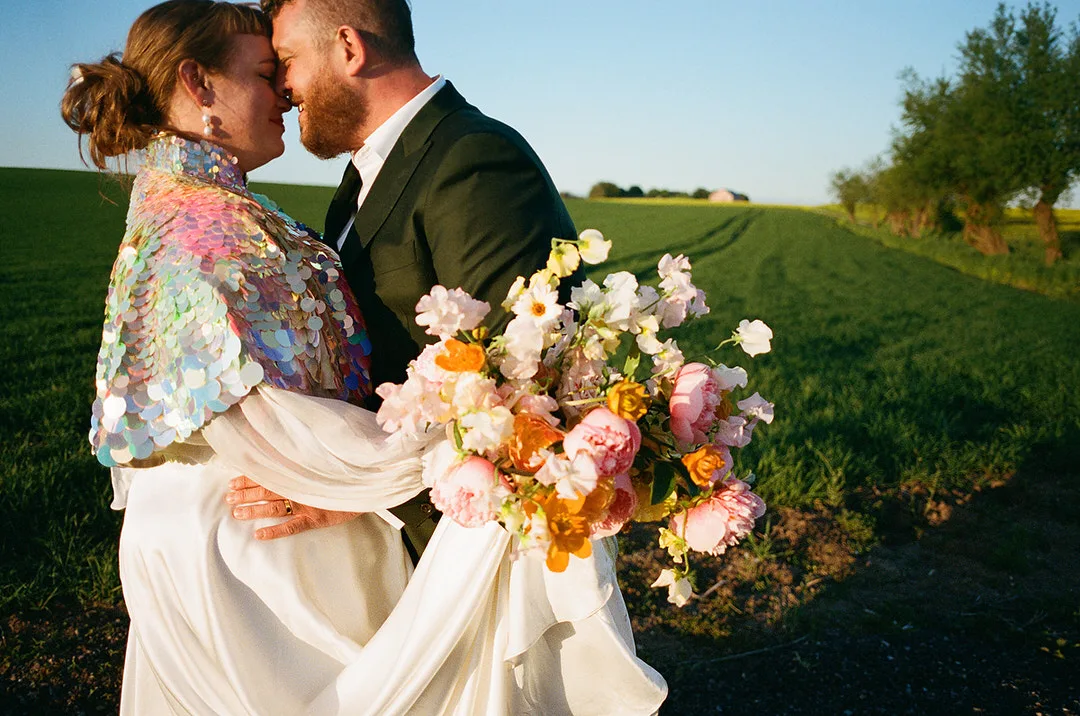
The evolution of modern wedding styling has reached a new zenith with the recent editorial showcase at Brockwell Hall, a landmark Georgian venue in London. Conceptualized by the floral design firm Flossea and captured through the lens of photographer Lisa Jane, the project serves as a definitive case study in the intersection of historic architecture, maximalist floral art, and contemporary bridal fashion. By reinterpreting the childhood nostalgia of summer gardens, the collaborators have set a new benchmark for intimate, high-concept wedding celebrations, emphasizing how tactile, design-led elements can transform a space into a surrealist, sensory experience.
Architectural Context and Venue Selection
Brockwell Hall, situated in the heart of Brockwell Park, provides a storied backdrop for this creative endeavor. The Grade II listed building, constructed in the early 19th century, offers a neutral, light-filled aesthetic characterized by Georgian proportions and soft stone textures. The selection of this venue was intentional; its architectural restraint allowed for the introduction of what the design team described as "hyper-creative" floral installations.
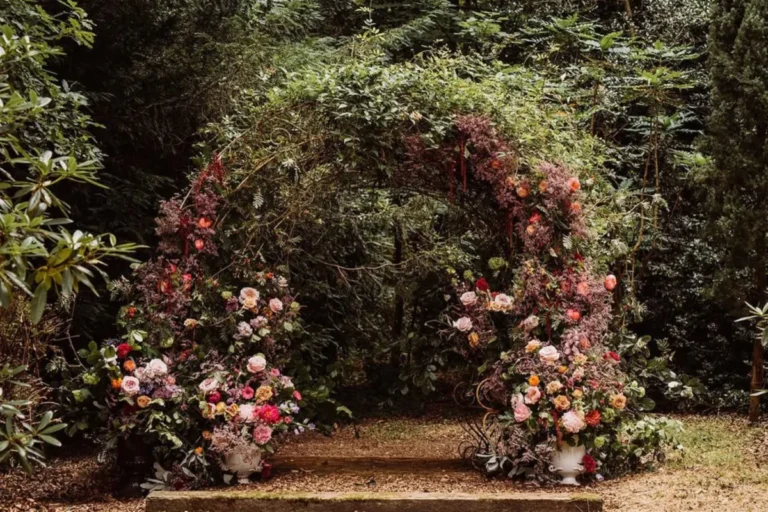
Historically, wedding floral trends have gravitated toward subtle, monochromatic arrangements. However, the current shift toward "maximalist" design—as evidenced by this editorial—represents a departure from traditional minimalism. By utilizing terracotta urns as foundations for sprawling, sculptural floral displays, the installation challenged the structural formality of the hall. The integration of pastel palettes—ranging from soft lilacs to muted pinks—served to bridge the gap between the building’s rigid geometry and the organic, unconstrained nature of the flowers.
A Chronology of the Conceptual Process
The development of this editorial followed a deliberate, multi-stage creative process. According to the design team, the project began with a psychological exploration of space.
- Phase I: Conceptualization (Early 2026): The design firm Flossea initiated the project by analyzing the scale of natural elements, specifically drawing on the memories of a child navigating an overgrown summer garden. This phase focused on creating a "soft surrealism," where the scale of floral arrangements was intentionally exaggerated to invoke a sense of wonder.
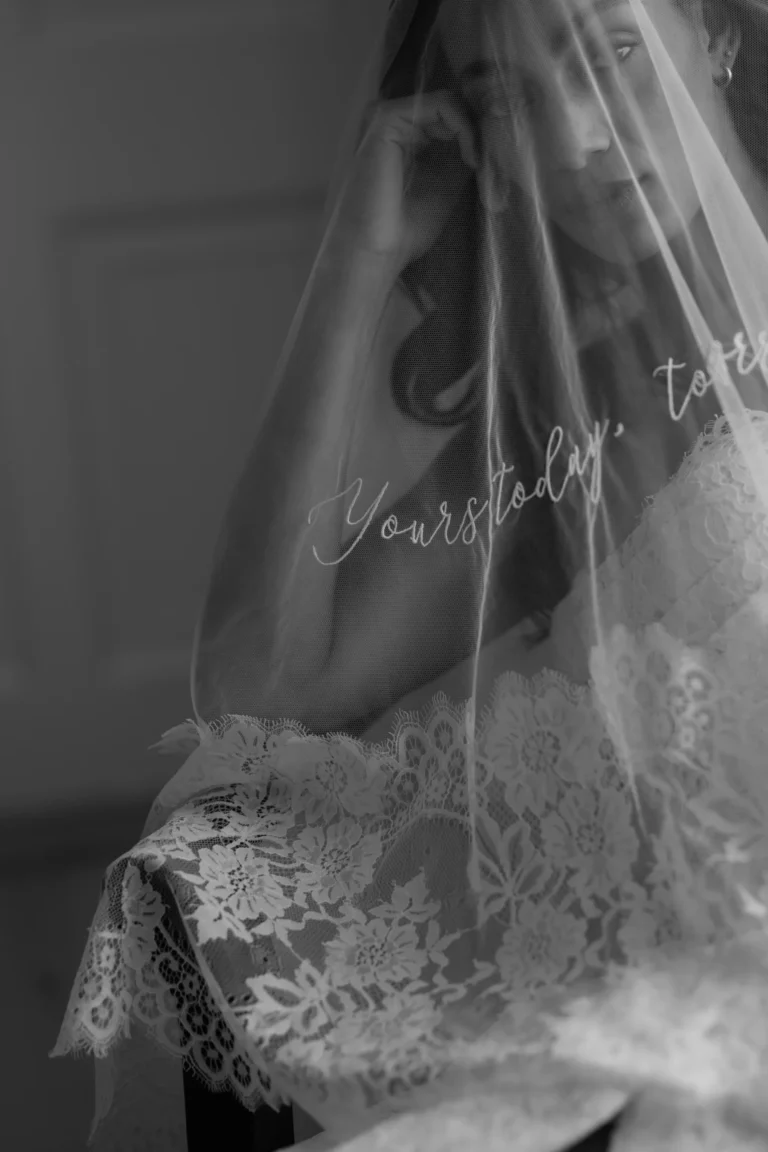
- Phase II: Material Sourcing and Styling (Spring 2026): The sourcing phase focused on textures that complemented the floral choices. The selection of Velvet Johnstone for the bridal wardrobe was pivotal, as the designer’s use of high-neck, structured ivory gowns provided a sharp contrast to the overflowing, cascading nature of the bouquets.
- Phase III: Execution and Photography (Summer 2026): The final installation took place on-site at Brockwell Hall. Lisa Jane Photography utilized a hybrid approach, employing both digital and medium-format film, including Polaroid, to capture the ephemeral light and the specific movement of fabric and petals.
Supporting Data and Design Trends
The rise of the "intimate wedding" remains a significant trend in the post-pandemic events industry. Industry reports indicate that while the total number of weddings has stabilized, the expenditure per guest has seen an increase, with couples prioritizing "experience-heavy" design. This editorial aligns with this market shift, demonstrating that high-impact visual design does not necessarily require a large guest count.
The use of linens as a design element is another notable feature of this project. By opting for "rippling, stacked pools" of fabric at the dining table, the stylists treated textile as a structural material rather than a mere surface covering. This technique, often seen in high-fashion editorial photography, effectively lowers the visual plane, drawing the eye toward the centerpieces and creating a sense of intimacy within the larger hall.
Professional Perspectives on Editorial Styling
In the competitive wedding photography sector, the ability to translate conceptual design into tangible imagery is paramount. Lisa Jane, the photographer behind the project, emphasizes the role of movement and atmosphere in her work. Her professional approach—which prioritizes an unobtrusive, documentary-style capture—ensures that the artifice of the shoot does not overshadow the emotional resonance of the scene.
"The editorial was created to explore a contemporary version of an intimate summer wedding," states the design team. "We wanted to ensure guests would feel truly spoilt and in awe of the setting." By utilizing natural light alongside the historical depth of the hall, the photography captures a sense of "lived-in" luxury. The choice to include 35mm and medium-format film imagery provides a grain and color depth that digital-only formats often lack, further emphasizing the "surreal" quality the team aimed to achieve.
The Impact of Maximalism on Future Wedding Design
The implications of this editorial for the broader wedding industry are significant. As couples move away from generic, template-driven wedding styles, there is a clear demand for "curated maximalism." This style requires a higher degree of professional collaboration between the florist, the venue stylist, and the photographer.
The successful integration of oversized fabric bows, cascading table linens, and massive floral sculptures suggests that "more is more" is a viable, sophisticated direction for modern weddings. Furthermore, the use of unconventional spaces—like the concrete walls showcased in the editorial—highlights a growing trend in utilizing industrial or contrasting textures to frame bridal couture.
Critical Analysis of Design Elements
The project succeeds by maintaining a balance between the opulent and the delicate. The "soft surrealism" is achieved through:
- Scale: The intentional use of oversized bouquets that appear to defy gravity.
- Texture: The juxtaposition of smooth stone surfaces against the soft, matte finishes of lilies, roses, and hydrangea.
- Color Theory: The adherence to a strict pastel palette prevents the maximalist approach from becoming chaotic, ensuring the visual impact remains cohesive.
From a logistics standpoint, the editorial serves as a blueprint for luxury micro-weddings. It proves that by investing in high-quality, sculptural design elements, a small venue space can feel grand. The reliance on natural floral installations, rather than synthetic props, reflects a broader sustainability trend, as these materials are biodegradable and sourced to reflect the specific seasonality of the summer period.
Conclusion: A New Standard for Editorial Inspiration
The collaboration at Brockwell Hall stands as a testament to the power of imaginative styling. By grounding a surreal, whimsical concept in the reality of a historic London venue, the team has provided a sophisticated template for future couples. The project serves not only as a promotional portfolio for the vendors involved but as a vital contribution to the ongoing dialogue surrounding what constitutes a "modern" wedding. As the industry continues to evolve, the success of this editorial suggests that the future of wedding design lies in the ability to marry historical reverence with contemporary, bold artistic choices, ultimately creating an environment that feels both deeply intimate and undeniably extraordinary.