








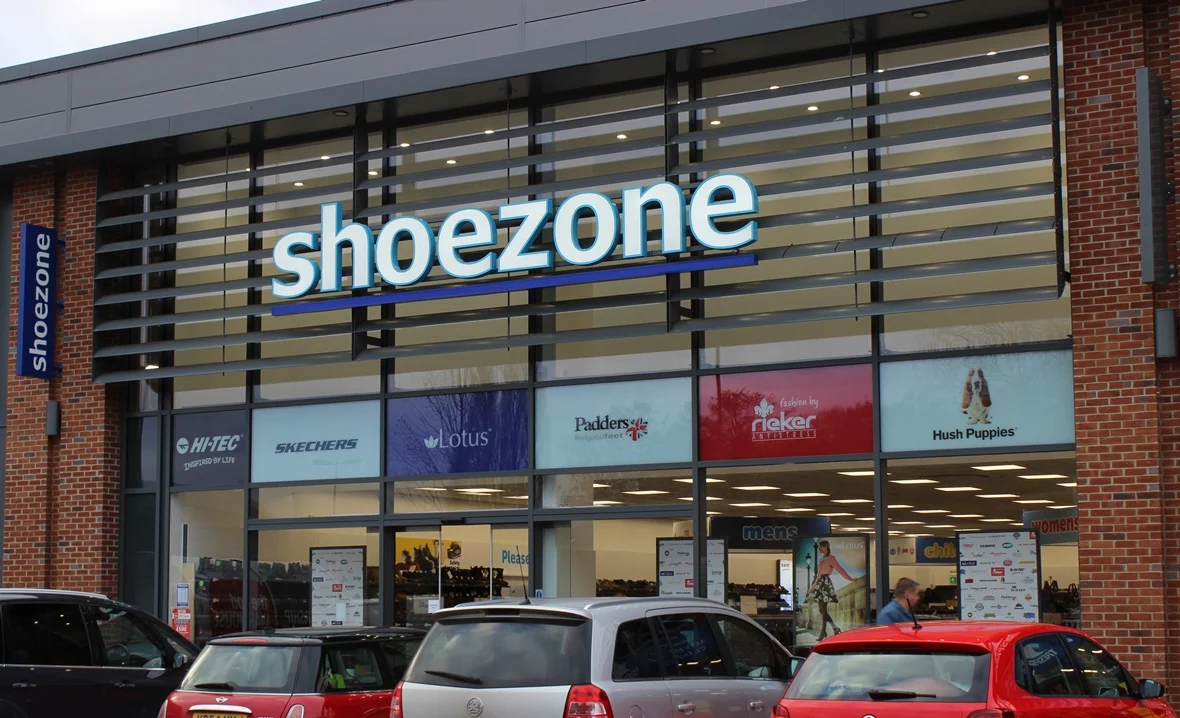
British footwear retailer Shoe Zone has announced a significant uplift in trading performance for May and June, reporting sales "ahead of market expectations" in a trading update issued today, 16 July. This positive development signals a notable turnaround from earlier pessimistic forecasts, with the company now anticipating a reduced adjusted loss before tax for the year ending 3 October. The improved outlook is attributed to a combination of strategic promotional activity and beneficial seasonal weather patterns.
The company’s latest statement confirmed that its cash position has also seen a material improvement as a direct consequence of the robust sales achieved over the past two months. This financial strengthening has enabled Shoe Zone to narrow its guidance for the adjusted loss before tax to no more than £1 million, a considerable improvement from its previous projection of a loss between £1 million and £2 million, which was shared in its last results on 22 April. This revision offers a glimmer of optimism for a high street retailer that had been grappling with a challenging economic landscape.
A Shifting Retail Landscape and Shoe Zone’s Position
Shoe Zone operates a distinctive model within the competitive UK footwear market, primarily focusing on value-driven offerings across a wide demographic. With a substantial physical store presence, predominantly on high streets and in retail parks, the company caters to budget-conscious consumers seeking affordable options for everyday wear, school shoes, and seasonal footwear. Its business strategy often involves high volume sales at lower price points, making it particularly sensitive to shifts in consumer disposable income and confidence.
The broader UK retail sector has navigated a tumultuous period marked by persistent inflation, rising interest rates, and a general squeeze on household budgets. High street retailers, in particular, have faced the dual challenge of evolving consumer shopping habits, with a significant shift towards online channels, and the ongoing operational costs associated with maintaining a large physical footprint. For a company like Shoe Zone, which relies heavily on footfall and impulse purchases, these macroeconomic pressures can profoundly impact performance. The initial profit warning issued in April underscored these prevailing difficulties, painting a picture of a sector under strain.
Chronology of Recent Financial Performance and Macroeconomic Headwinds
The current positive update comes after a period of considerable concern for Shoe Zone and its investors. On 22 April, the company had issued a stark profit warning, forecasting a swing to a full-year loss. This announcement marked a significant departure from its historical profitability and was largely attributed to what the company described as "weakening consumer confidence."
The first quarter of the current calendar year (January to March) had presented "challenging trading conditions" for the business. This period was characterized by a confluence of factors that depressed consumer spending across the UK. Shoe Zone specifically highlighted the impact of the Labour government’s previous two Budgets, which, according to the company, had contributed to a continued weakening of consumer confidence. While the specific mechanisms through which government budgets directly affect footwear sales can be complex, general fiscal policies often influence disposable income, taxation levels, and overall economic sentiment, all of which trickle down to consumer purchasing decisions for non-essential items like new shoes.
Furthermore, the company cited the ongoing conflict in the Middle East as taking a toll on market sentiment. Geopolitical instability often creates an atmosphere of uncertainty, leading consumers to become more cautious with their spending, prioritizing essential goods and services over discretionary purchases. This phenomenon, known as the "precautionary saving motive," can significantly impact retail sectors that rely on discretionary income. The cumulative effect of these domestic and international pressures created a challenging backdrop for Shoe Zone’s operations during the early part of the year.
Drivers of the May and June Rebound
The recent positive performance in May and June, therefore, represents a noteworthy reversal of fortune. Shoe Zone attributed this improvement to two primary factors: a "warehouse closing down sale" and favorable "seasonal half term weather."
The "warehouse closing down sale" likely served as a powerful incentive for consumers. Promotional events, particularly those framed as clearance or closing sales, often generate significant short-term sales spikes by offering attractive discounts. For a value retailer like Shoe Zone, such promotions resonate strongly with its core customer base, who are highly sensitive to price. While these sales can boost revenue, they often come at the expense of profit margins, as goods are sold at reduced prices. However, in a period of inventory accumulation or slower sales, such a strategy can be crucial for clearing stock, improving cash flow, and making space for new collections. The fact that this sale contributed to an improved cash position suggests it was effective in converting inventory into liquid assets.
The role of "seasonal half term weather" also cannot be overstated for a footwear retailer. The UK’s typically unpredictable weather patterns mean that periods of sustained good weather, especially around school holidays, can significantly boost sales of seasonal footwear such as sandals, lighter trainers, and children’s summer shoes. The half-term holiday period in late May and early June is a key trading window for families, and pleasant weather encourages outdoor activities, often prompting parents to purchase new shoes for their children or themselves. Conversely, poor weather can dampen footfall and reduce demand for seasonal items, as was perhaps the case during the challenging first quarter. This highlights the inherent seasonality and weather dependency of certain retail segments, particularly in fashion and footwear.
Broader Retail Context and Supporting Data
To fully appreciate Shoe Zone’s update, it’s important to consider the broader context of UK retail trends during May and June. While specific real-time aggregate data for these months might still be emerging, general indicators and anecdotal evidence from other retailers can offer insights.
The period following the Easter holidays often sees a shift in consumer spending, with an emphasis on summer-related goods. However, persistent inflationary pressures, although showing signs of easing, continued to impact purchasing power. According to data from the Office for National Statistics (ONS), retail sales volumes in the UK have generally been subdued throughout much of the year, with consumers remaining cautious. The latest GfK Consumer Confidence Index, a key barometer of household sentiment, has shown some stabilization or marginal improvements in recent months, but overall confidence levels remain historically low compared to pre-pandemic averages. This suggests that while Shoe Zone experienced a positive period, it was against a backdrop of generally restrained consumer spending. Its success, therefore, might be attributed more to specific strategic actions (the sale) and fortuitous conditions (weather) rather than a widespread surge in consumer confidence across the entire retail sector.
The online retail penetration also continues to be a critical factor. While Shoe Zone has an online presence, its business model is still heavily reliant on its physical store network. The ability to drive footfall to brick-and-mortar locations, even through targeted sales, remains vital. The performance during May and June might indicate that despite the digital shift, compelling in-store offers can still draw customers, especially for value-oriented products where customers may prefer to try on items.
Financial Implications and Market Reaction
The revised guidance to an adjusted loss before tax of no more than £1 million represents a meaningful financial improvement. For investors, this signals better-than-expected operational efficiency or stronger revenue generation than previously feared. An improved cash position is equally crucial for any retail business. Strong cash flow provides liquidity for day-to-day operations, enables investment in inventory, allows for dividend payments (when profitable), and provides a buffer against unforeseen challenges. In an environment where many retailers are struggling with debt and liquidity, Shoe Zone’s enhanced cash standing is a positive indicator of its financial resilience.
Market analysts, who had likely adjusted their expectations downward following the April profit warning, will now be re-evaluating their models. This positive deviation from earlier warnings could signal a greater degree of adaptability within Shoe Zone’s management to respond to challenging trading conditions, or it might simply reflect the short-term effectiveness of its promotional strategies. Shares of Shoe Zone would typically react positively to such an announcement, as investors factor in the reduced risk and improved financial trajectory.
A spokesperson for Shoe Zone, or comments from its CEO, would likely emphasize the company’s agility in responding to market dynamics and its commitment to delivering value to customers. They would probably express satisfaction with the team’s efforts in executing the warehouse sale and leveraging the seasonal opportunities. While the full extent of the profit impact from the sale would be detailed in the upcoming full financial results, the immediate benefit to the bottom line and cash flow is undeniable.
Broader Impact and Future Outlook
While the May and June performance is encouraging, the sustainability of this positive trend remains a key question for Shoe Zone and the broader retail sector. The reliance on a "closing down sale" suggests a one-off inventory clearance event, which by its nature is not indefinitely repeatable. Future performance will depend on the company’s ability to maintain sales momentum through other strategies, manage inventory effectively, and navigate the persistent macroeconomic headwinds.
The challenges cited in the first quarter – "weakening consumer confidence" linked to government budgets and geopolitical events – have not fundamentally disappeared. Inflation, while cooling, remains elevated, and real wage growth continues to be a concern for many households. The competitive landscape for footwear, both online and offline, is intense. Shoe Zone will need to continue refining its value proposition, optimizing its store portfolio, and potentially enhancing its digital capabilities to ensure long-term growth.
This latest update provides a valuable insight into the dynamic nature of retail in the current economic climate. It underscores that even in challenging times, specific strategic interventions, coupled with opportune external factors like weather, can yield significant short-term improvements. For investors and industry observers, Shoe Zone’s revised outlook offers a cautiously optimistic signal, suggesting that while the path ahead for high street retail remains arduous, strategic execution and adaptability can still carve out pockets of success. The focus will now shift to whether Shoe Zone can build upon this momentum in the latter half of the year, particularly as the crucial back-to-school and Christmas trading periods approach, without relying solely on deep promotional activity.