

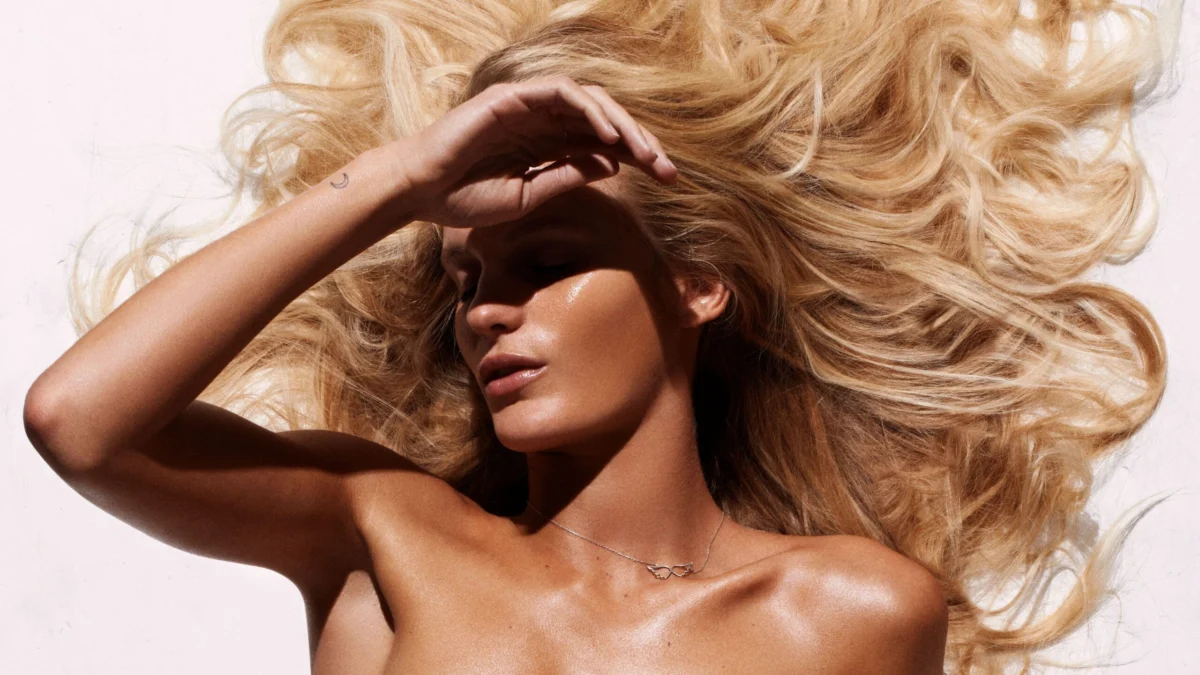
A quick digital expedition into the current beauty landscape reveals a fascinating resurgence of a product many associate with childhood experiments and a bygone era: Sun-In. Searches for "Is Sun-In back in style?" yield results spanning months, years, and even decades, underscoring its persistent presence in popular culture. Fashion publications championed its use throughout the 2010s, while many mothers likely recall its ubiquity in the 1980s. For a significant segment of the millennial generation, Sun-In represented an accessible, albeit potent, introduction to hair lightening, often serving as a precursor to more aggressive chemical treatments like 40-volume bleach. Today, a new demographic, characterized by an affinity for sun-kissed aesthetics—and perhaps the same cohort driving the return of tanning despite well-documented skin cancer risks—is embracing Sun-In once more. They are applying the spray and basking in the sun, entrusting its efficacy to natural UV activation.
This contemporary revival is not merely anecdotal. Data from the Spate Popularity Index, which aggregates search engine queries, TikTok views, and Instagram posts, indicates a substantial year-over-year increase in interest in Sun-In, with a 32% surge. Projections suggest an additional 19% growth in the next twelve months. The broader category of hair-lightening sprays is experiencing even more significant traction, with a 61% rise in related searches. The overwhelming majority of this conversation is concentrated on Google, a platform often associated with direct consumer intent and purchasing decisions. The most frequently associated search terms revolve around "before-and-after" transformations, indicating a strong consumer desire for tangible proof of the product’s efficacy before committing to its use.
The enduring popularity of Sun-In, particularly in an age where advanced cosmetic technologies and professional treatments can achieve virtually any beauty aspiration, prompts a deeper inquiry: Why does a seemingly rudimentary $4 drugstore hair tonic continue to capture consumer attention, especially when its results are inherently unpredictable?
The Chemistry of Sun-Kissed Strands: Unpacking Sun-In’s Mechanism
Sun-In operates as a spray-on hair lightener, its primary active ingredient being hydrogen peroxide. The process of lightening is initiated and accelerated by heat, whether from direct sunlight or a hairdryer. The product’s effectiveness is significantly contingent upon the user’s natural hair color. For individuals with naturally blonde or light brunette hair, Sun-In typically yields the desired lightening effect. However, for those with darker hair tones, the outcome is often less predictable, frequently resulting in brassy or orange undertones rather than a true blonde hue.
Dr. Izabela Nowak, a cosmetic chemist and head of the applied chemistry department at Adam Mickiewicz University in Poznań, Poland, explains the fundamental science: "Hair lighteners work by oxidizing melanin. Hydrogen peroxide breaks down the melanin in the hair shaft, and heat activates that process." This oxidative reaction is the core mechanism responsible for altering hair color.
The undesirable "orange effect," Dr. Nowak elaborates, arises "when the pigment is not fully oxidized. Time in the sun is critical, and so is your starting color. Dark hair contains more eumelanin, which is harder to lift. Full oxidation is less likely to occur, and the result is often warm, reddish pigments rather than true blonde." Eumelanin, the primary pigment in darker hair, is more resilient to the oxidative effects of hydrogen peroxide compared to pheomelanin, which is more prevalent in lighter hair.
Beyond hydrogen peroxide, Sun-In’s formulation includes natural ingredients. Citrus limon (lemon) juice is present, which Dr. Nowak notes "should help close the hair cuticle after oxidation," while also possessing its own mild lightening properties. Chamomilla recutita (matricaria) flower extract is also included, described as having a "minor lightening effect [on light hair, not dark]; here, it mostly just adds shine." The product further incorporates nourishing botanicals such as aloe, calendula, and linseed, ostensibly to mitigate some of the drying effects of the peroxide.
A point of clarification regarding the "bleach-free" claim often found on the product’s packaging is essential. Dr. Nowak characterizes this as a "half-truth at best." She clarifies, "Hydrogen peroxide is a bleaching agent. While traditional hair dyes usually pair it with alkaline accelerators not present in this formula [those open up the hair shaft, accelerating the dyeing], hydrogen peroxide itself is present. It’s a classic oxidizing agent. This isn’t mentioned at all in the product description." This distinction is critical for consumers to understand the actual chemical action occurring on their hair.
The Evolving Market: From Drugstore Staple to Competitive Landscape
The resurgent interest in hair lightening sprays has inevitably attracted a wave of new products and competitors. While none have yet achieved the cult status of Sun-In, the market is increasingly dynamic. Notable contenders include Sun Bum Blonde Hair Lightener, priced at approximately $17, which utilizes a similar hydrogen peroxide base augmented with pineapple and lemon extracts. Another competitor, Oribe Bright Blonde Sun Lightening Mist, retailing for around $38, distinguishes itself by being explicitly peroxide-free. Its formula relies on a blend of lemon, chamomile, and a complex of fruit oils and botanicals, enhanced with UV protection.
Adam Livermore, a brand educator for Oribe, described the product’s effect upon its 2021 launch: "There’s no bleaching effect, and it’s much less aggressive. Think of it like a brightness booster, like getting an extra shot of espresso in your coffee." This positioning highlights a growing segment of the market focused on gentler, less chemically intensive hair lightening solutions.
The presence of peroxide in products like Sun-In warrants consideration regarding its impact on hair integrity. Research employing transmission electron microscopy has demonstrated that bleaching processes can inflict damage extending beyond the hair’s surface, affecting both the cuticle and the underlying cortex. This damage involves the disruption of disulfide bonds, which are crucial for hair strength and structure, and this structural degradation is often irreversible. While the peroxide exposure from Sun-In is considerably less potent than that delivered by professional salon-strength bleaches, the "effortless" sun-kissed appearance is still a consequence of a chemical reaction. For consumers prioritizing hair health alongside lightening, peroxide-free alternatives or even traditional methods like lemon juice application, while also having their own considerations, might represent more suitable options.
The Ritualistic Appeal: Embracing Imperfection and Disconnection
What truly sets Sun-In apart in the contemporary beauty market is its inherent reliance on external, uncontrollable elements. The product functions optimally outdoors, necessitating physical exposure to sunlight. The ideal application involves lying down, ideally without the constant distraction of digital devices, and crucially, while wearing adequate sun protection. This is not a process that can be rushed, precisely controlled, or delegated to a professional. The very lack of immediate, guaranteed results is, for many, a significant part of its appeal.
The past decade of beauty trends has been heavily characterized by an pursuit of perfection and hyper-control. This has manifested in the widespread adoption of expensive tools like $400 blow dryers, luxury salon services costing hundreds of dollars, and cutting-edge treatments such as vampire facials and advanced dermatological serums. This era of meticulous outcome optimization appears to be reaching a saturation point, fostering a sense of fatigue among consumers.
Paradoxically, the same generation that grew up immersed in this culture of control is now exhibiting a conspicuous turn towards the antithesis. The resurgence of sourdough baking, the re-emergence of flip phones, and the renewed interest in film photography are not mere aesthetic preferences; they represent a broader cultural shift towards analog experiences. This "analog turn" is often interpreted as a response to an "over-optimized, outcome-obsessed world," where the embrace of processes that inherently promise uncertain outcomes feels almost radical.
Navigating the DIY Lightening Process: A Guide to Sun-In Application
For those embarking on the Sun-In journey, a cautious and informed approach is paramount. The first and most critical step is a strand test. This involves applying the product to a small, inconspicuous section of hair to gauge its reaction and predict the final result, which is heavily influenced by the starting hair color. It is crucial to note that Sun-In is not recommended for chemically treated or dyed hair. Dr. Nowak cautions, "Hydrogen peroxide can react with dye from a previous coloring and create a new pigment within the hair shaft. You might be surprised and end up with black lowlights instead!" This potential for unpredictable color interactions underscores the importance of a strand test.
Users are advised to begin with a conservative amount of product and gradually build up the lightening effect over multiple sessions rather than attempting drastic changes at once. Heat is a catalyst; therefore, using a hairdryer can expedite the process if outdoor sun exposure is limited. For individuals with dark brown or black hair, caution is strongly advised, especially if they are averse to potential orange or brassy tones. Those with light brunette hair should proceed slowly, ensuring their hair receives ample care and conditioning between applications. The use of purple shampoos, designed to neutralize brassiness, and regular deep conditioning masks can significantly aid in maintaining hair health and managing the lightening process. Anecdotal evidence suggests that the most natural-looking results are often those achieved over an extended period, allowing for gradual lightening and adaptation.
Beyond the Hair: Sun-In as a Symbol of Nostalgia and Agency
The appeal of Sun-In extends beyond its immediate cosmetic effect, resonating on deeper psychological and cultural levels. For economically constrained adolescents whose parents prohibited hair dye, it offered an accessible route to achieving the coveted sun-kissed look. For nostalgic adults on platforms like TikTok, it serves as a conduit to reliving perceived simpler times. Furthermore, in an era where nearly every aspect of life can be hyper-customized and automated—from intricate skincare regimens to AI-driven companionship—the inherent analog uncertainties of Sun-In offer a unique form of agency. The product represents a deliberate choice for a less predictable, more organic outcome.
The contrast is stark: one can opt for a meticulously crafted balayage at a salon, incurring significant financial investment, or choose a $4 bottle of Sun-In from a drugstore. The latter approach involves applying the product liberally (while ensuring comprehensive, reapplication-every-two-hours head-to-toe SPF), lying in the sun, and engaging in social interaction. As summer approaches, the question becomes less about the chemical process and more about the experience—which option offers more enjoyment and a sense of playful liberation? The enduring popularity of Sun-In suggests that for many, the charm lies not solely in the altered hair color, but in the embrace of a simpler, more spontaneous approach to beauty and self-expression.