








Thierry Guibert has been appointed as the new Chief Executive Officer of the iconic French fashion house Lacoste, following the departure of Éric Vallat, according to industry reports emerging on October 7, 2026. This leadership transition marks a significant turning point for the brand, which has spent the last several years aggressively pursuing a strategy of premiumization and global retail expansion. The appointment of Guibert, a seasoned executive with extensive experience in the luxury and lifestyle sectors, signals a continuation of the brand’s efforts to solidify its position as a "premium casual wear" leader in an increasingly competitive global market.
The Leadership Transition
The departure of Éric Vallat comes after a tenure defined by efforts to modernize Lacoste’s digital footprint and refine its supply chain logistics. While the company has not provided a granular breakdown regarding the specific circumstances surrounding the change, industry analysts suggest that the move reflects a desire by the brand’s ownership—the Swiss-based Maus Frères Group—to accelerate the next phase of its "Lacoste 2030" strategic roadmap.
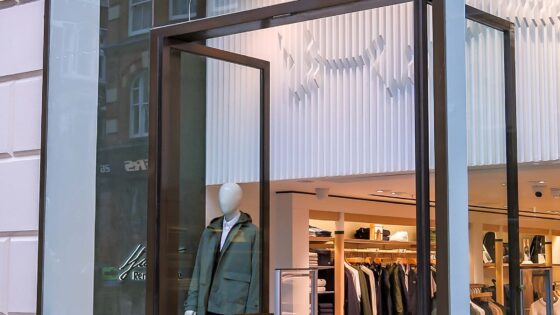
Thierry Guibert enters the role with a reputation for operational rigor. His background suggests that the board is looking for a leader who can balance the brand’s heritage as a tennis-inspired sportswear label with the demands of modern, direct-to-consumer (DTC) digital retailing. Guibert is expected to focus on optimizing the brand’s retail performance across key growth markets, particularly in Asia and North America, where Lacoste has been investing heavily in flagship store experiences, such as the prominent Covent Garden location in London.
Chronology of Lacoste’s Strategic Evolution
To understand the weight of this leadership change, one must look at the trajectory of the brand over the past decade.
- 2017-2018: Under the influence of the Maus Frères Group, Lacoste began a systematic overhaul of its creative direction, focusing on collaborative capsules to appeal to a younger, streetwear-conscious demographic.
- 2020-2022: The brand navigated the global pandemic by prioritizing its e-commerce capabilities. During this period, the company reported a resilient recovery, largely driven by the surge in demand for "athleisure" and comfortable, high-quality casual wear.
- 2024: Lacoste intensified its "premiumization" efforts, raising price points and reducing the frequency of deep-discount sales to protect brand equity. This move was met with mixed reactions but ultimately led to higher average transaction values.
- 2025: The brand reached a milestone in its sustainability program, "Fashion Leap," focusing on reducing carbon emissions and incorporating recycled materials into its signature piqué polo shirts.
- October 2026: The abrupt exit of Éric Vallat and the swift installation of Thierry Guibert conclude a period of internal restructuring aimed at preparing the firm for the 2027 fiscal cycle.
Supporting Data and Market Position
Lacoste operates in a unique space within the fashion industry, straddling the line between mass-market sportswear and accessible luxury. According to recent market intelligence, the global premium apparel market is expected to grow at a CAGR of approximately 5.8% through 2030. Lacoste has historically maintained a strong foothold in this sector by leveraging its recognizable crocodile logo, which remains one of the most protected and high-value trademarks in the textile industry.
Recent financial reports indicate that the brand’s revenue has remained robust despite broader macroeconomic headwinds, including inflation and fluctuating consumer sentiment in Europe. The brand’s revenue in the most recent fiscal year was heavily supported by a 14% growth in digital sales, a testament to the infrastructure upgrades put in place during the previous administration. However, operating margins have faced pressure from rising raw material costs and the logistics expenses associated with global supply chain diversification. The challenge for the incoming CEO will be to maintain this growth trajectory while navigating the complexities of international trade regulations and the ongoing requirement to invest in digital transformation.
Analysis of the "Premiumization" Strategy
The strategy spearheaded by the previous leadership was characterized by a move away from wholesale distribution and a pivot toward "full-price selling." By limiting the presence of Lacoste products in third-party discount outlets and focusing on its own boutiques, the company effectively elevated its brand perception.
However, this shift carries inherent risks. The premiumization model requires a constant flow of innovation and marketing spend to justify higher price points. Industry experts observe that in the current climate, consumers are increasingly discerning, looking for both quality and brand values. Any failure to maintain product quality or creative relevance could lead to a decline in customer loyalty. Thierry Guibert’s mandate will likely involve balancing this elevated positioning with the need for scale. Expanding the brand’s reach without diluting its premium status is the primary hurdle for the 2027–2030 period.
Official Responses and Industry Outlook
While an official press release from the Lacoste headquarters in Paris is expected to follow, preliminary statements from stakeholders suggest a sense of cautious optimism. Representatives from the Maus Frères Group have reportedly expressed confidence in Guibert’s ability to lead the brand through the upcoming economic cycles, citing his track record in team leadership and strategic resource allocation.
Within the fashion industry, the response has been one of attentive interest. Analysts at major financial firms noted that leadership changes in family-owned or private equity-backed luxury houses often signal a shift in investment priorities. If the past serves as any indication, the market can expect a renewed emphasis on "omnichannel" integration—where the physical store experience in cities like Paris, New York, and Tokyo is seamlessly linked to the mobile shopping experience.
Broader Impact and Future Implications
The departure of a CEO in a firm as globally recognized as Lacoste sends ripples through the retail sector. As the industry faces a cooling period in consumer spending, the appointment of a new CEO is often viewed as a move to instill fresh energy and a new perspective on the brand’s core identity.
For the employees, suppliers, and retail partners of Lacoste, the transition represents a period of adjustment. Suppliers will be looking for signs of continuity in the brand’s sustainability commitments, which have become a non-negotiable aspect of modern fashion business models. Meanwhile, retail partners will be watching to see if the new leadership adjusts the current wholesale-to-retail balance or if the current policy of exclusive distribution will continue unabated.
Looking ahead, Lacoste’s success under the new leadership will depend on three critical factors:
- Creative Consistency: Whether the brand can continue to produce collections that resonate with a global audience without losing the classic aesthetic that defined its history.
- Technological Integration: The extent to which the brand can utilize data analytics and AI to predict fashion trends and optimize inventory levels to prevent overstock.
- Regional Agility: The ability to tailor product offerings to suit the cultural nuances of diverse markets while maintaining a cohesive brand identity.
In summary, the transition from Éric Vallat to Thierry Guibert is more than just a change of personnel; it is a strategic recalibration. As the fashion world continues to grapple with the complexities of the digital age and the imperative of sustainability, Lacoste finds itself at a critical junction. The brand has the heritage and the infrastructure to remain a dominant player, but the path forward requires a leader who can synthesize historical legacy with future-proof innovation. As the industry monitors these developments, the focus remains on whether Guibert can translate his operational expertise into sustained growth and market dominance in the years to come. The upcoming quarter’s financial disclosures will likely provide the first tangible signs of the direction in which the brand is heading under this new leadership regime.