









The fast-fashion landscape in the United Kingdom has undergone a significant transformation, with global retail powerhouse Shein officially eclipsing the long-standing British fashion incumbent Asos in annual revenue. According to newly released filings at Companies House for the fiscal year ending 31 December 2025, the UK arm of Shein reported a robust 26% year-on-year sales increase, reaching a total of £2.58bn. This milestone marks a pivotal moment for the Chinese-founded, Singapore-headquartered retailer, which has rapidly expanded its footprint from a niche e-commerce platform to a dominant force in the global apparel market.
In contrast, Asos, which has struggled to navigate a turbulent retail environment characterized by shifting consumer preferences and supply chain complexities, reported sales of £2.46bn for its financial year ending 31 August 2025. While the two figures are not perfectly aligned due to differing fiscal calendars and the inclusion of international revenue in the Asos total, the data underscores a clear divergence in growth trajectories. Shein’s surge reflects its aggressive customer acquisition strategies and a highly responsive "on-demand" manufacturing model that has effectively disrupted traditional high-street and online fashion cycles.
Financial Performance and Operational Growth
The scale of Shein’s expansion is further evidenced by its underlying profitability metrics. The company’s operating profit for the year rose by 28% to £39.1m, while profit before tax grew by 18% to £45.2m. Gross profit saw an even more significant climb, jumping 29.9% to £87.8m, suggesting that the company is successfully maintaining margins despite the intense price competition inherent in the fast-fashion sector.
Investment in the UK market has also extended beyond digital sales channels. The company’s local headcount expanded from 91 to 113 employees over the course of the year, signaling a strengthening of its domestic operations and corporate infrastructure. Furthermore, the company’s contribution to the national exchequer has increased in tandem with its success; Shein paid £11.2m in current tax, primarily attributed to corporation tax, representing a notable rise from the £9.6m paid in the previous reporting period. This increased tax footprint serves as a tangible indicator of the company’s maturing presence within the UK economy.
Strategic Milestones and Brand Engagement
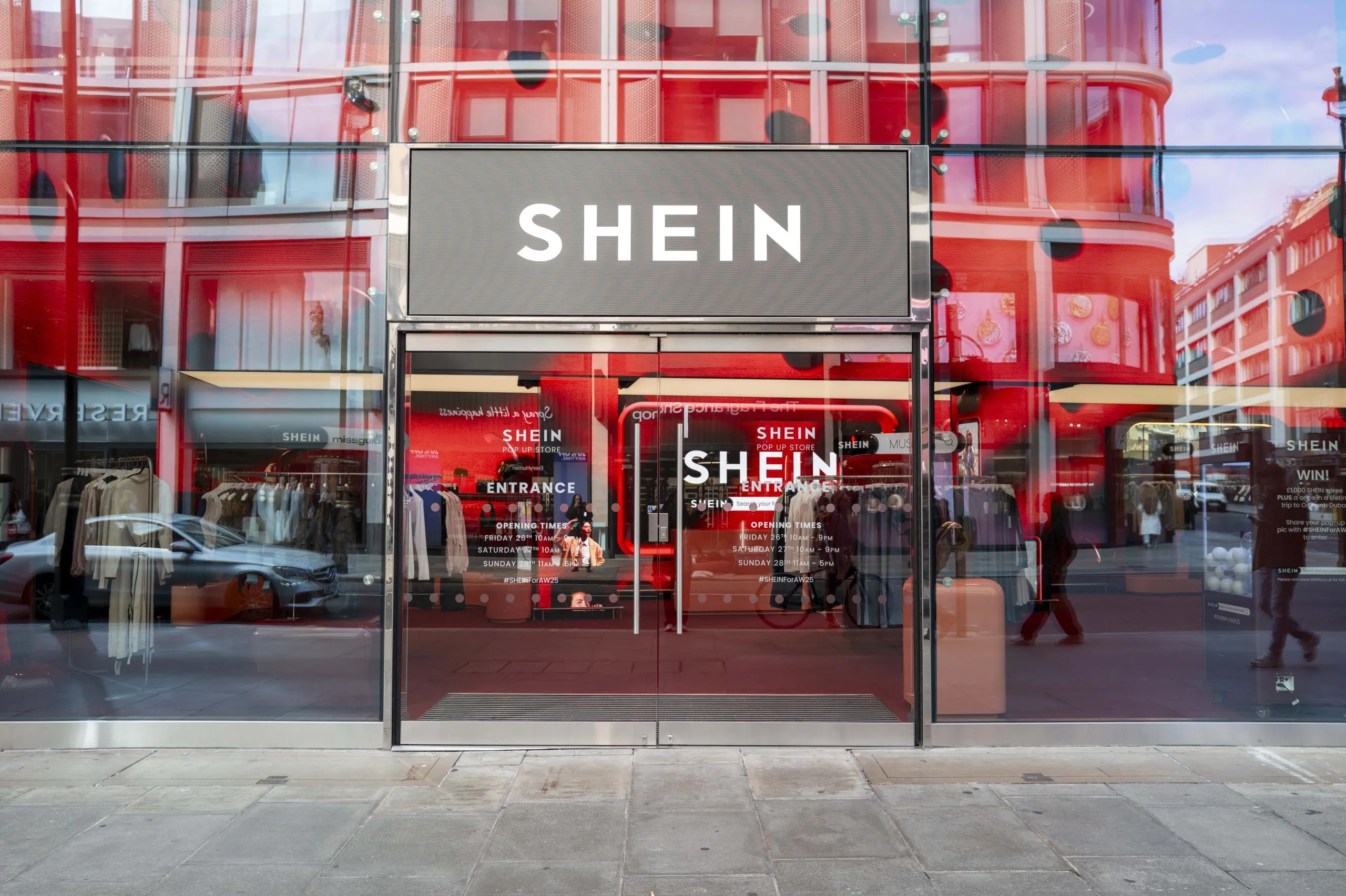
Shein’s growth in the UK has not occurred in a vacuum; it has been supported by a sophisticated marketing strategy that blends digital dominance with physical "real-world" activations. The company explicitly cited its high-profile Oxford Street pop-up shop held in September 2025 as a critical success factor. The temporary retail space served as an immersive brand experience, allowing consumers to interact with products in person—a rare departure for a digital-native brand.
Beyond brick-and-mortar experiments, Shein has leveraged the power of cultural alignment through strategic partnerships. Its involvement in major music events, including collaborations with Wireless and Live Nation, has allowed the brand to penetrate the demographic of younger, fashion-conscious consumers who prioritize trend-led, low-cost apparel. These activations, combined with a targeted Christmas gifting campaign, have effectively solidified Shein’s position as a lifestyle brand rather than just a clothing retailer.
A Tale of Two Retailers: The Asos Perspective
While Shein celebrates its ascent, Asos continues to grapple with the challenges of a digital-first model that has faced significant headwinds over the past two years. The retailer’s latest results revealed a period of consolidation and strategic retrenchment. Asos has been focused on clearing excess stock, improving operational efficiency, and narrowing losses in a bid to stabilize the business.
The divergence between the two firms highlights a broader shift in the e-commerce sector. Shein’s model relies on a unique supply chain architecture that allows for rapid production cycles—often referred to as "ultra-fast fashion"—which minimizes the risk of unsold inventory. Asos, which operates a more traditional wholesale and retail model, has had to contend with higher inventory costs and the volatility of the mid-market segment. While Asos remains a cornerstone of the British retail sector, the loss of its top-line revenue crown to an international competitor is a stark reminder of the competitive pressure exerted by agile, data-driven global platforms.
Global Context: The Shein Group’s Public Journey
The success of the UK arm contrasts with the broader, more complex narrative surrounding the Shein Group, which debuted on the Hong Kong Stock Exchange in September 2025. In its first public earnings update on 29 September, the parent company revealed a more tempered performance for the second quarter of the year.
The group reported an adjusted net profit of $228m (£200.7m) for the three months ending 30 June, representing a 66% year-on-year decline. The company’s margin similarly compressed, falling from 6.2% to 2.1%. Revenue growth also slowed significantly, edging up only 1% to $11bn (£9.7bn). Regional performance during this period highlighted the volatility of the global market: sales in the United States dipped by 6%, and European revenue declined by 14%.
These global figures provide a nuanced backdrop to the UK’s strong performance. While the UK arm continues to deliver high growth, the group as a whole is facing the scrutiny and performance demands associated with being a public entity. Analysts note that as Shein scales, it is encountering the same macro-economic pressures as its competitors, including inflationary impacts on consumer spending and potential regulatory hurdles in key Western markets.
Implications for the Future of Retail
The rise of Shein to the top of the UK market carries significant implications for the future of the fashion industry. First, it validates the efficacy of a hyper-localized digital strategy backed by global manufacturing prowess. By treating the UK as a specific, targeted market for experiential marketing, Shein has successfully translated digital clicks into physical loyalty.
Second, the shift raises ongoing questions regarding the sustainability and ethics of the ultra-fast fashion model. As the company grows, it faces increasing pressure from policymakers and environmental advocacy groups to address the carbon footprint of its high-volume production and the working conditions within its supply chain. While these issues have not yet dampened consumer demand, they remain a primary risk factor for the company’s long-term reputation and regulatory stability.
Finally, the displacement of a domestic giant like Asos by an international player serves as a warning to other legacy retailers. The market is increasingly favoring platforms that can offer real-time trend responsiveness, competitive pricing, and seamless integration with social media-driven consumer habits. As the competitive landscape continues to evolve, the ability to adapt to these technological and behavioral shifts will determine which retailers survive the next decade.
Looking Ahead
As of late 2025, the retail sector remains in a state of flux. While Shein has established a clear lead in the UK, maintaining this momentum will require careful navigation of global economic conditions and the mounting expectations of its new public shareholders. The company has yet to provide detailed commentary on its outlook for the remainder of the 2026 fiscal year, but industry experts anticipate continued investment in logistics and market-specific branding to defend its newfound position at the top of the UK leaderboard.
The story of Shein’s rise is not merely a tale of one company overtaking another; it is the story of a fundamental shift in how apparel is produced, marketed, and consumed. Whether this momentum can be sustained in the face of broader global economic headwinds and the scrutiny of the public markets remains one of the most compelling narratives in contemporary retail. For now, the numbers confirm that Shein has successfully captured the zeitgeist of the modern consumer, securing its place as a definitive leader in the UK fashion economy.