


A Decade of Defining Modern Sensuality
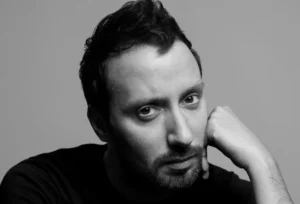
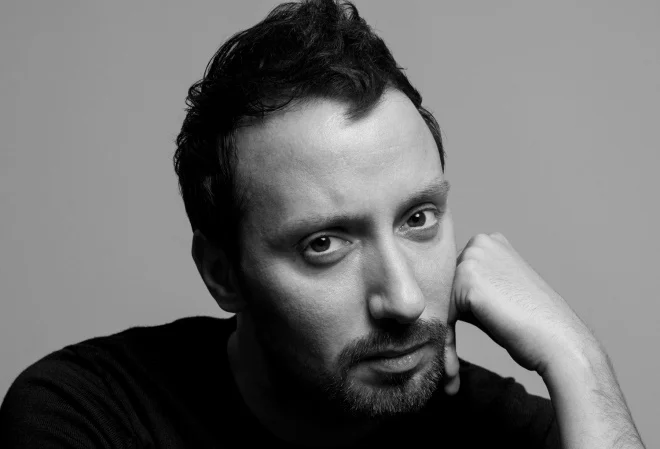
When Anthony Vaccarello was appointed creative director in April 2016, he inherited a brand that had been fundamentally reshaped by his predecessor, Hedi Slimane. Slimane’s tenure had pivoted the house toward a rock-and-roll, ultra-slim aesthetic that moved the brand away from the traditional, bourgeois codes established by Yves Saint Laurent himself. Vaccarello, a Belgian designer with a background at Fendi and a formative stint at Versace, faced the daunting task of maintaining the brand’s momentum while reintroducing a sense of architectural structure and Parisian glamour that honored the house’s heritage.
Over the course of his ten-year tenure, Vaccarello successfully synthesized the sharp, provocative edge of his own design DNA with the house’s iconic "Le Smoking" tuxedo history. His runway shows—often staged against the backdrop of a glittering Eiffel Tower—became spectacles of modern minimalism, characterized by high-octane glamour, sheer fabrics, and a relentless commitment to a specific, leggy silhouette that defined the "Saint Laurent woman" for a new generation.
Chronology of a Tenure
The trajectory of Vaccarello’s time at Saint Laurent can be viewed through several distinct phases:
- April 2016: Anthony Vaccarello is officially appointed creative director of Saint Laurent, succeeding Hedi Slimane. His debut collection was highly anticipated, focusing on the brand’s origins in the 1980s.
- 2017–2019: The brand experiences a period of rapid commercial growth. Vaccarello solidifies the house’s visual identity, focusing on high-impact marketing campaigns and a cohesive aesthetic that resonates with younger, affluent consumers.
- 2020–2022: Despite the global disruptions caused by the COVID-19 pandemic, Saint Laurent maintains strong growth. Vaccarello pivots toward digital-first presentations and immersive cinematic experiences, maintaining the house’s relevance during travel restrictions.
- 2023: The brand launches Saint Laurent Productions, a move that signals a deeper integration into the film and entertainment industry, further cementing the brand’s cultural influence beyond apparel.
- October 2024: The house confirms Vaccarello’s departure, marking the conclusion of his decade-long leadership.
Commercial Performance and Market Positioning
Under Vaccarello’s direction, Saint Laurent became a cornerstone of the Kering portfolio, consistently outperforming many of its peers in the luxury sector. According to Kering’s financial reports throughout his tenure, the brand was a vital engine of growth, often acting as a stabilizing force while other brands within the group struggled with brand fatigue or creative transition.
The brand’s success was underpinned by a rigorous focus on leather goods and accessories, which typically generate the highest margins for luxury houses. Vaccarello’s ability to translate the runway aesthetic into highly desirable handbags and footwear—such as the iconic "Cassandre" logo accessories—was instrumental in the brand’s double-digit revenue growth throughout the late 2010s. By the end of 2023, Saint Laurent was frequently cited by analysts as one of the most "desirable" brands in the world, consistently ranking in the top tier of indices measuring online search volume, social media engagement, and purchase intent.
Official Responses and Corporate Sentiment
The departure of a creative director of such standing has prompted a formal acknowledgment of his contributions from Kering’s senior management. Luca de Meo, CEO of the parent company, emphasized the weight of Vaccarello’s influence. "Through his creative vision and exacting standards, he has contributed to strengthening the enduring influence of one of France’s greatest couture Houses," de Meo stated. "His work has been integral to our strategy as we embark on a new chapter in the history of the house."
Cedric Charbit, the CEO and President of Saint Laurent, echoed this sentiment, highlighting the personal and professional dedication Vaccarello brought to the brand. "During his tenure, Anthony took Saint Laurent on a remarkable trajectory, elevating the house to the forefront of desirability and image, while accomplishing exceptional work both creatively and through his cultural impact," Charbit said. The tone of these statements reflects a desire for continuity and a respectful closing of a high-performing chapter, rather than the acrimonious departures that have occasionally marked the history of other luxury labels.
The Broader Implications for Luxury Fashion
The fashion industry is currently in a state of flux, with many houses undergoing "creative resets." The departure of a designer who held a post for ten years is a rarity in an era where creative directors are often cycled through brands every three to four years. Vaccarello’s longevity provided a sense of stability that investors and retailers highly prize.
His exit raises questions regarding the future direction of Saint Laurent. In recent seasons, the luxury market has seen a cooling effect following the post-pandemic surge. Brands are now tasked with balancing the need for commercial consistency—relying on established "hero" products—with the need for artistic reinvention to capture the attention of a fickle Gen Z and millennial consumer base.
Furthermore, Vaccarello’s focus on film and entertainment through Saint Laurent Productions suggests that the next creative leader may not just be a designer of clothes, but a curator of brand culture. The new leadership will likely need to navigate the tension between maintaining the house’s established "sexy, sharp, and black" aesthetic and the need to evolve toward a more inclusive or diversified design language to maintain long-term relevance.
Market Analysis: What Comes Next?
Industry experts suggest that the timing of this announcement allows Kering to conduct a search for a successor without the pressure of an immediate, mid-season vacancy. The process of appointing a new creative director in the current landscape involves a complex matrix of considerations, including the designer’s ability to manage large-scale commercial operations, their alignment with the brand’s existing supply chain, and their potential to drive high-visibility marketing moments.
As the industry looks ahead, the legacy of Vaccarello’s decade at the brand will be analyzed not only through his runway collections but through the lens of business stability. He proved that a designer could maintain a singular vision for a decade without alienating the core customer, while simultaneously expanding the brand’s reach through strategic cultural partnerships.
For Kering, the challenge is clear: identifying a successor who can honor the sharp, uncompromising heritage of Saint Laurent while injecting the necessary novelty to ensure the brand continues to dominate the luxury conversation. The transition will be closely watched by institutional investors and fashion critics alike, as it represents a pivotal moment for one of the most profitable and culturally significant houses in the global luxury portfolio.
As Saint Laurent prepares for this transition, the industry remains in a period of reflection regarding the role of the creative director. With major houses across Europe currently reshuffling their creative leadership, the departure of Anthony Vaccarello stands as a testament to the influence a single individual can exert over the trajectory of a billion-dollar business. Whether the brand chooses an established veteran or a disruptive newcomer, the next era of Saint Laurent will undoubtedly be measured against the high bar set by the man who redefined its identity for the last ten years.