







The landscape of the global beauty and hair care industry is on the precipice of a significant technological shift as HaloBraid, a robotics startup dedicated to automating the labor-intensive process of hair braiding, officially announced its launch this week. Backed by a $7 million seed funding round led by Alexis Ohanian’s venture firm, Seven Seven Six, the company aims to address a centuries-old manual task that has remained largely untouched by the modern industrial revolution. By integrating advanced robotics with material science, HaloBraid seeks to reduce the time spent in salon chairs from half a day to a fraction of that duration, potentially transforming the economic and social dynamics of textured hair care.
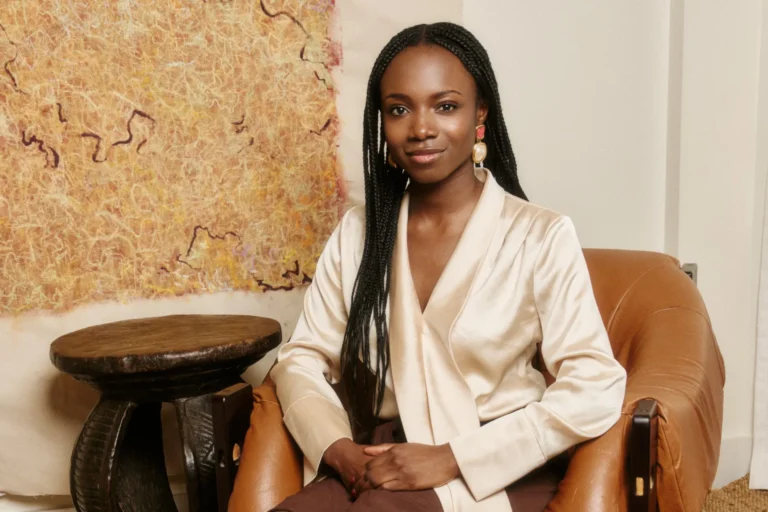
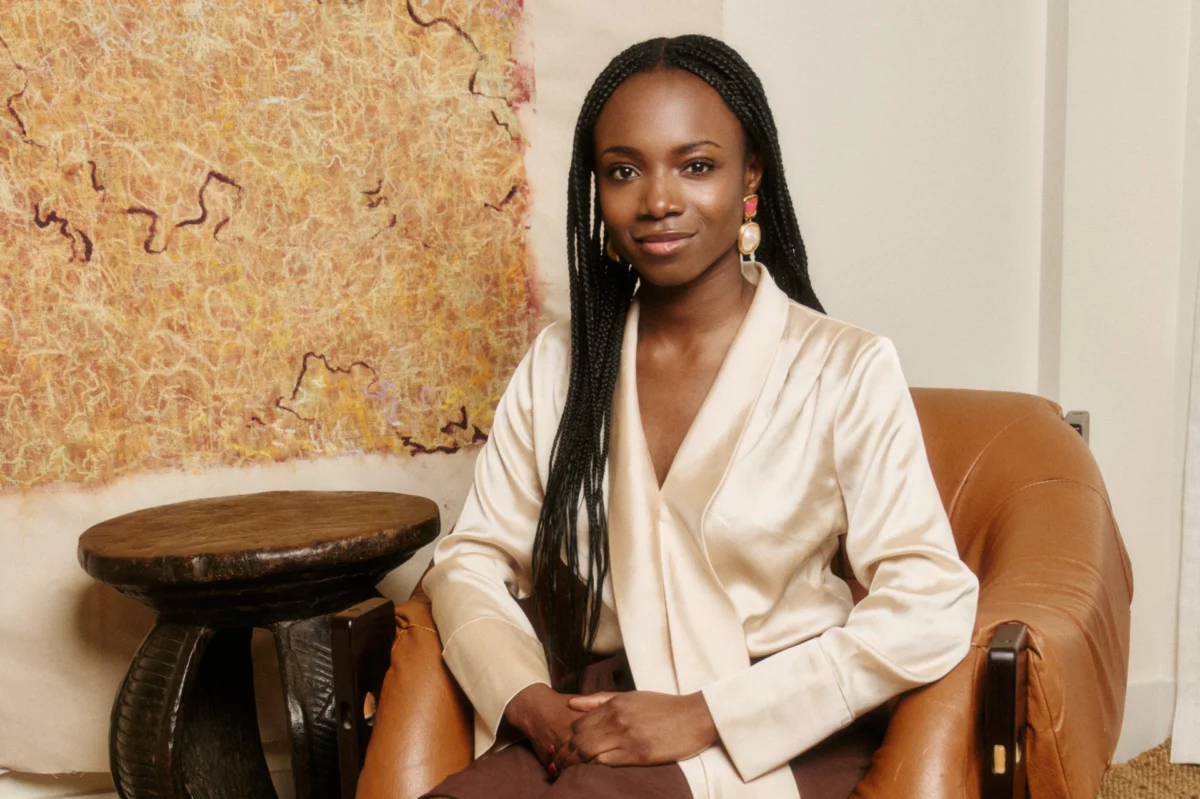
The venture is the brainchild of Yinka Ogunbiyi, an engineer with a Master of Science from Harvard and an MBA, who previously ventured into the tech space with a smart cooking appliance company. The genesis of HaloBraid was born out of personal necessity and the unique constraints of the global pandemic. While isolated in her London apartment during the COVID-19 lockdowns, Ogunbiyi attempted to braid her own hair—a process that took four days to complete. This experience highlighted a glaring inefficiency in a ritual that is a "rite of passage" for millions of Black women and girls. Recognizing the disparity between the advancements in general consumer electronics and the stagnant nature of textured hair tools, Ogunbiyi pivoted her engineering expertise toward solving the mechanical complexities of braiding.
The Technical Challenge of Automating Textured Hair Care
Hair braiding is an intricate, thousand-year-old art form that involves weaving three or more strands of hair into complex patterns. In the modern salon environment, styles such as box braids, boho braids, and knotless braids are highly sought after but notoriously time-consuming. It is not uncommon for a client to spend between 8 and 12 hours in a stylist’s chair for a single session. From an engineering perspective, hair represents one of the most difficult substrates to manipulate. Unlike rigid materials used in traditional manufacturing, hair is flexible, varies in texture and friction, and is prone to breakage if handled with excessive force.
Ogunbiyi noted that the development of the HaloBraid device required borrowing methodologies from disparate fields, including material science and inkjet printing technology. While many of the specific mechanical details remain under patent-pending status, the functional workflow of the device is designed to be a collaborative effort between the human stylist and the robotic assistant. The stylist begins the braid manually to ensure the tension at the scalp is correct and the parting is precise. Once the foundation is set, the hair is handed off to the HaloBraid device, which completes the length of the braid in a matter of seconds.
This hybrid approach ensures that the "artistry" and "safety" of the process remain in human hands, while the "repetition" and "labor" are offloaded to the machine. The startup has emphasized that the device is engineered to be gentle, preventing the traction alopecia or hair thinning that can sometimes result from improper manual braiding or poorly designed automated tools.
Economic Data and the Market Opportunity
The market for hair braiding is vast but historically underserved by high-tech hardware. According to research conducted by Ogunbiyi, approximately 8 billion hours are spent globally on hair braiding every year. In a survey of 2,000 consumers, HaloBraid found that 95% of respondents would choose to get their hair braided more frequently if the process were significantly faster. This suggests a massive latent demand that is currently suppressed by the time-cost of the service.
From the perspective of salon owners and professional stylists, the current manual model presents significant scaling challenges and health risks. The repetitive motion required for braiding frequently leads to occupational hazards such as carpal tunnel syndrome, tendonitis, and chronic arthritis. By introducing a robotic assistant, salons can potentially double or triple their daily client capacity while reducing the physical toll on their employees.

The investment led by Seven Seven Six reflects a growing confidence in specialized hardware. Alexis Ohanian, who has become a vocal advocate for "Black tech" and "Femtech" through his personal and professional life, noted the clear market gap. Ohanian, whose wife Serena Williams and two daughters frequently wear braided styles, has witnessed the grueling nature of these sessions firsthand. He observed that while companies like Dyson have successfully disrupted the hair dryer and styling market with premium-priced, high-tech tools, the specific needs of textured hair have often been sidelined in the venture capital ecosystem.
"This is hardware’s moment," Ohanian stated, linking HaloBraid to a broader trend of "Deep Tech" investments. He argued that the product is uniquely differentiated because it solves a specific, high-frequency pain point for a loyal and high-spending consumer demographic. Joining Seven Seven Six in the $7 million seed round are AlleyCorp and Bling Capital, indicating a broad institutional interest in the intersection of robotics and beauty.
A Chronology of Development and Future Roadmap
The journey of HaloBraid from a lockdown realization to a multi-million-dollar startup followed a rigorous timeline of research and development:
- 2020–2021: Concept phase. Yinka Ogunbiyi identifies the technical gap in the market during the COVID-19 pandemic and begins preliminary engineering sketches.
- 2022: Prototyping and Research. The team conducts extensive surveys of 2,000 participants to validate the market need and begins testing mechanical weaving structures.
- 2023: Strategic Partnerships and Patent Filing. The startup begins securing intellectual property and seeking early-stage investors who understand the cultural and technical nuances of the project.
- Early 2024: Seed Funding. The $7 million round is finalized to facilitate the move from prototype to production-ready hardware.
- Late 2024 (Projected): Official product launch. The first iteration of the HaloBraid device is slated to enter professional salons, focusing on a B2B (business-to-business) model.
The current team of approximately 15 employees is focusing the fresh capital on manufacturing and establishing salon partnerships. However, the vision for HaloBraid extends beyond the initial braiding device. Ogunbiyi has revealed that the company is already exploring the development of a "take-down" device. Undoing braids is often considered as tedious as the installation process, sometimes taking several hours and risking hair damage if done improperly. An automated solution for braid removal would complete the lifecycle of the service, offering a full-stack technological solution for textured hair maintenance.
Broader Implications for the Beauty and Tech Sectors
The emergence of HaloBraid is a significant milestone in the "BeautyTech" sector, which has traditionally focused on software—such as booking apps or AR makeup filters—rather than heavy-duty robotics. The success of this venture could signal a new era where robotics are integrated into high-touch service industries, not to replace human workers, but to augment their capabilities.
There is also a social dimension to this technological advancement. For many Black women, the time spent in the salon is a communal experience, but it is also a significant "time tax" that impacts professional and personal schedules. By reclaiming those hours, HaloBraid offers a form of "time equity." Furthermore, by making the process more efficient, the technology could lower the barrier to entry for new stylists and allow existing salons to increase their revenue without increasing their hours of operation.
However, the startup faces the challenge of the "tricky substrate" mentioned by Ogunbiyi. Hair varies significantly in density, curl pattern, and strength across different individuals. The robotics must be sophisticated enough to handle these variations without malfunctioning or causing discomfort. The industry will be watching closely as the first units are deployed in salons later this year to see if the machine can truly match the dexterity and intuition of a human hand.
As the beauty industry continues to evolve, the intersection of material science and consumer hardware is likely to become a major battleground for innovation. HaloBraid’s successful funding round serves as a validation that there is significant investor appetite for solving "unexplored" problems in markets that have been historically overlooked by the Silicon Valley establishment. If Ogunbiyi’s vision holds, the twelve-hour salon session may soon become a relic of the past, replaced by a streamlined, tech-assisted ritual that preserves the beauty of the tradition while embracing the efficiency of the future.