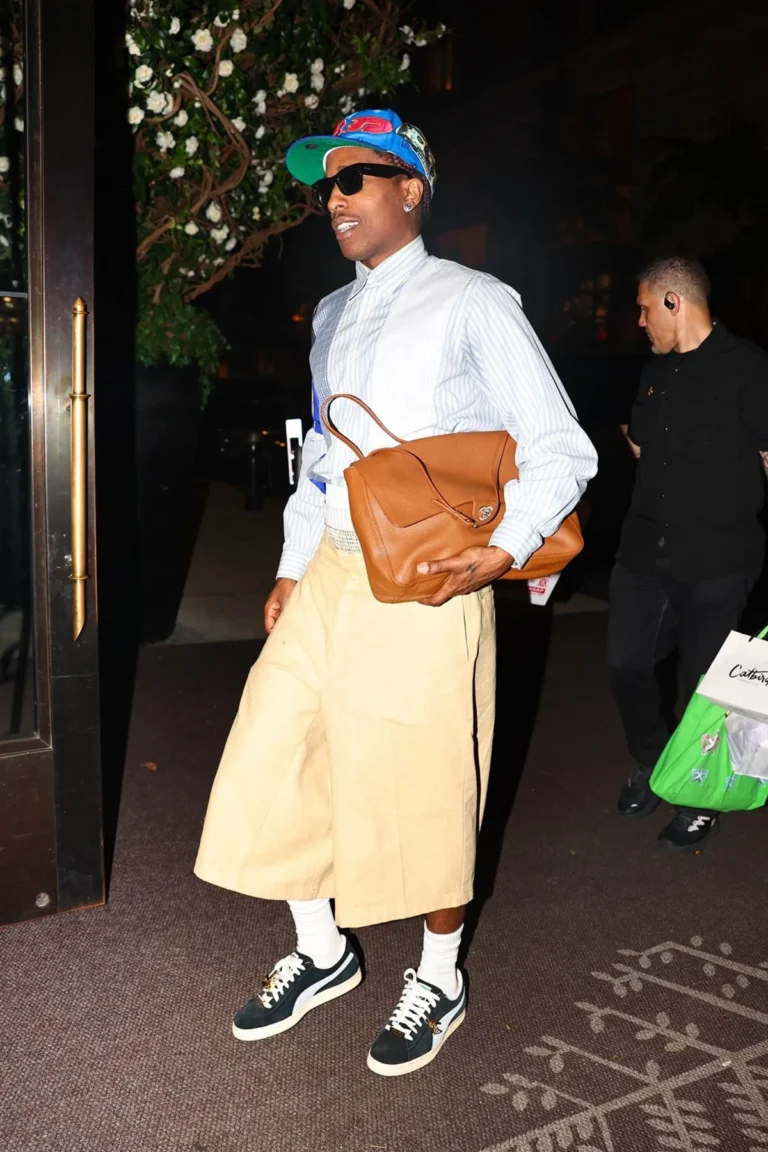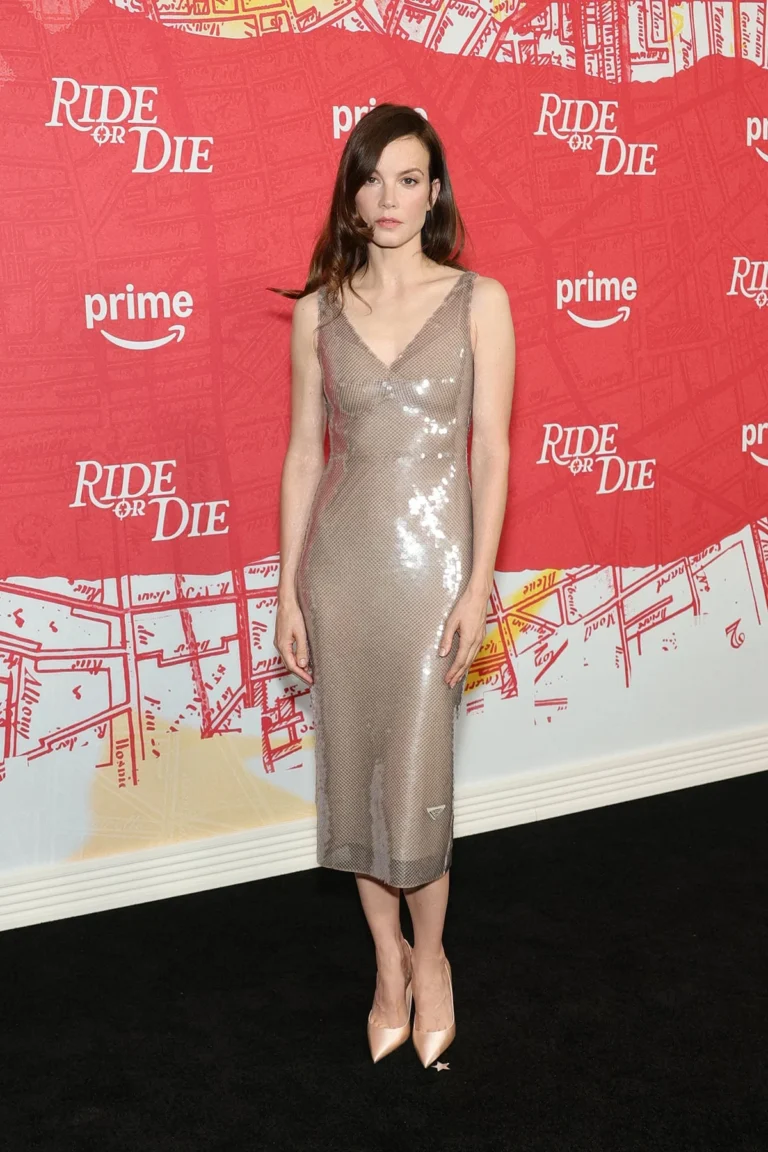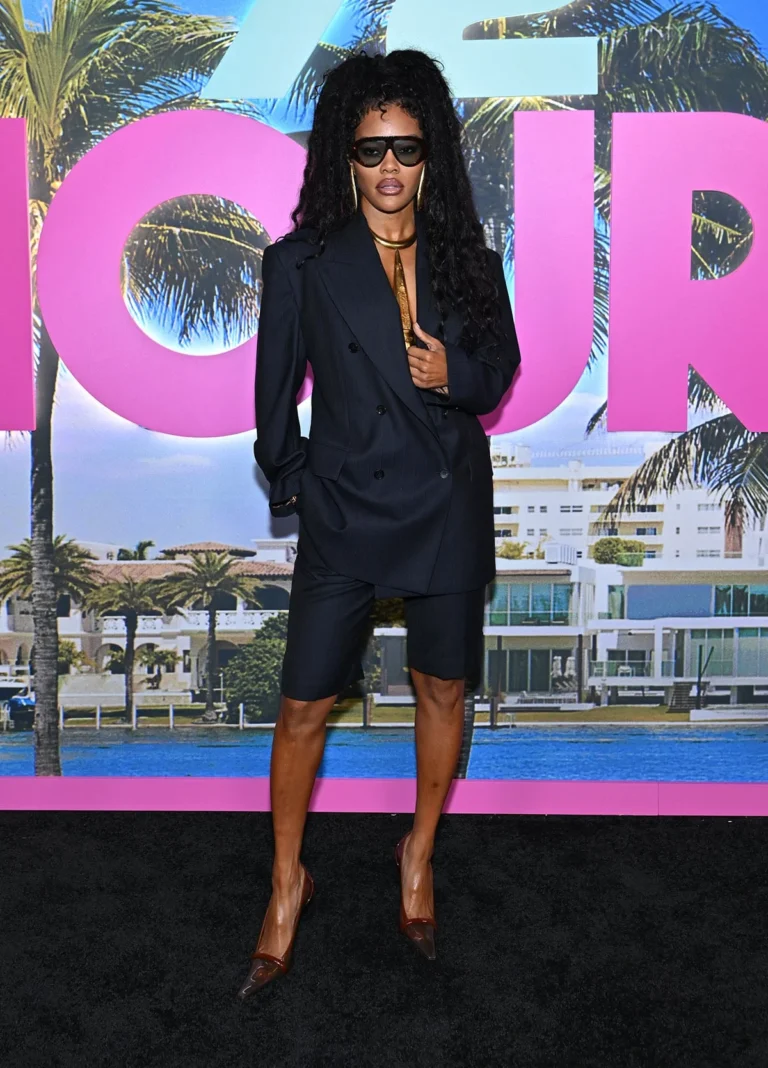











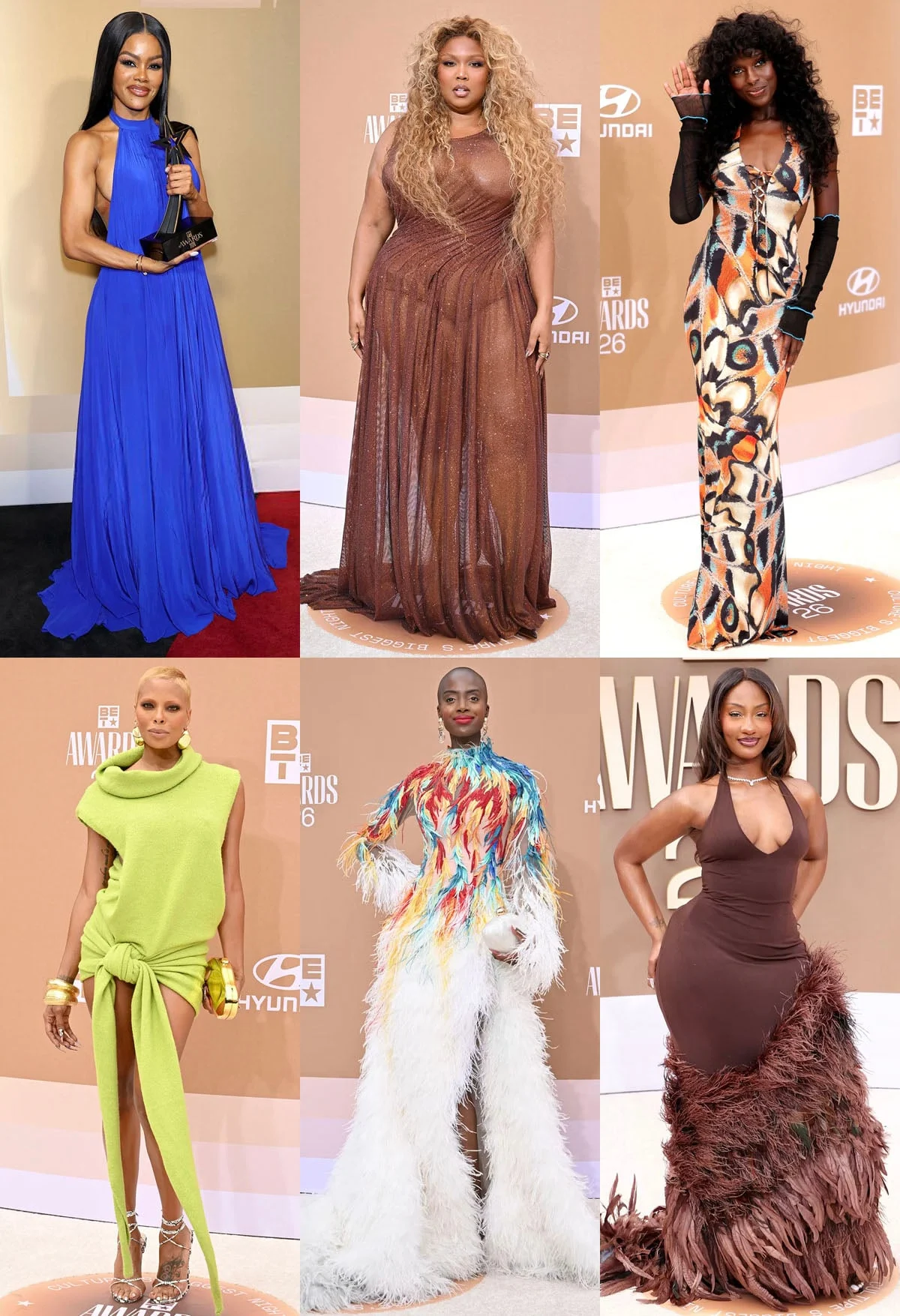
The 2024 BET Awards, held at the Peacock Theater in Los Angeles, served as a definitive intersection of high fashion, music, and cultural advocacy, showcasing a curated selection of global couture that reflected the evolving landscape of the luxury industry. As one of the most significant annual gatherings for Black entertainment and excellence, the event’s red carpet provided a high-visibility platform for both established legacy houses and emerging avant-garde designers. The sartorial choices of the evening’s attendees, ranging from Teyana Taylor’s dual-look appearances to Tems’ sculptural silhouettes, underscored a broader industry trend toward architectural precision and the integration of international design perspectives. This year’s red carpet was not merely a display of personal style but a calculated engagement with the global fashion economy, highlighting the symbiotic relationship between celebrity influence and brand valuation.
Architectural Couture and the Evolution of the Red Carpet Silhouette
Teyana Taylor’s appearance at the 2024 BET Awards was characterized by a sophisticated transition between two distinct design philosophies, emphasizing her versatility as a fashion icon. Her first look, a selection from Stéphane Rolland Haute Couture, exemplified the structural rigor often associated with the French couturier. Rolland, known for his sculptural approach to fabric, provided a garment that functioned as wearable art, utilizing volume and negative space to create a commanding presence. Later, Taylor transitioned into a look by Tom Ford, representing a shift toward the sleek, tailored modernism that defines the American luxury house. This progression from the avant-garde to the classic highlighted the dual nature of contemporary red carpet fashion: the need for theatricality balanced by the enduring appeal of refined tailoring.
Lizzo’s choice of Christian Cowan further solidified the evening’s theme of bold, expressive design. Cowan, a designer known for his youthful and often provocative aesthetic, created a custom piece that emphasized Lizzo’s role as a disruptor in both music and fashion. The collaboration between the artist and the designer leveraged Cowan’s signature use of texture and light, ensuring a high Media Impact Value (MIV), a metric increasingly used by fashion analysts to quantify the success of celebrity placements.
The Legacy of Roberto Cavalli and the Power of Multi-Artist Representation
One of the most notable occurrences of the evening was the dual representation of Roberto Cavalli by both Jodie Turner-Smith and Doechii. This rare occurrence—two high-profile stars wearing the same house on the same red carpet—served as a testament to the brand’s resurgence under its current creative direction. Turner-Smith, known for her risk-taking fashion choices, and Doechii, a rising force in the hip-hop industry, offered two distinct interpretations of the Cavalli aesthetic.
While Turner-Smith often leans into the brand’s historical penchant for animal prints and flowing silks, Doechii’s selection showcased the house’s ability to adapt to a more contemporary, edgy audience. This "double-sighting" of Cavalli reinforces the brand’s strategic positioning within the Black entertainment market, where the label’s maximalist philosophy has historically resonated with themes of opulence and unapologetic self-expression.
Global Design Influence: From Kosovo to Vietnam
The 2024 BET Awards also highlighted the increasing globalization of red carpet fashion. Kelly Rowland’s appearance in Valdrin Sahiti underscored the rise of the Kosovar designer in the international luxury market. Sahiti has become a preferred choice for A-list celebrities due to his mastery of the "power silhouette"—garments that emphasize the female form through intricate draping and bold structural elements. Rowland’s selection points to a shift away from a strictly Paris-Milan-New York centric fashion cycle, as celebrities increasingly seek out talent from diverse geographical backgrounds to ensure a unique visual identity.
Similarly, Madisin Rian’s choice of Le Thanh Hoa brought Vietnamese couture to the forefront of the American awards season. Le Thanh Hoa is celebrated for a meticulous attention to detail and the use of traditional craftsmanship techniques adapted for a modern global audience. By selecting a designer from the burgeoning Southeast Asian fashion sector, Rian contributed to a broader narrative of inclusivity and global exchange within the luxury industry.
Iconography and Traditionalism: Queen Latifah and Eva Marcille
Queen Latifah, an enduring figure in the entertainment industry, opted for a look by Kilian Kerner. The choice reflected a mature, sophisticated approach to the red carpet, prioritizing elegance and structural integrity over fleeting trends. Kerner’s work for Latifah demonstrated the importance of consistency in branding; for an artist with a decades-long career, the fashion must reflect both their current status and their historical significance.
Eva Marcille’s appearance in Muehleder highlighted the continued importance of supporting Black-owned luxury brands. Muehleder, founded by Larissa Muehleder, is known for its signature use of neoprene and bold, architectural shapes. Marcille’s choice served as a professional endorsement of the brand’s growth and its ability to compete on a stage populated by multi-billion-dollar European conglomerates. This support is vital for the ecosystem of Black fashion, where red carpet visibility directly correlates with retail growth and investor interest.
Avant-Garde Edge: Tems and Luis De Javier
Tems, the Nigerian singer-songwriter who has rapidly ascended to global stardom, chose a garment by Luis De Javier. De Javier is recognized for his dark, subversive, and often industrial-inspired designs. By choosing a designer associated with London’s underground fashion scene and high-concept runway shows, Tems aligned her brand with the avant-garde. The look, characterized by its sculptural complexity, functioned as a visual extension of her artistic persona—unique, boundary-pushing, and technically proficient. This choice also reflected the growing trend of "niche luxury," where artists opt for designers who offer a more specialized, less commercial aesthetic to distinguish themselves from their peers.
Chronology of the Event and Red Carpet Logistics
The red carpet proceedings for the 2024 BET Awards began at approximately 3:00 PM PST, three hours prior to the main telecast. The logistical management of the arrivals is a highly coordinated effort involving publicists, stylists, and the BET production team. Each arrival is timed to maximize photographic exposure and social media engagement.
- Pre-Event (2:00 PM – 3:00 PM): Final fittings and "glam" sessions for the artists. Stylists, including the likes of Wayman and Micah (who frequently work with Jodie Turner-Smith and others), ensure that every garment is tailored to the specific lighting conditions of the red carpet.
- Early Arrivals (3:00 PM – 4:30 PM): Emerging artists and industry stakeholders arrive, setting the tone for the evening’s fashion trends.
- Prime Arrivals (4:30 PM – 5:45 PM): High-profile nominees and performers, including Teyana Taylor and Kelly Rowland, arrive during the peak of the pre-show broadcast. This window is critical for "live-tweeting" and immediate fashion critiques from digital outlets.
- Post-Carpet (6:00 PM onwards): The transition into the Peacock Theater. For some artists, this includes a "wardrobe change" for performance or award acceptance, as seen with Teyana Taylor’s shift into Tom Ford.
Supporting Data: The Economic Impact of Red Carpet Fashion
The impact of the 2024 BET Awards fashion extends beyond aesthetic appreciation. According to industry data from Launchmetrics, the BET Awards consistently generate significant Media Impact Value (MIV) for the brands involved. In 2023, the event generated over $50 million in MIV, a figure expected to be surpassed in 2024 due to increased digital integration and the global popularity of the attendees.
For designers like Valdrin Sahiti or Luis De Javier, a single red carpet appearance by an artist like Kelly Rowland or Tems can result in a triple-digit percentage increase in search volume and social media mentions. This "halo effect" is a primary driver for luxury brands to provide custom couture for the event, often at a significant cost to the house, viewed as a marketing investment rather than a retail transaction.
Official Responses and Industry Reactions
While official statements from the designers were largely disseminated through social media platforms, the overarching sentiment was one of cultural pride and creative fulfillment. Stéphane Rolland’s studio noted the "synergy between the architectural lines of the couture and Teyana Taylor’s powerful presence." Representatives for Roberto Cavalli highlighted the "dynamic duality" showcased by Turner-Smith and Doechii, emphasizing the brand’s versatility.
Fashion critics and industry analysts have noted that the 2024 BET Awards red carpet demonstrated a high level of "stylistic maturity." Unlike previous years where trend-chasing was more prevalent, this year’s selections favored craftsmanship, heritage, and deliberate brand alignment. This shift suggests that Black entertainers are increasingly viewing their red carpet appearances as strategic business moves, carefully selecting designers that mirror their own professional trajectories.
Broader Impact and Implications for the Fashion Industry
The fashion displayed at the 2024 BET Awards has significant implications for the broader luxury market. First, it reinforces the power of the "Black Dollar" and the influence of Black culture on global luxury trends. When an artist like Lizzo or Queen Latifah wears a specific designer, it signals to a global audience that the brand is relevant, inclusive, and culturally attuned.
Second, the event highlights the decentralization of the fashion industry. The presence of designers from Vietnam, Kosovo, and independent Black-owned houses alongside French and Italian giants suggests a more democratic future for high fashion. The red carpet is no longer a monolith controlled by a few select houses in Paris; it is a global stage where talent is the primary currency.
Finally, the 2024 BET Awards served as a reminder of the role of the stylist as a cultural architect. The meticulous curation of these looks—matching the right designer with the right artist at the right cultural moment—is a professional discipline that continues to grow in importance. As the lines between entertainment, fashion, and social advocacy continue to blur, the red carpet will remain a vital space for the expression of identity and the pursuit of excellence.