








The 2026 Met Gala, held at the Metropolitan Museum of Art in New York City, marked a pivotal moment for independent couture as London-based designer Robert Wun presented one of the evening’s most cohesive and intellectually rigorous collections. Under the year’s overarching theme, which focused on the intersection of the human form and the medium of "Costume Art," Wun’s contributions transcended traditional red-carpet aesthetics. By treating garments as living installations rather than mere apparel, the designer solidified his reputation as a vanguard of modern couture, utilizing the gala’s global stage to explore themes of heritage, anatomy, and the creative process itself.
The Evolution of the Costume Art Theme
The selection of "Costume Art" as the 2026 theme followed a decade of increasingly theatrical Met Gala presentations. Unlike previous years that focused on specific eras or individual designers, this year’s directive encouraged attendees to view the body as a canvas and the clothing as a sculptural or performative medium. This shift provided the ideal landscape for Robert Wun, whose work has historically blurred the lines between fashion and fine art. Since his debut at Paris Haute Couture Week, Wun has been recognized for his ability to translate complex emotional states—such as fear, vulnerability, and resilience—into architectural silhouettes.
The 2026 event saw a record number of independent designers dressing high-profile guests, a departure from the historical dominance of legacy European fashion houses. Industry analysts noted that Wun’s presence was particularly significant, representing a broader trend of "concept-first" fashion that prioritizes narrative depth over commercial viability.
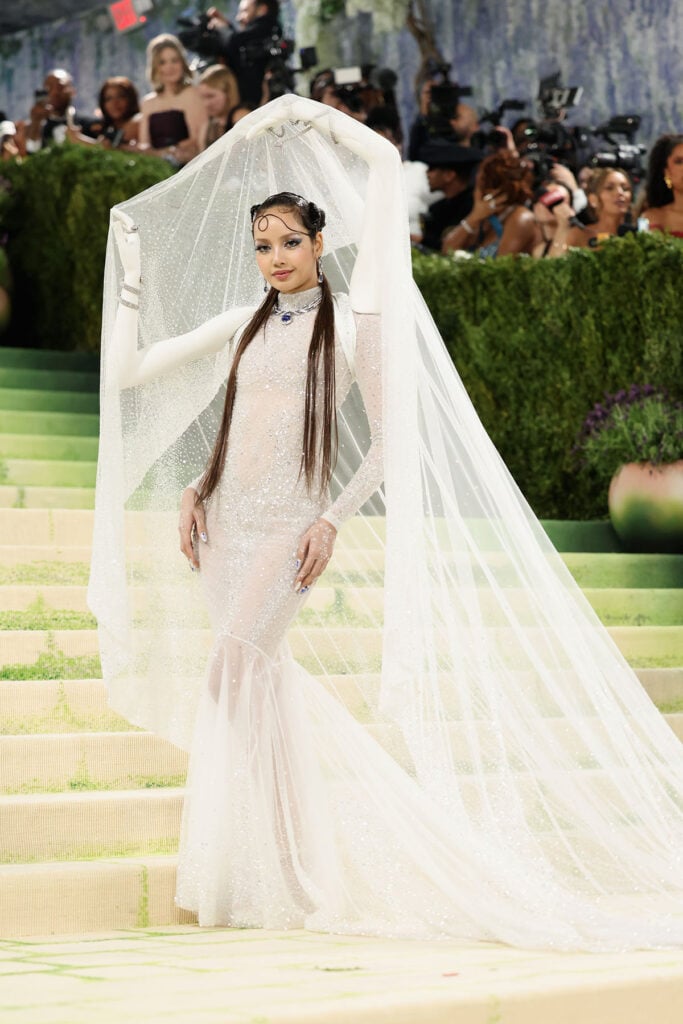
A Cultural Synthesis: Lisa in Custom Thai-Inspired Couture
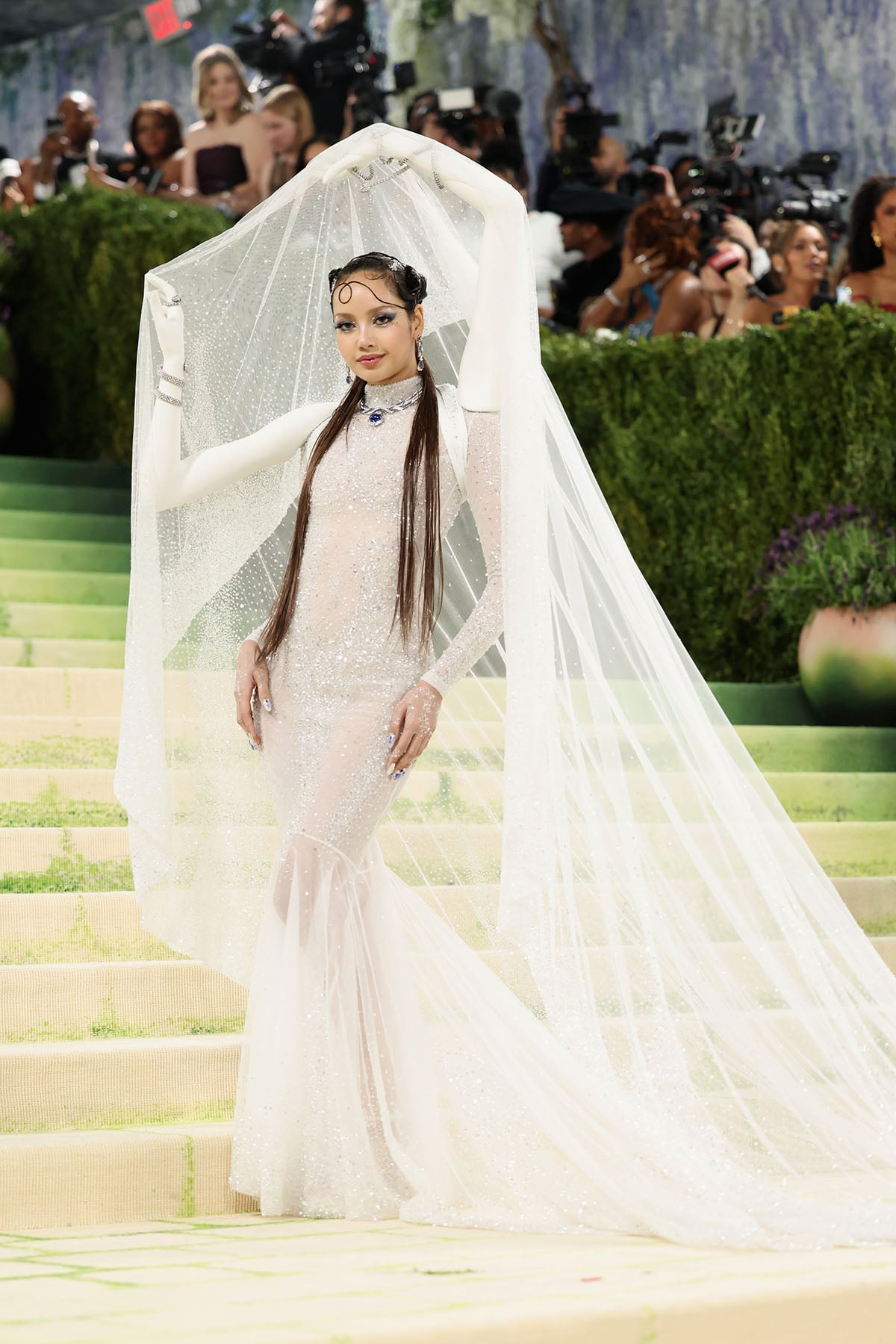
One of the evening’s most anticipated arrivals was Lisa, the global music icon and fashion ambassador, who appeared in a custom Robert Wun Couture gown that served as a tribute to her Thai heritage. The ensemble was a masterclass in cultural synthesis, referencing the intricate gestures of traditional Thai dance through a contemporary lens. The focal point of the garment was a series of sculptural arm motifs that appeared to sprout from the wearer’s silhouette, holding a delicate veil aloft.
The technical execution of the gown involved over 600 hours of hand-embroidery and the use of a proprietary internal wire structure to maintain the tension of the sculptural elements. The veil, which framed Lisa like a moving installation, was crafted from a specialized silk tulle designed to capture and refract the flashbulbs of the paparazzi. By incorporating the graceful hand and arm gestures central to Thai dance into the very structure of the dress, Wun transformed the garment into a performance piece. This alignment with the "body as artwork" philosophy was widely praised by cultural historians, who noted that the look respected traditional origins while pushing them into a futuristic aesthetic.

Anatomy and Visceral Storytelling: Naomi Osaka’s Reveal
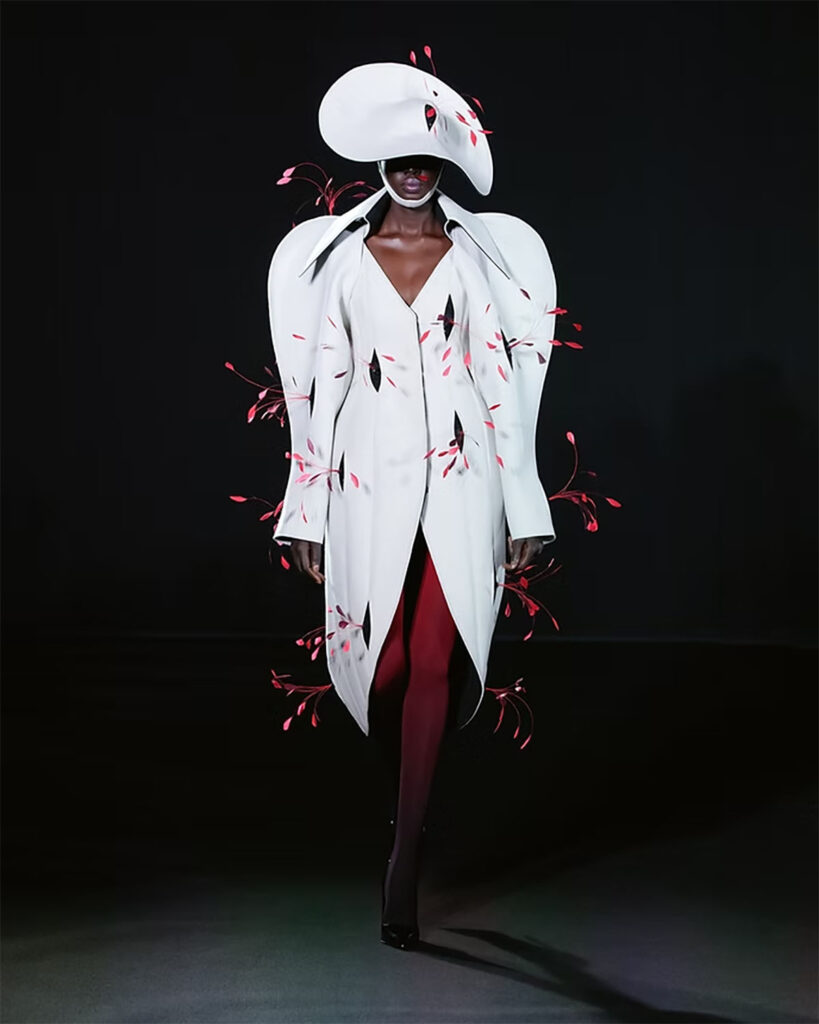
Naomi Osaka continued her long-standing creative partnership with Robert Wun, presenting a look that delved into the biological and the visceral. Building upon Wun’s Spring 2023 "Fear" collection, which utilized motifs of blood and damage, Osaka’s 2026 ensemble focused on the concept of "Anatomy Exposed." The presentation began with Osaka wearing a structured, stark white coat. The garment featured precise "slashes" through which red feathered details erupted, mimicking the appearance of biological matter or blood escaping a sterile surface.
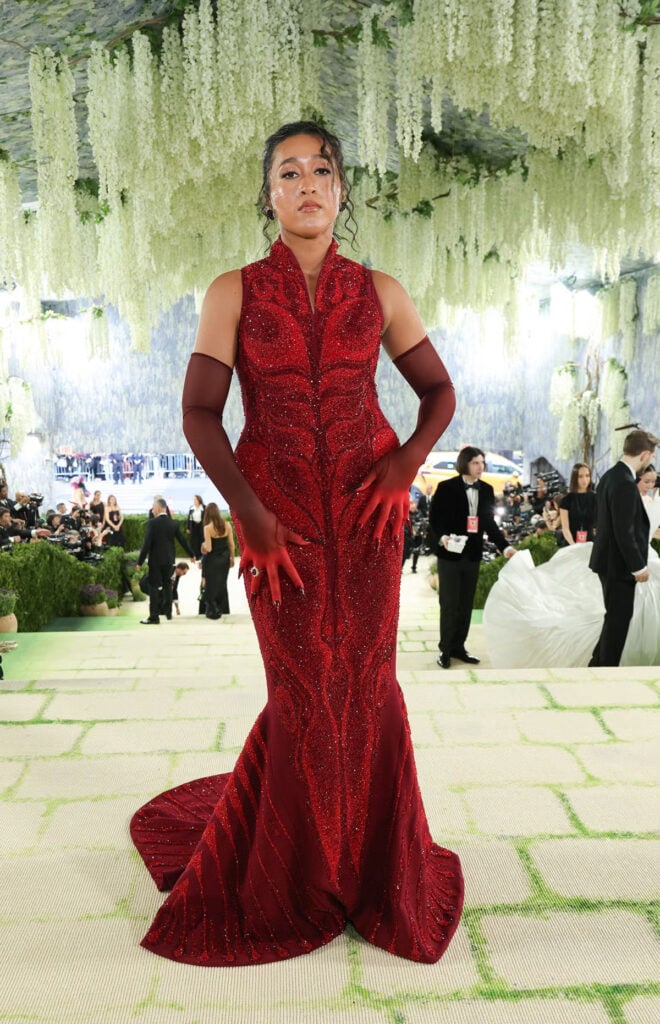
The performance reached its climax when the coat was removed to reveal a red, sequin-embellished gown underneath. This secondary layer was meticulously mapped to resemble the human muscular system, with varying shades of crimson and scarlet sequins creating a shimmering, anatomical map of the body. The look was completed with a headpiece designed in collaboration with milliner Awon Golding, which echoed the jagged, eruptive energy of the coat’s slashes.
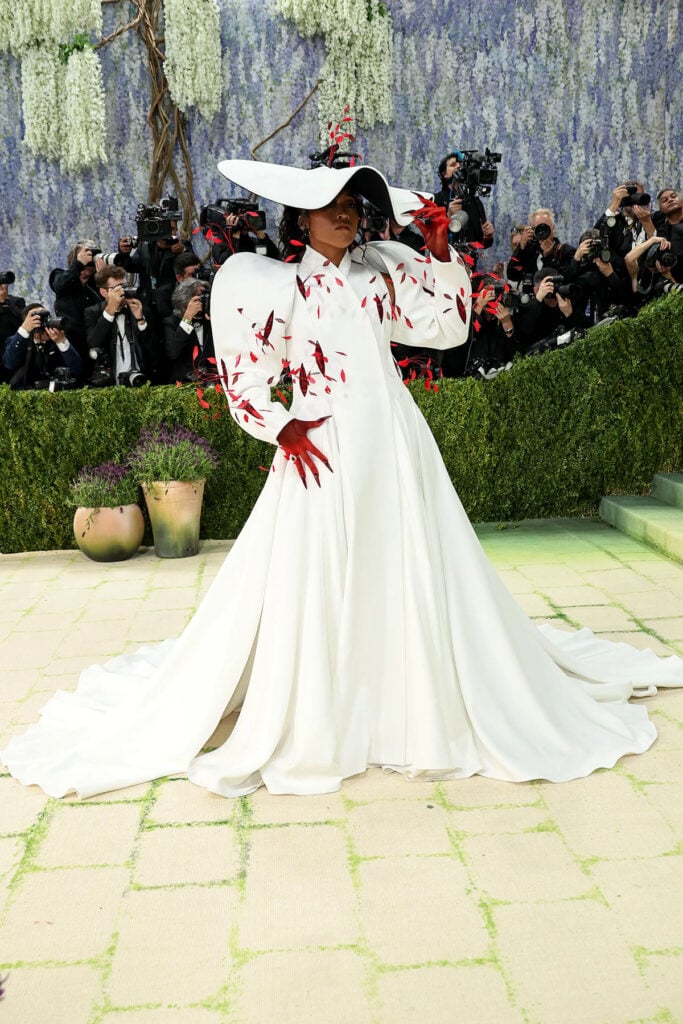
Critics noted that this ensemble directly addressed the "Naked Body" and "Classic Body" sub-themes of the gala, moving beyond the superficiality of transparent fabrics to a more literal and challenging interpretation of the human interior. The craftsmanship of the anatomical dress required a team of twelve artisans working for three months to ensure that the sequin patterns aligned perfectly with Osaka’s physique.
The Canvas of Creation: Audrey Nuna and the Painted Surface
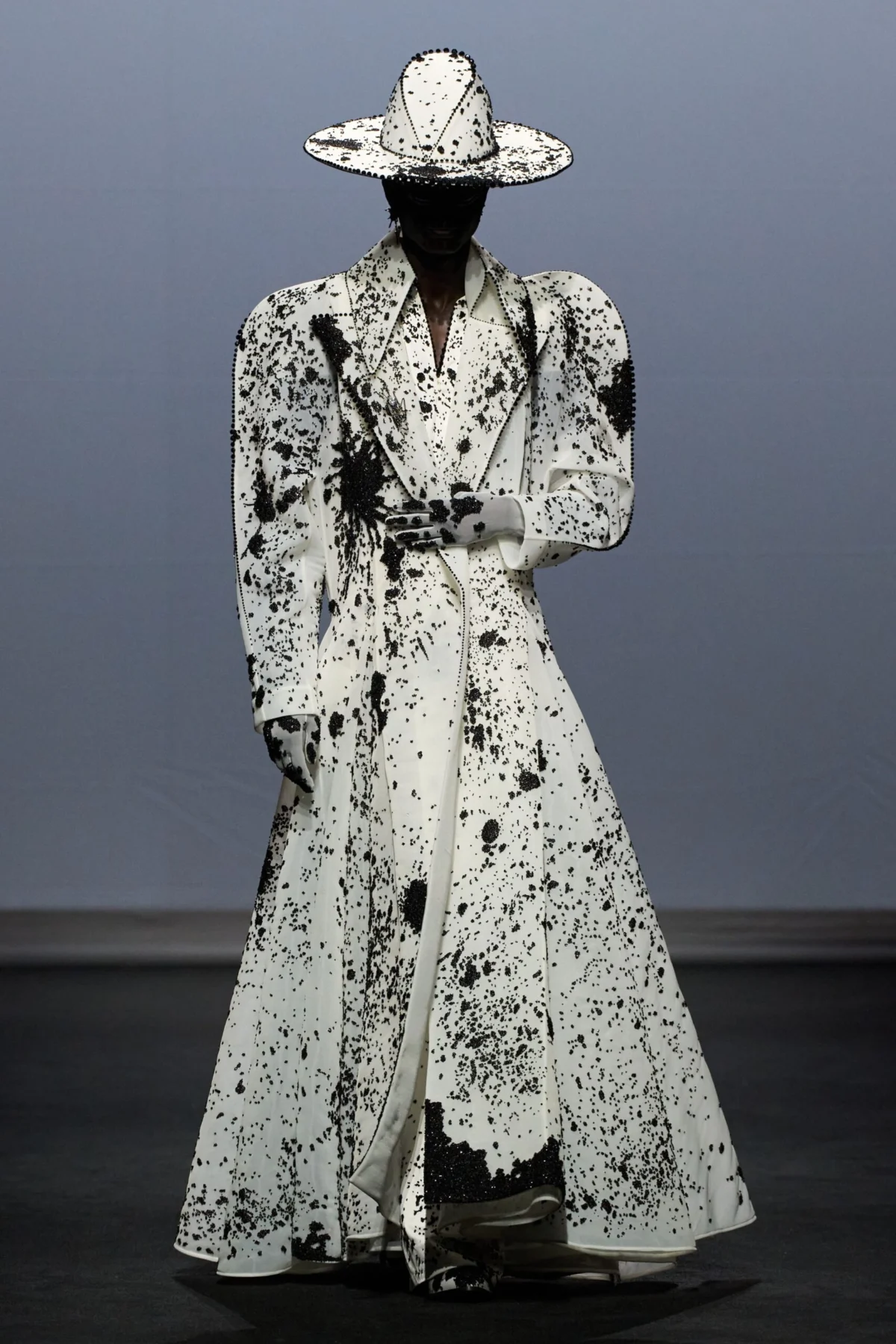
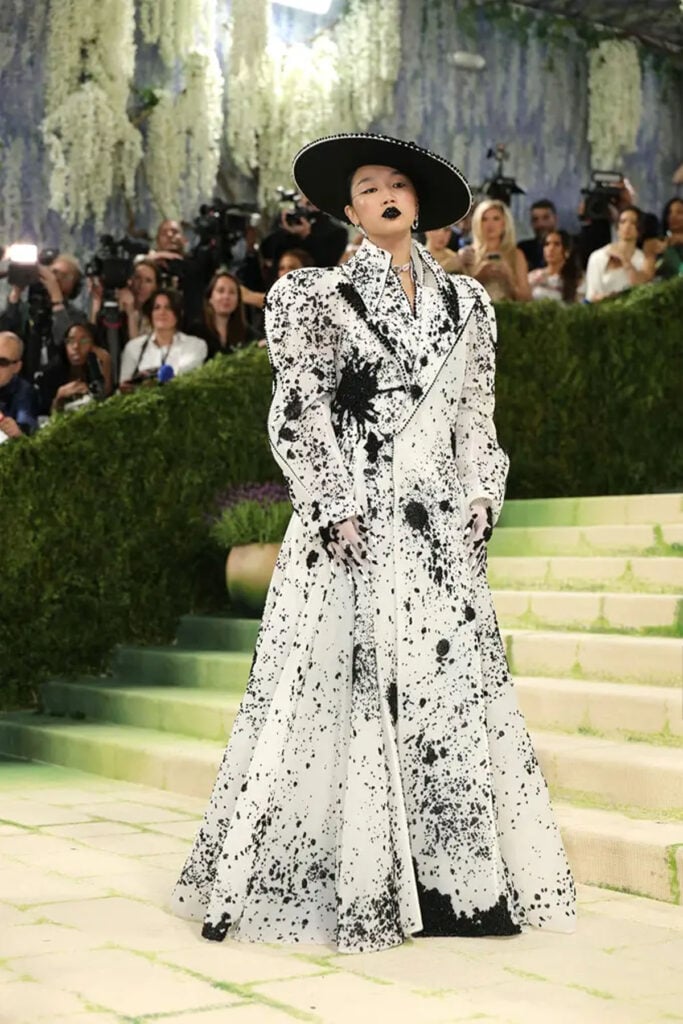
Audrey Nuna, typically known for her association with the structured tailoring of Thom Browne, pivoted to Wun’s Fall 2025 Couture for the 2026 gala. Her look centered on the "Painted Surface," a literal interpretation of the garment-as-canvas concept. The outfit consisted of a sharply tailored white coat-dress, which was subsequently "defaced" with calculated splatters of black paint.
This design choice referenced the act of artistic creation, specifically the moment of the first mark on a blank surface. Unlike random splatters, the placement of the black paint was engineered to highlight the architectural lines of the tailoring, emphasizing the waist and the flare of the hem. The use of a monochrome palette allowed the focus to remain on the texture of the paint and the crispness of the fabric. This look was cited by fashion editors as one of the most successful interpretations of the "medium" aspect of the theme, as it turned the red carpet into an extension of a painter’s studio.
Living Sculpture and the Faceless Figure: Jordan Roth
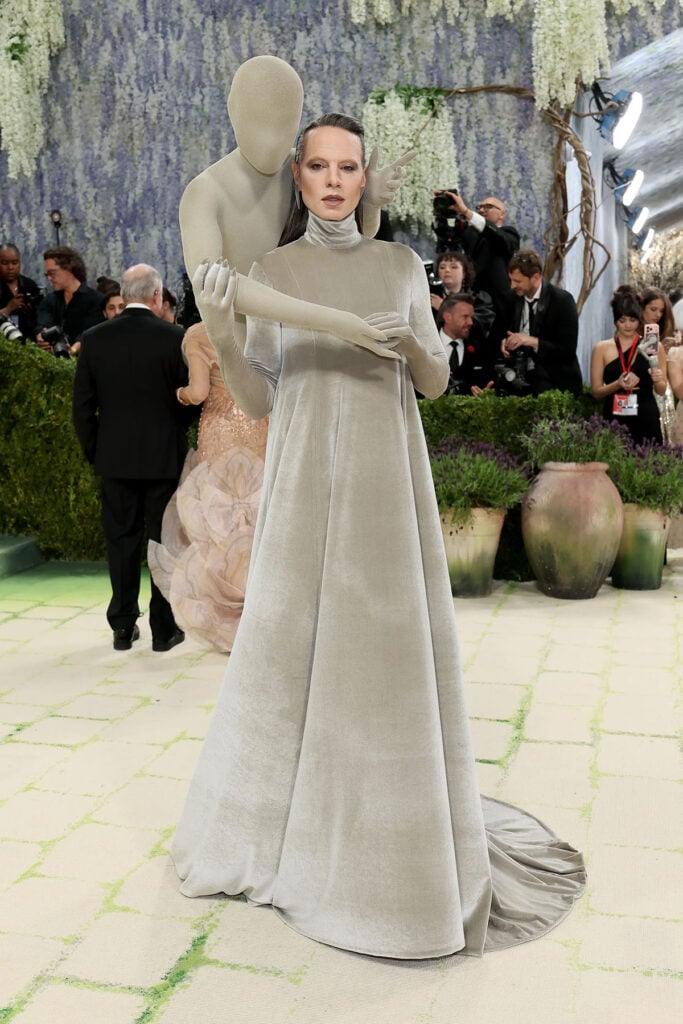
Jordan Roth, a perennial favorite at the Met Gala for his commitment to high-concept fashion, collaborated with Wun on a custom look that challenged the boundaries of the human silhouette. The ensemble featured a monochromatic gown accompanied by a large, sculptural "faceless figure" attached to the wearer’s back and shoulders.
This concept, which Wun has explored in previous collections, positions the garment not just as something worn, but as a parasitic or symbiotic entity. The faceless figure served as both an extension of Roth’s body and a visual interruption, forcing viewers to question where the human ended and the sculpture began. In the context of the Met Museum’s galleries, Roth appeared less like a guest and more like a permanent exhibit. This "living sculpture" approach was a direct response to the "Costume Art" theme, emphasizing that the value of the attire lay in its form and its ability to provoke thought, rather than its utility.
Kinetic Innovation: Nichapat Suphap’s Mechanical Gesture
Perhaps the most technologically advanced contribution from Wun was the custom gown worn by Nichapat Suphap. While the dress initially appeared to be a classic couture construction featuring silver metal hands placed across the bodice and hips, it contained a hidden kinetic element. As Suphap walked, the fingers of the metal hands moved in a slow, rhythmic sequence.
The integration of robotics into haute couture is a burgeoning field, and Wun’s execution was lauded for its subtlety. The mechanical gestures were not jarring or overtly "sci-fi"; instead, they mimicked the gentle, inquisitive movements of human hands. This interactive element added a temporal layer to the fashion—it was a design that could only be fully appreciated in motion. By adding a kinetic dimension, Wun reinforced the idea that fashion is an evolving, responsive form that interacts with the wearer’s movement and the environment.
Chronology of Production and Technical Data
The preparation for Robert Wun’s 2026 Met Gala showing began in late 2025, following the announcement of the theme. According to studio records, the five key looks required a combined total of over 4,500 man-hours to complete.

- September 2025: Initial concept meetings with Lisa and Naomi Osaka.
- November 2025: Prototyping of the kinetic hand mechanisms for Nichapat Suphap.
- January 2026: Finalizing the anatomical sequin mapping for Osaka’s gown.
- March 2026: Final fittings in London and New York.
- May 4, 2026: The unveiling of the collection at the Metropolitan Museum of Art.
The materials used across the collection included 200 meters of specialized silk, 1.5 million individual sequins, and aerospace-grade aluminum for the sculptural armatures. The reliance on independent artisans rather than mass-production techniques underscored the "Couture Art" ethos.
Industry Impact and the Future of Conceptual Couture
The reaction to Robert Wun’s showing was overwhelmingly positive, with fashion critics highlighting the designer’s ability to maintain a singular vision across multiple diverse clients. Vanessa Friedman of The New York Times noted that Wun "succeeded where others failed by providing a narrative thread that linked the human body to the history of art without relying on cliché."
The broader implications of Wun’s success at the 2026 gala suggest a shifting landscape in the fashion industry. As consumers and critics become increasingly weary of "logo-mania" and celebrity-driven branding, there is a growing appetite for designers who offer intellectual depth and technical mastery. Wun’s ability to command the red carpet with concepts—rather than just "looks"—has set a new benchmark for future Costume Institute benefits.
Furthermore, the 2026 gala served as a significant win for Asian representation in high fashion. As a Hong Kong-born designer working in London, Wun’s prominence at the Met Gala highlights the globalized nature of modern couture. By incorporating Thai cultural references and universal anatomical themes, he demonstrated that conceptual fashion can be both deeply personal and globally resonant.

In conclusion, Robert Wun’s contribution to the 2026 Met Gala was more than a series of successful red-carpet moments. It was a rigorous exploration of the garment as a medium of artistic expression. Through the use of sculpture, kinetics, and visceral storytelling, Wun provided a definitive answer to the question of what constitutes "Costume Art" in the 21st century. His work ensured that the evening was remembered not just for the celebrities in attendance, but for the profound ideas they inhabited.