




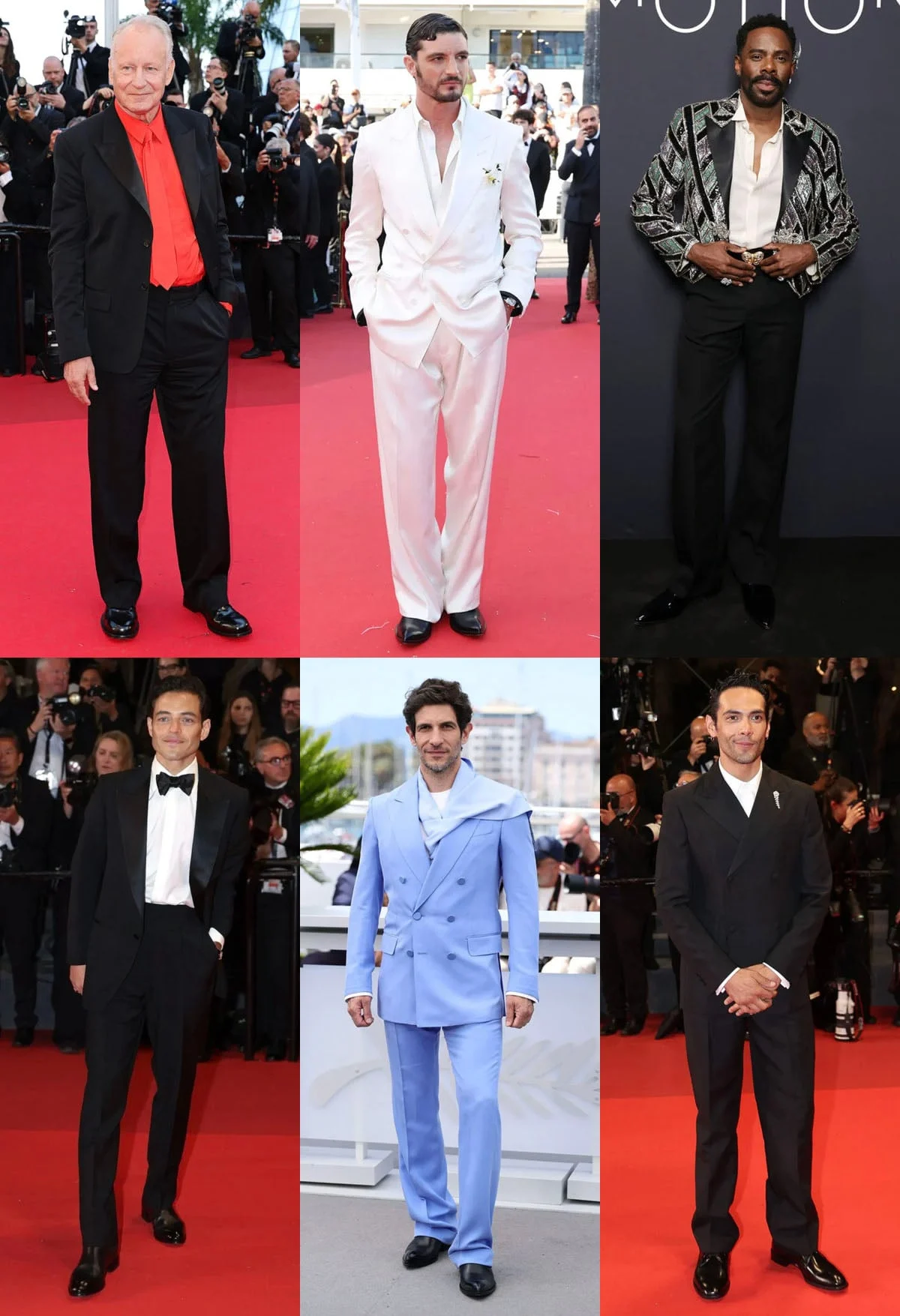
The 77th Cannes Film Festival has served as a pivotal moment for the global fashion industry, marking a significant shift in the trajectory of masculine sartorial expression as leading luxury houses utilized the red carpet to debut their latest collections. This year’s festivities highlighted a diverse array of aesthetic philosophies, ranging from the subversive minimalism of Balenciaga to the revitalized heritage of Gucci under new creative direction. The presence of high-profile actors and global ambassadors, including Felix of Stray Kids, Sebastian Stan, and Colman Domingo, underscores the increasingly symbiotic relationship between the cinematic arts and the multi-billion-dollar luxury apparel market. As the festival progressed, the red carpet became a live gallery for the industry’s most influential designers, reflecting broader cultural shifts toward gender fluidity, historical reverence, and the modernization of the traditional tuxedo.
The Strategic Convergence of Cinema and Couture
The integration of high fashion into the Cannes Film Festival is not merely a matter of aesthetic preference but a calculated business strategy employed by conglomerates such as LVMH, Kering, and Richemont. By dressing prominent figures like Jeremy Pope and Sebastian Stan in Gucci, the Kering group seeks to solidify the brand’s new identity under Creative Director Sabato De Sarno. This transition from the maximalism of the previous era to a more streamlined, "Gucci Ancora" aesthetic was on full display throughout the festival.
Similarly, the choice of Louis Vuitton to dress a diverse roster of talent, including Niels Schneider, Diego Calva, and global ambassador Felix, demonstrates the brand’s commitment to a multifaceted vision of masculinity. Under the creative leadership of Pharrell Williams for menswear, Louis Vuitton has leaned heavily into the intersection of streetwear sensibilities and high-luxury craftsmanship. The visibility of these garments at an event with the prestige of Cannes provides a global platform that traditional advertising cannot replicate, generating hundreds of millions of dollars in Media Impact Value (MIV).
Chronology of Red Carpet Highlights
The 2024 festival saw a structured rollout of fashion statements that aligned with the premieres of some of the year’s most anticipated films. The timeline of these appearances provides insight into how brands coordinate with film studios to maximize exposure.
Opening Days: The Return of Classicism
In the initial days of the festival, the focus remained on refined silhouettes and the reinterpretation of classic evening wear. Jeremy Pope and Sebastian Stan, both appearing for the premiere of The Apprentice, showcased Gucci’s latest vision. Pope’s ensemble emphasized architectural precision, while Stan’s look leaned into a sophisticated, understated elegance that signaled a departure from the more eccentric red carpet trends of recent years.
Mid-Festival: Bold Experiments and Artistic Collaborations
As the festival reached its midpoint, the sartorial choices became more experimental. Harris Dickinson, representing the film Bird, appeared in Balenciaga. The choice of Balenciaga reflects a move toward oversized proportions and a deconstruction of formal wear that has become a hallmark of Demna’s tenure at the house. This was contrasted by Colman Domingo’s appearance in Valentino, which emphasized vibrant color theory and fluid tailoring, reinforcing Domingo’s reputation as one of the most adventurous men in modern Hollywood fashion.
The Final Stretch: Global Ambassadors and Directorial Style
The latter half of the festival was dominated by the arrival of global icons. Felix, a member of the K-pop group Stray Kids and a Louis Vuitton ambassador, drew significant crowds and social media engagement. His appearance in Louis Vuitton was a masterclass in modern luxury, blending youthful energy with the house’s storied heritage. Simultaneously, legendary director Pedro Almodóvar chose Loewe, a brand with which he has a long-standing creative affinity. Designed by Jonathan Anderson, Almodóvar’s Loewe look was a testament to the brand’s commitment to artistic integrity and Spanish craftsmanship.
Supporting Data: The Economic Power of the Red Carpet
The impact of these fashion choices is measurable through various data points that track consumer interest and brand equity. According to recent market analysis reports, the "Cannes Effect" can lead to a 40% increase in social media engagement for a brand within 24 hours of a major red carpet appearance.
- Media Impact Value (MIV): For luxury houses like Louis Vuitton and Dior, the presence of ambassadors like Felix and Tom Sturridge can generate MIV exceeding $10 million per event. Felix, in particular, represents a bridge to the Asian market, which currently accounts for a significant portion of global luxury growth.
- Search Trends: Data from fashion discovery platforms indicates that searches for "Zegna evening wear" spiked following Rami Malek’s appearance in the brand. Zegna’s focus on "Luxury Leisurewear" and high-end tailoring has resonated with a demographic looking for understated yet impeccably crafted garments.
- Sustainability Metrics: Several brands featured, including Saint Laurent (worn by Luther Ford) and Loewe (worn by Stellan Skarsgård), have integrated more sustainable sourcing into their red carpet pieces. The use of deadstock fabrics and ethical wool has become a talking point for PR teams looking to align brand identity with contemporary environmental values.
Analysis of Brand Strategies and Designer Philosophies
The 2024 selection of garments reveals distinct strategies among the world’s leading fashion houses. Each brand utilized its celebrity partners to communicate a specific message to the global audience.
Gucci: The De Sarno Era
By dressing Jeremy Pope and Sebastian Stan, Gucci signaled a commitment to "real-life" luxury. The garments focused on fit, fabric quality, and subtle branding, moving away from the logo-heavy designs of the past decade. This pivot is intended to attract a more mature, affluent consumer while maintaining the brand’s cultural relevance.
Louis Vuitton: Diversity and Dominance
Louis Vuitton’s strategy involved a "blanket" approach, dressing talent across different age groups and cultural backgrounds. Niels Schneider and Diego Calva represented the European and Latin American cinematic markets, respectively, while Felix catered to the global music and youth culture demographic. This ensures that Louis Vuitton remains the most visible brand at the festival.
Loewe and the Intellectual Aesthetic
Pedro Almodóvar and Stellan Skarsgård in Loewe represent the "intellectual" side of fashion. Under Jonathan Anderson, Loewe has become synonymous with craft and surrealism. By choosing respected figures in the film industry, the brand positions itself as the choice for the creative elite, rather than the purely commercial celebrity.
Dior and Zegna: The Masters of Tailoring
Tom Sturridge in Dior and Rami Malek in Zegna highlighted the enduring importance of the "perfect suit." Kim Jones at Dior continues to blend military influences with soft tailoring, while Zegna remains the gold standard for fabric innovation. Their presence at Cannes reinforces the idea that, despite the rise of casual wear, the tuxedo remains the ultimate symbol of cinematic prestige.
Official Responses and Industry Reactions
While fashion houses rarely issue formal press releases regarding individual red carpet looks during the event, the industry’s reaction can be gauged through the statements of creative directors and stylists.
Industry insiders note that the coordination between a star’s stylist and a brand’s PR team begins months in advance. "The goal is to create a narrative that fits both the actor’s personal brand and the fashion house’s current season," stated one anonymous celebrity stylist working at the festival. "When you see someone like Harris Dickinson in Balenciaga, it’s a statement about his willingness to take risks, which mirrors the roles he takes on screen."
Furthermore, the "Valentin" (Valentino) appearance of Colman Domingo was widely praised by fashion critics for its use of color, which stood out against the sea of black and navy blue. Critics from major fashion publications noted that Valentino’s ability to inject personality into menswear is a key driver of the brand’s current success in the North American market.
Broader Impact and Future Implications
The trends observed at the 77th Cannes Film Festival are expected to influence menswear retail for the upcoming autumn/winter season. Several key takeaways will likely filter down from the red carpet to premium and mass-market fashion:
- The Relaxation of the Silhouette: The oversized looks seen on Harris Dickinson and the fluid fabrics worn by Colman Domingo suggest a move away from the "slim-fit" dominance of the 2010s.
- The Rise of the "Niche" Luxury Brand: While Louis Vuitton and Gucci remain dominant, the visibility of brands like Tom Ford (worn by Quim Gutierrez and Niels Schneider) and Saint Laurent (worn by Luther Ford) shows that there is significant room for brands that specialize in a specific "vibe"—whether it be Tom Ford’s high-octane glamour or Saint Laurent’s rock-and-roll chic.
- The K-Pop Influence: The massive presence of fans for Felix of Stray Kids confirms that the future of luxury fashion marketing lies in the hands of global music icons. These stars bring a level of engagement that traditional actors often cannot match, leading to a "sold-out" effect for the specific items they wear.
In conclusion, the 77th Cannes Film Festival provided a comprehensive look at the state of menswear in 2024. Through the lens of high-profile attendees like Rami Malek, Sebastian Stan, and Felix, the industry witnessed a celebration of both tradition and transformation. As the lines between cinema, celebrity, and commerce continue to blur, the red carpet at Cannes remains the most important stage for the world’s leading fashion houses to define the modern man.