




The global wedding industry is currently undergoing a fundamental transformation as consumer behavior shifts from mass-market celebrations toward highly personalized, high-value events. In response to this changing landscape, the prominent wedding platform Love My Dress has announced the re-introduction of its Curated Wedding Directory. This strategic move emphasizes human-led vetting and editorial integrity over the algorithmic volume that has come to define modern digital marketplaces. By prioritizing trust and personal recommendation, the directory seeks to bridge the gap between discerning couples and elite suppliers who specialize in bespoke, emotionally resonant services.
The Macro-Economic Context: Quality Over Quantity in the Modern Wedding Market
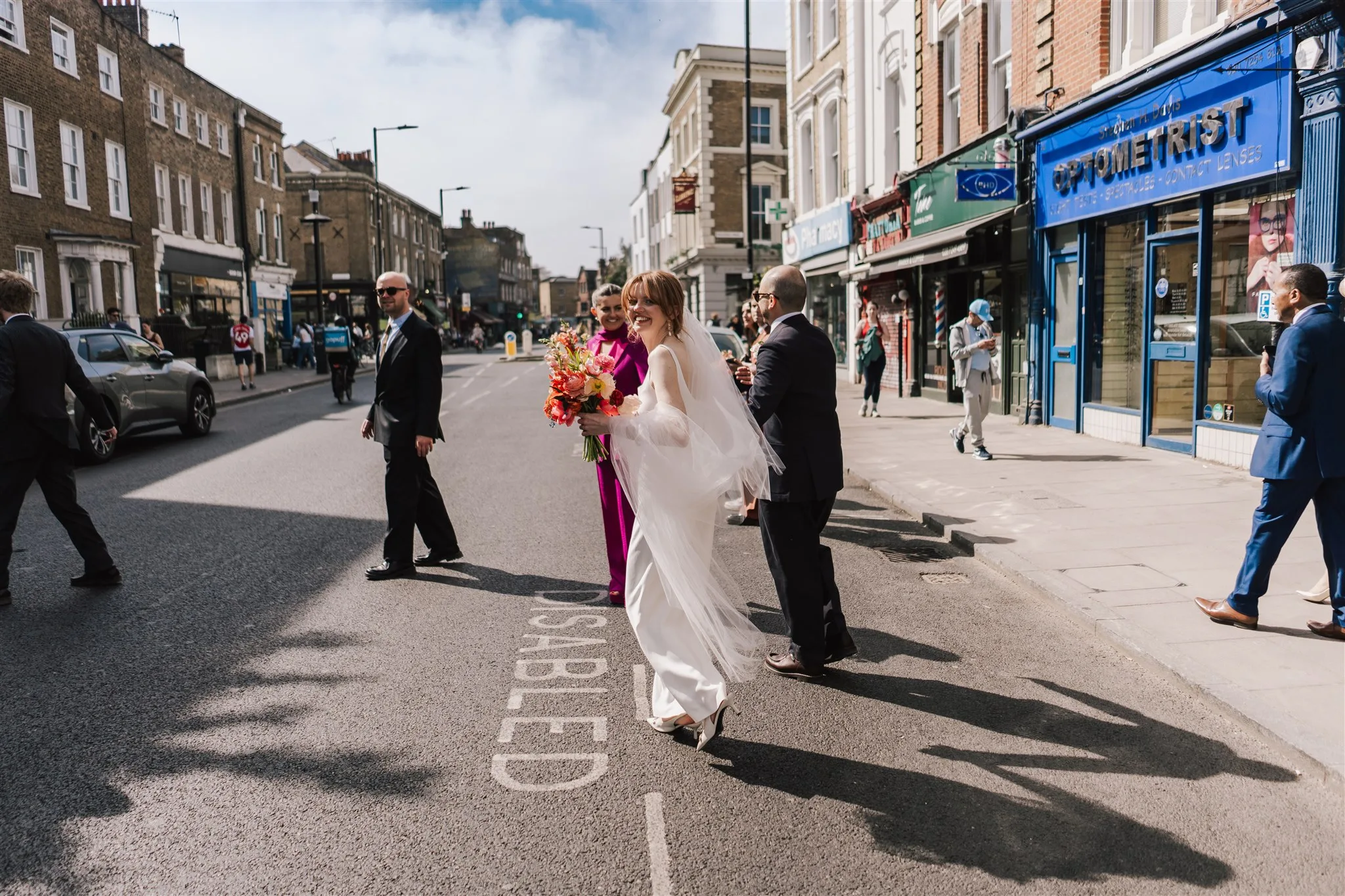
Recent data from the wedding industry indicates a paradoxical trend: while the total number of marriages in several Western territories has seen a gradual decline or stabilization, the average expenditure per wedding is rising. According to industry analysts, modern couples are increasingly opting for "considered celebrations." This involves smaller guest lists but a higher allocation of funds toward premium services, such as artisanal photography, ethical fashion, and immersive venue experiences.
This shift represents a departure from the traditional "package wedding" model. Instead, couples are acting as creative directors of their own events, seeking out vendors whose brand values align with their own. The relaunch of the Curated Wedding Directory is positioned as a direct response to this "value-driven" market. By limiting the number of listings and ensuring each business is personally reviewed, the platform aims to eliminate the "decision fatigue" often associated with larger, unvetted directories.
A Chronology of Curation: From Blog to Trusted Ecosystem
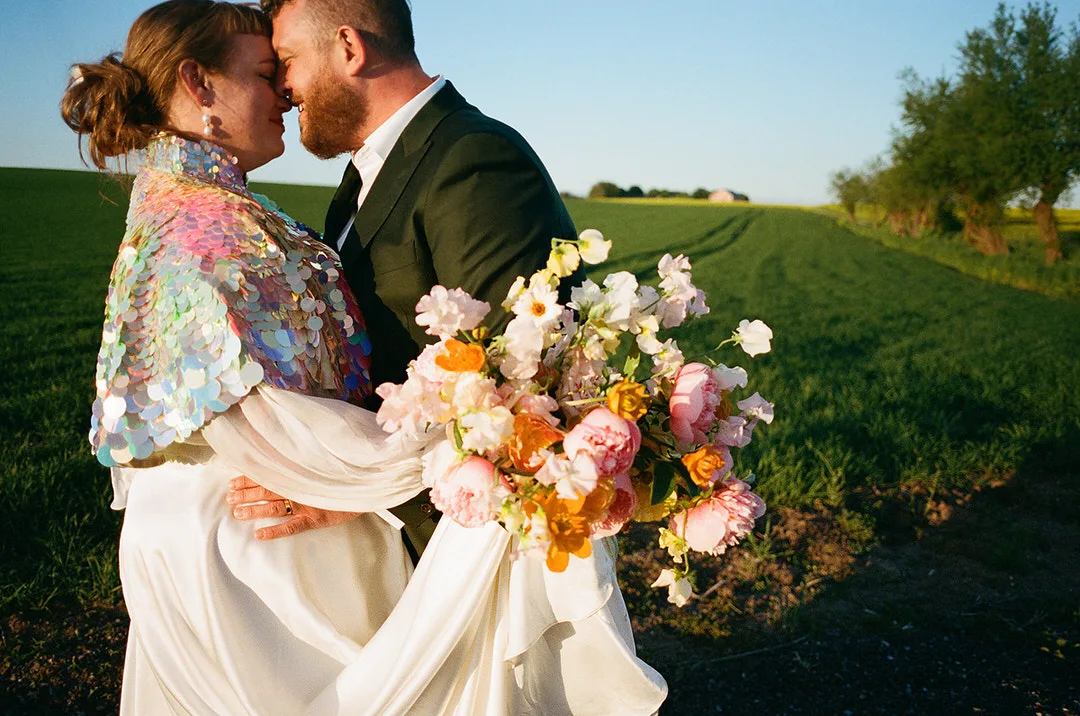
The evolution of the Love My Dress directory reflects the broader history of the digital wedding space. Founded over a decade ago as a bridal blog, the platform originally focused on storytelling and visual inspiration. As the community grew, the need for a reliable database of suppliers became evident.
- Phase One: The Inspiration Era (2010–2015): The focus was primarily on "Real Weddings," where couples shared their stories. Suppliers were mentioned organically, creating an informal network of trusted names.
- Phase Two: The Directory Launch (2015–2020): A formal directory was established to categorize photographers, florists, and venues. Unlike competitors who used "pay-to-play" models with no quality control, Love My Dress maintained a selective entry policy.
- Phase Three: The Digital Saturation Response (2021–Present): Following the post-pandemic wedding boom, the market became saturated with new vendors and AI-driven planning tools. The 2024–2025 relaunch represents a return to "slow curation," where every application is manually reviewed by the platform’s founder, Annabel Beeforth.
This chronology highlights a commitment to maintaining a boutique feel in an increasingly automated world. The directory’s relaunch is not merely a technical update but a reaffirmation of a business model centered on editorial gatekeeping.
The Human Element vs. Algorithmic Planning
A significant development in the past 12 months is the rapid integration of Artificial Intelligence (AI) in wedding planning. Statistics show that AI usage for early-stage inspiration and logistical management has nearly doubled within the space of a single year. However, market research suggests a "trust ceiling" regarding AI; while couples use algorithms for spreadsheets and mood boards, they remain wary of using them to select high-stakes vendors like photographers or celebrants.
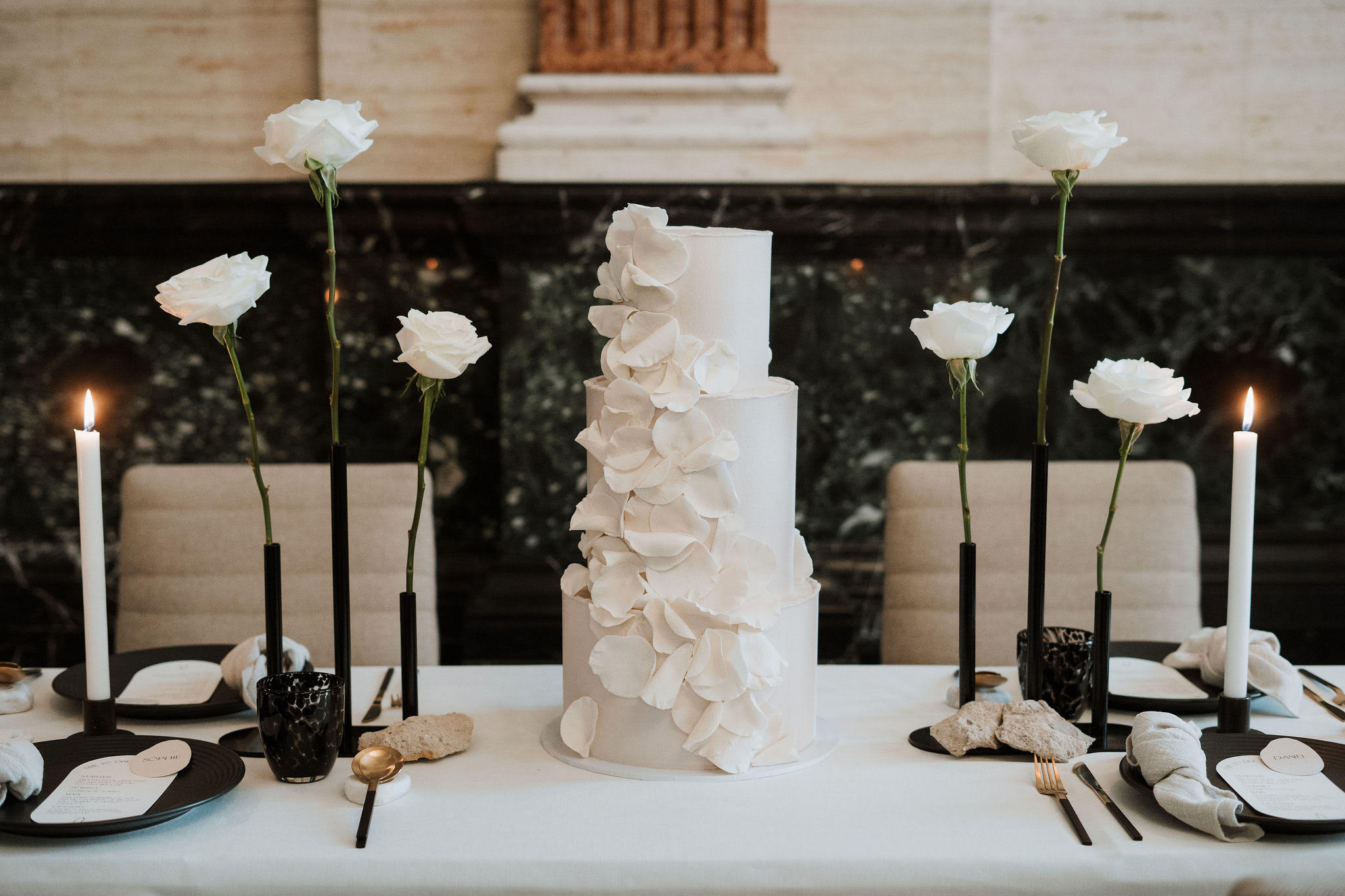
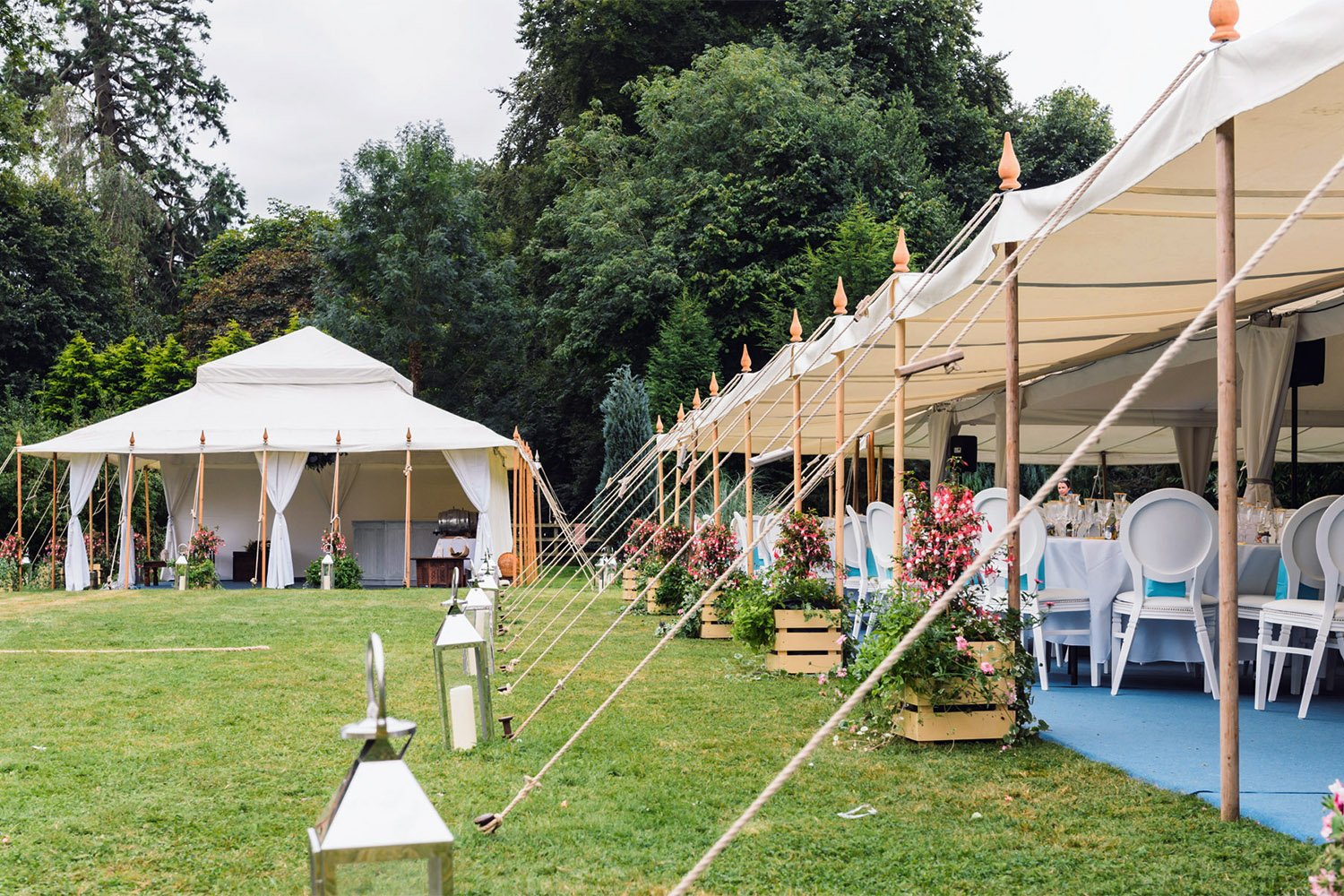
The Curated Wedding Directory leverages this preference for human judgment. By emphasizing that every business—from the modern aesthetics of Bloom Bakehouse to the luxury marquee offerings of Arabian Tents—has been vetted by a person rather than a program, the platform provides a layer of security that automated sites cannot replicate. This "human-led" approach is a calculated counter-movement to the rise of impersonal marketplaces that prioritize search engine optimization (SEO) over the actual quality of service.
Strategic Supplier Spotlights: A Diverse Ecosystem of Excellence
The directory’s strength lies in its diverse yet cohesive selection of vendors. The relaunch highlights several key categories that reflect current consumer priorities:
Ethical and Bespoke Fashion
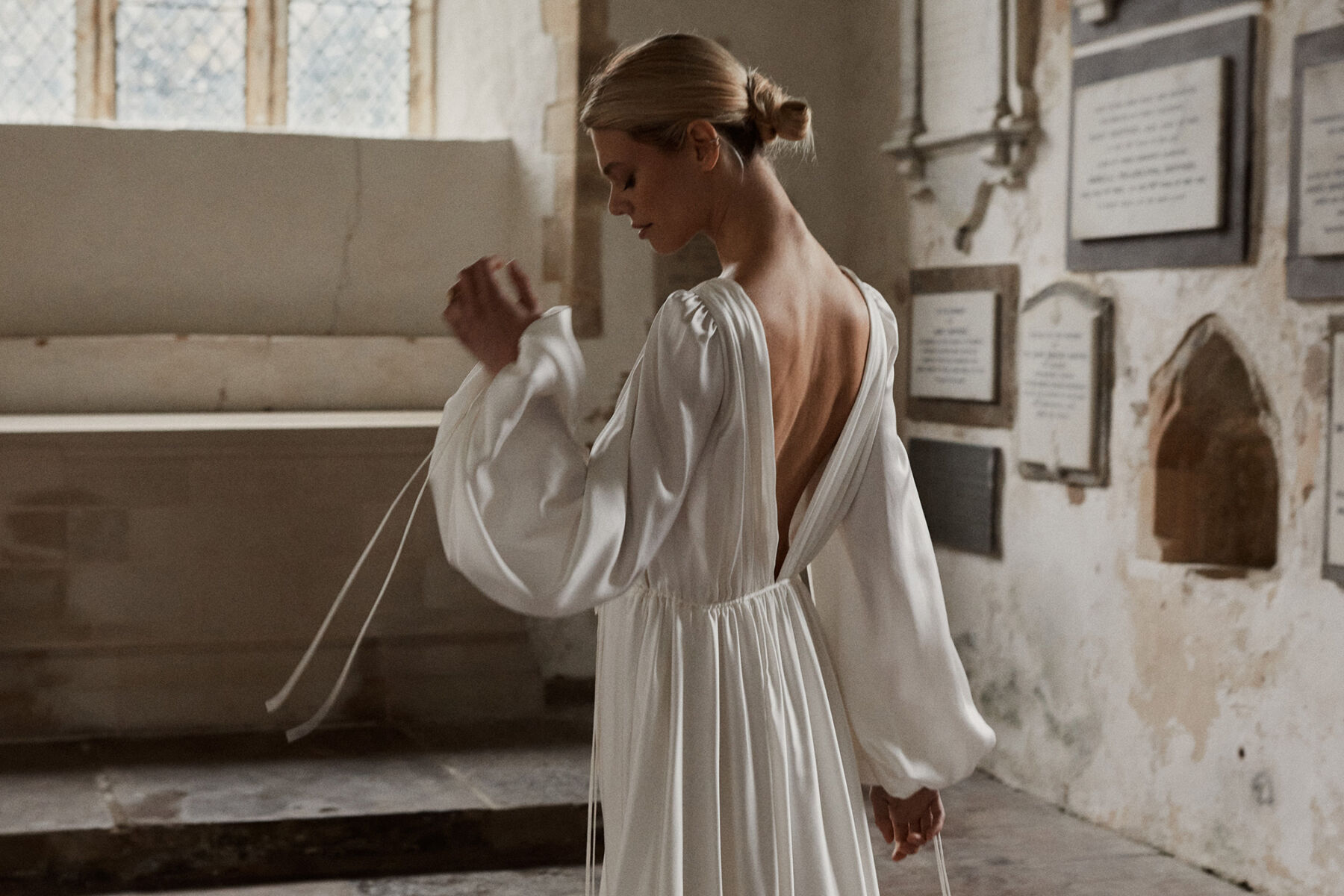
The modern bride is increasingly concerned with the provenance of her attire. Suppliers like Luna Bea Bride, which focuses on pure silk and ethical production, and Shell Belle Couture, known for luxury bridal lingerie, represent the directory’s move toward sustainability and craftsmanship. This focus on "slow fashion" appeals to a demographic that rejects the environmental impact of mass-produced bridal wear.

Artisanal Photography and Documentation
In an era of smartphone ubiquity, professional photography has become more about "feeling" than just "recording." Lisa Jane Photography and Bowl of Corks are cited as examples of the directory’s commitment to artists who offer a distinct, moving perspective. These vendors are selected based on their ability to provide a narrative-driven experience, a key requirement for couples investing in high-end documentation.
Tactile and Immersive Details
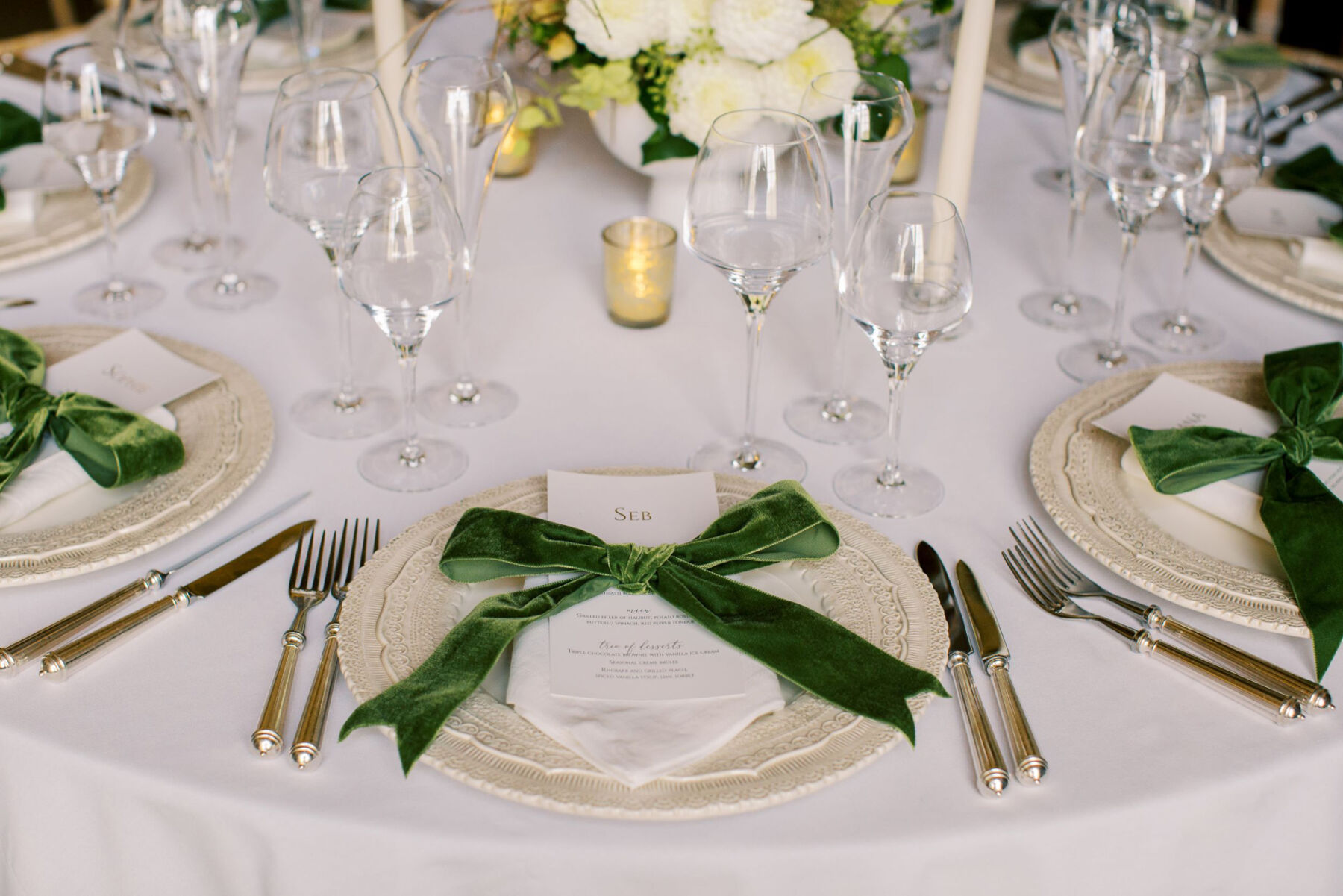
The trend of "meaningful decor" is represented by businesses such as The Embroidered Napkin Company and Debbie Carlisle. These suppliers focus on the tactile elements of a wedding—textiles and hand-crafted headpieces—that contribute to the sensory experience of the guests. By including these niche artisans, the directory caters to the "micro-detail" trend prevalent in luxury weddings.
Analysis of Implications: The Future of Wedding Directories
The relaunch of a curated, trust-based directory has several implications for the wider wedding industry. First, it sets a benchmark for "integrity-based marketing." In a landscape where fake reviews and "bought" rankings are common, a directory that prides itself on personal rejection of sub-par applications gains significant brand equity.
Second, it signals a shift in how wedding businesses must market themselves. Vendors can no longer rely solely on high-volume lead generation sites. Instead, there is a growing necessity to be associated with "prestige platforms" that offer a reflected glow of trustworthiness. For a business like a Cotswolds-based bakery or a London-based boutique, being listed in a curated directory acts as a de facto seal of approval.
Official Responses and Operational Model
Platform founder Annabel Beeforth has been vocal about the personal nature of the directory’s operations. "Every application that comes in is read by me," Beeforth stated, emphasizing that the integrity of the directory depends on personal judgment remaining at the center of the process. This operational model is rare in a digital economy that favors scalability. By refusing to automate the application process, the platform maintains a "quality floor" that ensures only businesses with proven track records and aesthetic alignment are admitted.
For the vendors, the directory offers more than just a listing; it provides a direct line of communication to a highly engaged, targeted audience. The inclusion of special offers for readers and the ability for users to save favorites to a personal dashboard creates a "sticky" ecosystem where couples spend significant time researching before making a commitment.

User Experience and Technical Enhancements
While the philosophy of the directory is rooted in traditional trust, the technical delivery is modern and user-centric. The relaunch includes several features designed to streamline the planning process:
- Personal Dashboards: Users can create free accounts to save supplier recommendations, real wedding inspiration, and ceremony readings in one centralized location.
- Integrated Contact Forms: To reduce friction, the directory allows couples to inquire about pricing and availability directly through the platform, ensuring a seamless transition from discovery to booking.
- Cross-Category Integration: The directory is linked to the platform’s "Real Weddings" section, allowing couples to see suppliers’ work in action before reaching out.
Conclusion: The Enduring Value of Trust
The re-introduction of the Curated Wedding Directory by Love My Dress is a significant event in the 2025 wedding market. It serves as a case study in how niche media platforms can survive and thrive in the age of AI by doubling down on human expertise and editorial standards. As the "less is more" philosophy continues to dominate the luxury and mid-market wedding sectors, the demand for trusted intermediaries will only grow.

By positioning trust as the "new currency," the directory addresses the primary pain point of modern wedding planning: the overwhelming and often unreliable nature of digital choice. For the wedding industry, this move reinforces the idea that while technology can assist with the logistics of an event, the emotional and financial significance of a wedding requires a human touch to navigate successfully. The directory stands not just as a list of names, but as a curated community of professionals dedicated to the highest standards of the craft.