









SPARTANBURG, S.C. — Polartec, a Milliken & Company brand and a global leader in advanced performance textiles, has officially introduced the next generation of its flagship Polartec Alpha active insulation. This latest iteration, characterized by a patent-pending construction, marks a significant technological leap in the textile industry by enhancing structural durability and design versatility while strictly preserving the breathability and thermoregulation capabilities that have established Alpha as the industry standard for high-exertion apparel.
The announcement, made on October 13, 2026, signals a strategic pivot for the Spartanburg-based firm as it responds to the shifting demands of the outdoor, endurance, and lifestyle markets. By re-engineering the fabric’s architecture, Polartec aims to address the long-standing tension between the need for robust, snag-resistant materials and the desire for high-performance moisture management.
The Genesis of Active Insulation
To understand the significance of this development, one must examine the origins of Polartec Alpha. Initially conceptualized for the rigorous requirements of special operations and military personnel, the technology was born out of an extreme performance challenge: how to provide thermal insulation for users transitioning rapidly between periods of high-intensity exertion and static recovery in sub-zero environments.
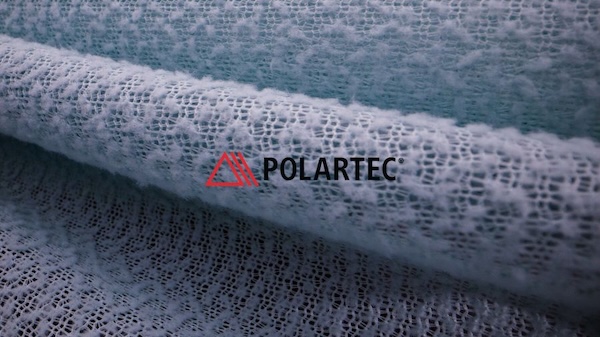
Before the introduction of Alpha, traditional insulation systems—typically comprised of down or high-loft synthetic fibers—often failed to manage moisture effectively during activity. These materials were designed primarily to trap heat; when a user began to sweat, the insulation would become saturated, leading to a loss of thermal efficiency and significant discomfort. Polartec engineers departed from this paradigm by creating an open, lofted, and highly breathable construction. This design allowed for a consistent airflow, enabling moisture vapor to escape while maintaining sufficient thermal mass to prevent heat loss during periods of inactivity.
This "dynamic" approach to thermal regulation effectively birthed an entirely new product category: active insulation. Over the last decade, the technology migrated from military gear into the consumer sector, fundamentally altering how apparel designers approach the challenges of cold-weather endurance sports.
Chronology of Innovation and Evolution
The trajectory of Polartec Alpha has been marked by iterative progress:
- 2013-2014: Polartec Alpha is introduced to the commercial market, disrupting the dominance of static insulation in the mountaineering and ski sectors.
- 2016-2019: Adoption broadens as endurance athletes, particularly trail runners and high-altitude climbers, integrate Alpha into their layering systems to eliminate the need for constant wardrobe changes during activity.
- 2020-2023: Designers begin experimenting with Alpha in lifestyle and commuter apparel, testing its limits in diverse climates and aesthetic applications.
- 2024-2025: Polartec initiates a four-year, intensive R&D cycle, collaborating with leading global brands to address consumer feedback regarding durability, shedding, and structural integrity.
- October 2026: The next generation of Polartec Alpha is launched, featuring a new patent-pending construction designed for improved resilience and aesthetic versatility.
Engineering Advancements: The Patent-Pending Construction
The primary engineering hurdle for the development team was the "durability gap." While the original Alpha was exceptional in terms of breathability, its open-knit structure made it susceptible to snagging and fiber migration (shedding) when utilized as a standalone or outer layer.
The new iteration utilizes a revised construction method that strengthens the base fabric. By optimizing the fiber-to-air ratio and reinforcing the structural web, Polartec has successfully increased resistance to mechanical stress. Crucially, internal testing confirms that this modification does not impede the thermodynamic properties of the material. The fabric maintains its signature airflow, high compressibility, and rapid-drying capabilities, ensuring that it remains lightweight and effective in a wide variety of environmental conditions.
Market Adoption and Strategic Partnerships
The industry’s response to the new platform has been immediate. More than eleven global brands are currently preparing to integrate the new material into their Fall/Winter 2026 product lines. This breadth of adoption underscores a market-wide shift toward apparel that can perform across a spectrum of intensity levels.
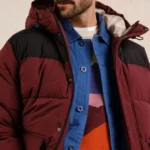
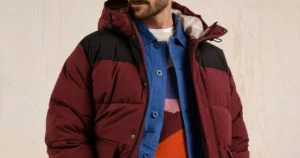
Patagonia, a long-standing partner of Polartec dating back to the foundational development of synthetic fleece, is scheduled to debut an exclusive style featuring the new insulation in November 2026. Other prominent brands confirmed for the initial rollout include Ornot, Purple Mountain Observatory, Senchi Designs, Farpointe, and Goldwin.
Industry analysts note that this high-profile adoption rate is a testament to the versatility of the updated platform. By offering the material in a wider range of weights and textures, Polartec is enabling designers to utilize the fabric not just as an internal liner, but as a visible, high-performance exterior layer—an evolution that bridges the gap between technical utility and modern aesthetic requirements.
Leadership Perspectives
Karen Beattie, Director of Product Management at Polartec, emphasized the collaborative nature of the development process. "The evolution of Polartec Alpha is a great example of what happens when we listen closely to our partners and observe how a technology is actually being used," Beattie stated. "Our challenge was to make Alpha more durable and versatile without sacrificing the structure responsible for its performance. The patent-pending construction allows us to preserve what people value about Alpha while giving designers a stronger and more adaptable platform for what comes next."
Ramesh Kesh, Senior Vice President for Innovation at Milliken & Company and Business Manager at Polartec, contextualized the release within the broader framework of human physiology. "Alpha began by solving an extreme problem: how do you keep someone warm without trapping the heat and moisture generated when they are working hard?" Kesh observed. "That challenge is as relevant on a mountain, a trail, or a daily commute as it is in military environments. Human performance is dynamic. Intensity changes. Conditions change. Alpha was designed to respond."
Kesh further added that the market is moving away from the traditional concept of "insulation as a static heat trap." The future of performance apparel, he noted, is predicated on the ability to manage warmth dynamically as users traverse varying activity levels and climates.
Broader Impact and Implications for the Textile Industry
The introduction of this next-generation material has significant implications for the global performance textile market. As consumers demand more versatility from their clothing—the "do-it-all" garment—manufacturers are under pressure to produce materials that are not only durable but also environmentally conscious and adaptable.
By increasing the lifespan of the garment through improved durability, Polartec’s new construction may also contribute to sustainability goals, as longer-lasting products reduce the frequency of replacement and lower the overall carbon footprint of apparel lifecycles. Furthermore, the ability to utilize a single material for both insulation and outer-shell applications allows for the development of "monomaterial" garments. Such designs are significantly easier to recycle at the end of their lifecycle compared to complex, multi-material blends, marking a subtle but important step toward circularity in the outdoor industry.
As the outdoor apparel sector continues to grapple with the demands of a changing climate and a more active, urban-dwelling demographic, the focus on dynamic thermoregulation is likely to intensify. Polartec’s latest innovation suggests that the next phase of textile development will be defined by intelligent architecture—materials that act as an extension of the wearer’s own thermal management system. With its established history of innovation and a clear roadmap for future integration, Polartec appears well-positioned to maintain its leadership in the performance insulation category as it heads into the 2027 season and beyond.