
The release of the Pinterest 2026 Wedding Trends Report has provided a comprehensive overview of the shifting priorities within the global wedding industry, highlighting a significant move away from standardized aesthetics toward highly personalized, atmosphere-driven celebrations. As a primary driver of visual culture in the bridal sector, Pinterest recorded more than 7 billion wedding-related searches and 16.7 billion wedding ideas saved globally over the past year. This data underscores the platform’s role as a leading indicator of consumer behavior and industry direction. The 2026 report suggests that the modern couple is increasingly prioritizing "feeling" and "connection" over traditional, one-size-fits-all rituals, signaling a broader cultural reclamation of the wedding as a lived, rather than merely viewed, experience.
The Strategic Role of Trend Forecasting in the Wedding Industry
Trend reports serve as vital tools for platforms like Pinterest to maintain cultural relevance and drive user engagement. By feeding the cycle of inspiration and discovery, these reports reinforce the platform’s position as the central hub for wedding planning. However, the 2026 report indicates a maturation of the user base. While previous years focused heavily on "Pinterest-perfect" visual consistency, the current data points toward a desire for weddings that reflect real-life personalities and emotional truths. This shift suggests that couples are using digital tools not just to replicate existing styles, but to gain the confidence to reshape traditions to fit their specific narratives.
Industry analysts observe that this evolution is a response to "wedding fatigue"—a phenomenon where highly stylized, repetitive content has led consumers to seek more authentic and less performative celebrations. The report highlights that unconventional weddings are gaining traction because they allow couples to reflect their identities more fully. This is not a rejection of tradition in its entirety, but rather a sophisticated reimagining of ceremony and ritual for a modern context.
Chronology of the Wedding Experience: The Before I Do Movement
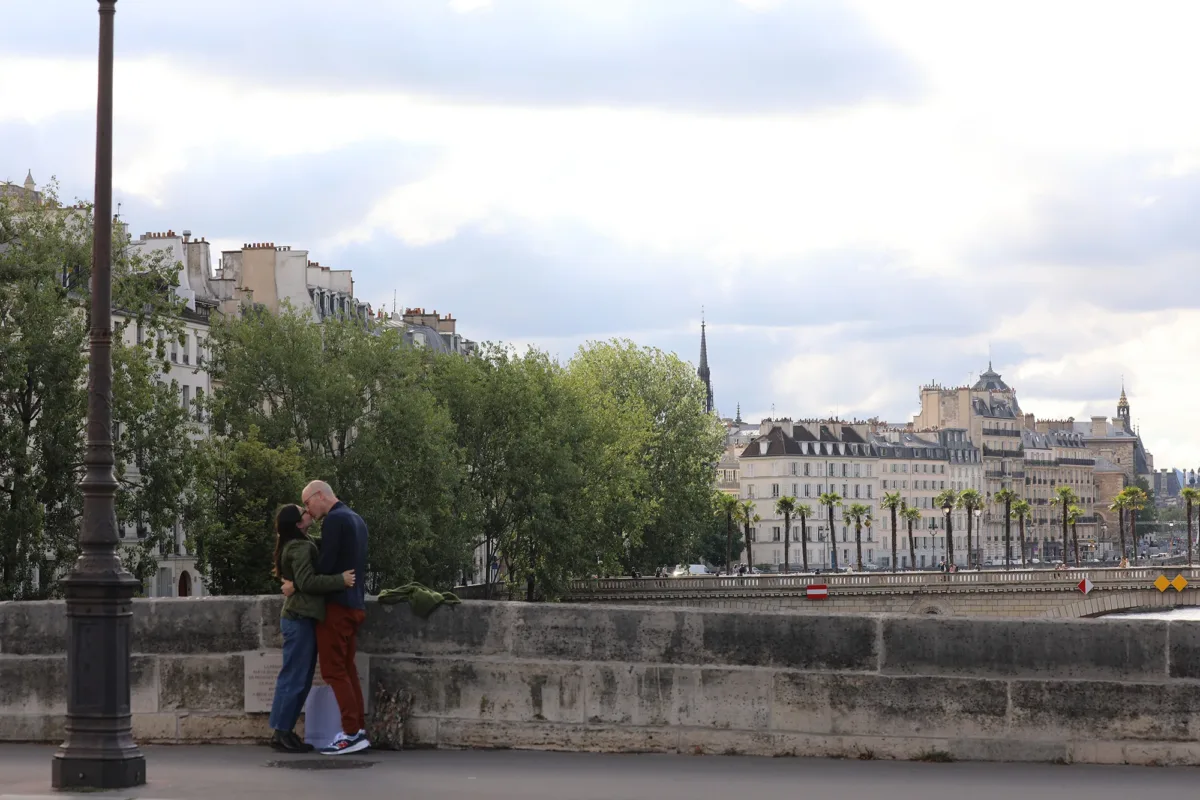
A notable development in the 2026 report is the expansion of the wedding timeline. Pinterest has identified a burgeoning movement termed "Before I Do," where the focus of inspiration extends significantly into the engagement period. Historically, wedding planning was centered primarily on the ceremony and reception. The new data shows a surge in interest for curated engagement experiences, including specific searches for intimate date nights, café-based photography sessions, and "wish cards" for guests to fill out long before the wedding day.
This trend suggests that the wedding experience is no longer viewed as a single-day event but as a continuous journey that begins with the proposal. By emphasizing rituals like candid engagement shoots in familiar locations, couples are integrating the planning process into their daily lives. This approach reduces the pressure of the "checklist" mentality and fosters a softer, more emotionally connected lead-up to the nuptials.
The Reclamation of Analogue Rituals and the Ceremony Index
One of the most significant analytical takeaways from the 2026 report is the renewed focus on "ceremony" in its most human and physical sense. Data suggests that couples are moving away from events designed specifically for online impact—often described as "flattened visual content"—toward immersive, analogue experiences. This aligns with findings from Chelsea Eileen Jackson’s The Ceremony Index, which posits that weddings are becoming one of the few remaining spaces in modern life for collective, real-time witnessing.
The report identifies a growing appetite for details that require physical presence and active participation. Handwritten vows, candlelight-only ceremonies, and live music heard only once in a specific room are becoming preferred over highly polished, digitally optimized elements. This trend reflects a desire for "presence over performance," where the value of the wedding lies in the shared memory of those in the room rather than the number of likes garnered on social media.
Bridal Fashion Evolution: Modular Romance and Historical Revival
The fashion data within the Pinterest 2026 report reveals a complex blend of nostalgia and modern functionality. Search volume for specific bridal silhouettes and accessories has seen dramatic increases:
- Drop waist corset wedding dresses: +1,405%
- 1980s-inspired wedding dresses: Significant upward trend
- Opalite aesthetic: +2,710%
- Lace wedding gloves and cape veils: Continued growth in interest
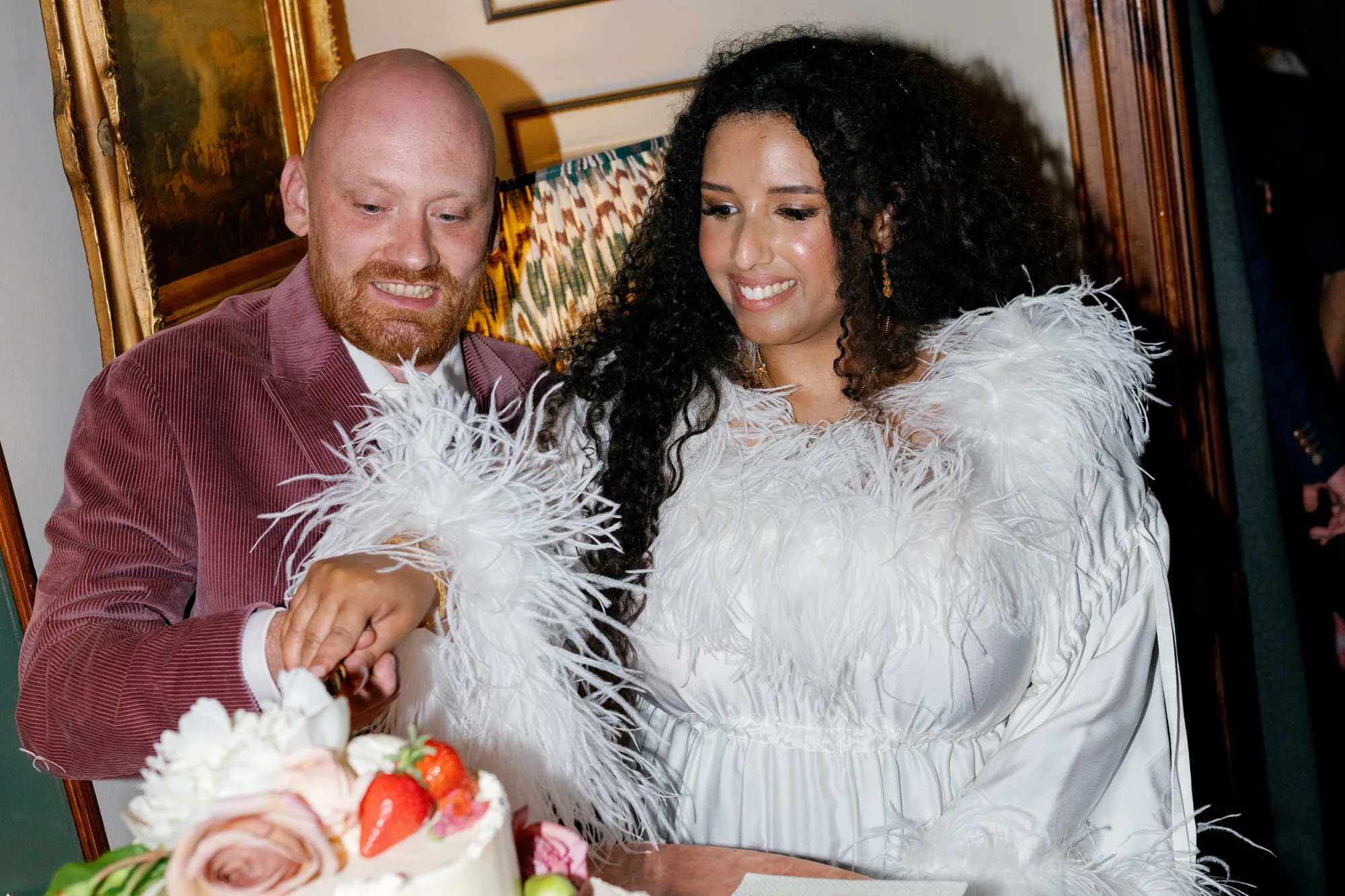
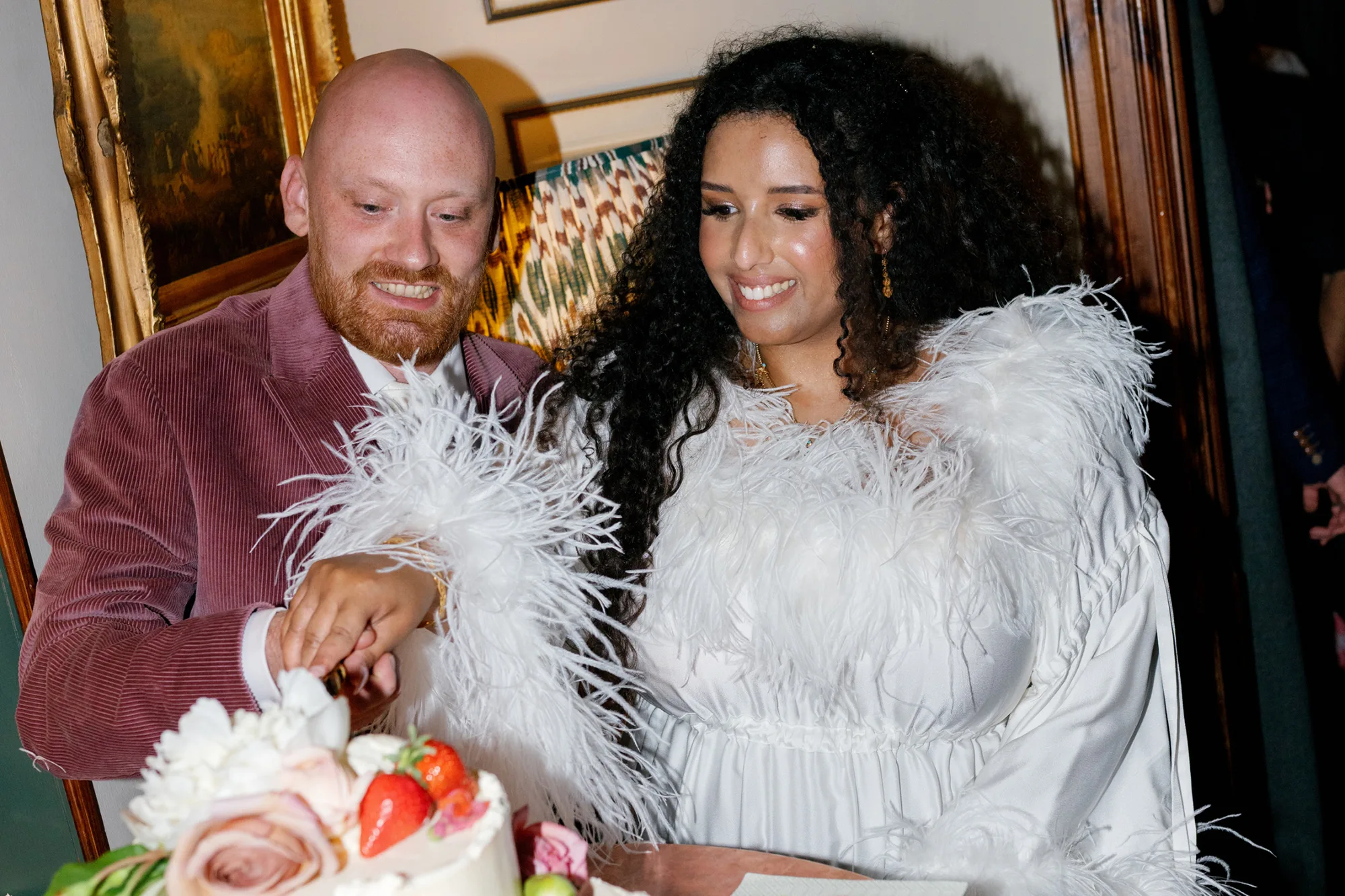
The rise of the "Modular Romance" concept is particularly noteworthy. This refers to a bridal wardrobe consisting of layers and transitions—removable sleeves, boleros for the ceremony, and separate elements that allow the bride to shift her look throughout the day. This modularity reflects a desire for versatility and comfort without sacrificing the romance of the occasion. Designers like Liverpool-based Unbridled Studio are cited as leaders in this shift, creating pieces that prioritize movement and individual personality.
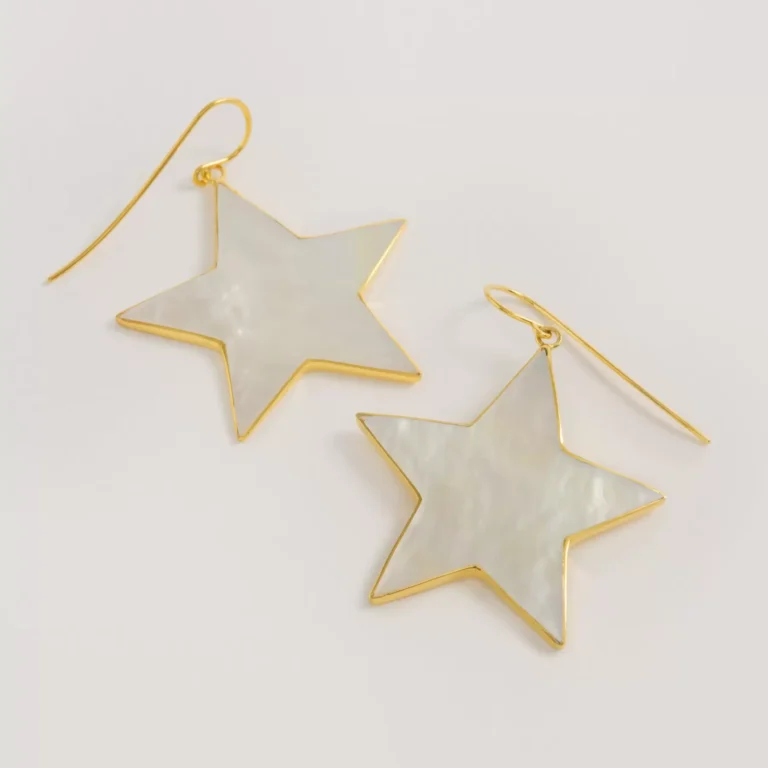
Furthermore, accessories such as tiaras, pearl corsetry, and silk backless designs are no longer viewed as mere finishing touches. Instead, they are being used as symbolic tools to enhance the atmosphere of the ceremony, allowing the bride to express her personal history and character through her attire.
The Return of "Peacocking" and Gender-Expansive Menswear
The 2026 report highlights a major shift in wedding menswear, which has traditionally been more conservative than bridal fashion. Searches for "men’s jewellery aesthetics" have risen by 890%. This includes increased interest in:
- Groom brooches and pinky rings
- Silver earrings and chain necklaces
- Statement bracelets
Pinterest describes jewellery as "the new boutonnière," suggesting that men are increasingly using ornamentation to express individuality. This return to "peacocking"—a historical term for visible self-expression in male attire—marks a move away from the standard tuxedo toward more intentional, character-driven styling. Additionally, the report notes a 240% increase in searches related to gender-expansive fashion, including wedding dresses for men and halter-neck suiting, indicating a growing cultural appetite for clothing that prioritizes honesty and imagination over traditional gender norms.
Aesthetic Dichotomy: Rich Tones vs. Opalescent Fantasy
Color palettes for 2026 appear to be splitting into two distinct emotional categories. On one hand, there is a strong preference for grounded, nature-inspired tones. Searches for plum and olive wedding palettes have increased by 1,380%, alongside interests in merlot, fig, and muted terracotta. These colors are associated with warmth, intimacy, and a sense of permanence.
On the other hand, there is a rise in "escapist" aesthetics characterized by iridescent finishes and midnight teals. The 2,710% rise in "opalite aesthetic" searches suggests a desire for dreamlike, luminous environments. Analysts suggest this dichotomy reflects the dual needs of modern couples: the desire for a grounded, meaningful connection and the need for a celebratory, fantasy-like escape from the complexities of daily life.
Venue Selection and the "Sense of Home"
The choice of wedding venues is also undergoing a transformation. Data shows a sharp incline in searches for spaces with pre-existing identities, such as:
- Jazz clubs: +1,115%
- Speakeasies and cinemas
- Glasshouses and historic interiors
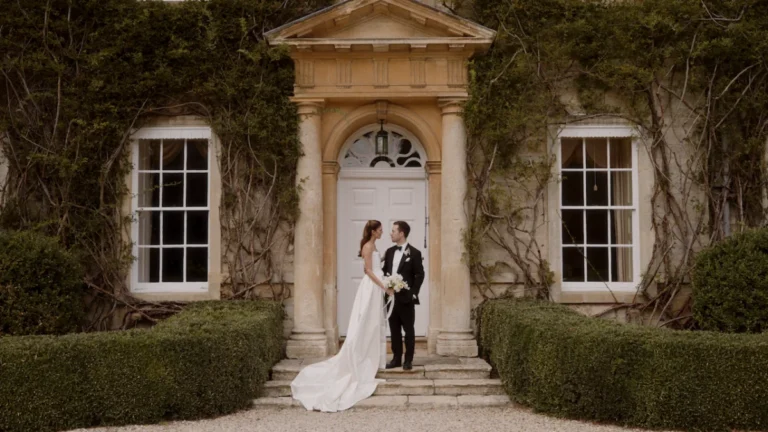
Couples are increasingly avoiding "blank-canvas" venues that require extensive styling to feel lived-in. Instead, they are seeking locations that possess an inherent atmosphere. This trend, echoed by industry experts like Emma Deeley of Tythe, points toward a "Sense of Home" aesthetic. The venue is no longer just a backdrop; it is a contributor to the mood, providing a sense of familiarity and emotional depth that guests can feel immediately upon entry.
The Guest Experience: Nostalgic Tech and Interactive Entertainment
The 2026 report emphasizes a move toward lo-fi, nostalgic entertainment designed to foster guest interaction. Searches for "unique wedding activities" have risen by 720%, while commissioned songs for couples have seen a nearly 2,000% increase. The rise of "Nostalgic Tech"—including analogue camcorders, vinyl records, and newspaper-style photobooths—suggests a pushback against the polished nature of digital culture.
These elements are designed to capture the wedding with the "softness and imperfection" of a home movie. By encouraging guests to participate in dance-offs, printable games, and retro-inspired message leaving, couples are ensuring that the wedding is a shared experience rather than a spectacle to be watched. This focus on "simple, human, and real" interactions is seen as a vital counterweight to the rapid advancement of AI and digital saturation in modern life.
Alternative Bouquets and the Art of Personal Keepsakes
Floral traditions are also being challenged, with "alt bouquets" gaining significant traction. Pinterest reports:
- Fuzzy-wire bouquets: +1,275%
- Bouquet purses: +1,015%
- Book flower arrangements: +725%
- Bouquets with no flowers: +240%
These trends indicate a move toward sculptural and sentimental objects that can be kept long after the wedding day. Bouquet purses and beaded florals blur the line between accessory and memory, allowing couples to incorporate handwritten notes or family heirlooms into their handheld arrangements. This shift highlights a broader desire for pieces that carry emotional significance beyond the duration of the event itself.
Broader Impact and Industry Implications
The data from the Pinterest 2026 Wedding Trends Report suggests a fundamental shift in the global wedding market, currently valued at over $70 billion in the United States alone. As couples move toward more personalized and analogue experiences, service providers—from florists to photographers—must adapt to a demand for "emotional intuition" and "technical artistry" that goes beyond standard packages.
The overarching message of the 2026 report is one of authenticity. While digital platforms continue to provide the "spark of creative energy," the actual execution of modern weddings is becoming increasingly focused on the people at the heart of the celebration. By prioritizing presence, atmosphere, and human connection, the weddings of 2026 are poised to be more memorable, more inclusive, and more resonant with the individual identities of the couples who host them. This transition from "performance" to "presence" marks a significant milestone in the evolution of modern social rituals.