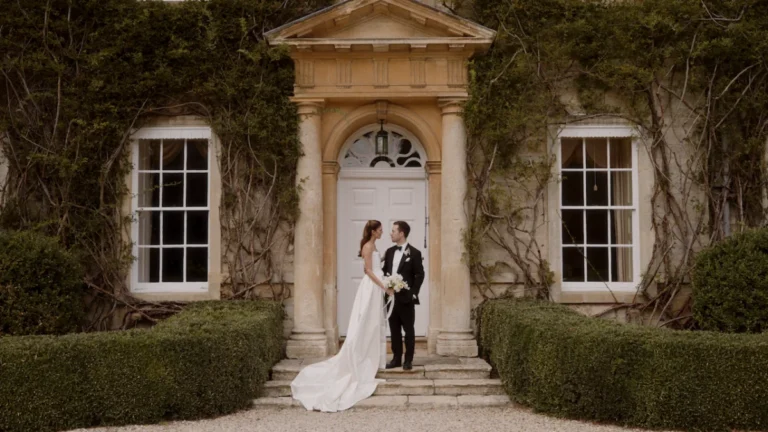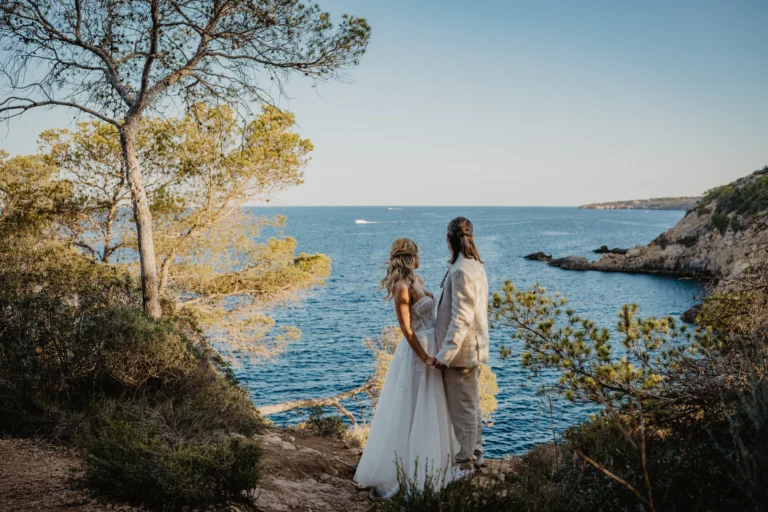

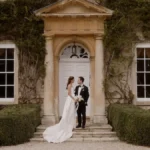

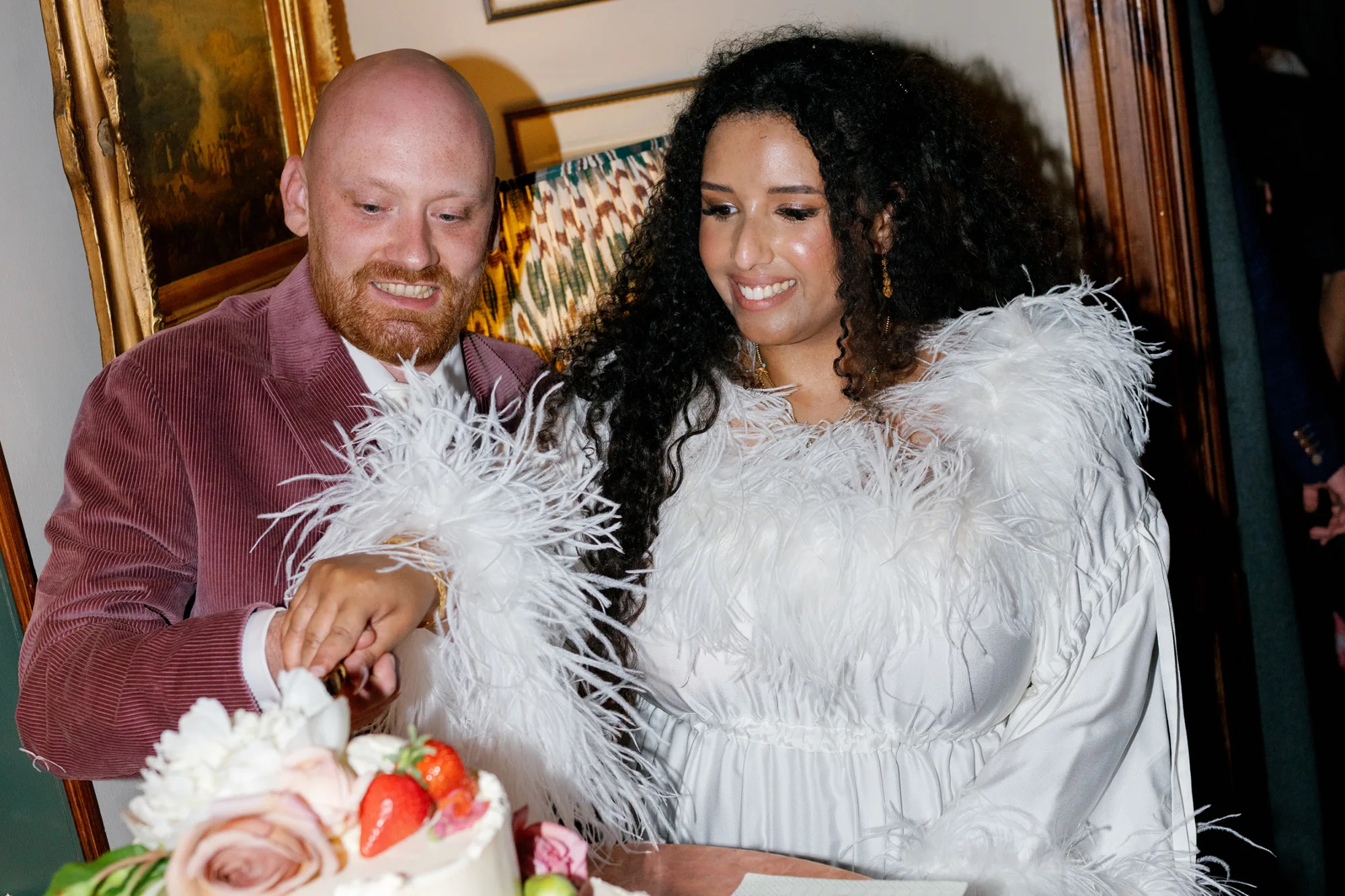
The release of the Pinterest 2026 Wedding Trends Report marks a significant turning point in the global wedding industry, signaling a departure from standardized aesthetics in favor of deeply personal and emotionally resonant celebrations. According to the data released by the visual discovery platform, weddings are increasingly being viewed not as performative events for social media consumption, but as immersive, authentic experiences tailored to the specific histories and personalities of the couples involved. With over 7 billion wedding-related searches and 16.7 billion wedding ideas saved globally in the past year, Pinterest’s findings offer a comprehensive look at the evolving priorities of modern couples.
The Core Cultural Shift: Authenticity Over Convention
The primary takeaway from the 2026 report is a decisive move away from what industry analysts describe as "one-size-fits-all" rituals. When surveyed about the appeal of unconventional weddings, the majority of couples indicated that such celebrations allow for a fuller reflection of their individual personalities. This represents a shift from previous decades where digital platforms often fostered a cycle of repetition, leading to a homogenization of wedding aesthetics.
Industry observers note that the current trend is defined by a growing confidence among couples to reshape traditions to fit their personal values. This is manifested in the rise of tactile guest experiences, expressive bridal fashion, and decor designed to be interactive rather than merely decorative. The data suggests that the "Pinterest-perfect" wedding of the mid-2010s—often characterized by rigid color palettes and staged photography—is being replaced by celebrations that prioritize emotional connection, family history, and atmospheric depth.
The Before I Do Movement and the Documentation of the Mundane
A significant emerging trend identified in the report is the "Before I Do" movement, which emphasizes the engagement period as a distinct chapter worthy of its own documentation. Search data reveals a sharp increase in queries for "date-night aesthetics," "couple bucket lists," and "indoor picnic styling."
This trend indicates that couples are seeking to preserve the "ordinary" moments of their lives before the heightened atmosphere of the wedding day takes over. Professional photographers have noted an increased demand for unstaged, naturalistic engagement sessions that take place in locations significant to the couple’s daily routines, such as local cafes or their own homes. This shift suggests that the narrative of the modern wedding now begins months before the ceremony, focusing on the authenticity of the relationship rather than just the spectacle of the event.
Reclamation of Ritual: The Rise of the Analogue Ceremony
The 2026 report highlights a renewed interest in the concept of "ceremony" in its most traditional and physical sense. While weddings have long been documented through digital lenses, there is a growing movement toward making the event a fully analogue experience. Analysts suggest this is a direct response to the saturation of digital culture and the rapid integration of artificial intelligence into daily life.
Data shows a significant rise in searches for handwritten vows, candlelight-only ceremonies, and live music designed for intimate settings. This trend is echoed in industry publications such as The Ceremony Index, which posits that weddings are becoming one of the few remaining spaces for collective, real-time physical witnessing. The focus has shifted from creating "visual content" for screens to creating "emotional environments" for those present in the room. This includes shared meals that unfold slowly and rituals that require active participation from guests, rather than passive observation.
Evolution of Bridal Fashion: Modular Romance and Historical Character
Bridal fashion is undergoing a period of radical diversification, with searches for specific, character-driven styles seeing exponential growth. The report indicates that searches for "drop waist corset wedding dresses" have increased by 1,405%, while "1980s wedding dresses" and "fairytale gowns" are also seeing a resurgence.
A key development in this sector is the concept of "Modular Romance," a term used to describe the transition from a single wedding dress to a versatile bridal wardrobe system. Brides are increasingly seeking "removable sleeves," "ceremony boleros," and "cape veils" that allow for multiple looks throughout the day. This approach provides both aesthetic variety and functional flexibility, allowing the attire to evolve alongside the emotional texture of the celebration. Designers are responding by creating separate elements that can be added or removed, treating bridal wear as an evolving narrative rather than a static costume.
The Aesthetic Palette: Deep Romance and Ethereal Shimmer
Color trends for 2026 are bifurcated into two distinct emotional categories: grounded, nature-led tones and escapist, dreamlike finishes. On one hand, "plum and olive wedding palettes" have seen a 1,380% increase in search volume, accompanied by rises in "merlot," "fig," and "muted terracotta." These colors are associated with warmth, intimacy, and a sense of being grounded in the natural world.
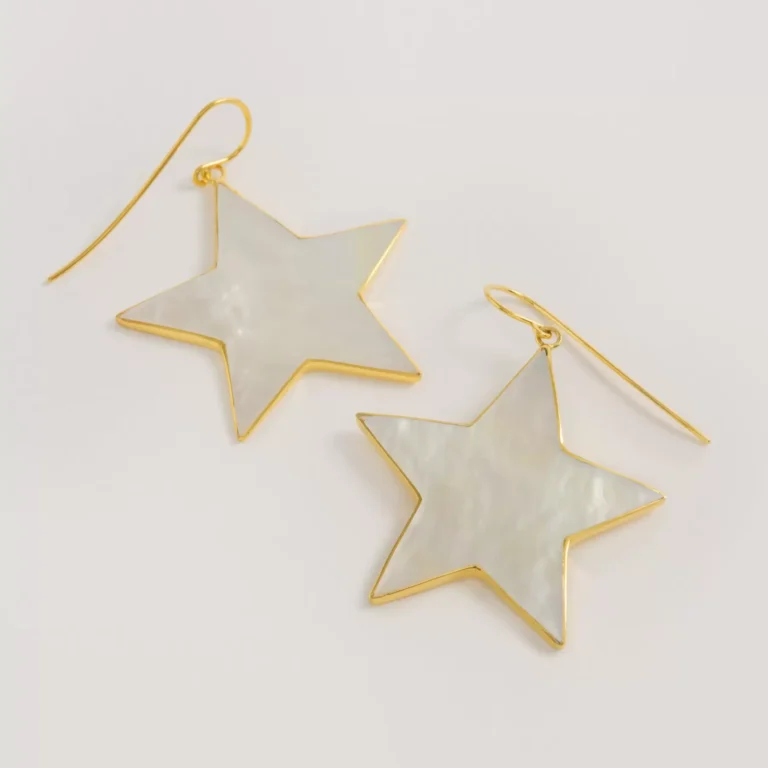
Conversely, there is a surging interest in "opalite aesthetics," which has risen by 2,710%. This trend encompasses iridescent finishes, opalescent textures, and chrome accents, often paired with "midnight teal" or soft, luminous pastels. This suggests that while some couples are seeking a "sense of home" and familiarity, others are leaning into a fantasy-driven, cinematic atmosphere.
Venue Selection: Lived-In Spaces and Historic Identity
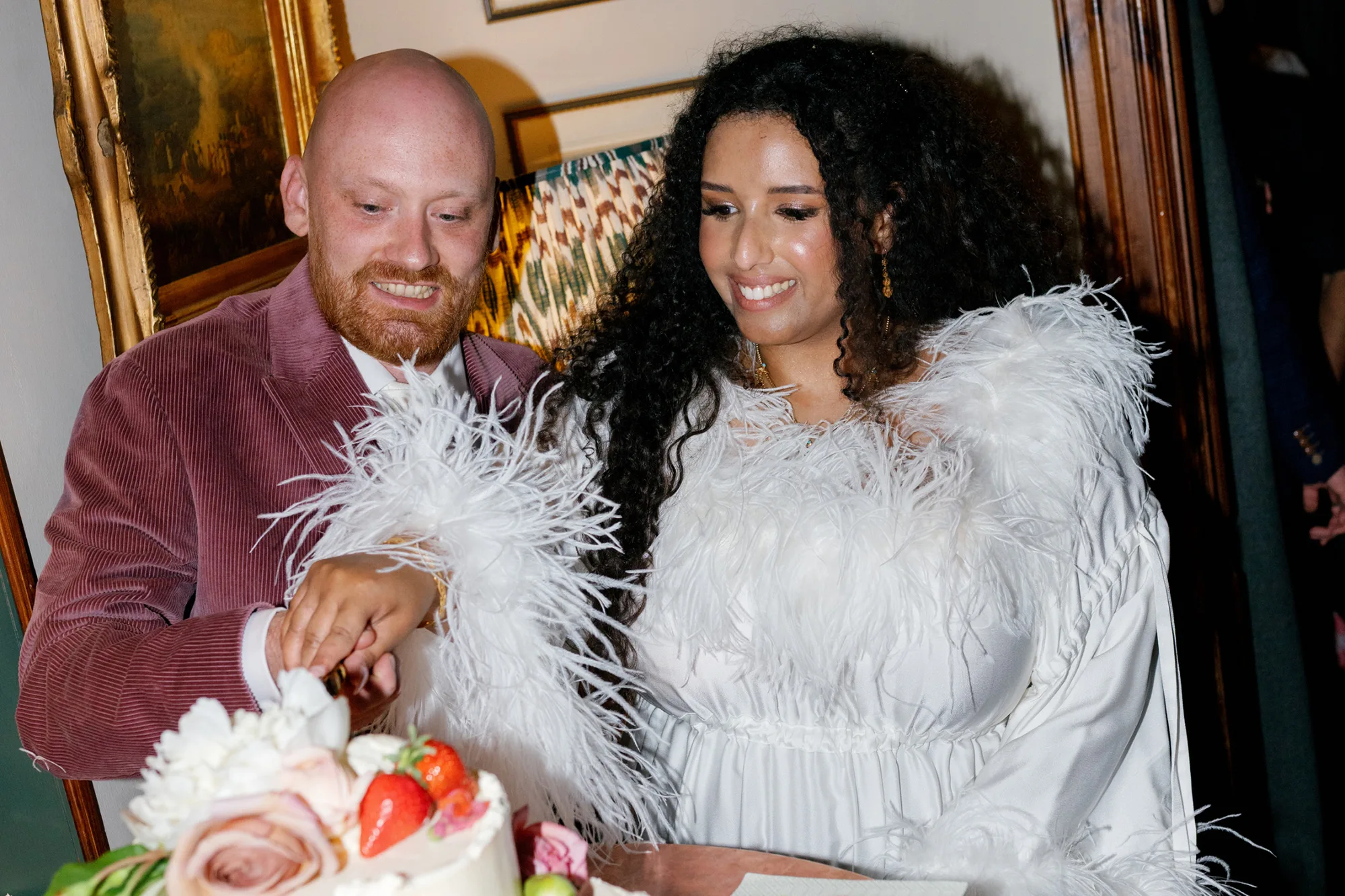
The preference for "blank-canvas" venues—such as white-walled galleries or modern warehouses—is declining in favor of spaces that possess inherent character and history. Searches for "jazz club weddings" have climbed by 1,115%, with similar interest shown in "speakeasies," "historic cinemas," and "glasshouses."
This trend reflects a desire for venues that contribute to the mood of the event without requiring extensive additional styling. Industry experts suggest that couples are drawn to the "layered" and "lived-in" feel of historic interiors, which offer a sense of continuity and permanence. The venue is no longer just a backdrop; it is an active participant in the storytelling of the day.
Romantic Maximalism and the Messy Coquette
Decor trends are moving toward "Romantic Maximalism," categorized by Pinterest as the "Messy Coquette" aesthetic. This involves layered visual richness, operatic styling, and theatrical elements. Specific data points include:
- Drapery backdrops: +1,510%
- Stained glass arches: +750%
- Book-wall installations: +555%
This movement signals an end to the era of minimalism and restraint. Couples are embracing abundance and sensory-led decor, including "flower bars," "perfume stations," and "herb centerpieces." By catering to all five senses—scent, texture, and taste included—the decor becomes a participatory element of the guest experience.
The Guest Experience: Nostalgic Tech and Tactile Interaction
The 2026 report emphasizes a significant pushback against "commercial-grade" wedding content. Instead, couples are opting for "Nostalgic Tech," such as analogue camcorders, 35mm film photography, and newspaper-style photobooths. This reflects a desire for documentation that feels intimate and human, characterized by the "softness and imperfection" of home movies rather than the high-gloss polish of professional digital video.
Entertainment is also becoming more interactive and analogue. Searches for "unique wedding activities" are up 720%, and "written songs commissioned for couples" have seen a 1,975% increase. Activities such as "dance-offs," "printable games," and "button pictures" indicate a shift toward creating moments that guests actively engage in, fostering a sense of community and shared nostalgia.
Redefining Masculinity: The Return of "Peacocking"
A notable section of the report focuses on a surge in men’s jewelry and expressive styling, which Pinterest describes as the "new boutonnière." Searches for "men’s jewelry aesthetics" have increased by 890%, with specific interest in:
- Groom brooches
- Pinky rings
- Silver earrings
- Chain necklaces
This trend, often referred to as "peacocking," marks a return to historical periods where men used ornamentation to express status and individuality. Furthermore, the report notes a growth in "gender-expansive fashion," including "halter-neck suiting" and "wedding dresses for men," highlighting a broader cultural movement toward authentic self-presentation regardless of traditional gender norms.
Culinary and Floral Innovation: Playfulness and Permanence
Finally, the report highlights a shift in the traditional "wedding cake" and "bouquet" categories. Wedding cakes are becoming more informal and creative, with "kitsch cakes," "tarot cakes," and "tiramisu cakes" replacing traditional tiered fruitcakes. This indicates that the cake is being used as a medium for humor and personality.
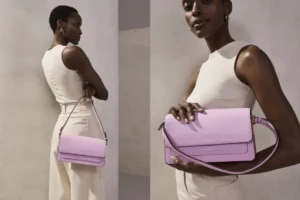
In floristry, the "Alt Bouquet" is rising in popularity. Searches for "fuzzy-wire bouquets" (+1,275%), "bouquet purses" (+1,015%), and "bouquets with no flowers" (+240%) suggest that couples are looking for sculptural or sentimental alternatives to perishable floral arrangements. These "keepsake" bouquets are designed to be preserved as long-term mementos of the event.
Broader Implications for the Wedding Industry
The data from Pinterest’s 2026 report suggests that the wedding industry must pivot to accommodate a more discerning, personality-driven consumer. For vendors, this means a shift away from standardized packages toward bespoke, highly specialized services. The demand for analogue photography, vintage fashion sourcing, and sensory-led event design indicates that the "mass-market" wedding model is being challenged by a "boutique" approach that values craftsmanship and emotional intelligence.
As weddings become less about digital performance and more about the creation of "analogue memories," the success of the 2026 wedding season will likely be measured not by the number of likes on a post, but by the depth of the experience for those physically present. The report concludes that while platforms like Pinterest remain essential for inspiration, the ultimate trend is the rejection of trends in favor of individual truth.