








On the morning of the summer solstice, at precisely 1 am, a select group of blindfolded runners embarked on an unprecedented journey, transported by bus to an undisclosed location to commence "The Desire Path." This 35-kilometer "mystery navigation race system," a collaborative brainchild of the avant-garde running collective At Last Atalanta and global sportswear giant Nike, promised an experience far removed from conventional road races. It aimed to test not merely physical endurance but also strategic thinking, instinct, and resilience across London’s diverse urban and natural landscapes. The event, meticulously orchestrated yet shrouded in deliberate ambiguity, began with participants stripped of their geographical bearings, setting the stage for an immersive challenge that would unfold over the longest day of the year. The unusual commencement underscored the event’s core philosophy: to push participants beyond their comfort zones and conventional modes of navigation, fostering a deeper connection with their surroundings and inner resolve.
The Genesis of an Unconventional Race
"The Desire Path" event emerged from a unique partnership between Nike, a brand synonymous with athletic innovation, and At Last Atalanta, a London-based collective celebrated for its fusion of ultra-running prowess and creative industry expertise. Comprising artists, designers, filmmakers, and other creative professionals who share a profound passion for extreme running, At Last Atalanta brings a distinct, artistic sensibility to the sport. This collaboration allowed for the conceptualization of a race that transcended traditional competitive formats, leaning instead into an experiential journey designed to challenge participants both physically and mentally. The event was not merely a demonstration of athletic skill but a testament to human adaptability and the power of collaborative ingenuity in shaping novel athletic experiences.
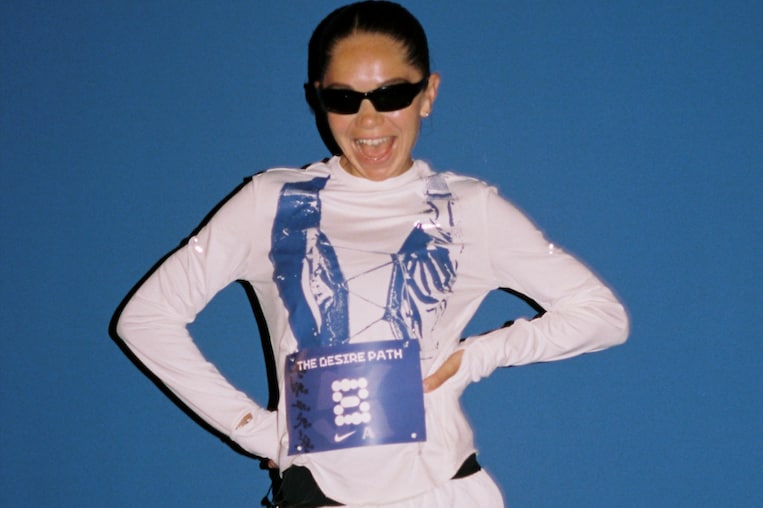
The very name, "The Desire Path," is steeped in a concept borrowed from urban planning and landscape architecture. A desire path, often referred to as a "social trail" or "cow path," is an unofficial route created by pedestrians or animals through repeated foot traffic, demonstrating the shortest or most convenient way between an origin and destination, often disregarding established, formally designed pathways. This phenomenon highlights natural human inclination and efficiency over prescribed design. In the context of the 35km race, this philosophy was ingeniously applied: runners were provided with checkpoint destinations but no predefined route, inviting them to forge their own "desire paths" through the city and its periphery. This design choice underscored the event’s emphasis on individual agency, real-time problem-solving, and the organic discovery of optimal routes, thereby transforming a simple endurance race into a dynamic navigation puzzle. The organizers aimed to encourage a primal engagement with the landscape, allowing intuition to guide movement.
A Midnight Unveiling: The Solstice Journey Begins
The narrative of "The Desire Path" began under the cloak of pre-dawn darkness, aligning with the mystique of the summer solstice. This astronomical event, marking the longest day and shortest night of the year, served as an apt backdrop for a challenge designed to push limits from the earliest hours, capitalizing on the extended daylight to maximize the experience. At precisely 1 am, participants, already blindfolded, were transported by buses from a central London rendezvous point to Epping Forest, an ancient woodland stretching across the borders of Greater London and Essex. The blindfolds amplified the sense of mystery and disorientation, forcing reliance on auditory and sensory cues, thus heightening anticipation for the unknown journey ahead. This deliberate obfuscation of the starting point immediately immersed runners in the event’s core theme of unguided exploration.
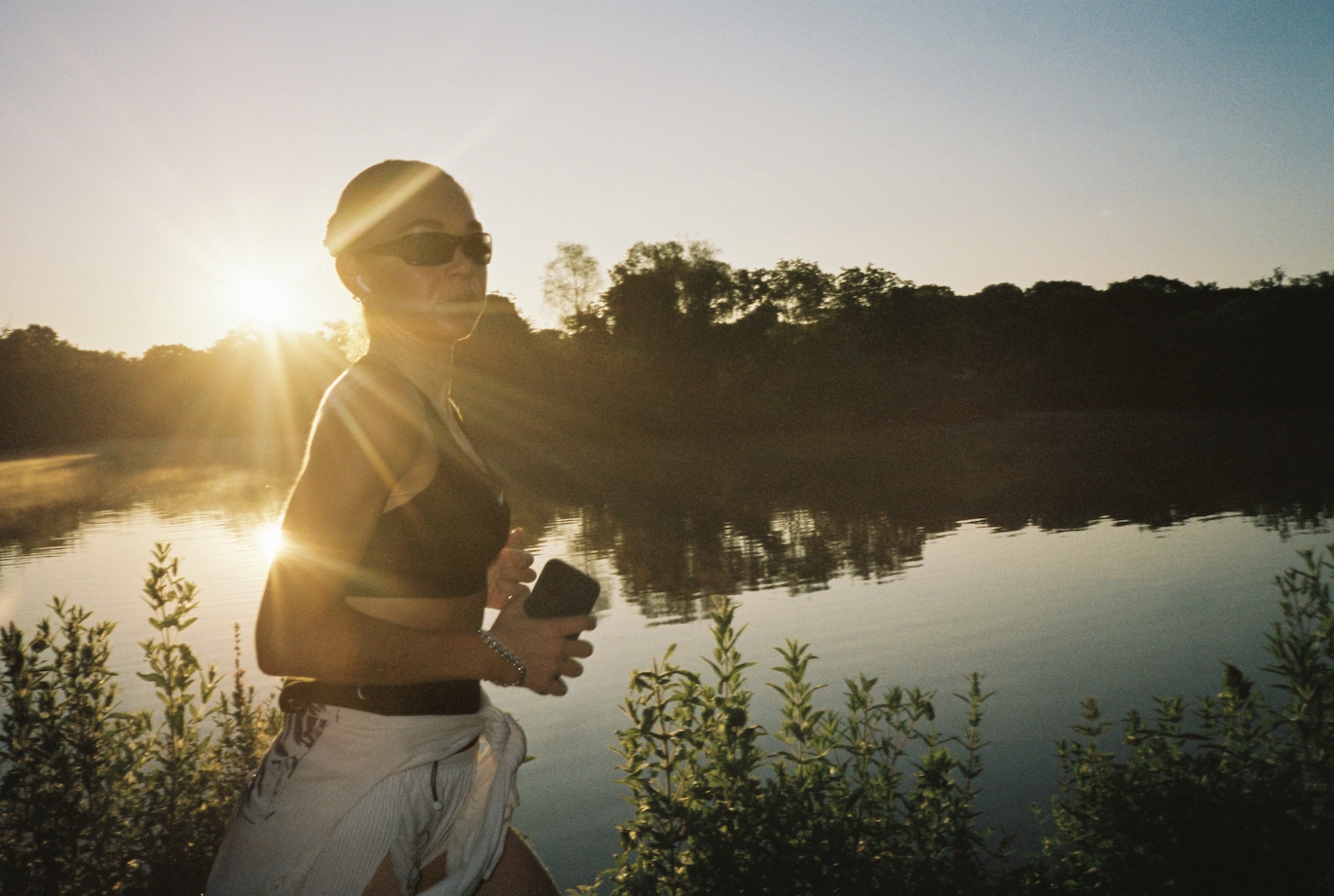
Upon arrival at the undisclosed starting point within Epping Forest, the blindfolds were removed, revealing the verdant expanse of the forest just as the first hints of dawn began to paint the sky. Each runner was then issued a special-edition "mapazine," a bespoke publication meticulously crafted by Rory Griffin, editor-in-chief of Orienteer Mapazines. This unique guide not only served as the primary navigational tool but also provided crucial insights into the ethos of At Last Atalanta and the intricate details of "The Desire Path" challenge. The mapazine outlined the 35-kilometer mixed-terrain route, a demanding blend of winding forest trails and urban road segments, designed to test versatility and adaptability. It clearly communicated that success would hinge on a combination of strategic planning and raw instinct, rather than brute speed alone. The shift from complete sensory deprivation to a visual revelation of natural beauty provided a powerful opening to the arduous day.
The Unfolding Labyrinth: Checkpoints and GPS Tracking
The 35km out-and-back course was an ambitious traverse, commencing in the ancient woodlands of Epping Forest, weaving through the bustling heart of London, and culminating at Manor Place, the innovative South London community space recently established through a collaboration between Nike and Palace Skateboards. This progression from wilderness to urban core, and finally to a hub of community and culture, symbolized a journey of discovery and connection, highlighting the diverse environments that London offers to urban runners.
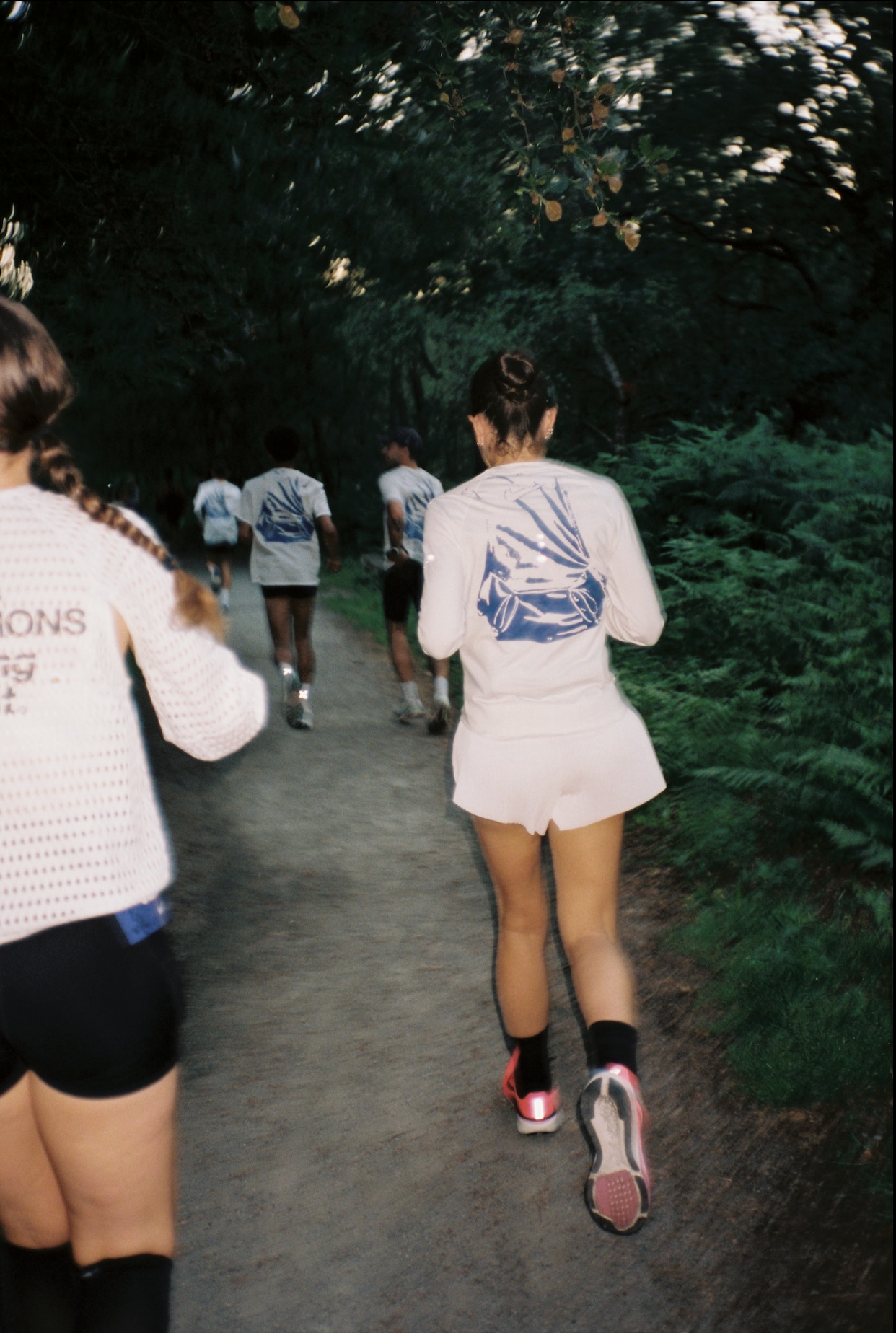
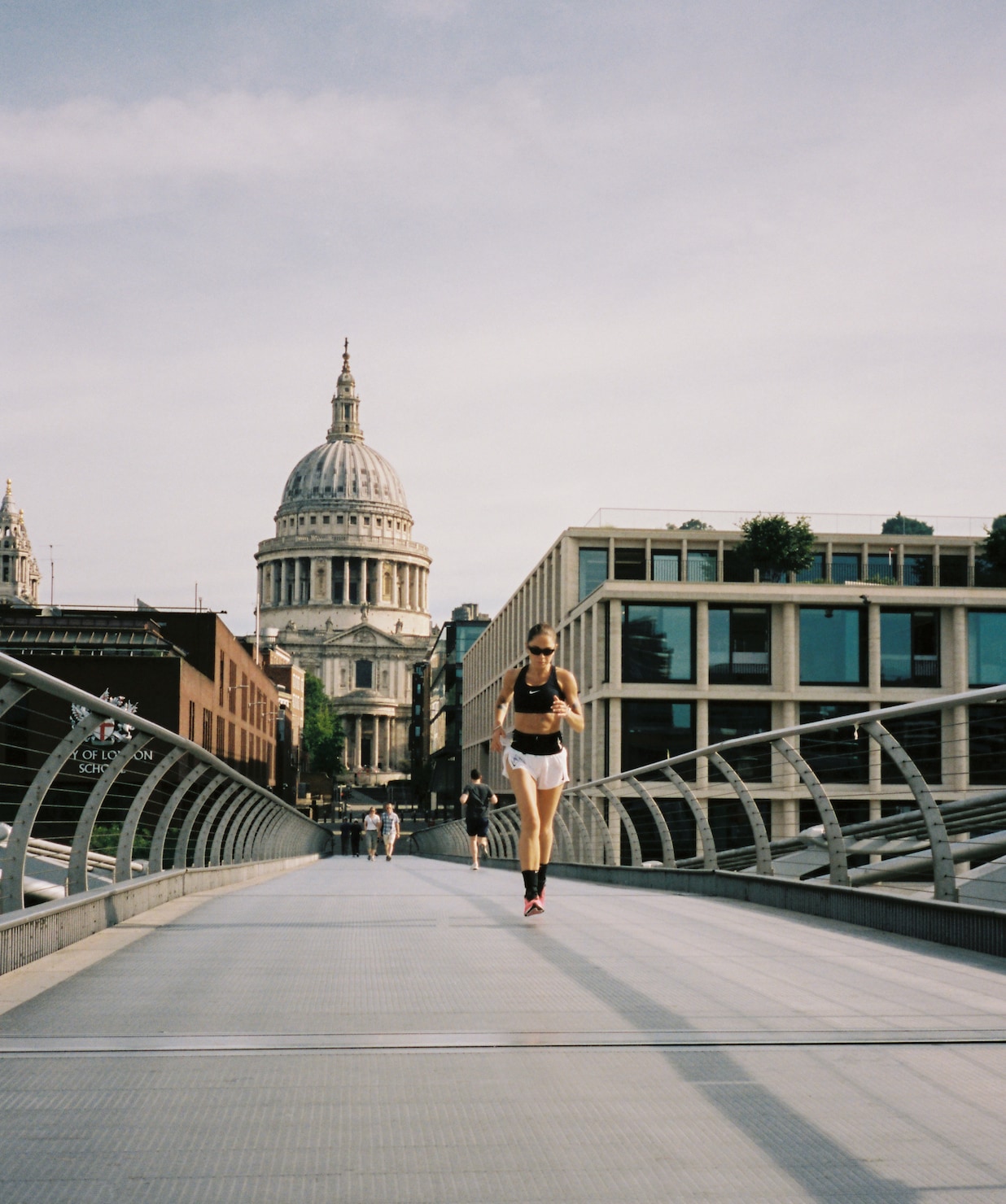
The race structure was built around a series of strategically placed checkpoints, revealed sequentially to the runners as they progressed. This "mystery navigation" element meant that participants were only aware of their current checkpoint and the immediate next one, preventing pre-planning of the entire route and emphasizing real-time decision-making. The initial leg of the race saw runners navigating the dense, often undulating trails of Epping Forest, a stark contrast to the concrete arteries that would dominate later stages. Subsequent checkpoints led them through iconic London districts, including the vibrant creative hub of Hackney Wick, the historic grandeur of Tower Bridge, and the architectural marvel of St Paul’s Cathedral. This diverse topography ensured a continuous physical and mental engagement, demanding different running techniques and navigational approaches, from trail running agility to urban pacing.
To ensure participant safety and adherence to the challenge parameters, all runners were equipped with GPS trackers, allowing the organizers to monitor their progress in real-time. This technological oversight was crucial for an event that deliberately eschewed traditional marked routes, providing a necessary safety net while still preserving the essence of self-guided exploration. The sequential revelation of checkpoints, paired with the freedom to choose one’s path between them, fostered an environment of constant engagement and critical thinking, transforming each segment into a mini-challenge of orienteering and strategic route selection.
The Philosophy of the Unbeaten Path: Strategy, Instinct, and Resilience
"The Desire Path" was designed as much as a psychological challenge as a physical one. The core principle, derived from its namesake, encouraged athletes to actively interpret the urban and natural fabric, seeking out their most intuitive and efficient routes rather than following a predetermined course. This required a profound shift in mindset for many, moving away from the competitive drive for personal bests (PBs) that characterizes most races, towards a focus on problem-solving, adaptability, and unwavering resilience. The absence of a prescribed route meant that every runner’s journey was inherently unique, reflecting their individual decision-making process.
The mental demands of the race were considerable. Runners had to continuously analyze their mapazine, assess terrain, anticipate traffic, and make split-second decisions about optimal turns and pathways, all while maintaining a consistent running pace. This cognitive load, combined with the physical exertion of a 35km mixed-terrain distance under the intense summer solstice heat, which reportedly soared to approximately 30 degrees Celsius (86°F) in parts of London, elevated the challenge significantly beyond a standard endurance event. The freedom to chart one’s own course, while liberating, also came with the inherent risk of misdirection. As one participant candidly observed, "The moments we got lost? All part of the plan." This acceptance of deviation and the need to re-orient oneself became integral to the experience, transforming potential frustration into opportunities for learning and growth. The event creators intended these "lost" moments to be a feature, not a bug, reinforcing the idea that resilience isn’t just about pushing through discomfort but about adapting to the unexpected. The reported anecdote of a participant losing a GPS tracker and AirPods in Epping Forest further illustrates the raw, unfiltered nature of the challenge, where personal belongings could be sacrificed to the immediate demands of navigation and endurance.
A Convergence of Visionaries: The Curated Field of Runners
The field of over 100 runners for "The Desire Path" was not merely a collection of athletes but a carefully curated assembly of individuals, reflecting the creative and community-oriented spirit of At Last Atalanta and Nike. The guestlist was meticulously assembled by casting director and ultra-runner Oisin Ru-Cuchllain, ensuring a diverse mix of talent, experience, and creative backgrounds. This approach highlighted the event’s commitment to fostering connection and collaboration within a vibrant, interdisciplinary community, rather than solely focusing on elite athletic performance.
Among the notable participants were figures who embody the intersection of creativity and endurance. Rory Griffin, beyond his role as editor-in-chief of Orienteer Mapazine and the architect of "The Desire Path" mapazines, is a respected photographer and director whose work often explores themes of movement and landscape. His presence underscored the artistic dimension of the race. Randa Kherba, a research-based menswear designer, brought a unique perspective, her work inherently exploring "human resilience in extreme conditions"—a theme directly resonant with the challenge at hand. Jade Jackman, a director specializing in action and sports, and the founder of Babes with Blades, a female-led film collective, represented the dynamic spirit of pushing boundaries in both physical and creative arenas. Colin Carlton, co-founder of Homerun NYC with Tokyo graffiti writer WANTO, added an international flavor and a connection to street culture, further diversifying the participant demographic. This deliberate mix of ultra-runners, artists, designers, and cultural figures transformed the race from a purely athletic endeavor into a moving tapestry of shared experience and mutual inspiration. The camaraderie forged on the demanding 35km route, under the unique navigational parameters, was a central tenet of the event’s broader impact, fostering a strong sense of collective accomplishment.
Engineered for the Elements: The Nike AeroSwift Collection
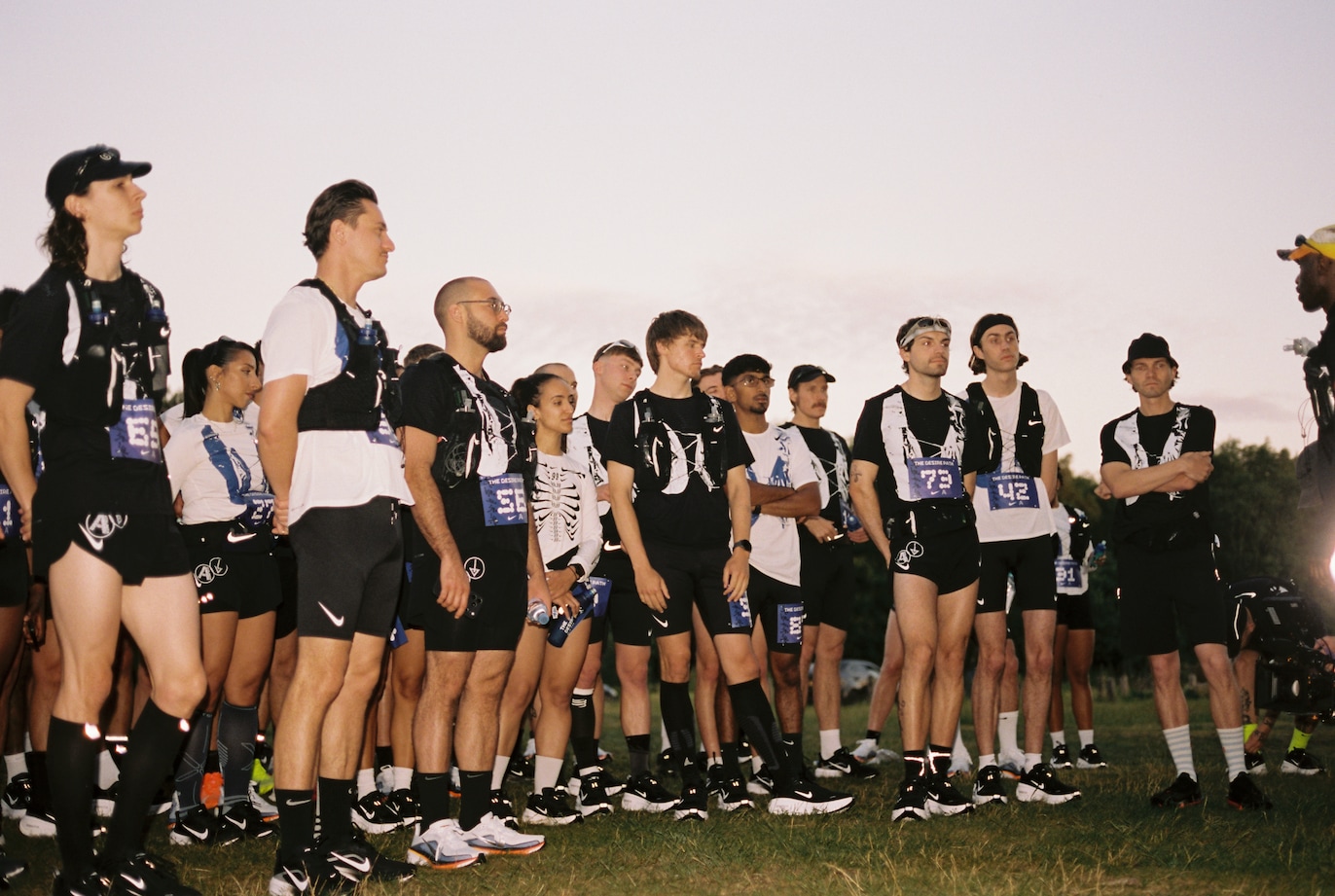
To equip participants for the demanding conditions of "The Desire Path"—which included zero hours of sleep for many, the 35-kilometer distance, and ambient temperatures soaring to 30 degrees Celsius—Nike provided a specialized "system of dress." This comprised pieces from Nike’s advanced AeroSwift collection, renowned for its lightweight design, breathability, and performance-enhancing features. The AeroSwift technology is specifically engineered to minimize drag and maximize comfort, crucial elements for endurance running, particularly in hot conditions. Its advanced moisture-wicking properties and strategically placed ventilation points help regulate body temperature, allowing athletes to focus on their performance rather than discomfort from heat or sweat.
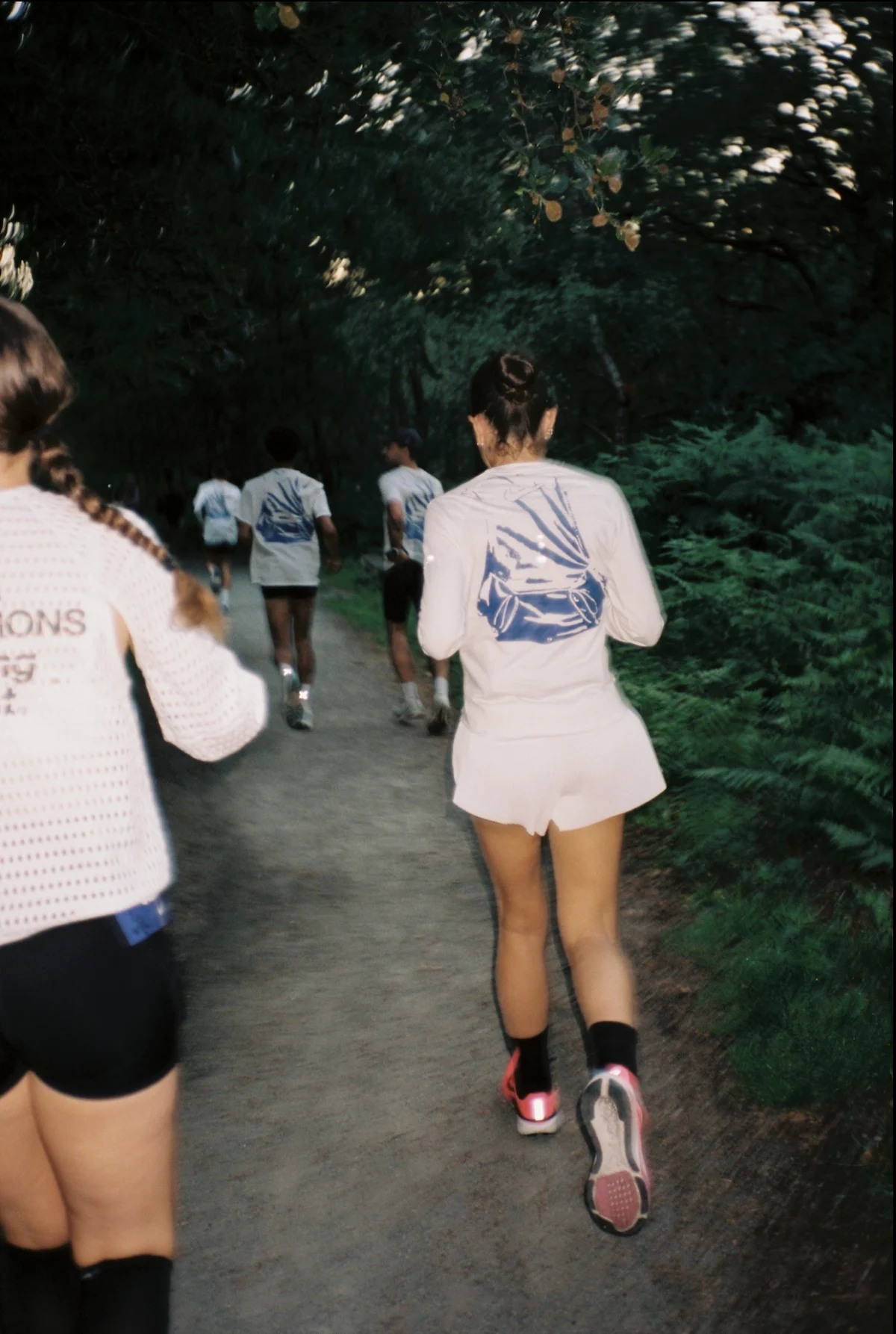
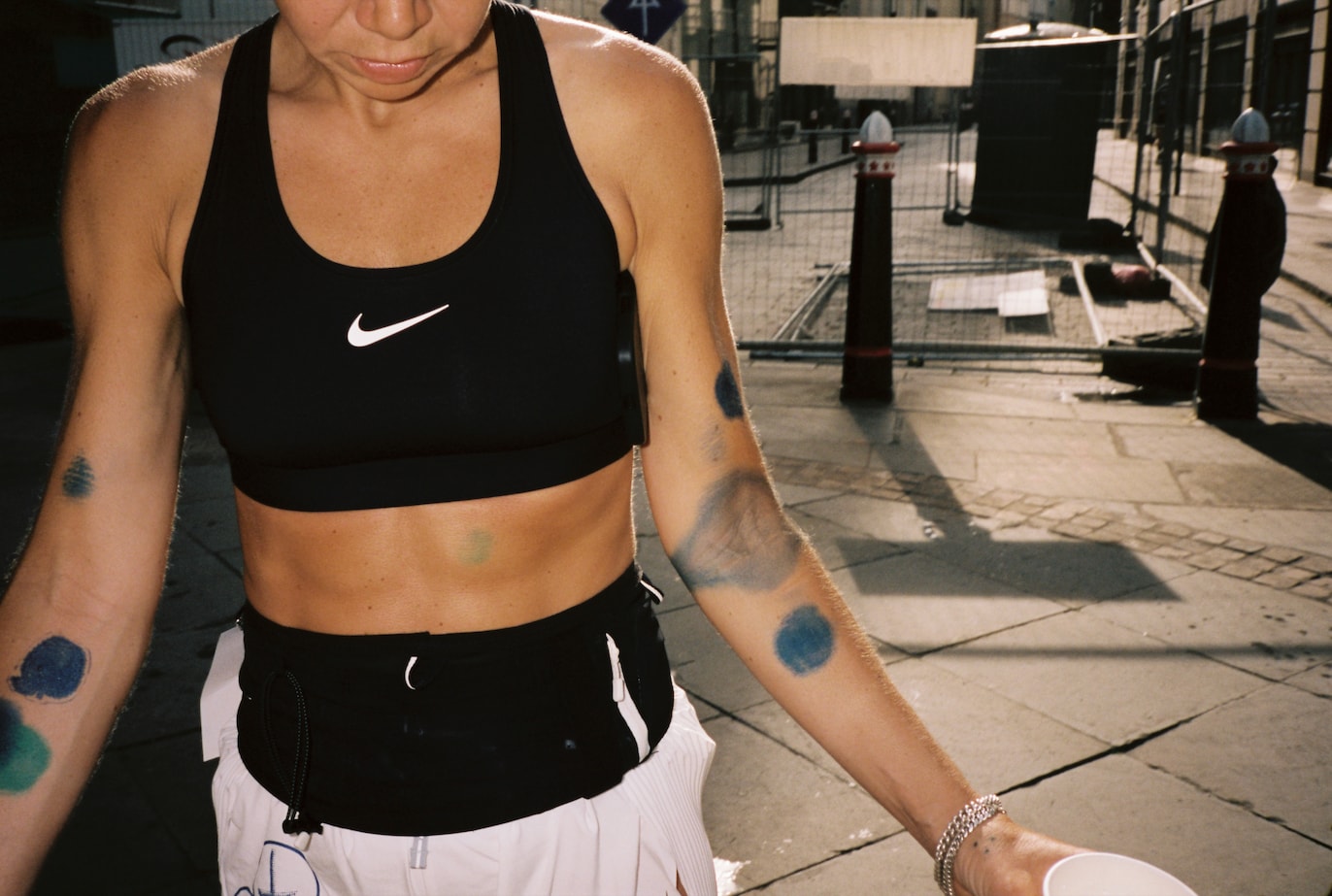
Further elevating the bespoke nature of the event, these Nike AeroSwift garments were custom-printed with unique graphics designed by At Last Atalanta, integrating their distinct visual identity into the performance wear. The custom kit design was masterfully executed by designer Esme Marsh, ensuring both aesthetic coherence and functional superiority. The ensemble included pleated running shorts, offering unrestricted movement and optimal airflow; cropped tank tops for superior ventilation; and the race-ready Nike Pegasus 42s. The Pegasus series