










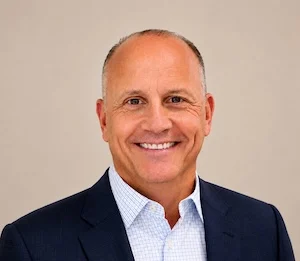
National Safety Apparel (NSA), a prominent American manufacturer specializing in high-performance personal protective equipment (PPE) and safety apparel, has officially announced a significant transition in its executive leadership. Effective June 8, 2026, Michael Enright has assumed the role of Chief Executive Officer, taking over the helm from Chuck Grossman Jr. This transition marks a historic milestone for the Cleveland-based company, as Enright becomes the first individual outside the Grossman family to lead the organization since its inception. Grossman, who has guided the company through nearly thirty years of exponential growth, will not be departing the firm; instead, he will transition into the role of Vice Chairman. In this new capacity, Grossman is expected to focus heavily on the company’s aggressive mergers and acquisitions (M&A) strategy and continue providing high-level guidance on long-term strategic objectives.
The leadership change comes at a pivotal moment for the industrial safety sector, which has seen increased demand for specialized protective gear driven by stricter federal safety regulations and a renewed focus on domestic manufacturing. By elevating Enright, who has served as NSA’s President for the past five years, the company signals a commitment to continuity, stability, and the scaling of its current market-leading operations.
The Professional Pedigree of Michael Enright
Michael Enright’s appointment to the CEO position is the culmination of a career spanning more than 30 years within the protective clothing and textile industries. His deep-rooted expertise in the technical nuances of flame-resistant (FR) fabrics and arc flash protection has been a cornerstone of his leadership during his tenure as President. Since joining the executive team half a decade ago, Enright has been credited with modernizing NSA’s operational framework and expanding its footprint within the electric utility, oil and gas, and industrial manufacturing sectors.
Industry analysts note that Enright’s background is particularly well-suited for the current challenges facing the PPE market, including supply chain volatility and the rapid integration of smart-textile technologies. During his time as President, Enright oversaw a series of strategic initiatives that bolstered NSA’s domestic manufacturing capabilities, ensuring that the company remained a preferred partner for government and utility contracts that prioritize "Made in USA" products. His reputation for integrity and his ability to foster collaboration across departments have been cited as key factors in his selection as the successor to the Grossman legacy.
In a statement regarding his new role, Enright expressed a profound sense of responsibility toward the company’s history. "I am honored and humbled to be the first non-Grossman family member to lead NSA," Enright stated. "Chuck has helped shape the company into the industry leader it is today. His vision, paired with his dedication to employees and to serving customers, drove more than twentyfold growth during his tenure. He created an extraordinary foundation, and I look forward to building on the Grossman legacy and leading NSA into its next chapter."
The Grossman Era: Three Decades of Transformation
To understand the significance of this leadership change, one must look at the trajectory of National Safety Apparel under Chuck Grossman Jr.’s leadership. When Grossman took the reins nearly thirty years ago, NSA was a significantly smaller entity with a more localized reach. Through a combination of organic innovation and savvy acquisitions, Grossman transformed the business into a diversified powerhouse with a product portfolio that now includes high-visibility garments, thermal protection, and specialized gear for the electric utility market.
Under Grossman’s tenure, NSA achieved a staggering twentyfold increase in revenue. This growth was not merely financial; it involved a comprehensive expansion of the company’s manufacturing facilities and a diversification of its brand portfolio. NSA currently encompasses several well-known brands in the safety space, having integrated various specialized manufacturers into its corporate umbrella over the last two decades. This strategy allowed NSA to offer a "one-stop-shop" experience for industrial safety managers, a move that proved highly successful as corporations sought to consolidate their vendor lists.
Grossman’s transition to Vice Chairman is designed to leverage his vast experience in deal-making. By stepping away from the day-to-day operational requirements of the CEO role, he will be able to dedicate his efforts to identifying new acquisition targets that align with NSA’s core values and growth trajectory. "This transition reflects the strength of the NSA team and our approach to long-term succession planning," Grossman remarked. "Mike has earned the trust and respect of our employees, customers, and industry partners through his integrity and proven track record of delivering results. I am confident that NSA’s future is in excellent hands."
Strategic Focus on Mergers and Acquisitions
The decision to have the outgoing CEO focus on M&A highlights a broader trend in the textile and safety apparel industry: consolidation. As the cost of research and development for high-performance materials rises, many mid-sized players are looking to join larger platforms like NSA to gain access to broader distribution networks and more robust supply chains.

NSA’s M&A strategy has historically focused on acquiring companies that possess unique intellectual property or specialized manufacturing techniques that complement NSA’s existing lines. By moving Grossman into a role dedicated to these efforts, the company is positioning itself to be even more agile in a competitive market. Potential areas for future acquisition include companies specializing in "smart PPE"—garments equipped with sensors to monitor heat stress or biometric data—and firms that focus on sustainable, recycled materials for industrial use.
The Landscape of the Industrial Safety Market in 2026
The leadership transition at National Safety Apparel occurs against the backdrop of a robust but evolving global PPE market. By mid-2026, the global industrial safety apparel market is estimated to be valued at over $20 billion, with a projected compound annual growth rate (CAGR) of 6.5% through 2030. This growth is fueled by several factors:
- Regulatory Compliance: Agencies such as OSHA in the United States and similar bodies globally have implemented more stringent requirements for worker protection, particularly regarding arc flash and flash fire hazards.
- Infrastructure Investment: Increased spending on the electrical grid and renewable energy projects has spiked demand for specialized utility clothing.
- Technological Advancements: The development of lighter, more breathable flame-resistant fabrics has encouraged higher compliance rates among workers, as the gear is more comfortable to wear for extended shifts.
- Reshoring Trends: There is a significant push among North American companies to source safety products from domestic manufacturers to mitigate the risks associated with international logistics and to support local economies.
National Safety Apparel has positioned itself at the intersection of these trends. Its commitment to the core values of Safety, Customer Experience, Collaboration, Innovation, and Growth has allowed it to maintain a competitive edge over lower-cost international competitors who may not offer the same level of quality assurance or technical support.
Chronology of the Transition and Institutional Stability
The transition from Grossman to Enright was not an overnight decision but rather the result of a multi-year succession planning process. The board of directors at NSA emphasized the importance of a seamless handover to maintain the confidence of both internal stakeholders and external partners.
- 2021-2025: Michael Enright serves as President, working closely with Chuck Grossman Jr. to manage the company’s rapid expansion during the post-pandemic recovery period.
- Late 2025: The Board of Directors formalizes the succession plan, identifying Enright as the successor and defining Grossman’s new role as Vice Chairman.
- June 8, 2026: The official change in leadership takes effect.
- June 19, 2026: The public announcement is disseminated to industry partners and the media, outlining the new executive structure.
This methodical approach to leadership change is often cited by business analysts as a hallmark of well-governed private companies. By announcing the change after the transition has already taken place, NSA demonstrated that the new leadership was already firmly in control, minimizing any potential for market uncertainty.
Implications for the Workforce and Industry Partners
For the employees at National Safety Apparel—many of whom are based in the Cleveland area—the appointment of Enright represents a "business as usual" approach with a fresh perspective. Because Enright has been a visible leader within the company for five years, his management style and strategic priorities are well-understood by the workforce.
Industry partners, including distributors and raw material suppliers, have reacted positively to the news. The continuity of having Grossman remain involved in the company’s strategic direction, particularly in M&A, suggests that NSA will continue to be an active and influential player in the market. "The move to elevate Mike Enright is a logical step for NSA," said one industry consultant who follows the textile sector. "It allows the company to benefit from Enright’s operational expertise while keeping the visionary architect of their growth, Chuck Grossman, focused on the big-picture deals that will define the next decade for the firm."
Future Outlook: Innovation and Sustainable Growth
As Michael Enright begins his tenure as CEO, he faces an environment where innovation is the primary currency. The "Next Chapter" he referred to in his statement is likely to involve a significant push into digital integration and sustainable manufacturing. NSA has already begun exploring ways to reduce the environmental footprint of its manufacturing processes, a move that aligns with the Environmental, Social, and Governance (ESG) goals of many of its largest corporate clients.
Furthermore, the company is expected to continue its investment in "Innovation Centers" where new fabric blends and garment designs are tested. As industrial environments become more complex, the need for multi-hazard protection—clothing that protects against flame, chemicals, and physical injury simultaneously—is expected to grow.
In conclusion, the leadership transition at National Safety Apparel represents more than just a change in titles; it is a strategic realignment designed to preserve a successful family legacy while embracing professional executive management to drive future scale. With Michael Enright at the helm and Chuck Grossman Jr. focusing on strategic expansion, NSA appears well-positioned to maintain its status as a cornerstone of the American safety apparel industry. The company’s ability to balance its historical core values with the demands of a modern, technology-driven market will be the ultimate measure of this new leadership team’s success in the years to come.