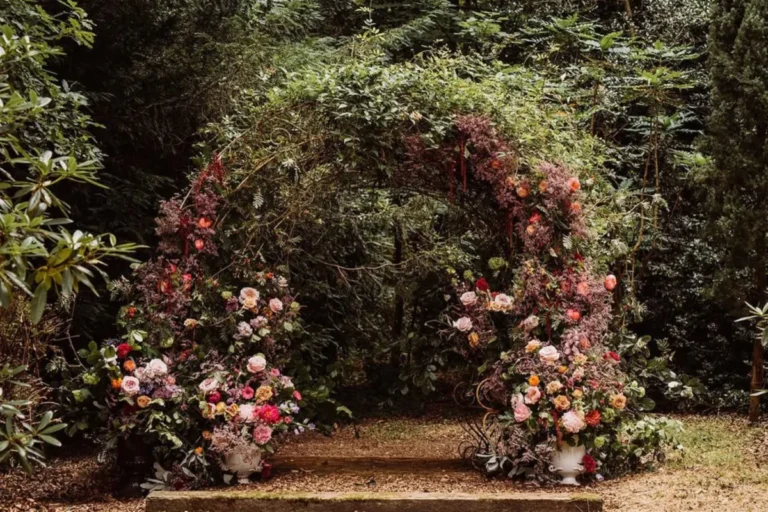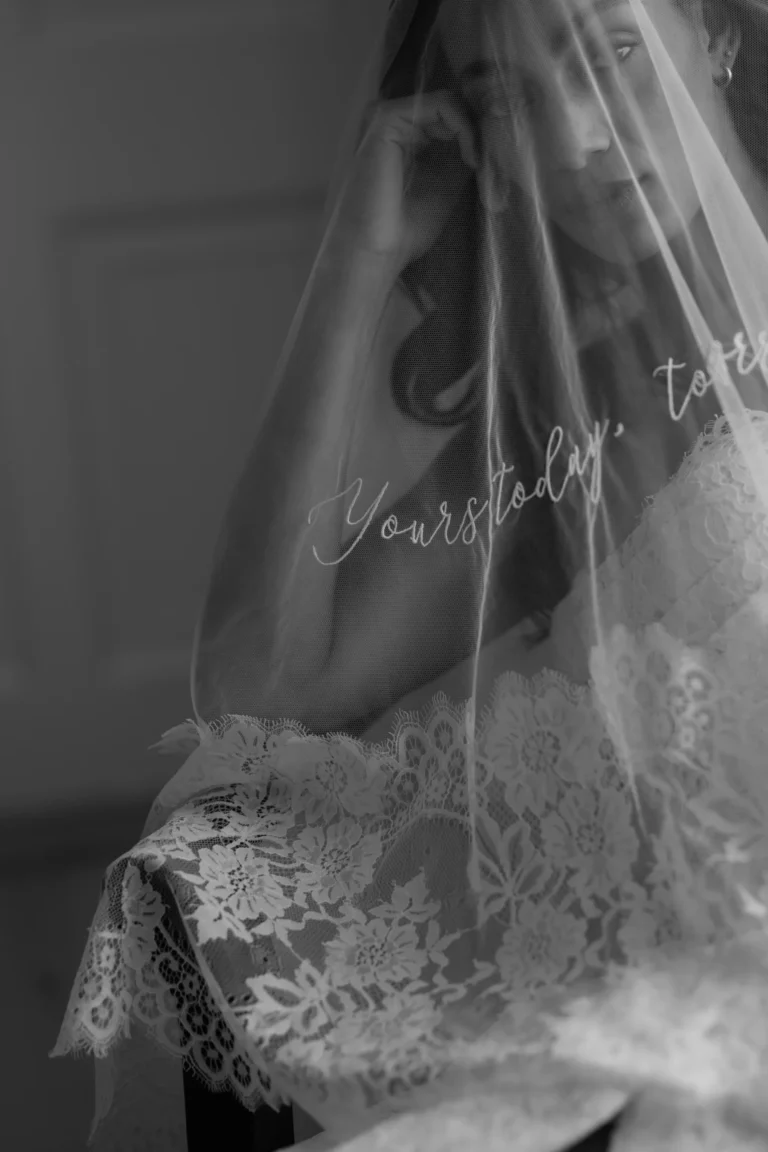








The marriage of Lauren and Elliot at the newly established Limekiln venue near Tunbridge Wells in June marked a significant convergence of modern British wedding trends and traditional cultural heritage. The ceremony, documented by photographers Helaina Storey and Charlotte Dormoy, served as a case study in the growing popularity of personalized, DIY-led celebrations that prioritize individual cultural identity over conventional wedding archetypes.
Venue Selection and Logistical Context
Limekiln, situated in the Kent countryside, has rapidly emerged as a sought-after destination for couples seeking a contemporary, bespoke aesthetic. For the couple, the decision to host their nuptials at this specific location was driven by both proximity and architecture. With the groom, Elliot, having grown up in nearby Tonbridge, the venue offered a sense of regional familiarity.
The wedding took place at a time when the UK wedding industry has seen a resurgence in demand for "dry hire" or exclusive-use venues, allowing couples greater autonomy in selecting vendors. As the venue was in the final stages of its initial development and furnishing phase, the couple were able to secure a date in 2025, accommodating a large guest list while benefiting from the venue’s pristine, newly minted facilities. This logistical advantage highlights a trend where couples are increasingly scouting emerging venues to avoid the scheduling constraints associated with more established heritage sites.
Chronology of the Celebration
The wedding day was structured to balance formal ceremony requirements with a highly curated, culturally significant reception. The sequence of events began with a ceremony officiated by a local council celebrant. To streamline the legal requirements, the couple opted for a concise set of vows, choosing instead to focus on personal, private expressions of commitment. On the morning of the wedding, the couple exchanged handwritten letters in separate locations, a practice that has become a staple in contemporary wedding photography for its emotional resonance and visual narrative value.
Following the ceremony, the transition to the wedding breakfast was marked by a surprise entry featuring dhol players, signaling the shift from the civil ceremony to a celebration of the bride’s Indian heritage. The evening culminated in a reception featuring live music from the Anthem Band, with a deliberate departure from the traditional first dance, opting instead for a communal atmosphere that encouraged guests to interact across various areas of the venue.
Cultural Integration and Personal Styling
A central theme of the event was the intentional incorporation of the bride’s Indian heritage. Rather than adopting a singular cultural aesthetic, the couple utilized a hybrid approach. The bride’s wardrobe transition was particularly notable: she began the day in a Divine Atelier top paired with a bespoke skirt by Bibi Luxe Studio, later changing into a custom white sari designed by Shloka Khialani.
This second look was the result of a collaborative design process involving Marni of Bibi London Couture. By engaging in a real-time consultation with the designer in India via video call, the bride was able to ensure that her outfit reflected both her personal vision and cultural authenticity. Furthermore, the mother of the bride also wore a custom fusion outfit, bridging the generational gap and ensuring that the visual representation of heritage extended beyond the immediate bridal party.
The integration of heritage was not limited to fashion. In consultation with her grandmother, known as "Ba," the bride curated a selection of Indian spices as guest favors. Each favor included a personalized recipe card for both vegetarian and meat-based curries, providing guests with a functional and educational takeaway. This emphasis on culinary heritage reflects a broader shift toward "experience-based" wedding favors, moving away from decorative trinkets toward items that hold personal, familial significance.
DIY Craftsmanship and Economic Considerations
The wedding served as a testament to the viability of DIY planning in the high-end wedding sector. The bride, leveraging her previous experience in floristry, managed the floral arrangements for the tables and venue herself. By sourcing materials through Triangle Nursery and drying petals for confetti, she significantly reduced the logistical overhead while ensuring the aesthetic remained consistent with her mood board.
While the couple did not adhere to a rigid, pre-defined budget, they adopted a strategy of mindful expenditure. By focusing on specific, high-impact areas—such as custom clothing and entertainment—and handling elements like stationery design and floristry in-house, they maintained control over both the quality and the financial footprint of the event.
The catering was handled by Kalm Kitchen, with the menu designed to reflect the couple’s preferences, specifically addressing the groom’s diagnosis of a genetic form of diabetes. The exclusion of a traditional wedding cake in favor of other culinary focuses demonstrates a shift toward health-conscious and inclusive menu planning, where dietary requirements are integrated into the event design rather than treated as an afterthought.
Challenges and Contingency Planning
The wedding highlighted the importance of contingency planning in large-scale event management. A notable incident occurred when the bride’s corset top was left at her residence in Guildford, despite the venue being located in Tunbridge Wells. The successful retrieval of the garment, facilitated by a cousin, underscores the necessity of having a reliable support network—often referred to in industry parlance as the "bridal squad"—to manage unexpected logistical crises. This incident also serves as a cautionary tale regarding the complexities of multi-site event logistics and the critical nature of pre-event checklists.
Broader Industry Implications
The success of Lauren and Elliot’s wedding underscores several emerging trends in the UK wedding sector:
- Cultural Hybridity: Modern weddings are increasingly characterized by the seamless blending of diverse cultural traditions. This move away from "monocultural" ceremonies suggests that modern couples are prioritizing their unique family narratives over traditional expectations.
- The Rise of the "Architectural" Venue: The preference for venues like Limekiln, which offer a clean, high-design canvas, indicates a demand for spaces that allow for complete creative control.
- The Digital-Analogue Blend: The choice of photography—capturing images in both digital and analogue formats—is reflective of a wider trend in wedding media, where the nostalgia of film is used to complement the efficiency of high-resolution digital imagery.
- DIY Professionalism: As seen in the bride’s approach to floristry and stationery, there is a growing trend of "skilled DIY," where couples leverage their own professional or hobbyist expertise to add a layer of authenticity to their wedding, rather than outsourcing every element.
Official Statements and Observations
While no formal corporate statements were issued regarding the event, the collaborative effort between the venue, the designers (such as Shloka Khialani and Bibi Luxe Studio), and the photography team (Helaina Storey) illustrates the importance of a cohesive vendor ecosystem. For couples looking to replicate this level of personalization, the primary takeaway is the importance of early planning and the utilization of a unified design vision—often expressed through a detailed mood board—to communicate expectations to vendors.
As the wedding industry continues to evolve, the focus is shifting away from prescriptive, "off-the-shelf" wedding packages toward highly customized, narrative-driven events. The celebration at Limekiln provides a clear roadmap for how cultural heritage, personal history, and modern aesthetics can be synthesized into a coherent, celebratory experience. For future couples, the advice provided by the bride—to evaluate past wedding experiences to determine personal preferences—remains a foundational piece of wisdom for navigating the planning process with clarity and intention.