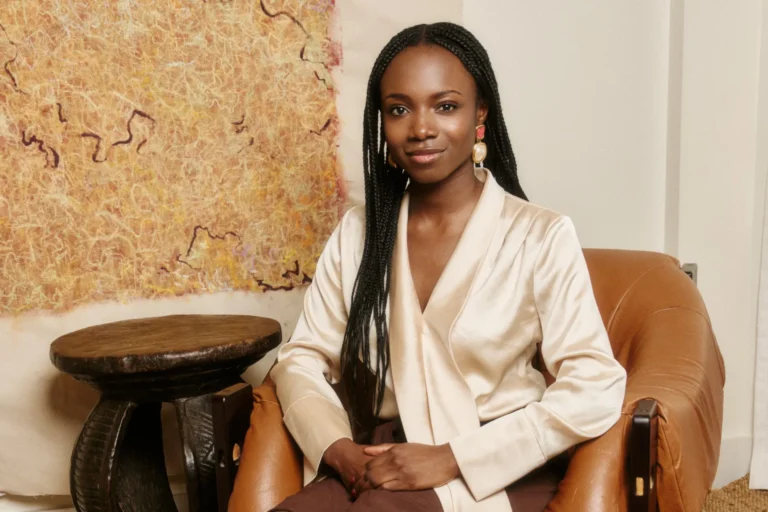









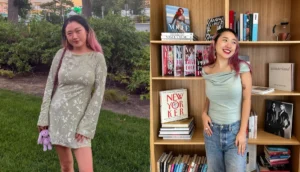
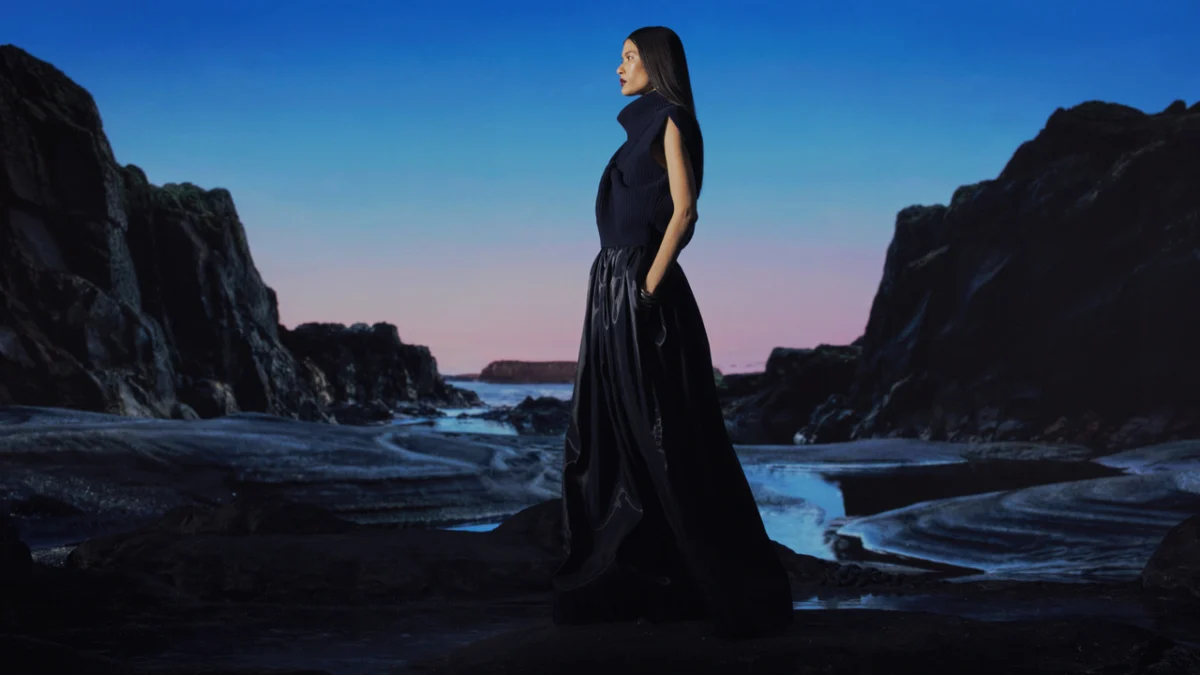
The intersection of high fashion and generative artificial intelligence reached a new milestone this Saturday as designer Kate Barton unveiled her latest collection at New York Fashion Week (NYFW). Moving beyond the traditional runway format, Barton’s presentation featured a sophisticated technological activation developed in partnership with Fiducia AI and powered by IBM’s watsonx platform. This collaboration introduced a multilingual AI agent designed to act as a digital concierge, allowing attendees to identify specific garments from the collection, engage in real-time dialogue about the designs, and participate in photorealistic virtual try-ons.
The activation represents a significant shift in how luxury brands approach the "phygital" space—the merging of physical products with digital experiences. By utilizing IBM watsonx on IBM Cloud, the presentation sought to bridge the gap between the exclusive nature of a fashion show and the interactive expectations of a modern, tech-savvy global audience.
The Technical Architecture of the Barton-Fiducia Collaboration
At the core of the presentation was a production-grade visual AI lens. Unlike standard chatbots or basic image recognition tools, this system was engineered to detect the specific silhouettes, textures, and structural nuances of Barton’s new collection. Ganesh Harinath, the founder and CEO of Fiducia AI, noted that the project utilized a comprehensive suite of IBM technologies, including IBM watsonx, IBM Cloud, and IBM Cloud Object Storage.
According to Harinath, the primary challenge of the project was not merely the tuning of the AI models but the complex orchestration required to make the experience seamless for the end user. The AI agent was programmed to be multilingual, capable of responding to inquiries via both voice and text in any language. This functionality is particularly relevant for New York Fashion Week, an event that draws international buyers, journalists, and influencers from across the globe.
The virtual try-on component utilized advanced computer vision to create photorealistic overlays. By analyzing the user’s proportions and the physics of Barton’s garments, the AI provided a high-fidelity representation of how the clothes would move and sit on a human frame. This move addresses a long-standing hurdle in digital fashion: the difficulty of conveying the tactile and structural quality of luxury materials through a screen.
A Philosophy of "AI as a Portal"
For Kate Barton, the integration of technology is not a peripheral marketing tactic but a fundamental element of her creative process. Speaking on her approach to the NYFW presentation, Barton emphasized that the goal was to create a "portal" into the world of the collection rather than utilizing "AI for AI’s sake."
Barton’s design language often explores the boundary between the real and the unreal, a theme that lends itself naturally to augmented and virtual realities. "Today, tech is a tool for expanding the world around the clothes, how they are presented, and how people enter the story," Barton stated. She suggested that the technology serves to create a "double take" moment—a sense of curiosity that encourages the viewer to look closer at the craftsmanship of the physical garment.
This philosophy distinguishes Barton from other designers who may view AI as a threat to traditional artistry. By positioning the AI agent as a storytelling tool, she aims to deepen the narrative of the collection rather than automate the creative output.
Chronology of Fashion’s Technological Evolution
The Saturday presentation is the latest chapter in a growing timeline of technological experimentation at New York Fashion Week. To understand the significance of Barton’s latest move, it is necessary to look at the preceding developments in the industry:
- 2014-2016: Early experiments with wearable technology and 3D printing began appearing on runways, though they were often viewed as "gimmicks" rather than scalable retail solutions.
- 2020-2021: The COVID-19 pandemic forced a rapid pivot to digital fashion shows. Brands like Hanifa pioneered the use of 3D-rendered invisible models, setting the stage for more sophisticated virtual presentations.
- 2023: Kate Barton began her collaboration with Fiducia AI, experimenting with AI models in her previous season’s presentation. This initial phase focused on the visual aesthetics of AI-generated imagery.
- 2024-2025: The focus shifted from generative imagery to functional utility. Barton’s current integration of IBM watsonx represents the move toward "production-grade" AI that assists in consumer engagement and logistics.
The progression suggests that the industry is moving out of the "experimental" phase of AI and into an "operational" phase where the technology provides measurable value to both the designer and the consumer.
Market Context and Industry Data
The adoption of AI in the fashion sector is backed by significant economic projections. According to a report by McKinsey & Company, generative AI could add between $150 billion to $275 billion to the apparel, fashion, and luxury sectors’ profits over the next three to five years.
Data from Statista indicates that the global market for AI in fashion was valued at approximately $0.65 billion in 2022 and is expected to grow at a compound annual growth rate (CAGR) of 40% through 2030. The primary drivers for this growth include:

- Personalization: AI-driven recommendations and virtual try-ons.
- Supply Chain Optimization: Using predictive analytics to reduce overproduction and waste.
- Customer Experience: Multilingual support and interactive brand storytelling.
Barton’s use of a multilingual AI agent aligns with these trends, particularly the demand for hyper-personalized consumer experiences. As luxury brands seek to maintain a "white-glove" service standard in a digital environment, AI agents capable of nuanced conversation become essential tools.
Addressing Reputational Risks and Ethical Concerns
Despite the clear benefits, the fashion industry remains cautious. Barton noted that while many brands are already utilizing AI in their back-end operations—such as inventory management and data analysis—fewer are willing to use it publicly. This hesitation often stems from a fear of "reputational risk" and the potential backlash from consumers who value the "human touch" of luxury fashion.
"Maybe fewer are using it publicly because of the potential reputational risk," Barton observed. She compared the current climate to the early days of the internet, when luxury houses were hesitant to launch websites for fear of "diluting" their brand exclusivity. Over time, that hesitation vanished, and the focus shifted from whether a brand should be online to whether its online presence was effective.
Barton is vocal about the ethical implications of the technology. She emphasized that AI should not be used to "erase people" or replace the artisans who create the garments. For Barton, the future of the industry depends on clear discourse regarding licensing, credit, and the preservation of human creativity. "If the technology is used to erase people, I am not into it," she stated, adding that audiences are sophisticated enough to distinguish between genuine invention and the mere avoidance of human labor.
Official Perspectives on the Future of Retail
The collaboration also highlights the role of major technology firms like IBM in shaping the future of retail. Dee Waddell, Global Head of Consumer, Travel, and Transportation Industries at IBM Consulting, emphasized that AI is transitioning from a "feature" to a "growth engine." According to Waddell, when product intelligence and consumer engagement are connected in real-time, it creates a measurable competitive advantage.
From a technical standpoint, the use of IBM watsonx provides the security and scalability that luxury brands require. As these brands handle sensitive consumer data and proprietary designs, the "enterprise-grade" nature of the AI becomes a critical factor in adoption.
Ganesh Harinath of Fiducia AI predicts a rapid normalization of these tools. He expects AI to be a standard component of the fashion experience by 2028. By 2030, he anticipates that AI will be so deeply embedded into the operational core of retail that it will no longer be viewed as a "tech spin" but as the baseline for doing business.
Broader Implications for the Fashion Ecosystem
The successful deployment of a multilingual, interactive AI at New York Fashion Week suggests several long-term shifts for the industry:
1. The Democratization of the Front Row: By allowing users to interact with a collection through a digital agent, brands can offer an "insider" experience to a global audience, breaking down the traditional barriers of entry to high-fashion events.
2. Reducing the Return Rate: Virtual try-on technology directly addresses one of the most significant financial and environmental burdens in fashion: returns. By providing a more accurate visualization of fit and drape, brands can significantly reduce the likelihood of consumer dissatisfaction.
3. Data-Driven Design: The interactions between the AI agent and the guests provide designers with real-time data on which pieces are generating the most interest, which questions are being asked most frequently, and what styles are being "tried on" the most. This data can inform future production volumes and design directions.
As the curtains close on this season’s New York Fashion Week, the conversation surrounding Kate Barton’s presentation remains focused on the balance between tradition and innovation. For Barton, the goal remains clear: to use the most advanced tools available to heighten craft and deepen storytelling, without losing the human essence that makes fashion worth wearing. The "phygital" future she envisions is not one of automated fashion, but one where technology serves as a powerful amplifier for human creativity.