






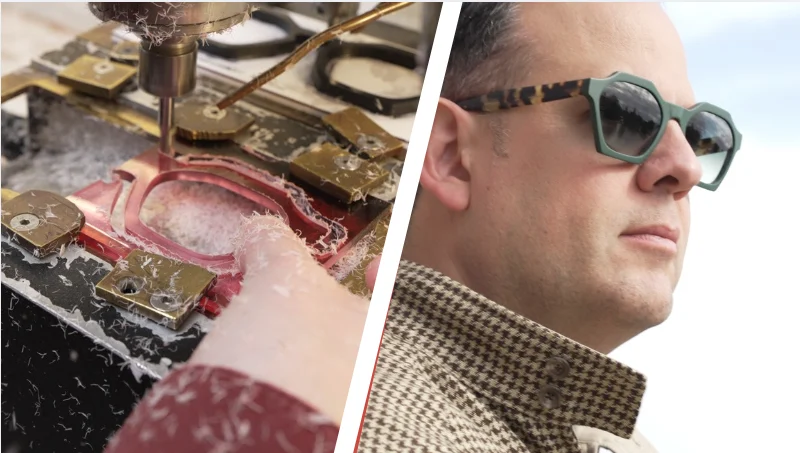
The ubiquitous challenge of ill-fitting eyeglasses – frames that perpetually slide down the nose, pinch uncomfortably at the temples, or leave unsightly red marks – is a common frustration for millions worldwide. This prevalent issue, often attributed to the wearer’s unique facial structure, is in fact a systemic flaw inherent in the mass-production model of the eyewear industry, where frames are designed to a limited set of fixed sizes rather than the nuanced individuality of the human face. Recognizing this gap in comfort and style, Sven Raphael Schneider and Jack Collins of the Gentleman’s Gazette recently embarked on a comprehensive journey into the world of bespoke eyewear, commissioning a custom pair of acetate eyeglasses from the esteemed Viennese atelier, Schau Schau Brillen. Their experience, meticulously documented, offers a revealing insight into the precision, artistry, and unparalleled comfort that only true bespoke craftsmanship can deliver.
The Enduring Challenge of Off-the-Rack Eyewear
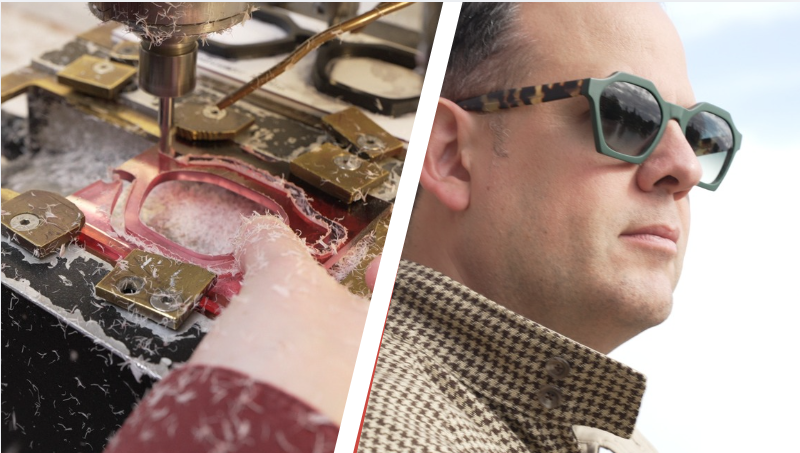
For decades, the global eyewear market has been dominated by a handful of large conglomerates, streamlining production and distribution to offer a vast array of styles at various price points. While this has made corrective lenses accessible to a broad demographic, it has inadvertently standardized fit to a degree that compromises comfort and aesthetic harmony for many. Standardized frames are manufactured with predetermined measurements for bridge width, temple length, and lens shape, assuming a ‘one-size-fits-most’ approach. However, facial anatomy is profoundly diverse, encompassing variations in nose bridge height and width, temple curvature, pupillary distance, and the overall breadth and depth of the face. Consequently, a significant portion of eyewear users contend with frames that are either too loose, too tight, misaligned, or simply do not complement their features optimally. This leads to persistent discomfort, visual obstructions from sliding frames, and a general dissatisfaction that many have come to accept as an unavoidable aspect of wearing glasses. The Gentleman’s Gazette’s initiative sought to highlight that such compromises are, in fact, entirely avoidable through the personalized approach of bespoke craftsmanship.
Schau Schau Brillen: A Legacy of Precision in Vienna
Nestled in the historic city of Vienna, Schau Schau Brillen stands as a bastion of traditional optical artistry combined with contemporary design sensibility. Established with a philosophy centered on individualized fit and meticulous handcraftsmanship, the atelier has cultivated a reputation for creating eyewear that is not merely functional but a true extension of the wearer’s personality and physiognomy. Their showroom on Rotenturmstraße serves as the initial point of contact, where clients engage in detailed consultations, while the intricate process of frame construction unfolds at their dedicated workshop in Perchtoldsdorf. This dual approach—combining expert optical knowledge with skilled artisan fabrication—positions Schau Schau Brillen as a premier destination for those seeking an elevated eyewear experience. The brand’s commitment to bespoke principles aligns perfectly with the Gentleman’s Gazette’s ethos of advocating for quality, craftsmanship, and timeless style.

The Gentleman’s Gazette’s Bespoke Journey Begins
The commissioning process for Sven Raphael Schneider’s bespoke acetate eyeglasses commenced with a return visit to Schau Schau Brillen, where he and Jack Collins were guided through the initial consultation by Optician Paul. This wasn’t a mere selection from a catalog; it was an in-depth exploration of facial characteristics, personal style, and functional requirements. Paul, an expert in facial morphology and optical fitting, meticulously assessed Sven’s unique features, observing how previous frames had interacted with his face and identifying areas where improvements could be made. The goal was not just to correct vision, but to craft a frame that would seamlessly integrate with Sven’s face, enhancing his appearance while offering unparalleled comfort.
The Art and Science of Measurement
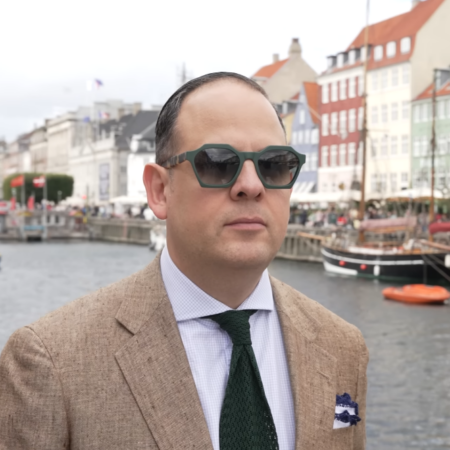
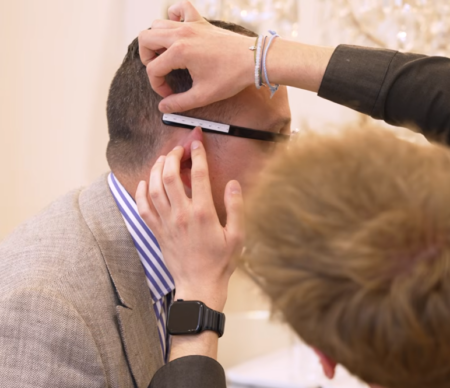
The cornerstone of any bespoke creation is precise measurement, and eyewear is no exception. Unlike the generic metrics used for off-the-rack frames, Paul employed a suite of specialized tools and techniques to capture every relevant dimension of Sven’s face. Key measurements included:
- Bridge Height and Width: Crucial for ensuring the frame rests comfortably on the nose without sliding or pinching. An improperly fitted bridge can lead to red marks, discomfort, and constant adjustments.
- Temple Length: Often overlooked in standard fittings, this measurement determines how far the arms of the glasses extend along the side of the head before curving over the ear. As highlighted in the video, "Temple length is the one measurement most people have never actually had taken." Incorrect temple length is a primary reason why glasses constantly slide down or feel too tight behind the ears. Bespoke temples are crafted to the wearer’s specific hinge-to-ear distance, ensuring a secure yet gentle hold.
- Pupillary Distance (PD): Essential for aligning the optical center of the lenses with the center of the wearer’s pupils, ensuring optimal visual clarity and reducing eye strain.
- Facial Contours and Asymmetries: Subtle differences in facial structure, often imperceptible to the untrained eye, are accounted for. This includes the angle of the cheekbones, the width of the face at different points, and any minor asymmetries that might affect the frame’s balance.
- Pantoscopic Tilt: The angle at which the bottom of the lenses tilts inward towards the cheeks. This affects not only vision but also the aesthetic flow of the frame on the face.
These detailed measurements form the blueprint for the frame, ensuring that every curve and angle is tailored to the individual, addressing both functional and aesthetic considerations.
Crafting the Vision: Material Selection and Design
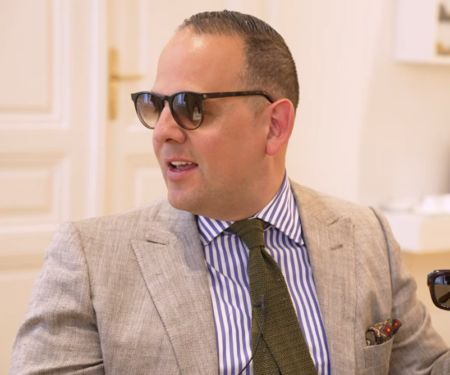
With the measurements meticulously recorded, the next phase involved material selection and design refinement. Sven and Jack opted for acetate, a versatile and popular choice in bespoke eyewear. Acetate, derived from cotton fibers, is known for its lightweight properties, hypoallergenic nature, and remarkable ability to hold vibrant colors and intricate patterns. This offers a stark contrast to natural materials like buffalo horn, which, while luxurious, is harder to work with and offers a more limited palette. The "Ask the Expert" section clarifies that horn, being keratin, is lighter and warms against the skin, developing a unique patina. However, acetate’s affordability and broader aesthetic range—especially given that genuine tortoiseshell has been illegal for decades—made it an attractive option for a truly personalized design.
The design process was collaborative, involving discussions on frame shape, thickness, and overall aesthetic. Sven Raphael Schneider articulated the essence of bespoke eyewear, stating, "Bespoke eyewear is designed to fit you perfectly on a comfort level, but also a stylistic level – and that’s truly what it’s all about." This philosophy guided the choices, ensuring the final product would not only be comfortable but also harmoniously complement Sven’s facial features and personal style. This stage also allowed for critical design decisions, such as the modification of the bridge. Many standard frames feature a "keyhole" bridge—a common notch-shaped cutout. On certain face shapes, this can visually elongate or exaggerate the nose. For Sven’s commission, the decision was made to rebuild the bridge from the center out, removing the keyhole and slightly widening the frame to maintain balanced proportions, thereby correcting this visual effect entirely.
From Raw Acetate to Refined Frame: The Workshop Process
Once the design was finalized, the baton passed to artisan Hannah at Schau Schau Brillen’s workshop in Perchtoldsdorf. This is where the raw acetate sheets began their transformation into a finely crafted frame through a series of meticulous, hand-driven processes.
Precision in Every Cut and Curve
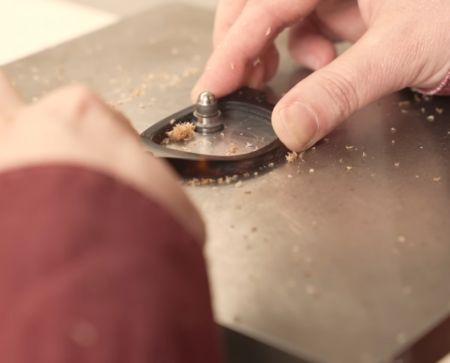
Hannah’s work embodies the dedication to precision that defines bespoke craftsmanship. The selected acetate sheet is first carefully marked according to the detailed design specifications. Using specialized cutting tools, the outline of the frame front and the temple pieces are precisely cut. This initial cutting is critical, as any deviation here would compromise the entire frame. The rough-cut pieces then undergo shaping, where Hannah meticulously files, sands, and molds the acetate to achieve the desired contours, thickness, and ergonomic fit. This stage requires an acute eye, steady hand, and deep understanding of the material’s properties. The process is entirely manual, allowing for continuous micro-adjustments that would be impossible with automated machinery.
The Critical Lens Channel
One of the most unforgiving steps in the entire build, as noted in the video, is the creation of the lens channel. "It either matches the lens exactly, or the entire front piece is useless." This channel, into which the corrective lenses will eventually be fitted, must be cut with absolute precision. The depth, width, and angle of the groove must perfectly accommodate the lenses, ensuring a secure fit without any undue stress on the frame or the lenses themselves. This intricate task highlights the artisan’s skill and the irreversible nature of mistakes in bespoke work, underscoring the value of Hannah’s expertise.
The Alchemy of the Tumbling Drum
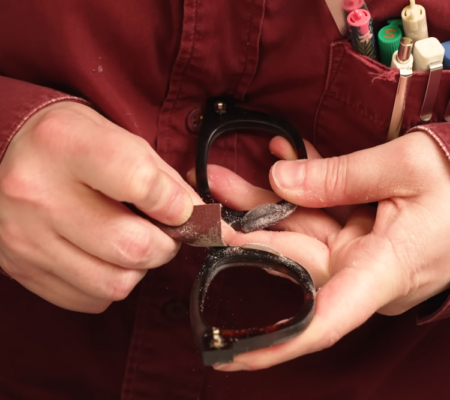
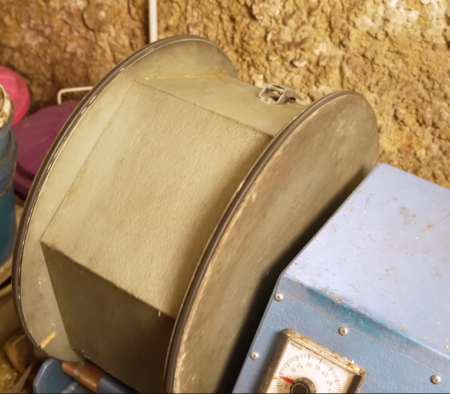
After the primary shaping and cutting, the frames are far from finished. They possess a somewhat matte, rough texture. To achieve the signature lustrous finish and smooth feel of high-quality acetate, the frames undergo an extensive polishing process in a tumbling drum. This stage, lasting between 24 and 28 hours, involves placing the frames in a rotating drum filled with polishing media, often wood chips saturated with special polishing compounds. This continuous, gentle abrasion gradually smooths the acetate, removes any remaining tool marks, and brings out its inherent sheen. As the video insightfully points out, "The bespoke process forces you to have patience, and that patience is the actual product you’re buying." This time-intensive step is not wasted; it is crucial for both the aesthetic appeal and the tactile comfort of the finished product, ensuring the frame feels incredibly smooth against the skin and possesses a deep, enduring luster.
The Unseen Difference: Why Bespoke Fit Transcends Aesthetics
The investment in bespoke eyewear extends far beyond mere aesthetics; it delivers a tangible improvement in daily comfort and visual experience. The detailed measurements and handcrafted construction directly address the common complaints associated with off-the-rack glasses.
Correcting Visual Proportions: The Keyhole Bridge Reimagined
The "Ask the Expert" section elaborates on how a keyhole bridge, a standard design feature in many frames, can visually exaggerate the length of the nose on certain face shapes. By rebuilding the bridge from the center out and widening the frame slightly, Schau Schau Brillen was able to correct this effect entirely for Sven Raphael Schneider. This bespoke adjustment not only improved the physical fit by distributing weight more evenly across the nose but also created a more balanced and flattering visual proportion for his face. This level of personalized aesthetic correction is simply unattainable with mass-produced options.
The Overlooked Metric: Temple Length’s Impact on Stability

Another critical insight from the "Ask the Expert" segment concerns temple length. Most opticians do not properly measure this dimension because standard frames are only available in a few fixed lengths. This leads to temples that are either too short, pulling the frame forward, or too long, causing the glasses to slide down. The bespoke fitting, using a calibrated arm to measure the precise hinge-to-ear distance, offers the true solution to constantly sliding glasses. By tailoring the temple length, the frame achieves a stable, secure fit that eliminates the need for constant adjustments, allowing the wearer to forget they are even wearing glasses.
Finally, the decision regarding lens color is deliberately postponed until the very end of the bespoke build. The final finish of the frame – whether matte or glossy, and the exact tone of the acetate – significantly alters how a specific lens tint appears. Choosing the lens before the frame is fully finished would be akin to selecting a paint color without seeing the wall it’s intended for, leading to potentially mismatched or undesirable results. This meticulous sequencing ensures every element harmonizes perfectly.
A Daily Indulgence: The Experience of Bespoke Eyewear

The culmination of this intricate process is a pair of eyeglasses that offers an unparalleled wearing experience. The final round of live adjustments, made in fractions of a millimeter, ensures that the frame sits perfectly, providing optimal comfort and vision. As Jack Collins eloquently put it, "A bespoke suit may be an investment you enjoy wearing occasionally, but bespoke glasses are something I love wearing daily." This sentiment encapsulates the unique value proposition of bespoke eyewear: it is a functional item transformed into a daily luxury, an investment that continuously delivers comfort, confidence, and impeccable style. The true measure of a perfect fit, as one of the video highlights notes, is when "You only know the fit is perfect when you stop thinking about the glasses entirely."
The Broader Landscape: Bespoke Craftsmanship in a Mass-Produced World
The Gentleman’s Gazette’s exploration of bespoke eyewear at Schau Schau Brillen is not an isolated event but part of a broader trend celebrating the resurgence of traditional craftsmanship in an increasingly automated and mass-produced world. Consumers, particularly those with discerning tastes, are increasingly valuing authenticity, durability, and personalized service over fleeting trends and disposable goods. This movement extends across various luxury sectors, from bespoke shoemaking (as exemplified by Maftei in Vienna, also featured by the Gentleman’s Gazette) and custom tailoring (like the bespoke dressing gowns from Zum Jockey Club) to handcrafted leather goods and, indeed, eyewear.
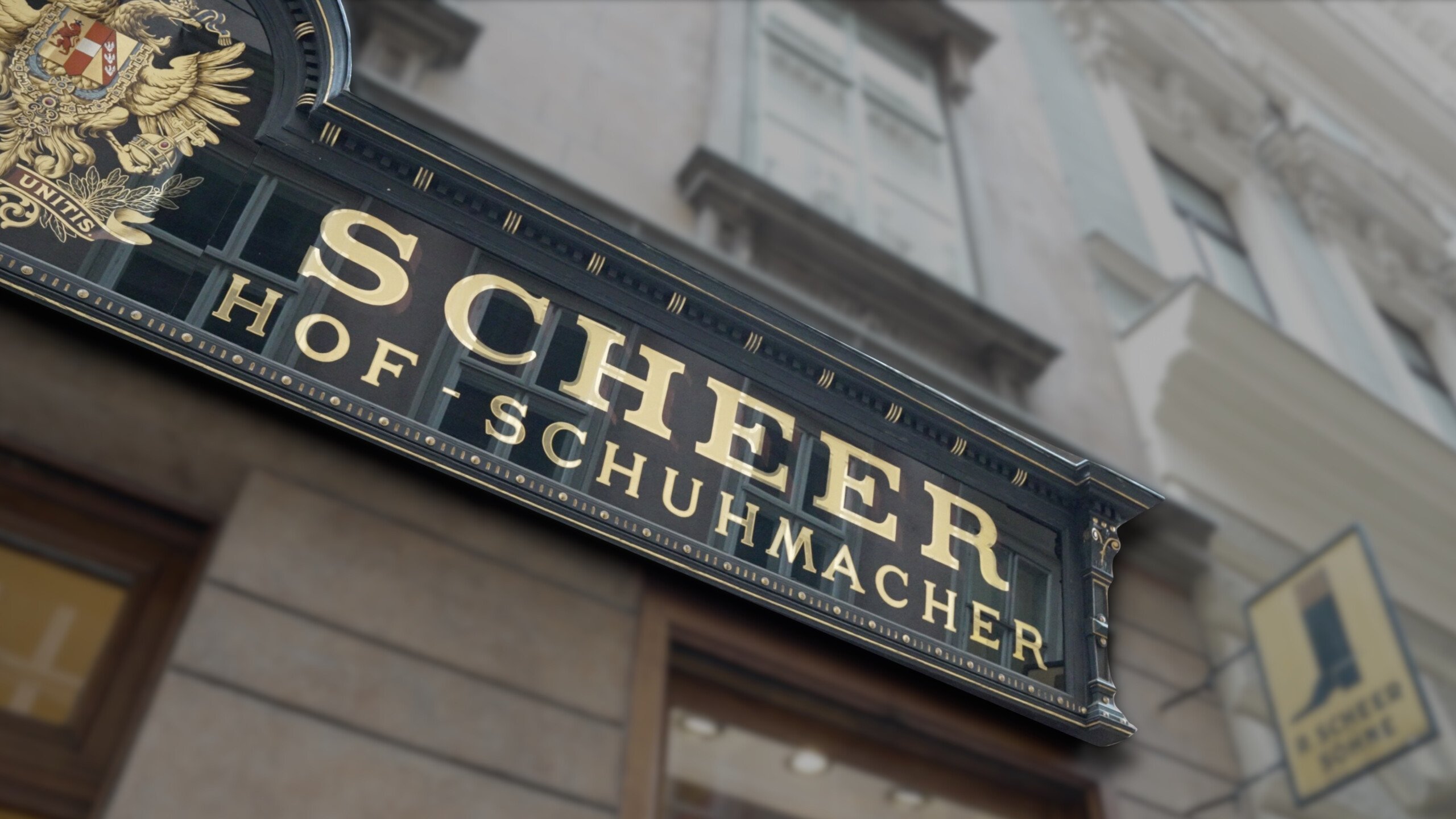
The implications of this trend are significant. It fosters greater consumer awareness about the superior quality and longevity of handcrafted items. It also champions sustainability, as bespoke products, built to last and perfectly suited to the individual, are less likely to be discarded due to poor fit or rapidly changing fashion. Moreover, the bespoke experience itself—the collaborative design, the anticipation of creation, and the final revelation of a perfectly tailored item—is a unique form of engagement that builds a deeper connection between the consumer and the product. Schau Schau Brillen, through its dedication to this philosophy, not only creates exceptional eyewear but also contributes to the preservation and evolution of a valuable artisanal tradition.
In conclusion, the journey undertaken by Sven Raphael Schneider and Jack Collins at Schau Schau Brillen underscores that eyewear need not be a source of daily irritation but can instead be a testament to comfort, style, and meticulous craftsmanship. By embracing the bespoke process, individuals can move beyond the limitations of mass production and discover glasses that are truly designed for them – a perfect fusion of optical science, artistic design, and enduring quality, ensuring clarity of vision and an effortless elegance that lasts a lifetime.