





The Unprecedented Heatwave: A Climatic Challenge for High Fashion
The meteorological conditions leading up to and during Paris Fashion Week Men’s SS27 were nothing short of extraordinary. From June 29th to July 3rd, 2026, Paris experienced a prolonged heatwave, with daily maximum temperatures consistently exceeding 35°C and frequently touching 38°C in the city center. This sustained heat surpassed previous records for early July, including the notable heatwave of 2003, prompting heightened public health alerts and disruptions across various sectors. For an event centered on elaborate presentations and layered fashion, these conditions presented an immediate and formidable challenge.
The Fédération de la Haute Couture et de la Mode (FHCM), the organizing body for Paris Fashion Week, issued advisories urging attendees and participants to prioritize hydration and seek shade. Behind the scenes, emergency protocols were activated, including increased air conditioning in show venues where possible, additional water stations, and medical staff on standby. Dr. Eleanor Vance, a climatologist at the Sorbonne University, commented on the situation: "This isn’t an isolated incident but part of a discernible trend of increasing frequency and intensity of heatwaves in Europe. For major international events like Fashion Week, it necessitates a fundamental re-evaluation of planning and infrastructure, considering both human comfort and environmental impact." The heat underscored the undeniable presence of climate change, even in the most glamorous of settings.
Runway Adaptations: Designers Respond to the Sweltering Conditions
The official schedule for Paris Fashion Week Men’s SS27 underwent a necessary reshuffle to mitigate the impact of the intense heat. Key designers and brands proactively adjusted their show timings, prioritizing the well-being of models, production crews, and attendees.
Jonathan Anderson, a prominent voice in contemporary fashion, notably moved his much-anticipated Dior Homme show to an unusually early 9:00 AM slot on the second day of the week. This strategic decision aimed to shield his "dishevelled aristocrat" muses from the harshest afternoon sun. The collection itself, while maintaining Dior’s signature blend of historical reference and modern tailoring, subtly reflected the season’s environmental context. Lightweight fabrics like linen blends and deconstructed silhouettes dominated, with a focus on ease and breathability. Anderson’s collection explored themes of elegant decay, where tailored jackets were paired with flowing, unlined trousers or even sophisticated shorts, hinting at a wardrobe designed for both formality and comfort in increasingly warmer climes.
Rick Owens, known for his dramatic and often conceptual presentations, also opted for an earlier time slot for his eponymous label. Beyond timing, Owens integrated practical solutions directly into his designs. Models, walking amidst a stark, almost apocalyptic set, were seen in exaggerated, inflated separates that discreetly incorporated miniature, battery-powered air conditioning units. This ingenious fusion of avant-garde design and functional climate control was a bold statement, blurring the lines between fashion as art and fashion as a practical response to environmental necessity. A fashion critic from Le Monde observed, "Owens not only acknowledged the heat; he weaponized it as a narrative device, showcasing how luxury and utility might merge in a climate-altered future."
The overarching message echoing from many runways this season was a clear departure from traditional menswear norms: "no trousers, no problem." This sentiment, while playfully articulated, pointed to a serious shift towards lighter, more liberating lower bodywear. At Saint Laurent, under the creative direction of Anthony Vaccarello, the catwalk was awash with impeccably suave, suited men who had conspicuously "ditched their trousers." The collection featured elongated blazers, crisp shirts, and luxurious vests, all paired with sleek, tailored shorts that exuded an air of effortless cool and subverted conventional formalwear. The collection was a masterclass in reinterpreting classic codes for a warmer world, maintaining elegance without sacrificing comfort.
Dries Van Noten’s collection further amplified the move towards relaxed silhouettes and natural fibers. His presentation was defined by an abundance of check shirts crafted from ultra-light cottons and silks, flowing, unlined coats that provided elegant coverage without weight, and loose tailoring that emphasized movement and air circulation. The color palette, too, reflected a shift towards sun-drenched hues and muted earth tones, suggesting a wardrobe designed for bright, warm days. Van Noten’s signature layering, usually a complex interplay of textures and patterns, was subtly adjusted to prioritize single, breathable layers that could be easily shed or added as temperatures fluctuated.
Willy Chavarria, known for his blend of streetwear and high fashion, also caught wind of the "less is more" brief. His collection showcased a distinctive blend of raw masculinity and luxurious textiles, proving that high-contrast pairings could still be achieved in the heat. Leather boots, often a staple, were surprisingly paired with silk boxers and boxy, unlined jackets, creating a look that was both audacious and functionally adapted to the climate. Chavarria’s approach highlighted a rebellious spirit, embracing unconventional pairings to achieve a balance between stylistic impact and thermal comfort. The inclusion of silk boxers as outerwear elements, rather than undergarments, epitomized the season’s daring reinterpretation of menswear staples.
Street Style in Survival Mode: Ingenuity on the Cobblestones
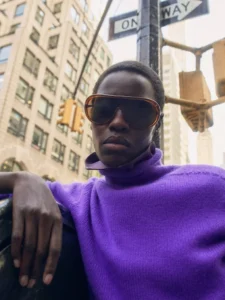
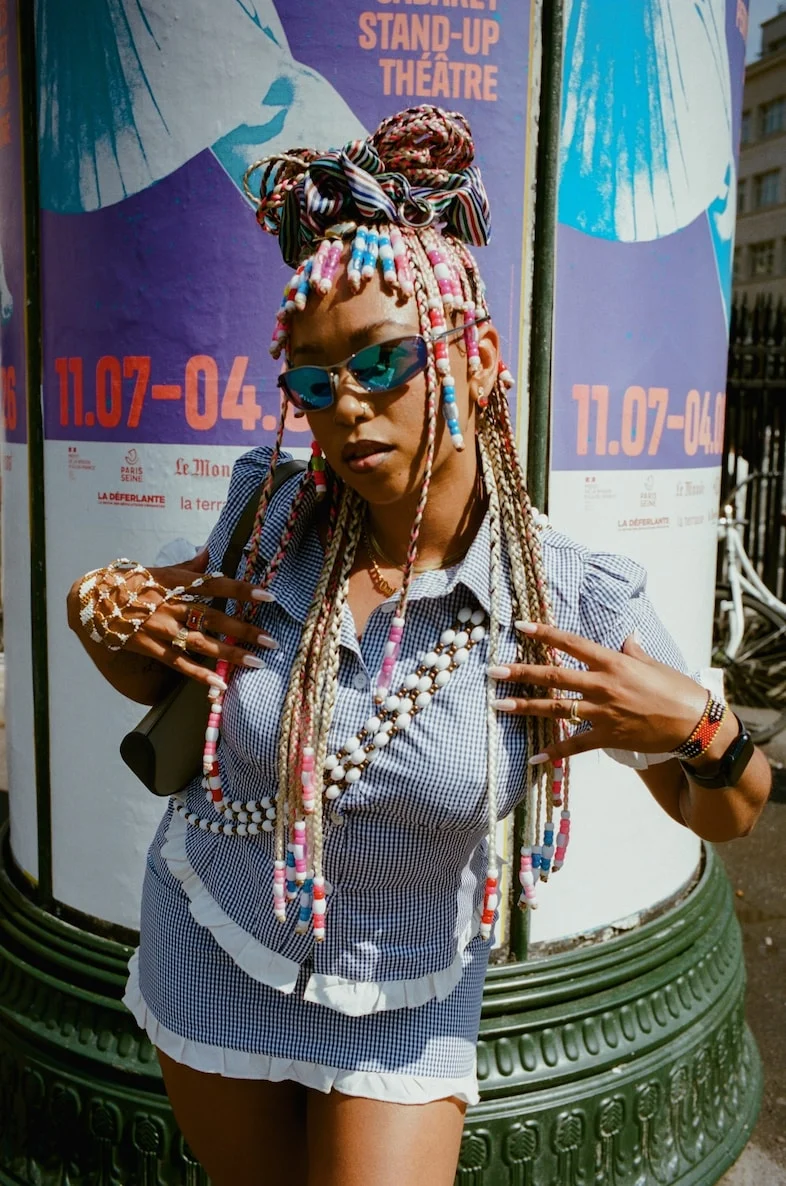
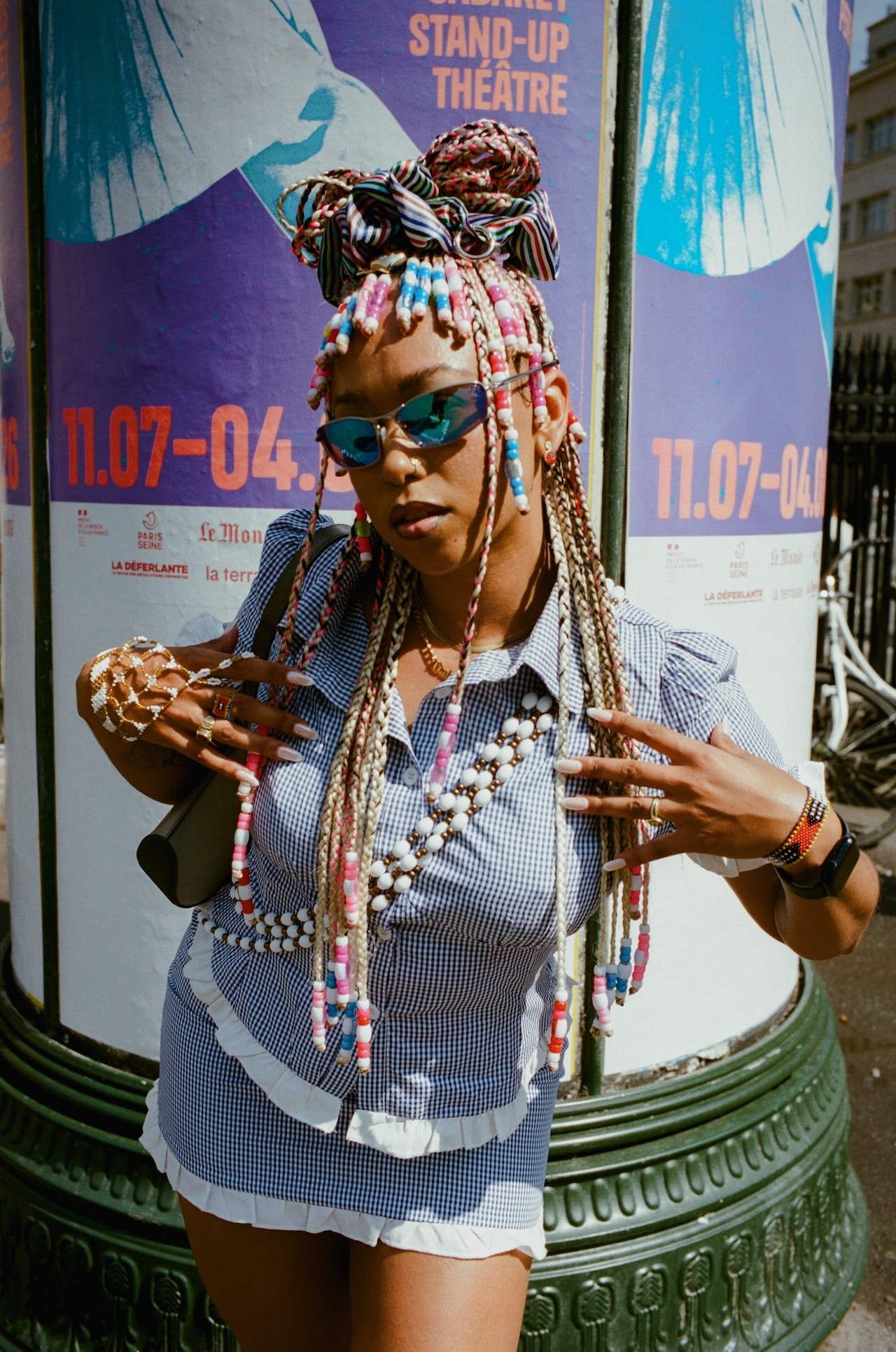
Beyond the curated environments of the runways, the sidewalks of Paris told their own story of sartorial ingenuity in the face of the heatwave. PFW showgoers, renowned for their influential street style, embraced "survival mode" with a blend of practicality and defiant flair. The age-old adage, "less is more," became an unofficial mantra, translating into visible trends that prioritized comfort without compromising on statement-making looks.
Bare midriffs were a ubiquitous sight, with cropped shirts, open vests, and strategically unbuttoned tops offering relief from the heat. This trend, historically more associated with womenswear, confidently asserted its place in men’s fashion, challenging traditional notions of masculine dressing. Hitched-up shorts, ranging from tailored Bermudas to athletic cuts, replaced long trousers as the preferred lower-body garment, often paired with oversized shirts or lightweight blazers for a smart-casual dichotomy. Free feet, liberated from heavy footwear, were seen in an array of designer sandals, slides, and minimalist espadrilles, underscoring a collective yearning for ventilation.
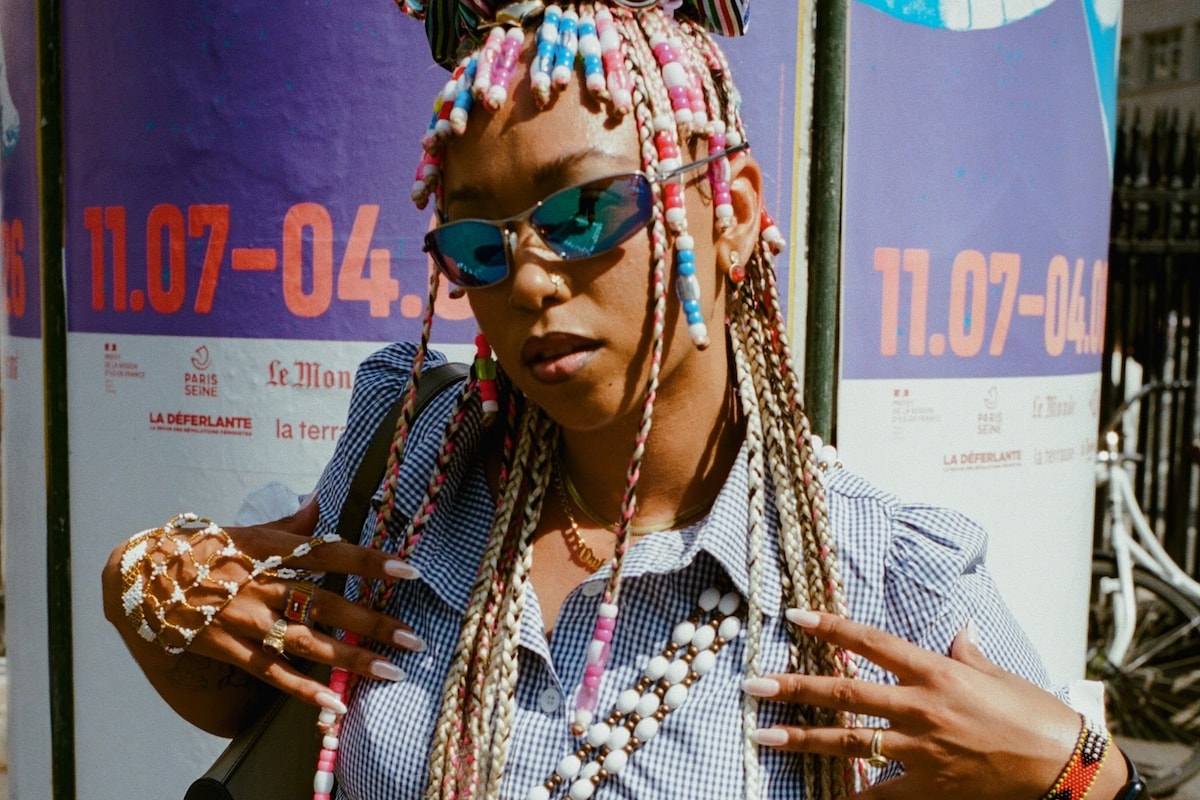
The accessories game also shifted. Ironic hand-held fans, once quaint novelties, became essential fashion statements, often personalized or branded, adding a touch of whimsical defiance to outfits. These fans were not merely functional; they were props in the elaborate theater of street style, wielded with a certain panache. One particularly memorable ensemble featured a "turd short set" – a bold, playfully patterned two-piece made from an ultra-light fabric, defying conventional aesthetics while perfectly addressing the heat. This exemplified the mood: playful, irreverent, and utterly dedicated to beating the heat in style.
Clashing colors mirrored the week’s color-drenched catwalks, suggesting that even under duress, the spirit of bold self-expression remained undimmed. Neon accents, vibrant primary hues, and unexpected color blocking provided a visual antidote to the oppressive atmosphere. Fabrics like seersucker, linen, mesh, and various sheer materials gained prominence, chosen for their breathability and lightweight properties. "It’s about making smart choices without sacrificing your personal brand," commented influencer Leo Chen, sporting a mesh tank top under an unlined blazer. "The heat forces you to be more creative with less."
A Broader Context: Climate Change and the Future of Fashion Events
The Paris Fashion Week Men’s SS27 heatwave serves as a stark reminder of the escalating impact of climate change on global industries, including the luxury fashion sector. As temperatures continue to rise globally, such extreme weather events are predicted to become more frequent and intense, posing significant questions for how major international events are organized and executed.
Paris, a city celebrated for its architectural beauty and outdoor spaces, relies heavily on pleasant weather for its cultural and commercial activities. The discomfort experienced during this PFW highlights the vulnerability of open-air shows, outdoor receptions, and even the simple act of navigating the city between venues. The logistical adjustments made this season, from early morning shows to climate-controlled designs, may well become standard practice rather than exceptional measures.
This incident also brings renewed urgency to the fashion industry’s ongoing discussions about sustainability. While "green" initiatives often focus on material sourcing and production processes, the environmental footprint of global travel for fashion week attendees and the energy consumption of climate-controlled venues also warrant closer scrutiny. The collective experience of the SS27 heatwave could accelerate the adoption of virtual reality presentations, localized fashion weeks, or a re-evaluation of the traditional fashion calendar itself.
Logistical Challenges and Future Implications
The FHCM is expected to conduct a comprehensive review of the SS27 season’s operations, with particular attention to climate resilience. A spokesperson for the FHCM, speaking anonymously due to ongoing internal evaluations, stated, "The safety and comfort of our participants are paramount. This season presented unprecedented challenges, and we are actively exploring all options, from alternative scheduling windows to integrating more climate-adaptive infrastructure for future events."
Potential implications include:
- Calendar Shifts: A permanent move for summer fashion weeks to earlier or later months, or a shorter, more concentrated schedule.
- Venue Innovations: Greater investment in sustainable cooling solutions for temporary venues and an emphasis on naturally ventilated spaces.
- Design Philosophy Evolution: A sustained focus on lightweight, breathable, and versatile garments in future collections, pushing designers to innovate beyond traditional seasonal constraints.
- Digital Integration: Further acceleration of digital presentations and virtual showrooms, reducing the need for extensive physical travel.
Economic and Cultural Impact
Paris Fashion Week is not just a cultural event; it is a significant economic engine for the city and the nation. Annually, PFW, encompassing both men’s and women’s ready-to-wear and haute couture, contributes an estimated €1.2 billion to the French economy, supporting thousands of jobs in hospitality, logistics, retail, and creative industries. While the SS27 men’s week proceeded despite the heat, anecdotal reports suggested a slight dip in attendance at some outdoor events and a shift in consumer behavior, with more reliance on air-conditioned taxis and indoor dining. The long-term economic impact of recurrent extreme weather events on such high-value, experience-driven industries remains a critical concern.
Culturally, Paris Fashion Week serves as a global barometer for trends, creativity, and cultural exchange. The adaptation demonstrated by designers and attendees alike during the SS27 heatwave showcased the resilience and innovative spirit inherent to the fashion community. It highlighted a collective understanding that fashion, while aspirational, must also remain grounded in the realities of the world.
Expert Commentary and Industry Outlook
Leading fashion critic, Isabelle Dubois, reflected on the season: "This PFW wasn’t just about clothes; it was a profound commentary on our changing world. The designers who truly excelled were those who didn’t fight the conditions but embraced them as a creative constraint, proving that elegance and innovation can thrive even when the thermostat pushes past its limits. It’s a wake-up call, but also a testament to fashion’s incredible ability to adapt and express the zeitgeist."
For the industry, the SS27 heatwave in Paris is more than just a memorable season; it is a pivotal moment that is likely to shape future design methodologies, event planning strategies, and the ongoing dialogue about fashion’s role in a climate-affected world. The images captured by photographers like Yu Fujiwara, showcasing daring yet practical street style amidst shimmering heat, will undoubtedly become emblematic of a season where fashion confronted its environmental reality head-on, proving that even in the hottest conditions, style finds a way to endure and evolve. The challenge now lies in transforming these reactive adaptations into proactive, sustainable practices that safeguard both creativity and our planet.