










In an evolving global marketplace, consumer demand for transparency and responsibility has spurred a critical reevaluation of foundational industries, including fashion. This publication’s editorial team rigorously curates and assesses highly-rated brands, utilizing a comprehensive ratings system to inform consumers. Purchases made through our provided links may generate a commission, which directly supports our independent journalistic work. For a deeper understanding of our editorial commitments, readers are encouraged to consult our editorial mission statement. This report focuses on the United States denim market, examining its historical significance, current sustainability challenges, and spotlighting brands that are actively championing ethical production practices. For consumers in the U.S. seeking alternatives to iconic, yet often unsustainable, legacy denim brands, this analysis presents a curated selection of more ethical choices originating from the region.
The Enduring Legacy and Environmental Footprint of American Denim
Blue denim jeans are perhaps one of the most universally recognized garments, deeply interwoven with American culture and history. Their narrative began in the mid-19th century with pioneers like Levi Strauss, whose company, Levi’s, founded in the U.S., played a pivotal role in refining and popularizing the style globally. Over generations, numerous major denim brands, including Gap, Lee, and Frame, have emerged from American soil, cementing the nation’s reputation as a powerhouse in denim manufacturing and design. However, this iconic status comes with a significant environmental and social cost, often obscured by the ubiquitous nature of the product.
Despite their vast influence and financial capabilities, many of America’s largest denim brands have demonstrated insufficient commitment or disclosure regarding responsible and ethical practices. Recent analyses by our analysts reveal that these industry giants frequently receive ratings no higher than a "It’s a Start" score for their sustainability efforts. This assessment reflects a disappointing reality, as these corporations possess the substantial resources and leverage necessary to drive significant improvements across their extensive global supply chains, arguably more so than smaller, emerging brands. The implications of this inertia are far-reaching, impacting environmental health, worker welfare, and the integrity of the fashion industry at large.
Why Sustainability in Denim is Imperative: Unpacking the Challenges
The journey of denim from raw cotton to a finished pair of jeans is fraught with sustainability challenges. At the forefront is the intensive process of indigo dyeing, which historically and presently poses significant health risks to factory workers due to exposure to hazardous chemicals. Furthermore, traditional dyeing methods are notoriously water-intensive, consuming vast quantities of fresh water. This process generates substantial wastewater, often laden with chemical pollutants, demanding sophisticated and costly treatment to prevent ecological damage. According to industry reports, manufacturing a single pair of conventional jeans can require thousands of liters of water, from cotton cultivation to finishing. For instance, the World Wildlife Fund (WWF) estimates that producing enough cotton for one pair of jeans can consume up to 7,000 liters of water.
Beyond production, the end-of-life cycle of denim presents another formidable hurdle. Jeans are typically not designed for easy disassembly, a prerequisite for efficient textile recycling. The inclusion of rivets, buttons, zippers, and various fabric blends complicates the mechanical and chemical recycling processes, rendering a significant portion of denim garments unrecyclable through current mainstream methods. This contributes directly to the staggering volume of textile waste accumulating in landfills worldwide. The Environmental Protection Agency (EPA) reported that textile waste accounted for 11.3 million tons in U.S. landfills in 2018, with clothing being a major component.
Conversely, denim possesses an inherent advantage: its remarkable durability. This characteristic, when coupled with responsible manufacturing practices and a conscious consumer approach, can transform denim into a relatively sustainable garment. If brands commit to reducing their environmental footprint and improving labor ethics, and consumers embrace practices such as extended wear, diligent repair, and participation in resale or donation circuits, the lifecycle impact of jeans can be significantly mitigated. This circular approach is crucial for moving beyond the linear "take-make-dispose" model prevalent in fast fashion.
The Evolution of Ethical Fashion: A Timeline of Awareness and Action
The late 20th and early 21st centuries witnessed a gradual but significant shift in consumer and industry awareness regarding fashion’s environmental and social impact.
- 1990s-Early 2000s: Initial concerns about "sweatshop" labor practices and environmental pollution in manufacturing emerge, largely driven by grassroots activism and investigative journalism. However, these concerns often remained niche.
- Mid-2000s: The rise of organic cotton and fair trade certifications begins to offer tangible alternatives, albeit on a small scale. Consumers start seeking out ethical labels, though availability is limited.
- 2013: Rana Plaza Collapse: The catastrophic factory collapse in Bangladesh, killing over 1,100 garment workers, served as a stark and tragic turning point. It brought global attention to the dire working conditions within the fast fashion supply chain, catalyzing widespread calls for greater transparency and accountability.
- Post-Rana Plaza: The "Who Made My Clothes?" movement gains momentum, leading to initiatives like Fashion Revolution Week. Brands face increasing pressure to disclose their supply chain information.
- Late 2010s-Present: Focus expands beyond labor rights to encompass broader environmental concerns, including water usage, chemical pollution, microplastic shedding, and carbon emissions. Technological innovations in sustainable materials, dyeing processes, and recycling techniques begin to gain traction. Watchdog organizations and rating systems, like Good On You, emerge to empower consumers with accessible, credible information.
This chronology underscores a growing understanding that ethical fashion is not merely a trend but a fundamental shift towards a more responsible industry paradigm.
Good On You’s Role in Navigating the Ethical Landscape
In response to the complexity of evaluating brand claims and the sheer volume of choices, platforms like Good On You have become indispensable. Our methodology involves a rigorous assessment of brands across three key pillars: Planet, People, and Animals. For the Planet aspect, analysts scrutinize environmental policies, material choices (e.g., organic, recycled, low-impact), water management, waste reduction, and carbon footprint mitigation strategies. For People, the focus is on labor conditions, fair wages, supply chain transparency, and worker empowerment. Animal welfare criteria assess the use of animal-derived materials and adherence to ethical sourcing standards. Each brand receives a rating, from "We Avoid" to "Great," based on publicly available information and verifiable data.
This comprehensive approach explains why many major US denim brands, despite their market dominance, often receive lower scores. While they may have made some commitments, their lack of comprehensive disclosure, slow implementation of systemic changes, or continued reliance on conventional, high-impact practices prevent them from achieving higher ratings. For instance, while a brand might commit to reducing water usage, a higher rating requires verifiable data, transparent supply chain mapping, and robust policies to protect all workers throughout their operations.
Pioneering a Better Future: Ethical Denim Brands from the United States
Recognizing the urgent need for change, a new wave of American denim brands is actively embracing more responsible practices. These brands demonstrate that style, durability, and ethics can coexist. The following is a curated selection of US-based brands (or those with denim as a main category) that are making strides towards greater sustainability:
Triarchy
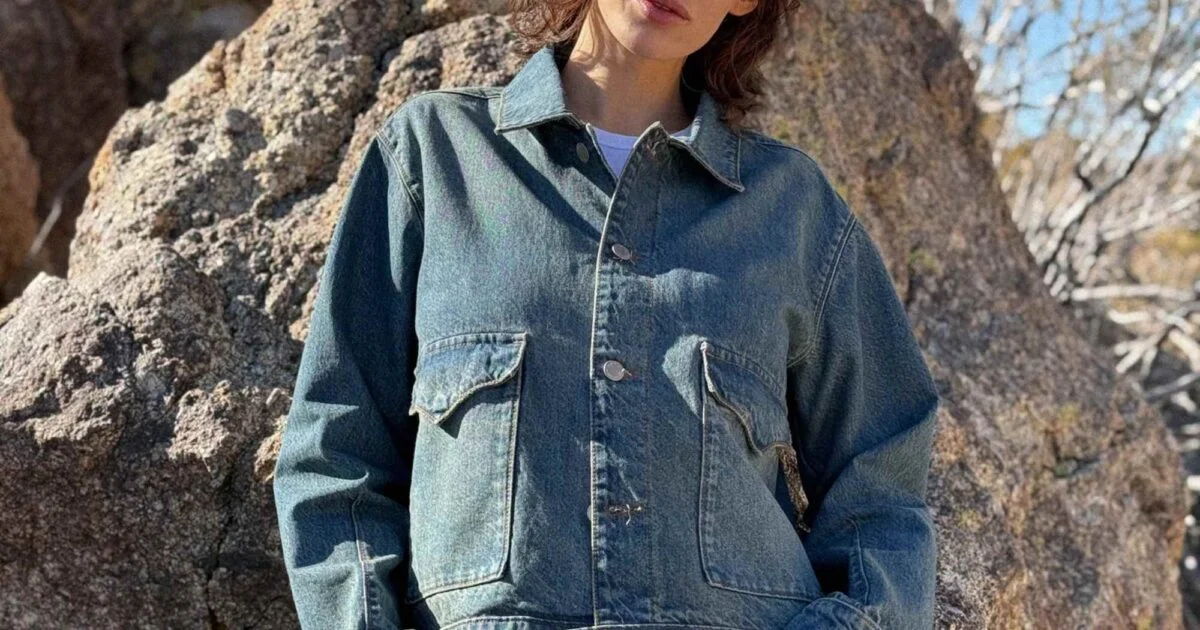
Based in the United States, Triarchy has distinguished itself through an unwavering commitment to innovative and environmentally conscious denim production. The brand offers a range of denim essentials, including jeans, skirts, shorts, jumpsuits, and jackets, all designed with sustainability at their core. A cornerstone of Triarchy’s approach is its advanced water recycling system, which reclaims and reuses an impressive 85% of the water consumed during its production processes. This significantly mitigates one of denim’s most notorious environmental impacts. Furthermore, Triarchy actively addresses the issue of "thick indigo laden sludge," a common byproduct of conventional denim dyeing that unmonitored factories frequently discharge into natural water systems. By consistently treating and reusing this sludge, the brand prevents harmful pollutants from entering ecosystems, showcasing a proactive stance against water pollution. Triarchy’s commitment extends to its material choices, often incorporating organic cotton and recycled fibers, and transparently detailing its supply chain. The brand’s products are typically available in US sizes 24-32, catering to a diverse clientele seeking both style and ecological integrity. Triarchy exemplifies how technological innovation and ethical principles can converge to redefine the future of denim manufacturing.
Minimalist
Minimalist, a brand anchored in New York City, embodies a philosophy of timeless design merged with radical sustainability. Its curated collection of women’s ready-to-wear pieces, including significant denim offerings, are all meticulously crafted within local New York factories. This localized production model not only supports the regional economy but also allows for stringent oversight of working conditions, ensuring fair wages and safe environments for garment workers – a critical component of the "People" pillar in sustainability ratings. Minimalist’s visionary approach extends to the entire lifecycle of its garments: pieces are designed from the outset to be recycled at their end of life, promoting a truly circular fashion system. The brand exclusively utilizes certified lower-impact materials, such as organic cotton or innovative recycled blends, minimizing its environmental footprint from the raw material stage. By championing local manufacturing, fair labor, and a commitment to circularity, Minimalist seeks to be a pivotal part of the solution to the fashion industry’s widespread challenges. Its collection is available in sizes XS-L, offering discerning consumers durable and ethically produced garments.
SLVRLAKE
Drawing profound inspiration from its home city of Los Angeles and the diverse landscapes of California, SLVRLAKE crafts premium denim that marries contemporary aesthetics with a strong commitment to sustainability. The brand’s ethos revolves around creating timeless garments engineered to endure, thereby encouraging a longer lifespan for each piece and counteracting the disposable nature of fast fashion. SLVRLAKE prioritizes the use of lower-impact materials, carefully selecting fabrics that minimize environmental harm without compromising on quality or feel. This includes working with cotton suppliers who adhere to better agricultural practices and exploring innovations in denim production that reduce water and chemical usage. The brand also emphasizes durable construction, ensuring that its jeans stand up to the test of time, reducing the need for frequent replacements. While the specifics of their water and chemical management are continually evolving, their stated mission to create lasting garments from more responsible materials positions them as a forward-thinking brand in the denim sector. SLVRLAKE’s collections, which feature a range of cuts and washes, are typically available in sizes 23-32, appealing to those who value both sophisticated design and environmental consciousness.
Outerknown
Co-founded by legendary surf champion Kelly Slater, Outerknown is a pioneering brand that seamlessly integrates high-performance style with an unwavering dedication to environmental protection and responsible sourcing. The brand’s foundational philosophy is to blend aesthetic appeal and functional utility with a profound respect for natural resources. Outerknown’s commitment to sustainability is evident through its various certifications and partnerships. It is a Bluesign certified brand, which signifies adherence to strict environmental standards throughout the textile production process, ensuring minimal impact on people and the planet. Furthermore, its partnership with the Fair Labor Association (FLA) underscores its dedication to upholding fair labor practices and promoting safe, ethical working conditions across its supply chain. Outerknown actively uses recycled fishing nets to create its Econyl fabric, repurposed cotton, and other organic and recycled materials in its denim and apparel lines. This commitment extends to advocating for circular design principles, promoting longevity, and supporting garment repair. The brand’s comprehensive range, including its popular denim selections, is available in inclusive sizes XS-2XL, catering to a wide audience that appreciates durable, responsibly made clothing designed for an active lifestyle.
Dickies
Dickies, a brand with a rich heritage in workwear, has begun to integrate sustainability into its long-standing tradition of durability and utility. While historically known for robust, practical garments, the brand has recently made a public commitment to reduce its greenhouse gas emissions. This commitment is a significant step, signaling an awareness of its environmental footprint and a move towards mitigating climate impact. However, the brand currently faces challenges in fully ensuring the payment of a living wage for all its workers across its supply chain, an area where further robust action and transparency are needed to align with best ethical practices. Despite this, when compared to other major workwear brands, Dickies often presents a better option for consumers seeking protective construction and durable gear. Its focus on creating long-lasting garments inherently supports a more sustainable consumption model, as durable items reduce the frequency of replacement. Dickies offers an extensive range in inclusive sizes from 2XS-6XL, providing accessible and hardy clothing options for various professions and lifestyles. Their ongoing efforts to address environmental impact, coupled with their inherent product longevity, position them as a brand in transition towards greater responsibility within the workwear sector.
Toad&Co
Toad&Co is a US-based brand that has long been a proponent of socially and environmentally minded practices within the apparel industry. With a philosophy centered on creating versatile women’s and menswear equally suited for rugged outdoor trails or casual urban environments, Toad&Co builds durability and timelessness into its designs. The brand is distinguished by its deep commitment to using sustainable materials, with a significant portion of its collections featuring organic cotton, Tencel, and recycled fabrics. They actively trace their supply chain to ensure responsible sourcing and production, working with factories that adhere to fair labor standards. Toad&Co’s comprehensive approach includes initiatives such as the "Responsible Packaging" program, which aims to minimize waste in shipping, and a "Common Threads" take-back program for old garments, promoting circularity. They also prioritize the longevity of their products, encouraging customers to repair and extend the life of their clothing. Most items, including their denim offerings, are available in sizes XS-2XL, offering a broad spectrum of consumers access to thoughtfully designed and ethically produced apparel. Toad&Co stands as a testament to how a brand can successfully merge adventure-ready design with unwavering ethical principles.
Beyond the Brands: The Consumer’s Imperative in a Circular Economy
While the emergence of ethical brands is a crucial development, the onus of creating a truly sustainable fashion industry also rests significantly on consumer behavior. Embracing a circular economy model for clothing involves conscious purchasing decisions, prioritizing quality and longevity over fleeting trends. This means actively seeking out brands that demonstrate transparency and verifiable commitments to environmental and social responsibility, as highlighted by ratings systems. Furthermore, adopting practices such as repairing damaged garments, reselling or donating items no longer needed, and participating in brand take-back programs ensures that textiles remain in circulation for as long as possible. The demand for ethical products directly incentivizes brands to innovate and invest in more sustainable practices, creating a powerful feedback loop that drives industry-wide transformation. Every informed choice contributes to diminishing textile waste, conserving resources, and promoting equitable labor practices.
Challenges and the Horizon of Sustainable Denim
Despite significant progress, the journey towards a fully sustainable denim industry faces ongoing challenges. Scaling sustainable production methods, such as waterless dyeing technologies or closed-loop recycling systems, to meet global demand remains a complex undertaking. The prevalence of "greenwashing," where brands make unsubstantiated or misleading environmental claims, continues to be a barrier to genuine transparency. The inherent complexity of global supply chains makes comprehensive oversight challenging, and ensuring living wages for all workers remains a widespread issue. Furthermore, the cost implications of implementing ethical practices can sometimes translate to higher retail prices, posing an accessibility challenge for some consumers.
However, the future of sustainable denim is also marked by promising innovations. Advances in biotechnology are leading to the development of new, lower-impact fibers and natural dyes. Breakthroughs in textile-to-textile recycling technologies are making it increasingly feasible to convert old jeans into new ones, closing the loop on textile waste. Policy interventions, such as extended producer responsibility (EPR) schemes, are also gaining traction, holding brands accountable for the entire lifecycle of their products. As awareness grows and technological capabilities evolve, the trajectory for American denim, and the global industry, points towards a more responsible and resilient future.
This article was last updated on June 11, 2026. Our editorial team regularly refreshes content to ensure accuracy and relevance, reflecting the dynamic nature of the sustainable fashion landscape and the continuous evolution of brand practices. All feature images are credited to Triarchy, with other brand images provided by the respective companies mentioned. Good On You remains committed to publishing the world’s most comprehensive ratings of fashion and beauty brands’ impact on people, the planet, and animals.