







The global fashion landscape stands at a critical juncture as a new generation of avant-garde creators redefines the fundamental relationship between apparel and the human anatomy. As the industry looks toward the Autumn 2026 season, a cohort of eight rising visionaries is challenging traditional tailoring, manufacturing, and consumer interaction. Emerging from diverse geographic and cultural backgrounds—from the commuter towns of the United Kingdom to the ateliers of Germany and Nigeria—these designers are utilizing unconventional materials, digital nostalgia, and bodily subversion to shape the trajectory of modern fashion.
The Digital Genesis: Kai Ghattaura and Internet-Era Tailoring
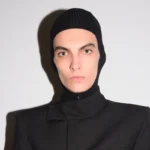
The path to high fashion has historically required years of classical sketching and formal institutional pedigree. Kai Ghattaura, a 24-year-old graduate of Central Saint Martins’ prestigious MA fashion program, represents a decisive break from this convention. Raised in Telford, a commuter town near Birmingham, Ghattaura spent his formative years immersed in video games rather than traditional design archives.
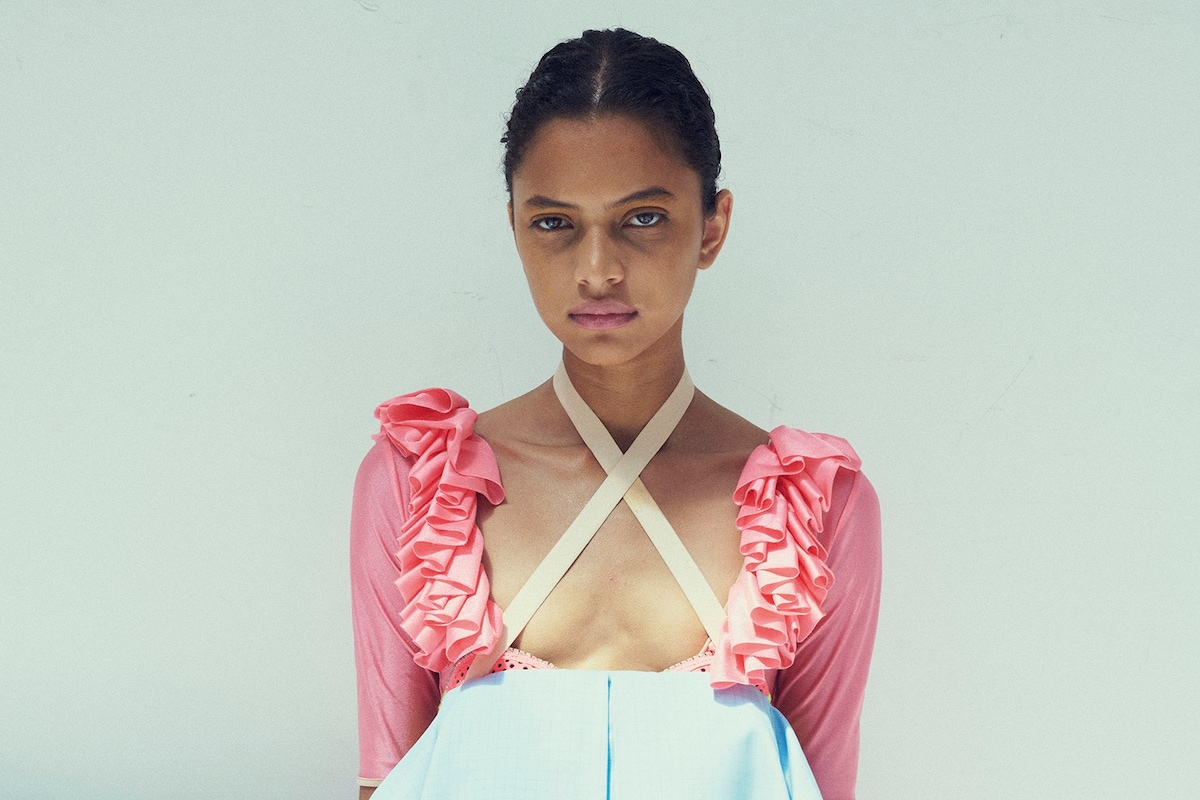
Ghattaura’s aesthetic is rooted in internet lore, character design, and what he characterizes as "postmodern ragebait clothing." Despite the tongue-in-cheek digital provenance of his concepts, Ghattaura maintains a rigorous focus on technical construction to secure industry validation. "Social media is the cheapest way to get PR," Ghattaura notes, balancing viral digital outreach with traditional craftsmanship. "But there also have to be pieces that establish me as a fashion designer, and not just some goofy internet thing."
Beyond his independent projects, Ghattaura has created custom looks for contemporary musical acts including Wet Leg, EsDeeKid, and Billionhappy. His upcoming September independent runway presentation, produced in collaboration with his creative partner, will serve as a direct homage to the pop culture touchstones of 2016, bridging the gap between digital native culture and runway execution.
Tactical Obscurity and Institutional Independence: Gil Hursthausen
Operating with deliberate opacity, London-based designer Gil Hursthausen has cultivated a mystique reminiscent of late-20th-century avant-garde houses like Margiela and Vetements. With a digital footprint limited to an essential website and an Instagram profile, Hursthausen provides minimal biographical details, sidestepping standard background inquiries regarding her origins and education.
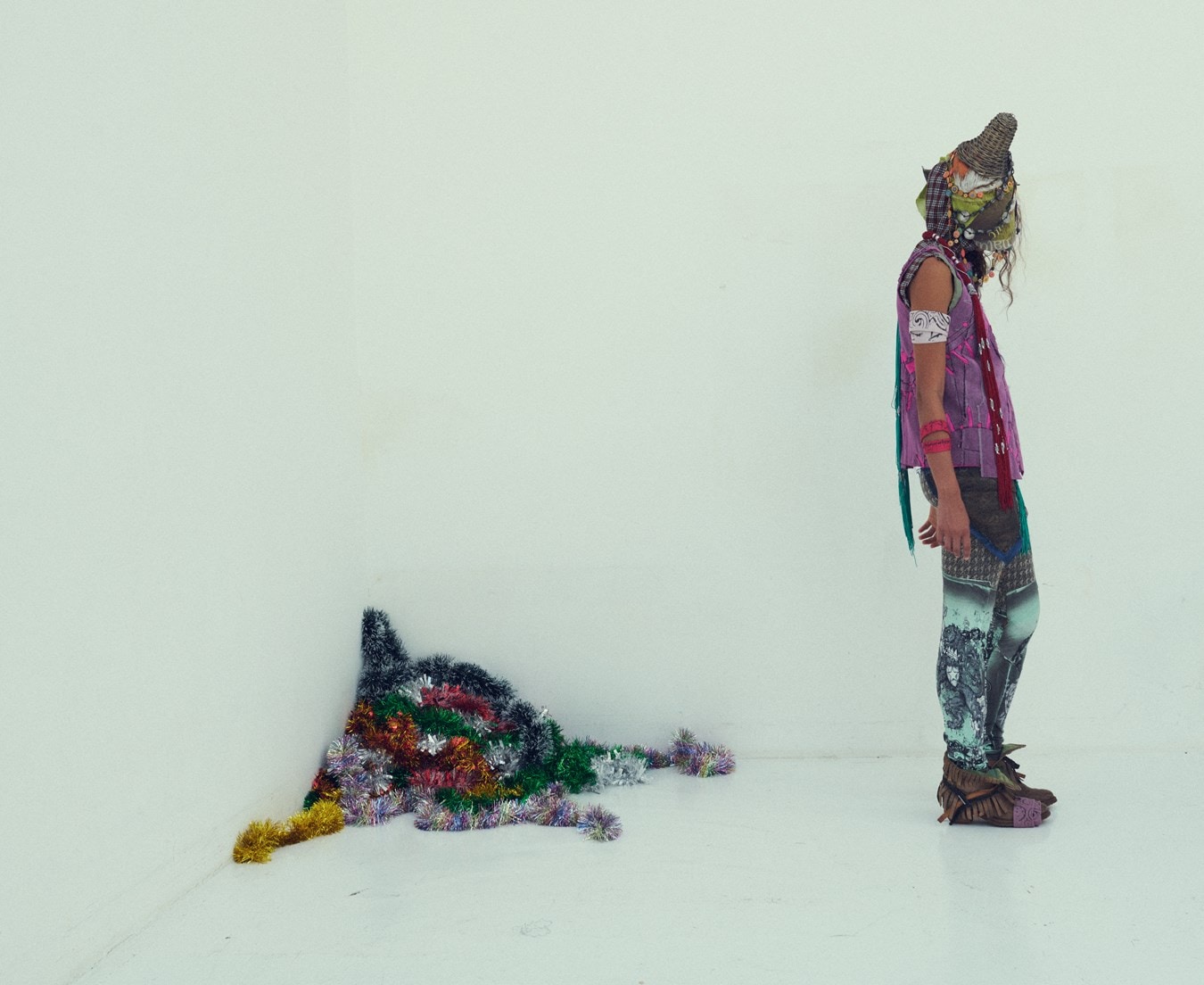
Before launching her eponymous brand, Hursthausen worked as a professional hairstylist and makeup artist. Transitioning into apparel design allowed her to expand her creative output. "I realised I could create and express much more [in fashion] than I had been able to in my past career," she states.
Her design methodology relies on irony, experimentation, and structural subversion. Notable works include garments fabricated entirely from bubble wrap and oversized slogan T-shirts bearing cryptic phrases such as "CONCEPT WASHING." By prioritizing product ambiguity and conceptual provocation over traditional marketing transparency, Hursthausen has successfully established a nascent brand identity that defies conventional commercial playbooks.
Rebranding and Structural Evolution: A Letter
Designers Freddy Coomes and Matt Empringham initiated a significant structural evolution at the start of 2026. In January, the duo announced via social media that their label, formerly known as Aletta, would henceforth be recognized as A Letter. The name change accompanied the introduction of their third collection in February, marking a departure from their previous design iterations.
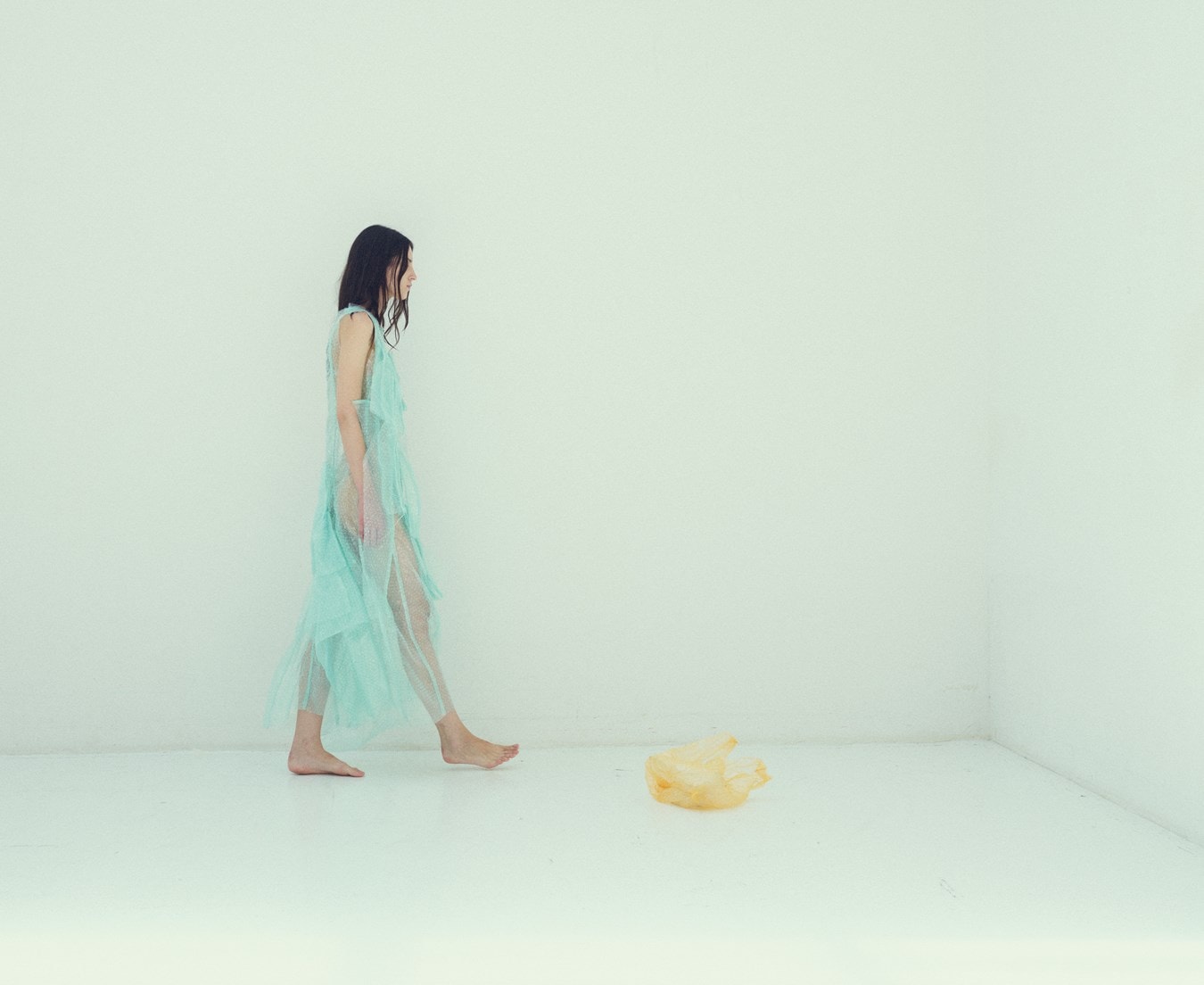
The partnership dates back to the first day of their foundation course, leading to parallel trajectories through Central Saint Martins. During their mandatory placement years, Coomes gained experience at Loewe under Jonathan Anderson, while Empringham worked directly for JW Anderson. In 2025, the pair launched their joint label with a ten-piece collection presented at Dover Street Market.
While Coomes’ entry into fashion began through streetwear resale on eBay, Empringham maintains a more detached perspective on the industry’s commercial apparatus. The duo’s technical signature involves the use of trompe l’oeil materials—such as gossamer-thin crepe engineered to mimic paper—creating garments that appear graphically affixed to the wearer, akin to paper cutouts from a dress-up doll book. The label is currently finalizing its fourth collection, scheduled for a September runway debut.
The Pragmatic Avant-Garde: Giulia Galiberti and the Economics of In-House Experience
While the prevailing narrative for young design graduates often centers on immediate independent label formation, Giulia Galiberti advocates for a measured, institutional approach. Following the presentation of her MA collection earlier this year, the Central Saint Martins graduate divided her time between London and her family home in Genoa, Italy, actively pursuing positions within established luxury houses.
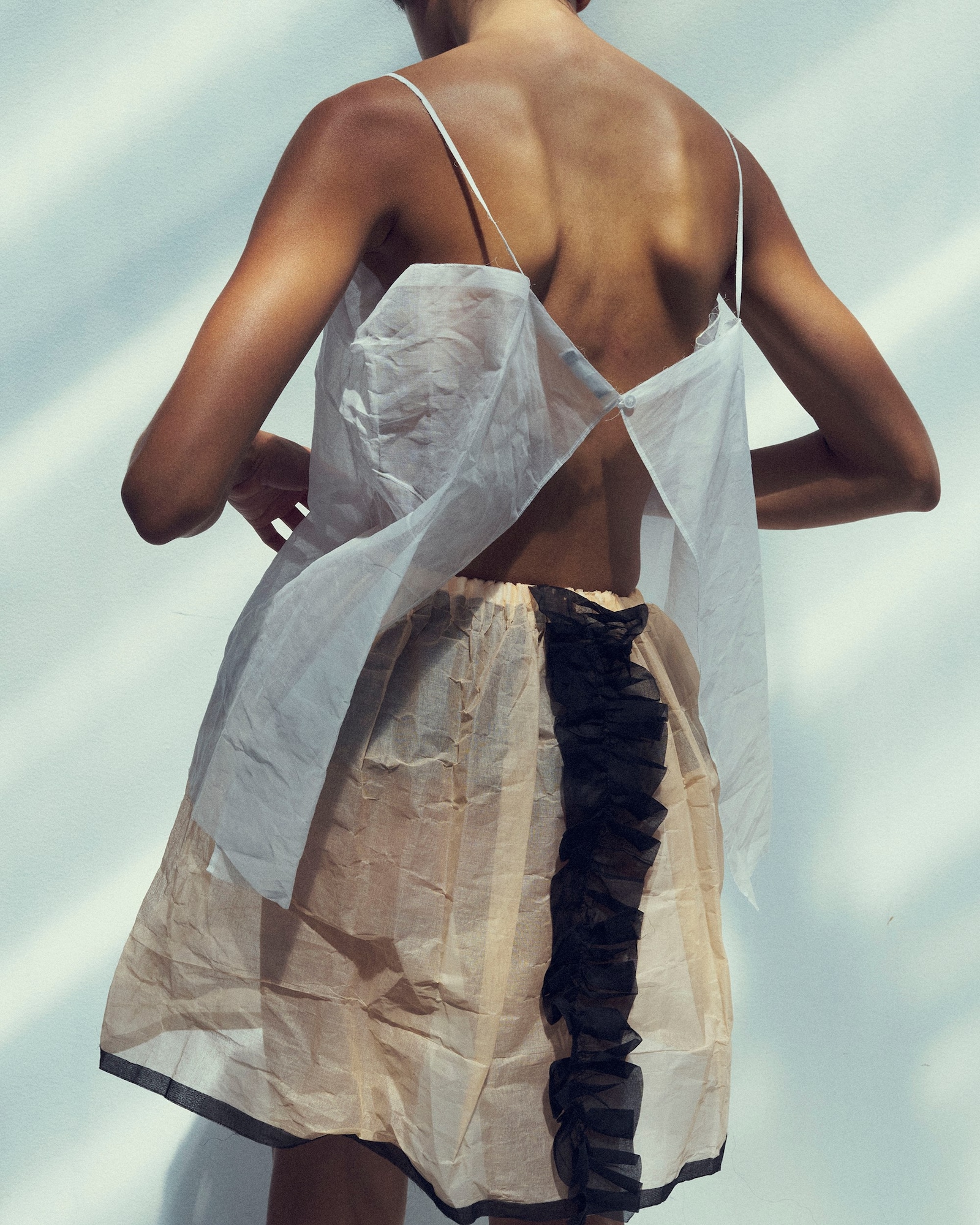
"If I could go to Prada or Margiela, that would be amazing," Galiberti states, emphasizing the value of foundational industry training. "I want a job because I want to be able to learn as much as I can before I start my own brand—if I start my own brand. I want to work for someone else because I feel like I would come out of it with such amazing instruments and knowledge."
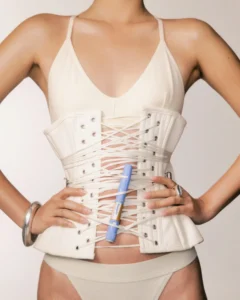
Galiberti’s design philosophy centers on physical distortion, subverting the classic Barbie silhouette through exaggerated proportions and manipulated breast forms. Characterizing her work as "a bridge between the possible and the impossible body," Galiberti deliberately incorporates elements of the grotesque into her exploration of societal fixations on the female form.
Subcultural Archiving and Childhood Memories: Oliver Jeanes
Oliver Jeanes draws direct inspiration from the hyper-visual subculture of disco freestyle, a niche performance art of his Bradford childhood that he describes as "ballroom dancing on acid." Characterized by rhinestone-encrusted neon Lycra garments and high-energy athletic movement, this subculture served as the conceptual foundation for his Spring 2026 collection.
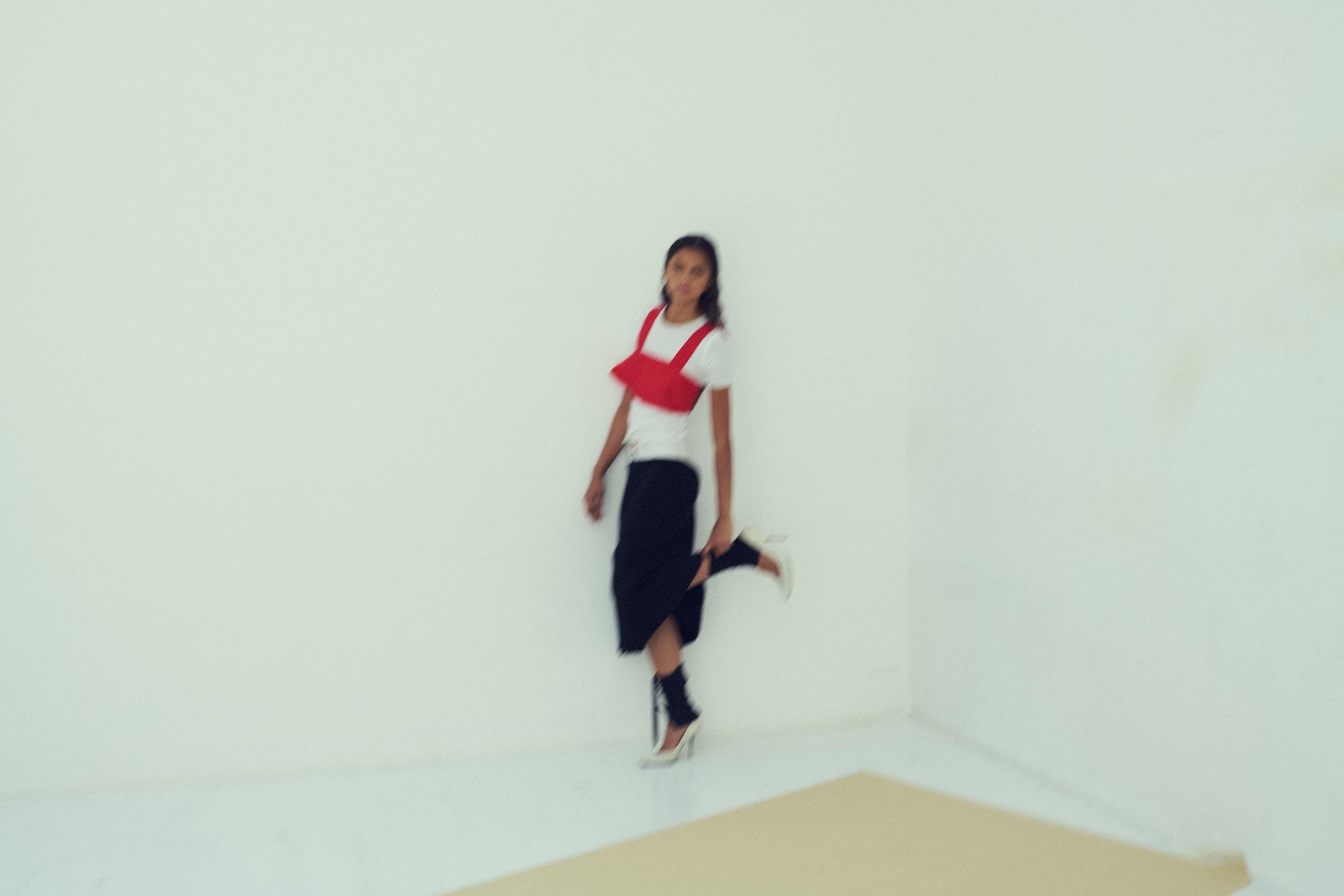
Influenced early on by the graphic aesthetic and personal presentation of designer Henry Holland, Jeanes targeted Central Saint Martins from a young age. He will formally enter the institution’s MA program this November. His archival references span from August Barron to Christopher Kane’s seminal 2006 graduate collection, reflecting a deep engagement with British design history.
Psychological Armature: Hester Abov
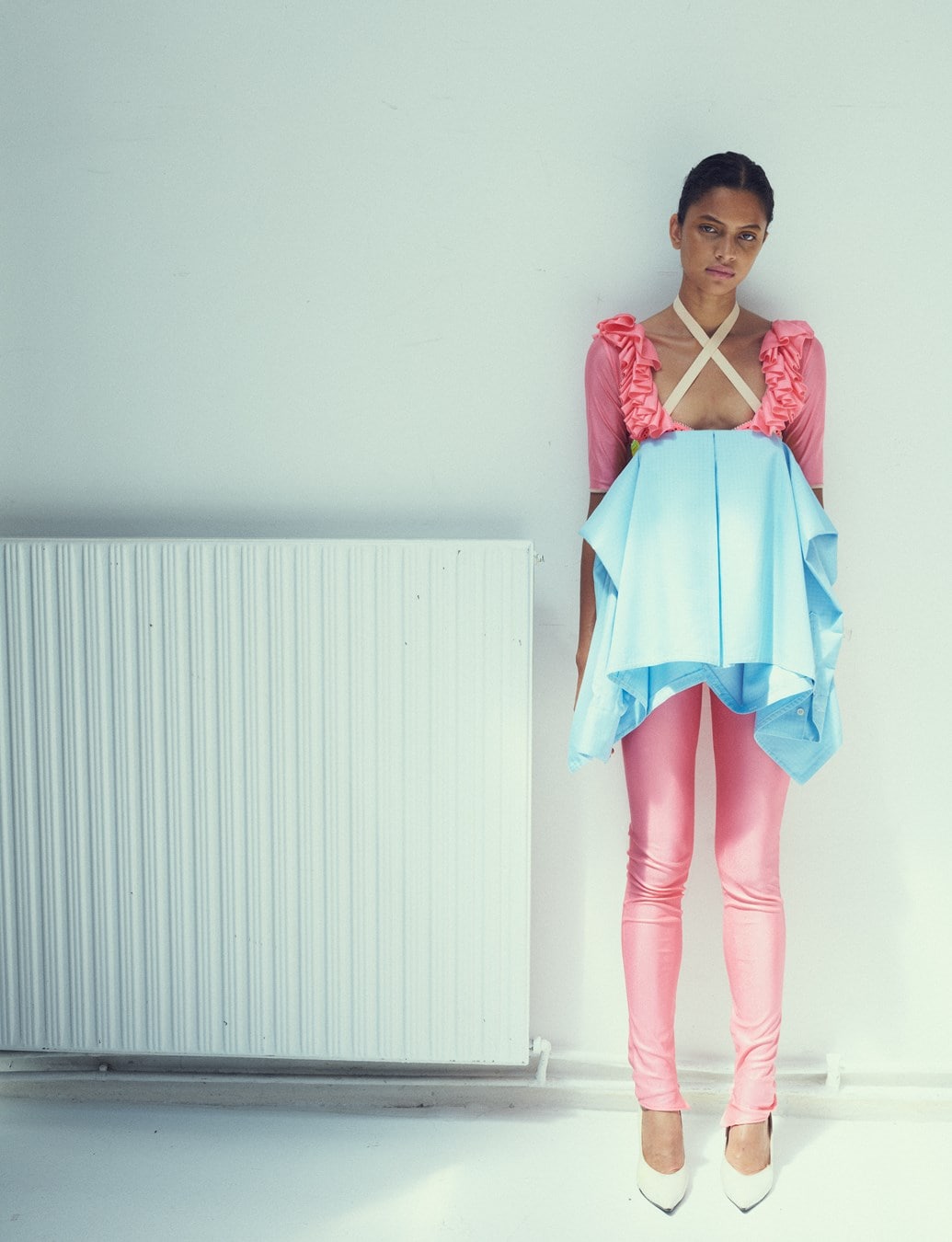
Sara Mikorey, working under the moniker Hester Abov, investigates the psychological complexities of female adolescence through unsettling, doll-like mannequins and surreal garment construction. Raised in a Bavarian village alongside three sisters, Mikorey channeled her alienation from traditional girlish tropes into her 2005 graduate collection.
Her pieces feature provocative motifs, such as a Mickey Mouse figure crucified across a dogtooth jacket and a Pinocchio doll functioning as an armband. Blending personal history with references to Bauhaus women and the legacy of Raf Simons, Abov’s work constructs an analytical framework around innocence, darkness, and self-expression.
Trompe L’Oeil at the Epidermal Level: Simon Carle
German designer Simon Carle has pushed trompe l’oeil techniques beyond traditional textiles, applying hyper-realistic body art directly to the skin. Known as "second skins," Carle’s designs function as 360-degree temporary tattoos that wrap around the torso and arms, creating the illusion of permanent bodily modification.
"It’s a very simple and straightforward approach," Carle explains. "It’s the closest a garment can get to the human layer." Requiring an hour for initial application and lasting up to a week depending on maintenance, the technique has attracted mainstream attention, notably worn by artist Tyla in paparazzi appearances and in Zara Larsson’s "She Did It Again" music video. Balancing high-profile pop styling with freelance work for luxury houses, Carle continues to develop his eponymous label from Berlin.
Transnational Subcultures: Yasmina Atta
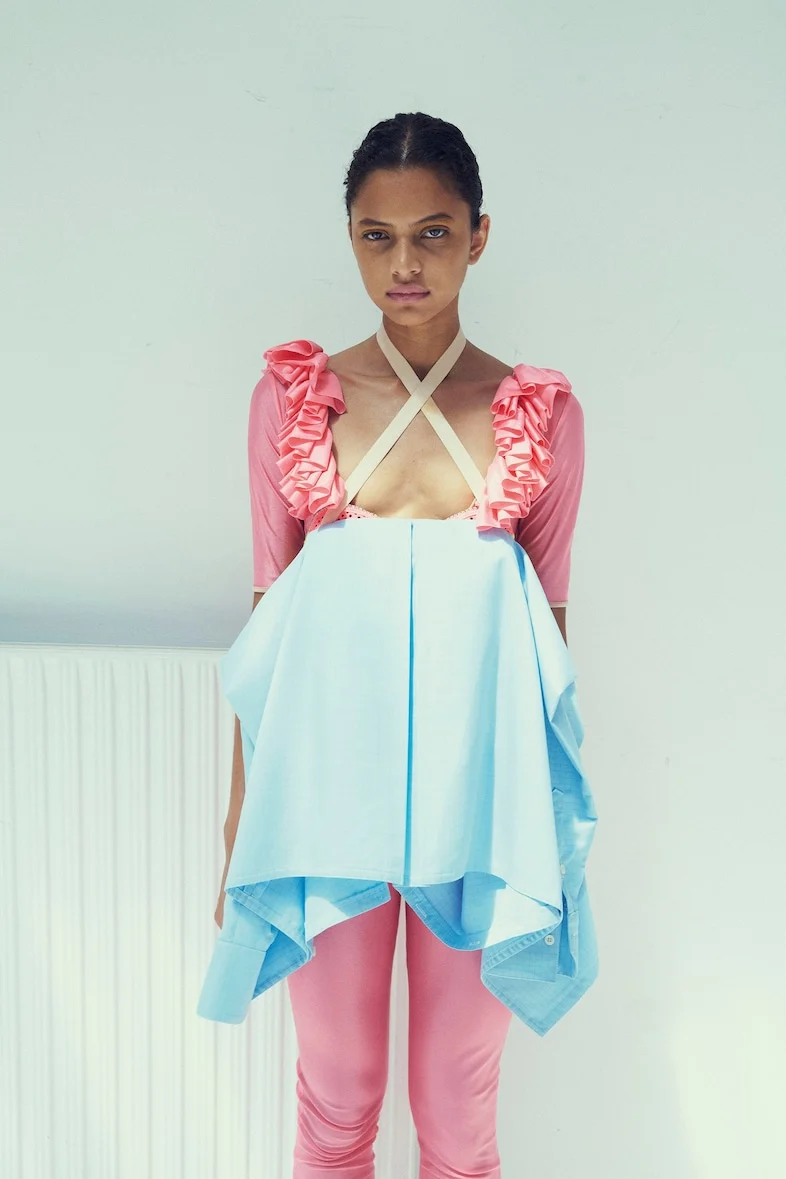
Yasmina Atta’s design methodology synthesizes her Nigerian heritage, her relocation to London at age 11, and an extensive engagement with international subcultures. Atta’s work gained international attention in June when pop artist Rosalía appeared in a punky ballerina look inspired by Edgar Degas’s sculpture Little Dancer Aged Fourteen.
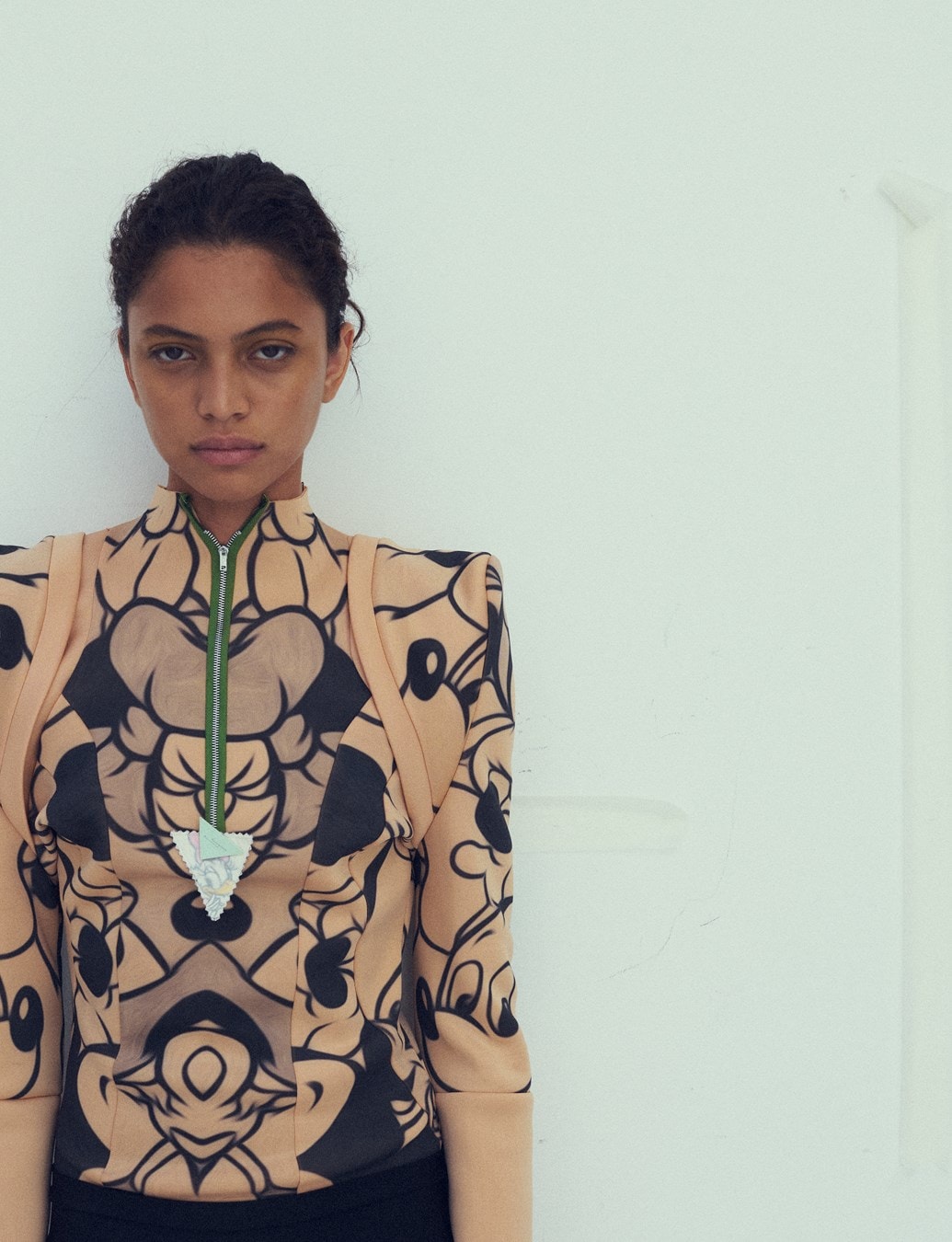
Atta’s visual lexicon draws heavily from Buffalo, the 1980s London streetwear movement spearheaded by stylist Ray Petri, as well as 1970s Senegalese cinema. Having spent the previous year working full-time for a luxury streetwear brand in Tokyo, Atta balanced her rent payments through gallery work and styling research before dedicating herself entirely to her eponymous label in 2026.
Industry Implications and Market Trajectory
The emergence of these eight designers highlights a fundamental shift in how the next generation navigates the fashion economy. By leveraging digital platforms, balancing independent creative direction with institutional experience, and utilizing advanced material manipulation, these creators are redefining commercial viability. As the Autumn 2026 season approaches, the industry’s established luxury houses and independent retailers alike will observe whether these avant-garde experiments can successfully translate into enduring commercial structures.