






The contemporary Swiss watch industry is currently navigating a period of significant strategic recalibration, marked by a shift in how luxury timepieces are conceptualized, marketed, and delivered to a global audience. While the industry maintains its status as a pinnacle of horological craftsmanship, recent data from the Federation of the Swiss Watch Industry (FH) indicates that the sector is grappling with the challenges of managing production volumes—reaching over 14.5 million units annually—against an evolving landscape of consumer expectations. This report examines the structural shifts in industry operations, from the transformation of product launch cycles to the changing dynamics of retail and media relations.
A Chronology of Operational Shifts
Historically, the Swiss watch industry operated on a rhythmic, predictable schedule anchored by two primary global events: Baselworld and the Salon International de la Haute Horlogerie (SIHH). These events served as the industry’s central nervous system, where the vast majority of annual collections were unveiled within a two-week window. This model allowed for a structured, manageable flow of information, enabling both the media and the public to digest innovations and mechanical advancements over a deliberate timeline.
Following the dissolution of Baselworld and the consolidation of major luxury groups into the Watches & Wonders Geneva (WWG) ecosystem, this timeline has undergone a radical transformation. In recent years, major players, including Rolex, have adopted a decentralized, year-round release strategy. This shift was underscored by the introduction of mid-year releases, such as the Rolex Perpetual Padellone Annual Calendar, which diverged from the traditional spring-debut model. While this change aims to maintain market relevance throughout the year, it has also resulted in a more fragmented landscape, where product announcements arrive with such frequency that they risk overwhelming the capacity for consumer engagement.
Analysis of Market Dynamics and Production
The industry currently produces approximately 14.6 million timepieces annually. A significant portion of this volume—roughly 90%—is consumed by individuals seeking luxury goods for milestone events, gifts, or status symbols, rather than by the specialized community of horological enthusiasts. This reliance on a broad, non-specialist consumer base makes the industry’s marketing and "mood" management critical.
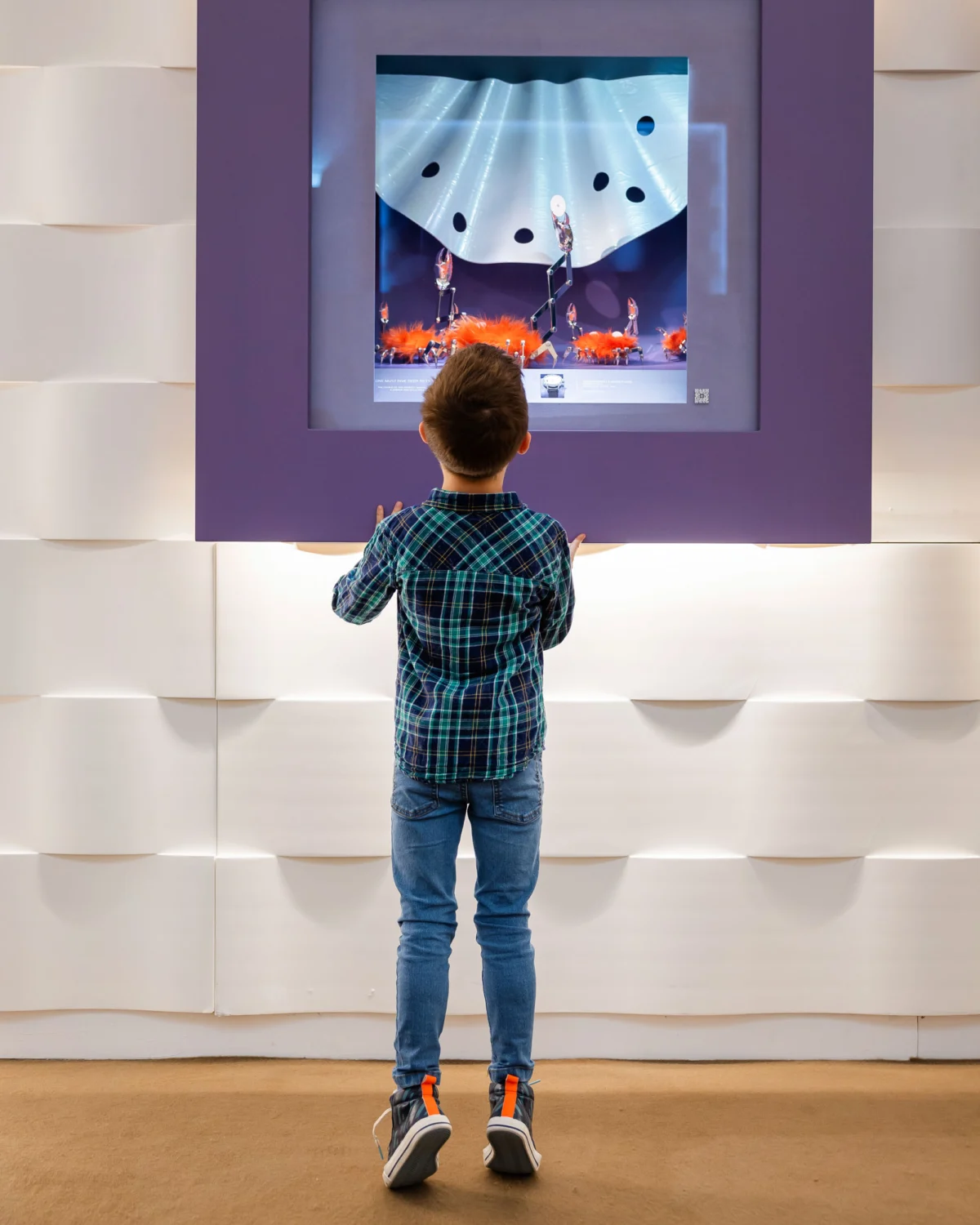
When the industry shifts from the traditional, narrative-heavy communication style—which utilized sophisticated 3D animations and technical breakdowns to explain the value of mechanical innovation—toward shorter, social-media-driven content, it fundamentally changes the nature of the brand-consumer relationship. In the early 2010s, manufacturers heavily invested in educational content that highlighted the complexity of movements from brands such as Jaeger-LeCoultre, Cartier, and Urwerk. This era of high-production-value storytelling fostered an environment of wonder. Today, the focus has shifted toward visual aesthetics and lifestyle branding, often prioritizing rapid-consumption platforms like Instagram and TikTok.

The Evolution of Retail and Media Relations
The retail experience has also seen a marked change in trajectory. The shift toward mono-brand boutiques, intended to offer a bespoke customer journey, has in some instances led to a disconnect between the brand and the buyer. Industry observers and trade analysts have noted that as boutiques become more standardized, the "tailored experience" often feels transactional rather than relational.
Furthermore, the relationship between watch manufacturers and the media has evolved. Historically, automotive and luxury goods sectors utilized in-depth, hands-on product launches and collaborative journalism to build consumer trust. In contrast, the current watch industry model often limits access, relying on digital press kits rather than the deep-dive technical sessions that once defined the industry’s relationship with specialized watch media. This reduction in direct, high-level interaction between engineers and the public—facilitated through professional media channels—has, according to industry critics, contributed to a perceived lack of transparency and intimacy.
Supporting Data and Economic Context
The economic reality of the watch industry is currently characterized by an accumulation of inventory. As brands push for increased production to meet demand, the marketplace is seeing a saturation point where retail channels are struggling to move stock at previous rates. The Federation of the Swiss Watch Industry FH has noted that while export values remain high, the pace of growth has normalized following the post-pandemic surge.

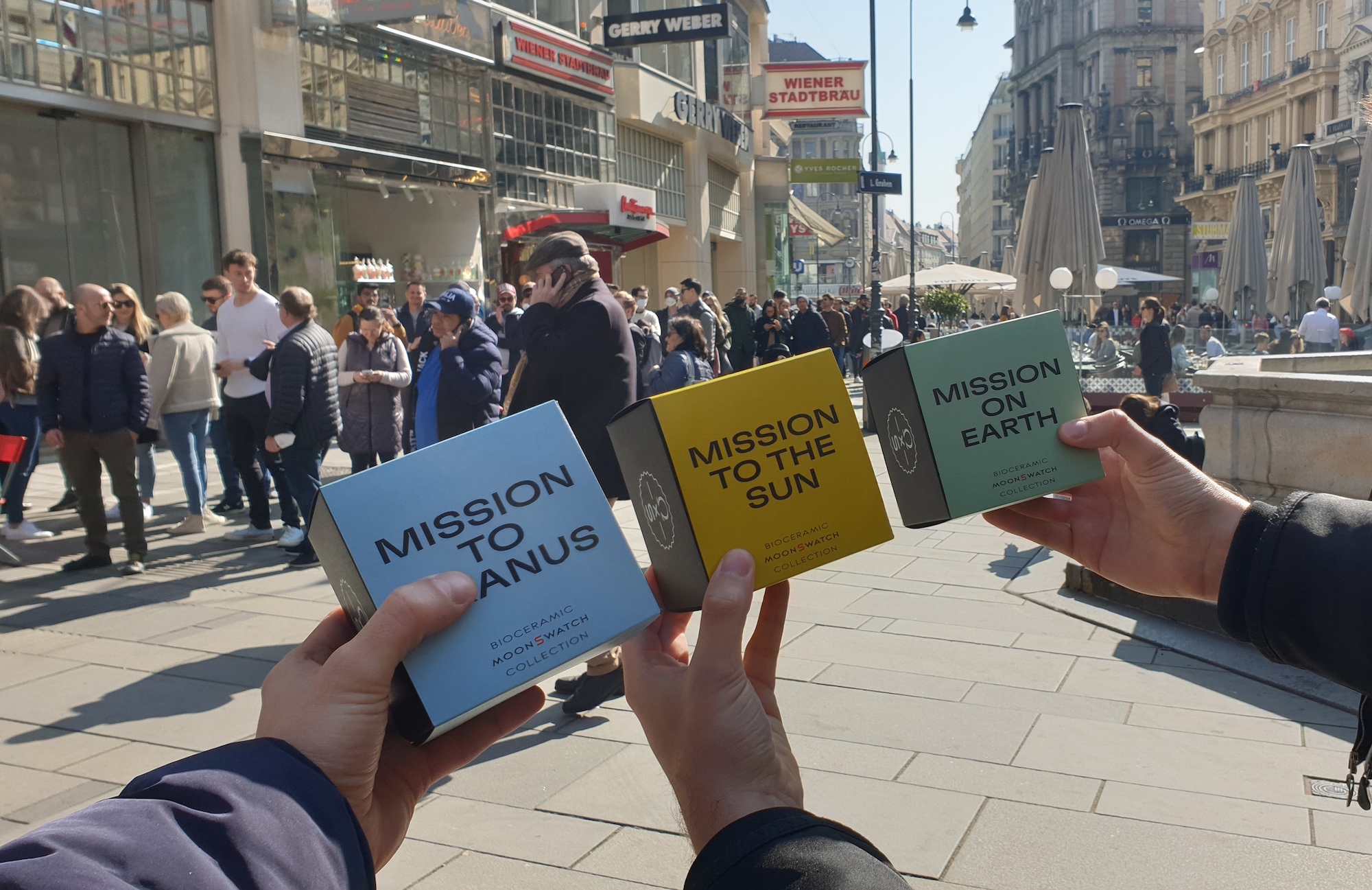
The success of activations such as the MoonSwatch release—which generated massive public interest through scarcity, accessibility, and a distinct marketing narrative—serves as a case study for the industry. It proved that there remains a latent demand for fresh, engaging, and inclusive experiences. When brands provide a clear, inviting, and well-executed entry point, consumers respond with high engagement, regardless of whether they are seasoned collectors or first-time buyers.
Broader Implications and Industry Outlook
The current "beige" aesthetic of major trade fairs, characterized by a risk-averse, sterile environment, serves as a metaphor for the industry’s broader approach. As luxury markets globalize, there is a homogenization of products and marketing messages. While this allows for consistency, it risks stripping away the individuality that once defined the Swiss watchmaking tradition.
The implications for the future are twofold. First, the industry must address the gap between its high-frequency product launch cycle and the consumer’s ability to process and appreciate these releases. If the pace remains unchecked, the "noise" created by continuous releases may dilute the perceived value of individual innovations. Second, there is a clear imperative to return to a more inclusive, educational approach to media and consumer relations.

The current state of the industry reflects a transition period. As global economic conditions tighten and consumer interest becomes more selective, the brands that succeed will likely be those that pivot away from passive, volume-driven strategies toward active, experience-led engagement. By reinvesting in the depth of their storytelling and the quality of their retail interactions, major watch manufacturers can bridge the divide between a "fistful of metal" and a product of enduring emotional and mechanical value. The challenge lies in the industry’s willingness to re-evaluate its current trajectory and prioritize the long-term cultivation of its community over the short-term gains of a saturated, rapid-fire release calendar.