
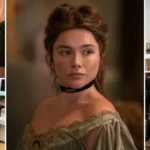



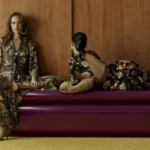


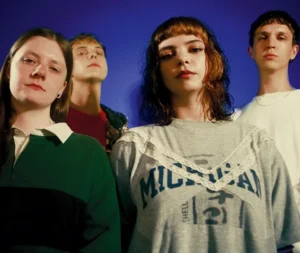

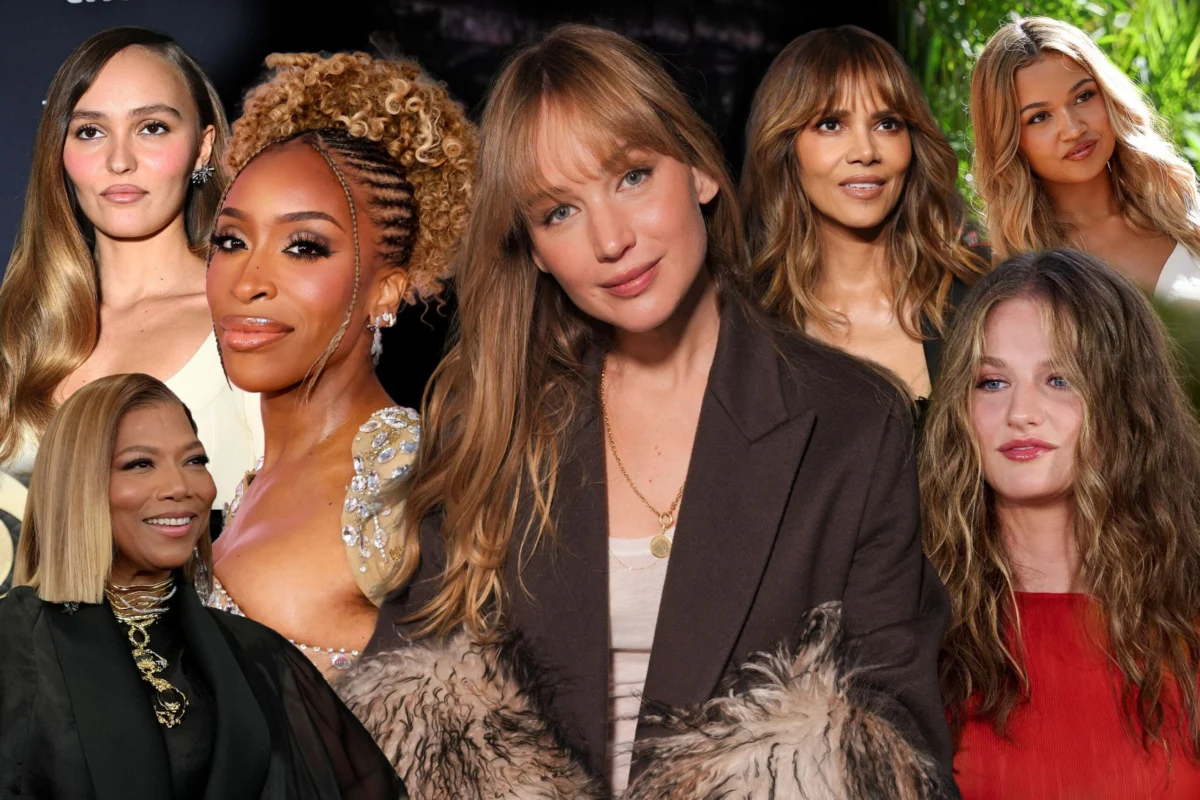
The beauty industry has officially moved past the era of the disparagingly labeled "dirty blonde." In its place, a sophisticated, highly versatile, and commercially dominant hair color trend known as "bronde"—a portmanteau of brown and blonde—has become the gold standard for both celebrities and everyday consumers. This shift represents more than just a passing aesthetic preference; it signifies a broader movement toward "lived-in" luxury, where high-impact results are achieved with significantly lower maintenance cycles.
The Evolution of the Bronde Aesthetic
The historical context of hair coloring has often been binary, forcing consumers to choose between the high-contrast drama of platinum blonde or the deep, singular richness of dark brunette. For decades, the middle ground—often referred to as "ashy" or "dirty" blonde—was treated as an undesirable state of transition. However, the contemporary conceptualization of bronde challenges this outdated narrative.
By integrating multi-tonal highlights, balayage techniques, ombré gradients, and shadow-root applications, colorists have transformed the "middle ground" into a bespoke service. Paige Van Ryswyk, a prominent colorist based in West Palm Beach, Florida, characterizes this evolution as a move toward naturally occurring beauty. "Bronde is essentially a more naturally occurring shade of blonde," Van Ryswyk explains. "It is designed to mimic the way hair lightens when exposed to the sun, creating a lived-in effect that prioritizes hair integrity over frequent, harsh processing."
Chronology of the Trend
While the term "bronde" gained colloquial traction in the mid-2010s, its roots can be traced back to the rise of balayage, a French free-hand painting technique that gained international popularity in the early 2000s. Unlike traditional foil highlights, which create uniform, geometric patterns, balayage allowed for a softer, more organic transition between shades.
By 2018, the trend reached a critical mass as celebrities sought a "beach-hair" aesthetic that did not require the monthly touch-ups associated with traditional blonde. Icons such as Jennifer Lopez and Margot Robbie began appearing on red carpets with varying iterations of the shade. Lopez, in particular, utilized the technique to maintain a signature "glow" while adding depth to her base color, effectively making the look synonymous with Hollywood glamour. By 2022, social media platforms and professional hair care reports indicated that bronde had become the most requested service in salons across North America, displacing traditional single-process blonde.
Supporting Data and Market Impact
Data from recent consumer behavior studies in the beauty sector indicates that the move toward bronde is driven by a desire for longevity. According to industry surveys, the average consumer who formerly opted for full-head blonde highlights typically visited a salon every six to eight weeks. Conversely, clients who switch to a bronde "lived-in" color profile can extend those appointments to 12 or even 16 weeks, depending on the regrowth rate.
This shift has had a measurable impact on salon business models. While the initial service for a custom bronde application—often involving complex root-shadowing and multi-tonal glazing—is labor-intensive and commands a higher price point, the decreased frequency of appointments has forced salons to pivot toward high-end, long-lasting hair treatments and specialized home-care regimens. Furthermore, the trend has become an essential tool for aging populations. As gray hair becomes more prevalent, the multi-dimensional nature of bronde provides a seamless way to integrate silver strands without the need for constant, full-coverage dyeing.
Technical Perspectives: The Art of the Blend
Achieving the perfect bronde is a technical challenge that requires a deep understanding of color theory and hair porosity. Nataly Maldonado, a stylist in Lake Worth Beach, Florida, highlights the functional advantages of the technique for the modern consumer. "The rootiness of bronde is what makes it perfect for low-maintenance people," Maldonado notes. "It provides a safety net for those who have been heavily highlighted and are looking to transition into a darker, healthier base without losing the dimension that blonde provides."
From a technical standpoint, the process usually involves three distinct stages:
- The Base Shift: The colorist may darken the natural base or apply a "shadow root" to create a soft transition from the scalp to the lighter ends.
- Dimension Building: Using a combination of babylights (fine, subtle highlights) and balayage, the colorist introduces lighter pieces that mimic natural light reflection.
- The Glaze: A gloss or toner is applied to harmonize the warm and cool tones, ensuring the brown and blonde elements appear cohesive rather than striped.
Jess Gonzalez, a Los Angeles-based colorist, emphasizes that the client-stylist consultation is the most critical phase of the process. "There is no singular definition of bronde," Gonzalez explains. "It can be cool, neutral, or warm, incorporating caramel, honey, or golden tones. The goal is balance. You want the lighter pieces to catch the light, but the strategic depth is what creates the richness that makes the color feel intentional rather than accidental."
Broader Implications for the Beauty Industry
The rise of bronde is reflective of a wider shift in the beauty industry: the "Quiet Luxury" movement. In a post-pandemic economic landscape, consumers are increasingly wary of "high-maintenance" beauty routines. There is a distinct preference for aesthetics that prioritize health, longevity, and versatility over trends that require constant upkeep.
The implication for the beauty industry is significant. Cosmetic brands are now developing specialized products to support the "lived-in" look, such as color-depositing shampoos, glosses that can be used at home to maintain tone, and bond-building treatments designed to protect hair that has undergone both lightening and darkening processes.
Furthermore, the environmental impact of this trend cannot be overlooked. By reducing the frequency of chemical hair services, the industry is seeing a marginal reduction in the consumption of hair-care chemicals and water usage associated with professional salon services. While the individual impact is small, the cumulative effect of millions of consumers shifting to a four-month maintenance cycle instead of a six-week cycle represents a tangible change in consumption patterns.
Navigating the Future of Hair Color
As color technology continues to advance, the bronde trend is expected to evolve rather than disappear. Future iterations will likely focus on "expensive" color—a term used by stylists to describe hair that looks healthy, shiny, and intentional. This involves the use of more sophisticated color-melt techniques and a greater focus on the health of the hair cuticle, which is often compromised during the transition from blonde to brunette.
For those considering the switch, the advice from professionals is uniform: bring photographic references, but manage expectations based on your natural hair level. The success of a bronde transformation depends heavily on the starting canvas. If a client is naturally dark, the transition will be gradual; if a client is already light, the process involves "low-lighting" to add the necessary depth.
Ultimately, bronde has successfully shed the negative connotations of its predecessors. It stands as a testament to the fact that the most effective beauty trends are those that bridge the gap between aesthetic appeal and practical necessity. By embracing the duality of brown and blonde, the modern consumer has found a sustainable, stylish, and adaptable way to manage their hair, proving that the best color is one that looks as though it were grown, rather than applied.