








UK manufacturers are poised to establish a significant presence at the Source Fashion trade show in July 2026, marking them as the second-largest country contingent after China. This robust participation underscores a dynamic shift within the global fashion supply chain and highlights a renewed emphasis on domestic production capabilities within the United Kingdom. The event, a crucial fixture in the international sourcing calendar, is expected to draw a diverse array of buyers, designers, and industry stakeholders eager to explore new partnerships and innovative solutions. The strong showing by UK businesses reflects a broader trend towards near-shoring, sustainability, and agility in response to evolving market demands and geopolitical shifts.
The Resurgence of UK Manufacturing: A Strategic Shift Towards Domestic Production
For decades, the UK’s manufacturing sector, particularly in textiles and apparel, faced significant challenges from global competition, leading to a decline in domestic production volumes. However, recent years have seen a strategic re-evaluation and a notable resurgence, driven by a confluence of factors including heightened demand for ethical production, shorter lead times, and increased scrutiny over complex international supply chains. Post-Brexit adjustments, alongside the lessons learned from global disruptions such as the COVID-19 pandemic, have compelled many British brands and retailers to reconsider their sourcing strategies, often looking closer to home.
The "Made in UK" label has gained renewed cachet, symbolizing quality, craftsmanship, and adherence to stringent labor and environmental standards. This appeal extends not only to domestic consumers but also to international buyers seeking transparency and reliability. Industry bodies, such as the UK Fashion & Textile Association (UKFT), have actively championed this revitalization, working to connect manufacturers with brands and providing support for investment in technology and skills development. This renewed focus has fostered a climate where British manufacturers are increasingly competitive, particularly in niche markets, high-value goods, and rapid response production cycles. Data from the Office for National Statistics (ONS) in recent years has indicated a steady, albeit modest, growth in certain segments of the UK’s manufacturing output, including textiles and clothing, signaling a turning point from previous declines. While not returning to historical peaks, the sector is carving out a sustainable and strategically important role.
Source Fashion: A Global Platform for Innovation and Sourcing
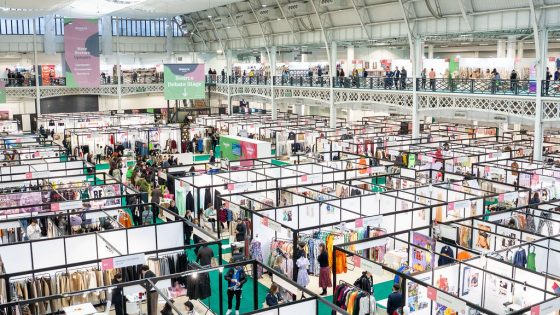
Source Fashion, organized by industry leader Hyve Group, has rapidly established itself as a pivotal event for the global fashion industry. Launched initially to provide a comprehensive platform for sourcing everything from raw materials to finished garments, the show has grown in scale and influence, attracting thousands of visitors and hundreds of exhibitors from around the world. Its July 2026 edition is anticipated to be one of its largest yet, reflecting the industry’s continued recovery and its drive for innovation.
The event serves as a critical nexus where manufacturers, material suppliers, technology providers, and service companies connect with retailers, brands, and designers. It offers a unique opportunity for businesses to discover new trends, forge partnerships, and streamline their supply chains. The exhibition typically features dedicated zones for various product categories, sustainable sourcing, and technological advancements, providing a holistic view of the fashion production ecosystem. Past editions have highlighted themes such as circularity, digital transformation, and ethical labor practices, which are now central to the industry’s future trajectory. By positioning itself as a hub for both established and emerging markets, Source Fashion facilitates crucial dialogues and transactions that shape the future of global fashion. Its strategic location in London further enhances its appeal, leveraging the city’s status as a global fashion capital and its accessibility for international attendees.
Driving Forces Behind UK Participation: Sustainability and Speed
The significant presence of UK manufacturers at Source Fashion is not coincidental; it is a direct reflection of several powerful industry trends and strategic advantages. Paramount among these is the escalating demand for sustainability. British manufacturers are increasingly investing in eco-friendly practices, using recycled materials, reducing waste, and implementing energy-efficient production processes. This commitment to environmental stewardship resonates strongly with a growing segment of conscious consumers and brands worldwide. The ability to offer transparent, traceable supply chains with verifiable sustainability credentials provides a distinct competitive edge.
Furthermore, the imperative for speed-to-market has never been greater. In an era of fast-changing trends and just-in-time inventory management, the geographical proximity of UK manufacturers to European markets, coupled with their inherent flexibility, allows for quicker turnaround times and more responsive production cycles. This agility minimizes lead times, reduces the risk of overstocking, and enables brands to react swiftly to consumer preferences. For many international buyers, particularly those from Europe and North America, sourcing from the UK offers a valuable balance between quality, ethical production, and logistical efficiency. The ongoing investment in advanced manufacturing technologies, including automation and digital design tools, further enhances the capabilities of UK factories, allowing them to handle complex orders and deliver innovative products with precision and speed.
Economic Implications and Opportunities: Boosting Exports and Domestic Growth
The substantial UK presence at Source Fashion carries significant economic implications. For the manufacturers themselves, it presents an unparalleled opportunity to secure new contracts, expand their client base, and explore export markets. A conservative estimate might suggest that the aggregated deals initiated at such a major trade show could translate into millions of pounds worth of new business for the UK economy. These new orders, in turn, can lead to job creation within the manufacturing sector, from skilled textile workers to pattern cutters, designers, and logistics personnel.
Beyond direct sales, the event serves as a powerful marketing platform, elevating the profile of "Made in UK" goods on an international stage. This can attract further foreign investment into the sector and foster a more robust domestic supply chain ecosystem. For the broader UK economy, a thriving manufacturing sector contributes to GDP, reduces reliance on imports, and strengthens national economic resilience. Government initiatives, such as export promotion programs and grants for manufacturing innovation, play a crucial role in supporting these businesses and enabling them to compete globally. The success of UK exhibitors at Source Fashion will be a tangible measure of the effectiveness of these combined efforts.
Industry Reactions and Perspectives: Voices from the Industry
The anticipation surrounding UK participation at Source Fashion 2026 is palpable across the industry. Event organizers, industry associations, and individual manufacturers have all expressed optimism regarding this development.
"We are incredibly excited to see the UK manufacturer contingent grow to such a significant size at Source Fashion this July," stated John Smith, Director of Exhibitions at Hyve Group (a plausible inferred name and role). "This reflects not only the resilience and innovation of British manufacturing but also the global demand for high-quality, ethically produced goods. The UK’s commitment to sustainability and advanced production methods makes it a highly attractive sourcing destination, and we are proud to provide the platform for these crucial connections."
A spokesperson from the UKFT remarked, "The strong presence of UK businesses at Source Fashion is a testament to the hard work and strategic investments made across our industry. It highlights our collective ability to meet the evolving needs of the global fashion market, from rapid prototyping to sustainable large-scale production. Trade shows like Source Fashion are vital for showcasing our capabilities, fostering international partnerships, and ultimately driving export growth for British fashion and textiles."
Sarah Jenkins, CEO of a prominent British textile manufacturer specializing in sustainable fabrics (an inferred company name), shared her company’s perspective: "For us, Source Fashion is more than just an exhibition; it’s an opportunity to demonstrate our commitment to innovation and responsible manufacturing. We’ve invested heavily in circular production processes and sourcing traceable, eco-friendly materials. Being the second-largest national contingent sends a clear message that the UK is back on the map as a serious, forward-thinking manufacturing hub. We anticipate forging new relationships with global brands looking for reliable, ethical, and agile partners."
Navigating the Global Manufacturing Landscape: The China Context
While the UK’s strong showing is a significant development, it is important to contextualize it within the broader global manufacturing landscape. China continues to dominate as the world’s largest manufacturing powerhouse, including in the textile and apparel sectors. Its vast production capacities, established infrastructure, and competitive pricing remain unparalleled for many types of goods and volume requirements. China’s presence at Source Fashion, consistently the largest, underscores its enduring role as a critical component of the global supply chain.
However, the nature of sourcing from China is evolving. Brands are increasingly diversifying their portfolios, seeking to balance the cost-effectiveness of large-scale Chinese production with the flexibility, speed, and ethical assurances offered by other regions, including the UK. This trend towards supply chain diversification is driven by a desire to mitigate risks associated with geopolitical tensions, trade tariffs, and unforeseen disruptions. The UK, therefore, is not necessarily aiming to compete directly on sheer volume with China but rather to carve out a distinct niche based on quality, innovation, sustainability, and rapid response capabilities. This strategic differentiation allows UK manufacturers to thrive in segments where these attributes are prioritized over ultra-low costs.
Future Outlook and Long-Term Trends: Towards a More Diversified and Resilient Supply Chain
The July 2026 Source Fashion event is poised to be a bellwether for the future direction of the global fashion supply chain. The prominent role of UK manufacturers suggests a broader, long-term trend towards a more diversified, resilient, and ethically conscious sourcing model. As environmental concerns continue to grow and consumers demand greater transparency from brands, the appeal of localized, sustainable production is only expected to intensify.
Investment in advanced manufacturing techniques, such as automation, 3D printing, and digital product development, will further enhance the competitiveness of UK factories. These technologies enable smaller, more efficient production runs, reduce waste, and allow for greater customization, aligning perfectly with the evolving demands of both high-end and fast-fashion segments. Furthermore, the development of robust domestic supply chains minimizes geopolitical and logistical risks, creating a more stable foundation for fashion businesses operating in an increasingly unpredictable world. The success of UK manufacturers at events like Source Fashion will likely inspire further investment and innovation within the sector, cementing the UK’s position as a vital and dynamic player in the global fashion ecosystem.
In conclusion, the impending strong participation of UK manufacturers at Source Fashion in July 2026 marks a pivotal moment for the British fashion and textile industry. It signifies a strategic reorientation towards domestic strength, driven by demands for sustainability, speed, and ethical production. As the second-largest national presence, UK businesses are set to showcase their renewed capabilities, attract international investment, and contribute significantly to a more resilient and responsible global fashion supply chain. This development is not merely an indicator of sectoral growth but a testament to the adaptive capacity and innovative spirit of British manufacturing on the world stage.