










The global fashion and beauty industries are currently in a state of intense flux, grappling with complex geopolitical challenges, evolving consumer ethics, and an accelerating push towards greater sustainability. Recent developments underscore this dynamic landscape, ranging from controversial high-fashion collaborations and critical supply chain disruptions to groundbreaking material innovations and heightened regulatory oversight. This month’s key headlines reveal an industry at a critical juncture, balancing commercial pressures with an increasing demand for responsibility and transparency.
The Fast Fashion Paradox: High-Profile Collaborations and Operational Shifts
The announcement of a collaboration between fast-fashion giant Zara and controversial designer John Galliano has ignited a significant debate within the fashion world. The partnership, which aims to "reinvent" Zara’s "archive," has been widely interpreted as a calculated "power move from Inditex," Zara’s parent company. Industry analysts, as reported by FashionUnited, have questioned the very concept of a "fast fashion archive," given Zara’s well-documented history of allegedly appropriating designs from other brands and its rapid production cycles that often prioritize fleeting trends over lasting collections.
Background and Context: John Galliano, a designer of immense talent, saw his career significantly impacted by antisemitic remarks made in 2011. While he has since made a partial return to the industry, this collaboration with a mainstream, high-volume retailer like Zara represents a different echelon of commercial engagement. For Zara, the partnership could be seen as an attempt to elevate its brand perception, injecting a veneer of high-fashion credibility and artistry. However, the move carries significant reputational risks for both parties. Critics argue that it normalizes Galliano’s past controversies, while others contend it further blurs the lines between high fashion and fast fashion, potentially devaluing the concept of originality and creative ownership. The broader implication is a continued strategic push by fast fashion behemoths to co-opt elements of luxury and perceived exclusivity, often through controversial alliances, to maintain relevance and market share in an increasingly competitive and scrutinized environment. This strategy aligns with a broader trend where fast fashion seeks to shed its "cheap and disposable" image by associating with more prestigious names, even if the underlying business model remains unchanged.
Adding another layer to the fast fashion narrative, SHEIN, the ultra-fast fashion retailer known for its hyper-speed production and immense product catalog, is reportedly opening its "on-demand" supply chain infrastructure to other brands. Shayeza Walid’s exclusive report in Business of Fashion highlights this unprecedented move, which could allow other companies to leverage SHEIN’s highly efficient, albeit controversial, manufacturing and logistics network.
Analysis of Implications: While this could offer smaller brands unparalleled speed-to-market and cost efficiencies, Walid cautions about the significant reputational risk involved. SHEIN’s business model has faced intense scrutiny over its labor practices, environmental impact, and lack of transparency. Associating with SHEIN’s supply chain could implicate brands in these ongoing controversies, further accelerating the already rapid pace of the fast fashion system and exacerbating its environmental and social footprint. This development prompts a critical ethical dilemma for brands: prioritize speed and cost savings, or uphold commitments to ethical production and sustainability, even if it means slower growth. The estimated market value of the ultra-fast fashion sector, projected to reach over $100 billion in the coming years, underscores the immense pressure brands face to compete on speed and price, making SHEIN’s offering a tempting, yet perilous, proposition.
In a similar vein of accelerating market responsiveness, British retail stalwart Marks & Spencer (M&S) has launched a monthly capsule programme. This initiative is designed to drastically reduce the time from design to shop floor, aiming for a two-week turnaround. FashionUnited reports that M&S intends to offer "more frequent newness and greater trend credibility."
Broader Context and Market Shift: This strategic pivot by M&S, a brand traditionally associated with more conservative retail cycles, signals a clear alignment with the ultra-fast fashion business model. It reflects the immense pressure on legacy retailers to compete with agile online players and adapt to consumer demands for constant novelty. While M&S emphasizes "newness," the rapid production cycle raises questions about its sustainability commitments and potential impact on material waste and resource consumption. The move highlights the pervasive influence of fast fashion principles across the broader retail landscape, pushing even established brands to re-evaluate their operational speed and product delivery mechanisms to remain competitive in a rapidly evolving market.
Global Supply Chains Under Duress: Geopolitics and Decarbonization Imperatives
Geopolitical tensions are increasingly manifesting as tangible threats to global commerce, with garment and textile supply chains particularly vulnerable. The Business and Human Rights Centre has been closely tracking the repercussions of the US-Israel-Iran conflict, noting severe disruptions due to the predicted closure of the Strait of Hormuz. This critical maritime chokepoint, through which a significant portion of the world’s oil and a substantial volume of international trade passes, if fully or extensively disrupted, poses immediate and dire consequences for global shipping.
Direct Impacts and Humanitarian Concerns: Shipment delays are not merely logistical inconveniences; they translate directly into "fears of factory closures, unpaid wages, and the ‘burden of the additional cost’ that may be placed on suppliers and workers." This situation highlights the precariousness of garment workers’ livelihoods, who are often at the lowest rung of complex global supply chains. A 2023 report by the ILO indicated that supply chain disruptions disproportionately affect workers in developing nations, leading to job losses and increased poverty. The additional costs incurred by delays, such as demurrage charges and rerouting expenses, are frequently pushed down to suppliers, who then pass them on to their already vulnerable workforce through wage cuts or delayed payments. The geopolitical instability underscores the urgent need for greater supply chain resilience and ethical sourcing practices that protect workers from external shocks.
In a proactive response to broader supply chain challenges, H&M has partnered with EY to release a new industry whitepaper, issuing a direct call to Chief Financial Officers (CFOs) to prioritize and finance the decarbonization of fashion supply chains. Published by ESG News, the paper argues for increased collaboration and funding, framing decarbonization not merely as an environmental imperative but as a crucial financial strategy.
Strategic Shift and Financial Imperative: The whitepaper emphasizes that reducing carbon emissions mitigates climate-related business risks, aligns with global sustainability targets, and can unlock long-term financial benefits. It urges CFOs to view decarbonization as a core business investment rather than a "nice to have" feature of a sustainability strategy. This call reflects a growing understanding within the industry that climate change poses systemic risks to business operations, from raw material sourcing to manufacturing and logistics. Investing in energy efficiency, renewable energy, and sustainable logistics across the supply chain can lead to operational cost savings, enhanced brand reputation, and compliance with increasingly stringent environmental regulations. The report’s focus on CFOs underscores a critical shift: sustainability is moving from a CSR department concern to a C-suite financial priority.
The Evolving Landscape of Sustainability and Materials Innovation
The discourse around sustainable materials is becoming increasingly nuanced, challenging previously held assumptions. A new report co-authored by Fashion Revolution co-founder Carry Somers has sparked an "increasingly prevalent question in the industry about the staying power of natural fibres in certain conditions." Journalist Sophie Benson, reporting for Vogue Business, delves into what biodegradation truly means, drawing a comparison with the long-standing narrative around synthetic fabrics’ persistence in the environment.
Scientific Nuance and Misconceptions: The core issue lies in the specific conditions required for natural fibers, such as cotton or wool, to biodegrade effectively. In anaerobic environments like landfills, where oxygen is scarce, even natural fibers can persist for decades, releasing methane, a potent greenhouse gas, as they slowly decompose. This challenges the simplistic narrative that natural equals biodegradable under all circumstances. For instance, a pure cotton t-shirt in an open compost pile will biodegrade relatively quickly, but if it’s mixed with synthetic threads or treated with certain dyes and finishes, or buried deep in a landfill, its decomposition rate can be significantly hindered. This evolving understanding necessitates a more holistic approach to material selection, focusing not just on the fiber’s origin but its entire lifecycle, including end-of-life infrastructure and consumer behavior. It also highlights the need for standardized and transparent biodegradability testing protocols to avoid greenwashing.
Amidst these complexities, innovation in sustainable materials continues to offer promising alternatives. Scottish dye company SeaDyes has successfully raised £200,000 to scale its work in creating seaweed dyes, as reported by EcoTextile News.
Potential for Transformation: This investment signifies growing confidence in bio-based solutions to reduce the fashion industry’s environmental footprint. Traditional synthetic dyes are often petrochemical-derived and require significant water and energy, and their discharge can pollute waterways with toxic chemicals. Seaweed dyes, in contrast, offer a natural, renewable, and potentially biodegradable alternative. Their production could also have a lower carbon footprint and require less freshwater. The success of startups like SeaDyes points to a future where material and process innovations move beyond incremental improvements to offer genuinely transformative solutions, reducing reliance on fossil fuels and mitigating pollution across the value chain. Scaling such innovations is critical to shifting the industry away from its current unsustainable practices.
Further demonstrating material innovation, "Great" brand Armedangels has launched a new line of wind-resistant outerwear utilizing TENCEL Lyocell, a lower-impact fiber. As the brand explains, "Wind protection comes from the fabric itself, not from an added membrane. The material is permanently compacted using heat and pressure, increasing its density. This process provides up to 97% wind resistance while maintaining breathability."
Sustainable Performance Wear: This development addresses a long-standing challenge in sustainable fashion: creating high-performance technical wear without relying on harmful chemicals or plastic coatings. Many conventional wind and water-resistant garments use PFAS (per- and polyfluoroalkyl substances) or other synthetic membranes, which are known for their environmental persistence and potential health impacts. Armedangels’ use of TENCEL Lyocell, derived from sustainably sourced wood pulp, offers a bio-based solution that achieves functionality through inherent fiber properties and mechanical processes rather than chemical treatments. This represents a significant step forward in developing genuinely sustainable performance wear, demonstrating that environmental responsibility does not have to compromise functionality.
Ethical Accountability and Consumer Protection in Beauty
The scope of ethical scrutiny is expanding beyond fashion into the beauty industry, with recent developments highlighting increasing accountability for labor practices and marketing strategies. Industriall Union reports on a landmark ruling in France, where cosmetics company Yves Rocher was found to have failed in its "duty of vigilance" regarding human rights violations in its global operations. The case specifically relates to labor violations within the company’s Turkish subsidiary.
Pioneering Legislation and Corporate Responsibility: France’s 2017 "Duty of Vigilance Law" is a pioneering piece of legislation that obliges large French companies to identify and prevent human rights abuses and environmental damage across their global supply chains, including subsidiaries and subcontractors. This ruling against Yves Rocher marks a significant precedent, underscoring the legal enforceability of such laws and the growing expectation for corporations to actively monitor and ensure ethical practices far beyond their direct operations. The implications are profound, compelling companies to conduct thorough due diligence, establish robust grievance mechanisms, and take concrete steps to prevent abuses, rather than simply reacting to them. This legal framework sets a new standard for corporate accountability, impacting not just French companies but potentially influencing similar legislation globally.
Simultaneously, the Italian Competition Authority has launched an investigation into beauty giants Sephora and Benefit. Reuters reports that the probe centers on the premature marketing of adult cosmetics and skincare products to children, utilizing very young micro-influencers on social media.
Protecting Minors and Combating "Cosmeticorexia": The Italian regulator is concerned that such practices contribute to "compulsive purchasing of face masks, serums and anti-ageing creams," behaviors it links to "cosmeticorexia"—an "unhealthy fixation with skincare among minors." This investigation highlights a critical societal issue: the impact of targeted marketing on vulnerable young audiences. The beauty industry, estimated to be a multi-billion dollar market, faces increasing scrutiny over its influence on body image, self-esteem, and consumption habits among children and adolescents. The use of micro-influencers, who often appear relatable and trustworthy to young followers, further complicates the ethical landscape. Regulatory actions like Italy’s probe signal a growing push to protect children from potentially harmful commercial pressures and foster healthier attitudes towards beauty and self-care. It also underscores the need for platforms and brands to implement stricter guidelines regarding content targeting minors.
The Resurgence of Circularity and Sustainable Retail Models
Amidst the challenges, there are also encouraging signs of positive transformation within the retail sector, particularly in the realm of circularity. The Guardian reports that UK charity shops are experiencing a resurgence, thriving on struggling high streets thanks to a growing interest from "young fashion fans." Profits for these bricks-and-mortar stores increased last year, marking a positive shift after a period of intense competition with digital resale platforms and an overwhelming influx of low-value, ultra-fast fashion garments.
Secondhand Market Dynamics and Youth Engagement: The increasing popularity of online secondhand resale platforms like Vinted and Depop has, somewhat counter-intuitively, also boosted the physical charity shop sector. Young consumers, driven by sustainability concerns, budget consciousness, and a desire for unique styles, are actively embracing secondhand fashion. While experts warn that challenges remain, particularly in managing the volume of donations and ensuring quality control, the sector now has a significant opportunity to reshape its operations, leverage digital tools, and solidify its role as a vital component of a more circular economy. This trend reflects a broader cultural shift towards conscious consumption and away from the linear "take-make-dispose" model, with the secondhand market projected to grow significantly faster than traditional retail in the coming decade.
Pioneering Progress: "Good" and "Great" Brands Leading the Way
Beyond the industry’s broader challenges, a dedicated segment of brands is actively innovating and championing ethical and sustainable practices. These "Good" and "Great" rated brands, assessed by rigorous sustainability metrics, continue to push boundaries and offer inspiring examples of responsible business.
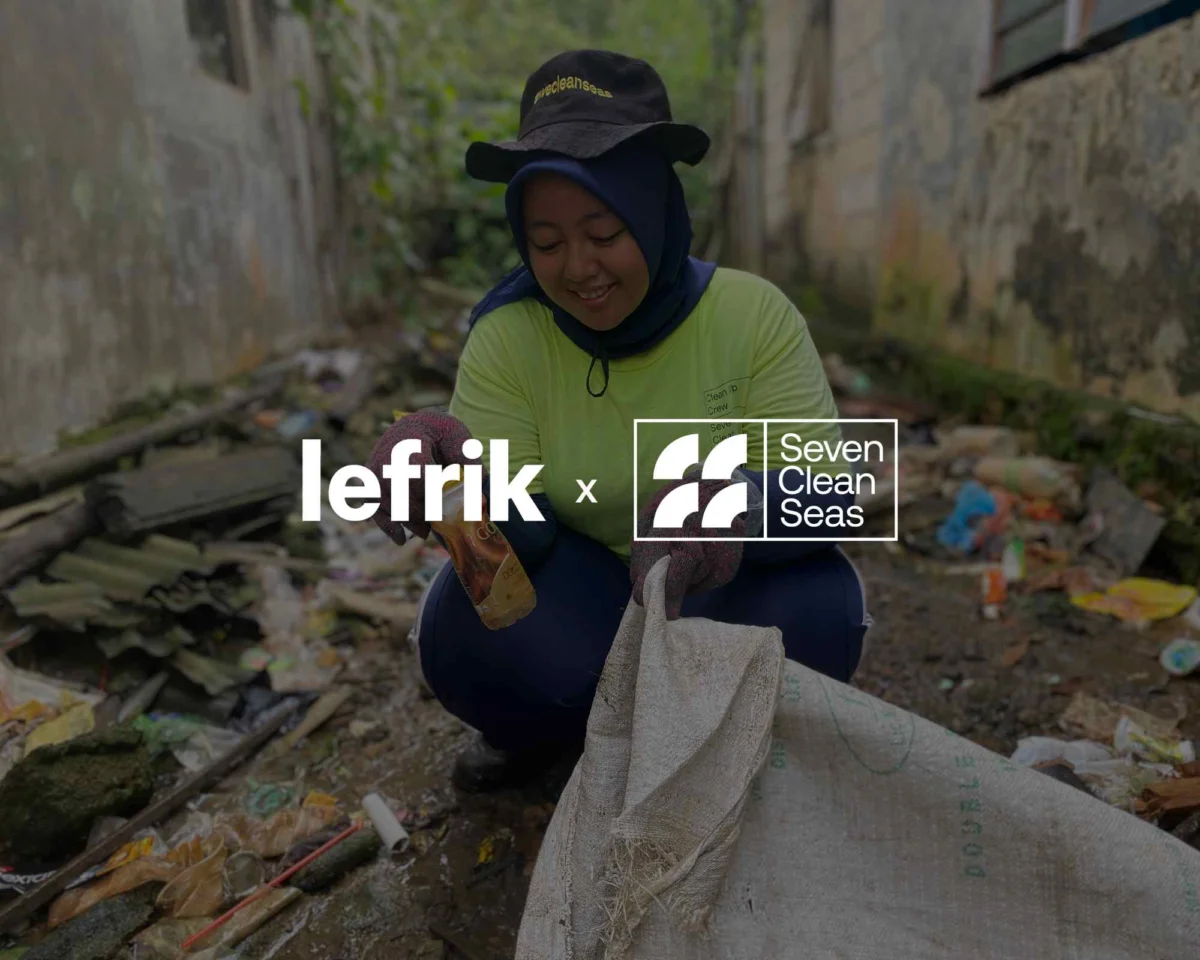
Lefrik x Seven Clean Seas: More sustainable bags brand Lefrik, rated "Great," has announced a significant charity partnership with Seven Clean Seas, an organization dedicated to plastic pollution prevention. For every Lefrik product sold (many of which are crafted from recycled plastic), the brand will allocate resources to support plastic collection efforts in Indonesia. This initiative directly links Lefrik’s design principles and production methods with tangible environmental action, embodying a holistic approach to corporate responsibility.
DAWN Denim, Shop Like You Give a Damn, and Cotton Diaries: "Great" rated DAWN Denim and sustainable retailer Shop Like You Give a Damn have collaborated with Cotton Diaries for a compelling new podcast episode. This episode delves into the myths surrounding cotton fiber and explores the transformative potential of regenerative cotton farming. Such collaborations serve as crucial educational platforms, demystifying complex sustainability topics and promoting informed consumer choices.
Kuyichi’s 25th Anniversary: "Great" denim brand Kuyichi celebrates 25 years in business, marking the occasion with a 25-part blog series detailing its inspiring history. As the brand articulates, "Long before sustainable fashion became a movement, [Kuyichi] was simply a response to a reality we could not accept." This anniversary series highlights Kuyichi’s pioneering role in sustainable denim, demonstrating long-term commitment and resilience in advocating for ethical production.
Triarchy’s Investment Drive: "Great" rated denim brand Triarchy has launched an investment drive with FrontFundr to secure financial stability for the next 12 months. This crucial funding will support continued investment in sustainable production options, including digitally dyed denim and the development of next-generation materials. This drive exemplifies how innovative sustainable brands often require capital to scale their impact and develop cutting-edge solutions that challenge conventional, less sustainable manufacturing processes.
These developments, both challenging and inspiring, paint a vivid picture of an industry undergoing profound transformation. From navigating global conflicts and ethical dilemmas to embracing material innovation and fostering circular economies, the fashion and beauty sectors are at a pivotal moment, with the decisions made today shaping their future impact on people and the planet.