










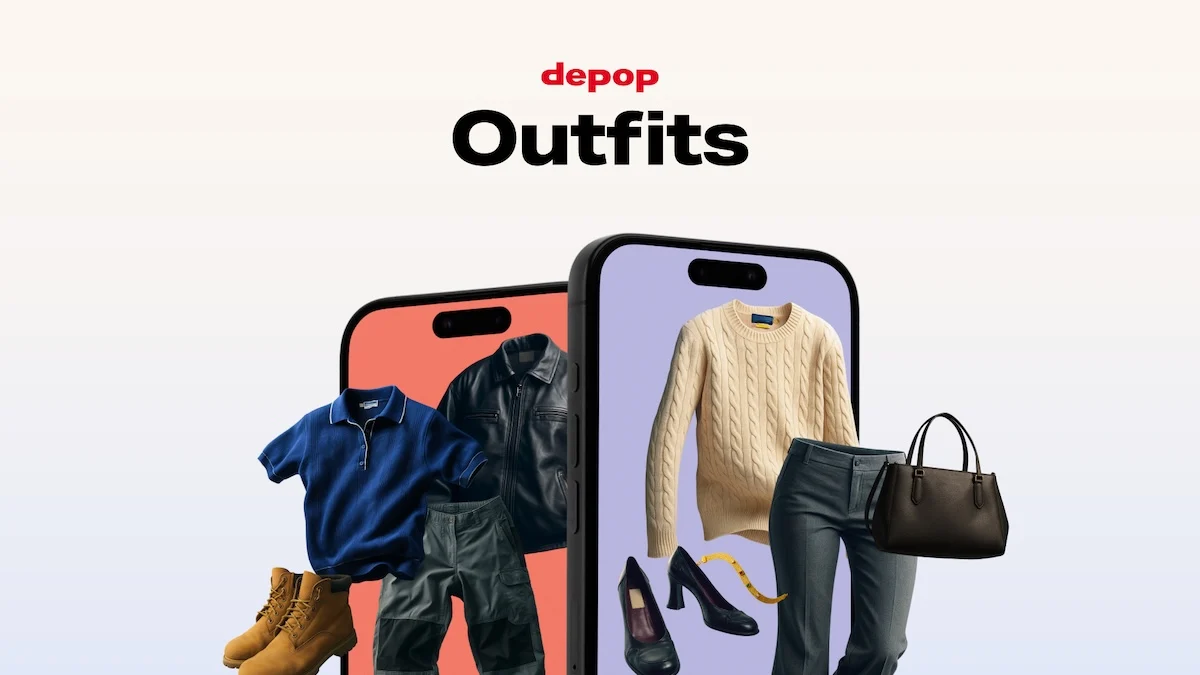
Popular fashion resale marketplace Depop has officially announced the rollout of a brand-new interactive styling and collaging tool engineered specifically for digital-native users who enjoy curating and sharing aesthetic fashion layouts. Dubbed “Outfits,” the newly launched feature functions as a mood board-inspired interface, empowering platform users to design cohesive, multi-item ensembles that can be shared with followers, used for personal style inspiration, or published to external social media networks. This strategic product launch arrives at a pivotal juncture for the secondhand shopping platform, following a period of remarkable financial growth for its parent company, Etsy, and aligning with broader digital trends sweeping through the youth consumer demographic.
Functionality and User Experience of the Outfits Feature
The mechanics behind Depop’s Outfits tool are designed to be intuitive, seamlessly integrating with the platform’s existing marketplace inventory. To begin crafting an outfit collage, a user simply selects any individual listing they wish to feature and clicks on a newly introduced scissors icon positioned on the right-hand side of the display screen.
Activating this icon opens a robust suite of creative customization options. Users can experiment with vibrant, colorful backgrounds, precisely adjust the sizing and spatial placement of individual garment and accessory cutouts, and utilize pre-formatted layout templates that act as a structural design guide.
Crucially, the feature bridges the gap between creative expression and commerce. Every single item showcased within a user-generated collage is fully shoppable. If a specific piece happens to sell out or become unavailable while featured in an active outfit board, the platform’s underlying algorithm automatically generates suggestions for similar style alternatives, ensuring a frictionless purchasing journey for prospective buyers. For independent sellers on the platform, Outfits presents a valuable marketing mechanism. Merchants can showcase their active inventory within styled, curated looks, helping potential buyers visualize how disparate clothing items and accessories can be combined into a complete wardrobe.
Furthermore, Depop has incorporated cross-platform sharing capabilities. Users are not restricted to keeping their creations within the app ecosystem; they can export and share static images of their curated outfits directly to popular social media channels such as Instagram and Pinterest. Industry analysts view this interoperability as a calculated move to capture organic traffic from external platforms where fashion inspiration heavily influences consumer spending habits.
The Gen Z Aesthetic and the Rise of Digital Collaging
The introduction of the Outfits feature reflects a broader cultural phenomenon among Gen Z consumers, who have demonstrated an insatiable appetite for digital mood boarding, scrapbooking, and collage creation. In recent years, aesthetic curation has transformed from a casual hobby into a primary mode of digital self-expression and social currency online.
Depop is far from the first major digital player to tap into this trend. The ecosystem for digital collaging has seen substantial corporate investment and innovation. For instance, visual discovery giant Pinterest launched Shuffles, a standalone collage-making application aimed directly at younger demographics, back in 2022. The immense popularity of Shuffles quickly prompted Pinterest to integrate its core collage-making functionality directly into its primary mobile application by late 2023. By introducing Outfits, Depop is directly addressing this consumer preference, transforming its marketplace from a transactional inventory search engine into an immersive, community-driven social styling destination.

According to company statements released alongside the launch, the Outfits tool is currently rolling out globally and is accessible to all registered users directly within the official Depop mobile application.
Financial Momentum and Strong Market Performance
The rollout of the Outfits feature does not happen in a vacuum; it follows closely on the heels of glowing financial disclosures from Depop’s parent company, Etsy. According to Etsy’s Q2 earnings report, Depop has experienced extraordinary commercial acceleration, registering a 34.7% year-over-year increase in Gross Merchandise Sales (GMS) on a currency-neutral basis.
This robust growth trajectory places Depop firmly on a path toward achieving a highly coveted $1 billion GMS run rate. To put this performance into perspective within the broader competitive landscape of global re-commerce, rival resale platforms have also been posting significant metrics. For example, Japanese resale giant Mercari reported a Gross Merchandise Value (GMV) of $728 million for the fourth quarter of 2024. Depop’s surging numbers highlight the sustained, long-term consumer shift toward circular fashion, thrift culture, and online peer-to-peer marketplaces, particularly among younger demographics seeking both economic value and sustainable shopping alternatives.
Strategic Implications for the Re-Commerce Sector
The convergence of social media mechanics and e-commerce transactions—frequently referred to as social commerce—has become the defining battleground for online retail platforms. By empowering users to act as virtual stylists, Depop is effectively crowdsourcing marketing and merchandising efforts.
In traditional e-commerce models, shoppers rely heavily on standard product photography displayed against neutral or white backgrounds. While efficient for cataloging, this traditional approach often lacks emotional resonance or styling context. By contrast, tools like Outfits allow creative community members to contextualize inventory within micro-trends, seasonal aesthetics, and personal narratives. This transforms passive browsing into an engaging, inspirational journey that closely mirrors the editorial experiences found in high-fashion digital magazines.
Moreover, the integration of smart alternative suggestions for sold-out items demonstrates an advanced application of marketplace logic. Rather than letting a dead link or a sold-out item frustrate a potential buyer, the app retains the user’s attention by immediately pivoting toward available inventory that matches the desired aesthetic. This reduces bounce rates and increases average order values across the platform.
As online resale markets mature and face increasing competition from both fast-fashion giants launching their own resale arms and established peer-to-peer competitors, differentiation increasingly relies on user experience and community engagement. Depop’s ongoing investments in features that blend community, content, and commerce suggest that the platform views itself not merely as an online garage sale, but as a cultural hub for youth fashion expression. With the global launch of Outfits now underway, the company aims to solidify its position as the premier digital destination for the next generation of conscious consumers and style creators.