









For the modern professional, the process of building a wardrobe often devolves into the acquisition of disparate, high-impact "statement pieces" that lack long-term utility. However, seasoned custom clothier Ivan—a specialist with a decade of industry experience—argues that the hallmark of a refined closet is not found in isolated luxury items, but in the implementation of a consistent, versatile design template. In a recent detailed walkthrough, Ivan explores the technical construction, fabric selection, and philosophical approach that define his most successful commissions, offering a roadmap for individuals looking to move beyond trend-chasing toward intentional wardrobe management.

The core of Ivan’s methodology rests on the realization that every garment must serve a functional purpose within an existing collection. His approach highlights a pivot in the bespoke tailoring industry: away from overly ornate or seasonal-specific garments and toward modular, high-utility pieces that allow for seamless integration with a variety of textures and palettes.
The Anatomy of the Essential Sport Coat
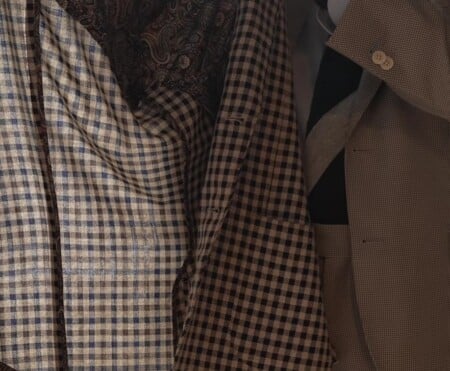
The primary challenge in commissioning bespoke clothing is avoiding the "stand-alone" trap—purchasing a garment that, while aesthetically pleasing in isolation, fails to pair with the rest of one’s attire. To illustrate his philosophy, Ivan showcases three sport coats that serve as the pillars of his daily rotation.

The first, a cream wool-silk blend, serves as a masterclass in seasonal versatility. While cream is traditionally relegated to the warmer months, the inclusion of silk provides a subtle luster and structural stability, while the wool base offers enough heft to be worn across three seasons. By layering this piece with deeper autumnal tones—such as browns, navy, or forest greens—the wearer effectively transitions the garment from a summer aesthetic to a robust fall ensemble.
The second piece, a Prince of Wales flannel, demonstrates the value of complex pattern work in a winter-weight cloth. Ivan notes that the distinction between a simple windowpane and a true Prince of Wales check is often lost on the casual observer. A standard windowpane features a singular grid, whereas the Prince of Wales, or glen check, utilizes a more intricate weave. By overlaying a light-blue windowpane on a glen check base, the jacket achieves a depth of character that remains visually compelling without sacrificing its ability to anchor a professional outfit.

Technical Specifications and Construction Standards
Beyond the choice of cloth, the durability and drape of a jacket depend heavily on its internal architecture. Ivan’s practice emphasizes the use of three distinct levels of construction: full canvas, half canvas, and unstructured. The "canvas" refers to the layer of horsehair or synthetic material stitched between the fabric and the lining, which provides the garment with its shape and structural integrity.
A full-canvas jacket, the gold standard in traditional tailoring, provides the most rigid form and molds to the wearer’s body over years of use. Conversely, a half-canvas construction limits this support to the chest and lapel, providing a balance between structure and breathability. For more casual commissions, an unstructured jacket—which omits the canvas entirely—offers a lightweight, relaxed silhouette. Ivan advocates for selecting construction methods based on the intended use of the garment, favoring a "quarter-lined" approach for most sport coats to ensure maximum airflow and comfort.
Defining the Professional Template: The Finishing Details
One of the most revealing aspects of Ivan’s process is the intentionality behind small, repetitive finishing details. These nuances serve as a signature of his personal brand and offer a guide for those seeking to customize their own commissions.
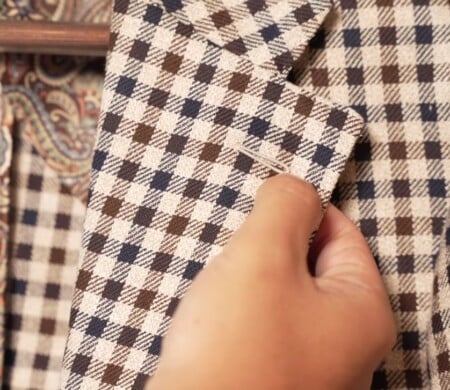
A critical design choice is the treatment of buttonholes. Ivan employs a policy of restraint regarding the lapel buttonhole, which he leaves unadorned. His reasoning is rooted in visual psychology: the lapel is a focal point of the garment, and a colored thread in that location creates a jarring "bullseye" effect. In contrast, he applies a subtle colored thread to the final buttonhole on the cuff. This creates a refined, secondary detail that is only apparent upon closer inspection, such as when the wearer is gesturing or shaking hands.
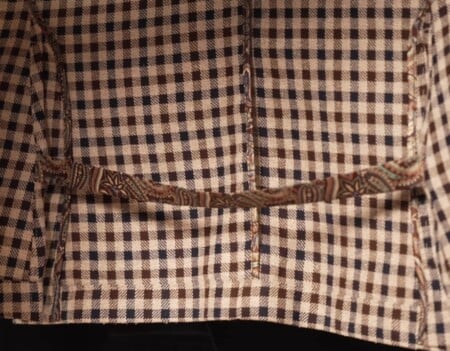
Furthermore, Ivan incorporates a hidden strap into the rear vent of every jacket. This minor structural modification prevents the "flapping" of the vent, ensuring that the silhouette of the hips and back remains clean and uninterrupted, even when the wearer is in motion. This attention to mechanical function, rather than mere decorative flair, is what separates a professional, long-wearing garment from a disposable piece of fashion.
Chronology and Evolution of Bespoke Practice
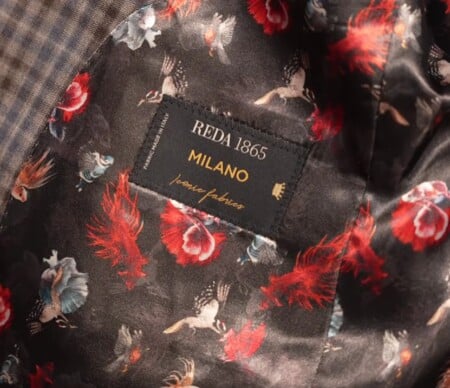
The evolution of these design choices has occurred over ten years of active practice. In the early stages of his career, Ivan admits that he, like many clients, focused on novelty linings and bold patterns. Over time, he has shifted toward a "low-stress" approach. He now advises clients against spending excessive time matching linings to fabrics. Instead, he treats the interior of the jacket as a space for personal expression that does not need to adhere to the external color harmony of the wardrobe. If a client prefers a vibrant, floral-patterned lining, he supports its inclusion, regardless of whether it "matches" the exterior, as the lining remains hidden during daily wear.
Industry Implications and Broader Trends
The shift toward a "template" system reflects a broader trend within the menswear industry: a move toward "slow fashion." As consumers become increasingly aware of the environmental and economic costs of fast-paced, trend-driven shopping, there is a renewed interest in the "capsule wardrobe" model. By establishing a set of parameters for one’s clothing—such as a preferred lapel width, pocket style, or construction weight—the customer reduces the likelihood of "buyer’s remorse" and increases the lifespan of their investments.
Data from the bespoke sector suggests that clients who define their "likes and dislikes" before approaching a tailor tend to be more satisfied with their final garments. By documenting his own process, Ivan provides a template that simplifies the bespoke experience, effectively lowering the barrier to entry for those intimidated by the sheer volume of choices involved in custom tailoring.
Fact-Based Analysis: The "Three-Roll-Two" Configuration
Among the technical terms clarified by Ivan, the "three-roll-two" jacket remains a point of confusion for many. A three-roll-two jacket is engineered with three buttons, but the top buttonhole is folded over and pressed into the lapel, leaving it non-functional. This construction allows for the aesthetic of a two-button jacket while retaining the sophisticated, fluid roll of a three-button lapel. It is a configuration favored by experts for its ability to soften the chest line and provide a more natural, elegant silhouette.
Conclusion: Investing in Utility
Ultimately, the lesson derived from Ivan’s decade of experience is that a truly "custom" wardrobe is not defined by the price of the materials or the exclusivity of the tailor, but by the coherence of the collection. Whether one is selecting a wool-silk blend for year-round utility or deciding on the internal canvas structure, the goal remains the same: to create a set of garments that function as a cohesive whole.
By prioritizing function, consistent design language, and high-quality construction, the individual can build a wardrobe that transcends the limitations of seasonal trends. As Ivan observes, the most successful garments are those that integrate seamlessly with the existing collection, proving that the most sophisticated wardrobe is one that is built with intention, rather than simply bought. As the industry continues to evolve, this focus on the "sartorial blueprint" is likely to remain the most reliable path for those seeking to cultivate a lasting and effective personal style.