



Staging fashion shows at unexpected locations has evolved from a novel trend into a competitive arena within the global fashion industry, with labels consistently striving to outdo previous spectacles season after season. However, when designer Damur Huang chose Skatehalle Berlin for his Spring/Summer 2027 presentation, he envisioned more than a mere runway; he orchestrated an immersive, 10-hour rave, effectively blurring the traditional lines separating fashion, sport, and club culture into a singular, dynamic experience. This ambitious undertaking, titled Ride Chaos – Break the Gravity, was not only a showcase for a new collection but a profound statement on identity, freedom, and the inherent beauty of controlled chaos, marking a significant moment in the evolving landscape of fashion presentations.
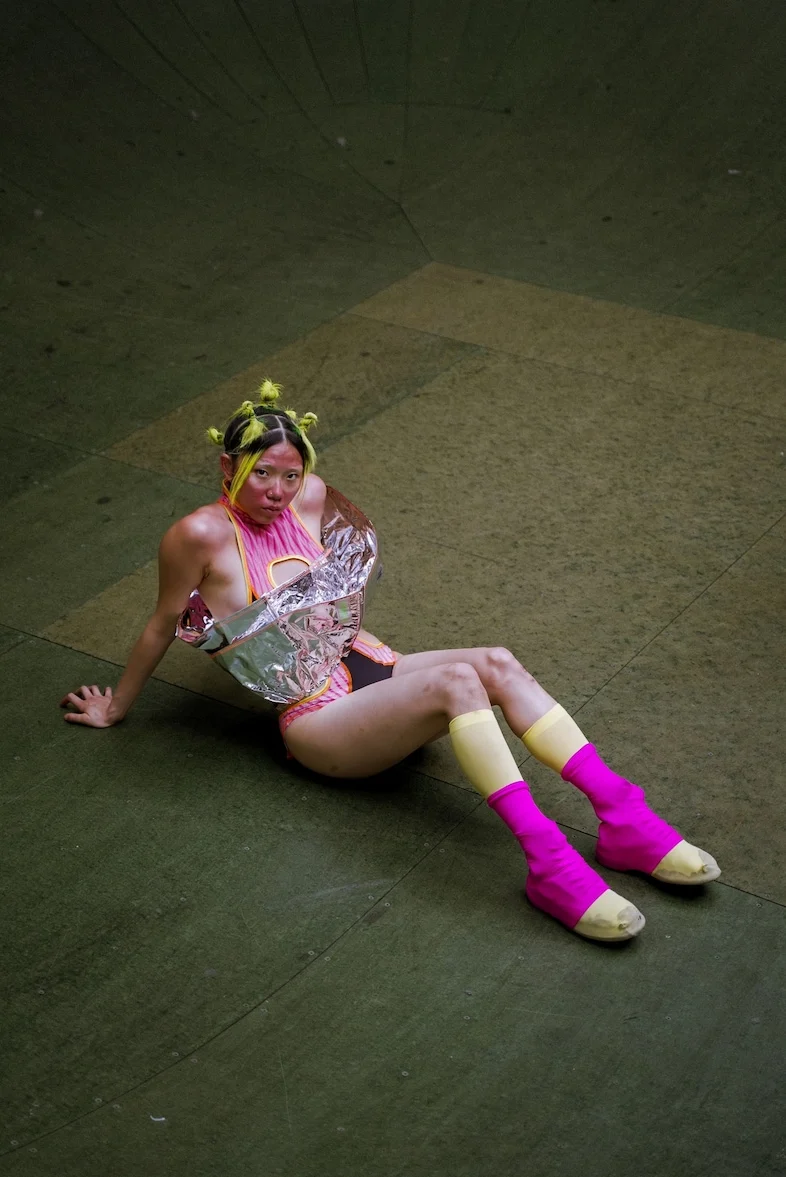
The event, held within the vast industrial expanse of Skatehalle Berlin, a renowned hub for urban sports enthusiasts, commenced not with the conventional procession of models, but with an energetic dance performance. As the doors opened, attendees were immediately enveloped in an atmosphere pulsating with anticipation, a stark departure from the often hushed reverence of high fashion events. Dancers, clad in Huang’s distinctive neon clubwear, surged across the halfpipes and ramps, their movements embodying the collection’s ethos of dynamism and uninhibited expression. Garments such as clingy bodysuits adorned with vibrant pink piping, audacious leopard print boots, and reflective jackets caught the ambient light, creating a kaleidoscopic blur against the raw concrete backdrop. Layered leg warmers and plaid skater shirts further underscored the fusion of athletic utility with avant-garde aesthetics, hinting at a collection designed not just for display, but for active, lived experience. This initial segment served as a visceral introduction, setting a precedent for the genre-bending spectacle that was to unfold.
Following the electrifying dance performance, a more traditional runway segment briefly anchored the event within conventional fashion parameters. Models traversed a designated path, allowing the audience a closer look at the intricate details, textures, and silhouettes of the Ride Chaos – Break the Gravity collection. This momentary return to convention, however, was swiftly disrupted by the dramatic entrance of professional skaters. Weaving through the runway space on battered boards, their colourful attire transformed into streaks of vibrant energy as they sliced through the air, embodying the very essence of chaos and gravity-defying movement that inspired Huang’s collection. This deliberate interplay between static presentation and dynamic action challenged the audience’s expectations, reinforcing the show’s core message of fluidity across different cultural realms.
The Genesis of an Unconventional Vision: From Ballet to Berlin Rave
The conceptual roots of Huang’s audacious SS27 show can be traced back to an pivotal collaboration in early 2025, when the designer was commissioned by the prestigious Hessisches Staatsballett to design costumes for their ballet, "Become Ocean." This experience proved to be a profound catalyst for Huang’s artistic evolution. "Working with ballet dancers completely expanded my imagination," Huang recounted, emphasizing the transformative impact of the collaboration. "I became obsessed with the relationship between the body, movement, lines, chemistry, and choreography." This deep dive into the discipline of classical dance, which often explores themes of control, fluidity, and emotional expression through precise physical articulation, profoundly influenced his approach to fashion design.
The ballet project provided Huang with a unique lens through which to view the human form and its interaction with fabric and space. The rigorous training and expressive power of ballet dancers illuminated new possibilities for how clothing could enhance and respond to movement. "I realised how much beauty can emerge through pressure, momentum, and the loss of control," he elaborated, reflecting on the paradoxes inherent in both dance and extreme sports. This realization became a guiding principle for his SS27 collection, inspiring him to create garments that felt "alive – made for bodies that run, sweat, skate and dance." It was a conscious decision to move beyond static, purely aesthetic designs towards apparel that celebrated functionality, resilience, and the raw energy of human activity. The experience with Hessisches Staatsballett, therefore, was not merely a side project but a foundational element that reshaped Huang’s understanding of fashion’s potential, laying the groundwork for the dynamic and immersive experience he would craft in Berlin.
"Techno Sluts": A Philosophy of Freedom and Self-Definition
The climax of Huang’s SS27 presentation was its seamless transition into a full-fledged rave, a ten-hour odyssey of what Huang provocatively titled "Techno Sluts." This segment, designed as a celebration of hedonistic freedom, invited the fashion crowd to shed their roles as passive observers and actively participate in the unfolding experience. When queried about the audacious name, Huang offered a nuanced perspective, stating, "For me, ‘slut’ is not a specific type of person, sexuality, aesthetic, or nightlife identity. It is a mirror." This statement encapsulates the designer’s philosophy of challenging societal norms and embracing radical self-acceptance. He further elaborated on the profound influence of the queer community on his brand, #DAMUR, citing its "courage to let go of expectations and live with freedom, honesty, and a self-defined identity."
This ethos resonated deeply with the spirit of Berlin, a city globally renowned for its vibrant techno scene and its long-standing embrace of counter-culture and queer identities. The city’s club culture, particularly its techno circuit, often serves as a sanctuary for self-expression, where societal constraints are momentarily suspended, allowing individuals to explore and define themselves outside conventional parameters. The "Techno Sluts" rave, therefore, was not just a party but a performative extension of Huang’s brand identity and a tribute to the city’s liberal spirit. With an impressive lineup of DJs, including electronic music stalwarts like Ceau00cau00b4u00c4u00b1, Alienata, and Paul Ray, on the decks, the energy inside Skatehalle Berlin was electric. The event deliberately aimed to break the "fourth wall" of a traditional fashion show, dismantling the controlled image typically associated with high-end presentations and fostering a sense of collective liberation. Huang’s invitation for guests to join the runway experience blurred the lines between performer and audience, creating an inclusive environment where everyone was part of the spectacle.
The Logistics of Blurring Worlds: A Production Masterclass
Orchestrating an event of this magnitude, blending disparate cultural elements into a cohesive 10-hour experience, presented significant logistical and creative challenges. Huang himself acknowledged the complexity: "The greatest challenge was bringing many different worlds together as one: a runway show, rave, skatepark, live performances, DJs, guests, and fashion production." Each component demanded meticulous planning and coordination, from securing the iconic Skatehalle Berlin – a venue typically dedicated to skateboarding and BMX – to managing the technical requirements of a major music event alongside the precise staging of a fashion presentation.
The successful execution hinged on a shared vision and an unwavering commitment from all involved parties. "It was also about convincing everyone to trust one shared vision and understand how their individual roles contributed to the whole experience," Huang explained. This required extensive collaboration with event producers, sound and lighting technicians, security personnel, performers, and the venue management. Ensuring the safety of both skaters and dancers while maintaining a high aesthetic standard for the fashion show, and then transitioning seamlessly into a full-scale music festival, demanded an unprecedented level of integration and adaptability. The sheer duration of the event, requiring sustained energy and engagement from both participants and attendees, added another layer of complexity. However, the successful fusion of these elements demonstrated Huang’s capacity not only as a designer but as a visionary curator of cultural experiences.
Broader Implications: Fashion’s Evolving Landscape
Damur Huang’s SS27 show in Berlin represents more than just a memorable event; it signifies a pivotal moment in the ongoing evolution of the fashion industry. The traditional model of exclusive, often austere, runway presentations is increasingly being challenged by designers who seek to create more immersive, inclusive, and culturally resonant experiences. This shift aligns with broader trends in consumer behaviour, where authenticity, experiential engagement, and brand storytelling are valued as highly as the garments themselves. The show’s deliberate fusion of fashion with subcultures like rave and skate culture highlights a growing recognition within the industry of the power of grassroots movements and diverse identities to inform and invigorate high fashion.
The economic implications of such elaborate, long-duration events are substantial. While the immediate costs are higher than a conventional show, the extended media coverage, heightened social media engagement, and prolonged brand visibility can offer a significant return on investment. The event became a talking point, generating buzz that transcended typical fashion media, reaching audiences interested in music, nightlife, and alternative sports. This strategy of creating "fashion moments" rather than just "fashion shows" is increasingly becoming a hallmark of innovative brands seeking to cut through the noise of a saturated market.
Furthermore, Huang’s explicit engagement with themes of queer identity and self-definition, particularly through the "Techno Sluts" concept, positions the brand at the forefront of fashion’s ongoing dialogue about inclusivity and representation. By challenging pejorative terms and reclaiming them as symbols of empowerment and freedom, Huang contributes to a progressive narrative within the industry. This approach resonates strongly with younger demographics who prioritize brands that reflect their values and champion social causes.
The success of Ride Chaos – Break the Gravity also suggests a future where collaborations between seemingly disparate artistic and cultural institutions – such as ballet companies, skateparks, and electronic music scenes – become more commonplace. These cross-pollinations foster innovation, expose different audiences to new art forms, and ultimately enrich the cultural tapestry. Damur Huang’s SS27 show at Skatehalle Berlin was not just a presentation of clothes; it was a testament to the transformative power of art, music, and fashion when allowed to converge, creating a truly unforgettable and culturally significant experience that resonated far beyond the confines of the runway.