










CARY, N.C. — As the global textile industry faces mounting pressure to address the environmental impact of synthetic materials, Cotton Incorporated has announced an expansive strategic initiative for July 2026 designed to educate both industry stakeholders and the general public on the benefits of natural fibers. This month-long campaign, centered on the theme of "Plant, Not Plastic," seeks to position cotton as a primary solution to the growing crisis of microplastic pollution. By leveraging over a decade of biodegradation research and new consumer insights, the organization aims to bridge the gap between sustainability goals and material selection in an era of heightened environmental scrutiny.
The initiative comes at a critical juncture for the textile sector. With microplastics now being detected in the deepest reaches of the oceans and throughout the human food chain, the role of synthetic textiles—which shed millions of non-biodegradable fibers during every wash cycle—has come under intense regulatory and social focus. Cotton Incorporated’s July programming is designed to provide science-based resources that help brands, retailers, and manufacturers navigate these evolving conversations, reinforcing the inherent environmental advantages of cotton as a renewable, biodegradable resource.
A Decade of Research and the Science of Biodegradation
While the July campaign represents a significant surge in public-facing activity, it is rooted in a long-term commitment to scientific inquiry. Since 2010, Cotton Incorporated has spearheaded extensive research into the biodegradation of various fiber types in diverse environments, including soil, compost, and aquatic systems. This research has consistently demonstrated that cotton fibers, being composed of cellulose, are broken down by naturally occurring microorganisms in a relatively short timeframe compared to synthetic alternatives.
In contrast, petroleum-based fibers such as polyester, nylon, and acrylic do not biodegrade in the same manner. Instead, they fragment into smaller particles known as microplastics, which can persist in the environment for centuries. By highlighting this fundamental difference, Cotton Incorporated is providing the industry with a clear roadmap for reducing the "plastic footprint" of apparel and home textiles. The July initiative will see the release of updated findings from these long-term studies, translated into accessible formats for design teams and sustainability officers who are tasked with meeting ambitious corporate social responsibility (CSR) targets.
Shifting Consumer Sentiment: The Rise of Microplastic Awareness
One of the primary drivers behind the "Plant, Not Plastic" campaign is a significant shift in consumer behavior. New research conducted by Cotton Incorporated and Cotton Council International (CCI) reveals that public awareness regarding microplastic pollution has reached an all-time high. In 2017, only 17% of U.S. consumers reported being aware of the issue. By 2026, that figure has more than doubled to 41%.
This surge in awareness is directly translating into purchasing preferences. According to the 2026 Global Sustainability Survey, 59% of consumers are now likely to seek out clothing specifically made with microplastic-free fibers. This data suggests that sustainability is no longer a niche concern but a mainstream market driver. Consumers are increasingly scrutinizing garment labels, looking for natural fiber content as a proxy for environmental safety.
Bev Sylvester, Chief Marketing Officer at Cotton Incorporated, emphasized that this shift represents a major opportunity for the industry. "Our research shows that consumers are paying closer attention to what products are made from and how those materials align with their values," Sylvester stated. "Awareness of microplastics’ pervasive impact continues to grow, and many consumers are actively seeking products made with microplastic-free fibers. The conversation around fiber choice happening at the brand and consumer level reinforces a simple truth: cotton comes from a plant, not plastic."
Industry Response and Regulatory Pressure
The textile industry is not merely reacting to consumer demand; it is also anticipating a more stringent regulatory environment. A recent survey conducted by Sourcing Journal in collaboration with Cotton Incorporated found that 67% of textile professionals are already taking steps or planning actions to reduce microplastic pollution within their supply chains. Specifically, 43% of companies have already implemented mitigation strategies, while 24% have plans to do so in the near future.
This proactive stance is likely influenced by emerging legislation in several global markets. In the European Union, the Ecodesign for Sustainable Products Regulation (ESPR) and other directives are moving toward mandatory labeling and minimum requirements for fiber durability and biodegradability. In the United States, states like California have introduced bills aimed at addressing microfiber filtration in washing machines and transparency in material sourcing. By providing the industry with the "CottonWorks" online resource hub, Cotton Incorporated is offering the technical data necessary for companies to remain compliant with these evolving standards.
Educational Programming and Strategic Events in July
The July initiative features a multi-tiered approach to outreach, combining digital education with high-profile industry events. A key component is the launch of a new educational video series and expanded resources on CottonWorks, the organization’s primary platform for textile professionals. These resources will include webinar sessions and targeted digital communications that break down the complexities of circularity and end-of-life textile management.
On the ground, Cotton Incorporated will maintain a strong presence at major industry trade shows. At Kingpins New York, a premier event for the denim industry, the organization will host an interactive "Plastic in the Sea" photobooth. This installation is designed to be a visual and experiential tool to engage designers and buyers in a conversation about the long-term impact of synthetic fibers on marine ecosystems. Similarly, at Interfilière in Los Angeles, the focus will be on how natural fibers can be integrated into the intimate apparel and activewear segments—categories traditionally dominated by synthetics.
Reaching the Next Generation: "The Science of Style"
Recognizing that long-term change requires a shift in educational foundations, Cotton Incorporated is also targeting younger demographics. In partnership with Young Minds Inspired (YMI), the organization is launching a new curriculum titled "The Science of Style: Clothes and the Environment."
Designed for students in grades 9 through 12, this curriculum provides educators with the tools to teach the next generation of consumers and professionals about the environmental impact of their wardrobe choices. By integrating science and fashion, the program explores the lifecycle of textiles, the chemistry of natural versus synthetic fibers, and the importance of circularity. This move is seen as a strategic investment in Gen Z and Gen Alpha, cohorts that have already demonstrated a higher-than-average concern for climate change and ecological preservation.
Circularity in Action: Blue Jeans Go Green
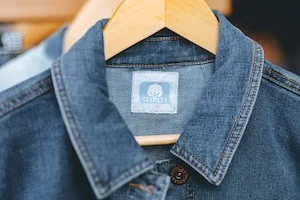
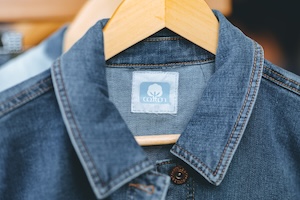
A cornerstone of Cotton Incorporated’s sustainability narrative is the "Blue Jeans Go Green" denim recycling program. During the July campaign, the program will see an extension of its "Monumental Impact" initiative. This campaign highlights the sheer scale of denim recycling efforts, where old cotton denim is diverted from landfills and repurposed into useful materials like housing insulation.
Since its inception, the Blue Jeans Go Green program has collected millions of pieces of denim, showcasing a tangible application of the circular economy. By emphasizing that cotton is not only biodegradable but also highly recyclable, the organization is countering the "fast fashion" narrative that has plagued the industry. The July extension will encourage consumers to participate in recycling drives, further cementing the link between the "Plant, Not Plastic" message and responsible post-consumer behavior.
Broader Implications for the Global Textile Market
The implications of Cotton Incorporated’s expanded efforts extend far beyond a single month of marketing. As the industry moves toward 2030—a target year for many global sustainability goals—the competition between natural and synthetic fibers is intensifying. While synthetic fibers remain popular due to their low cost and versatility, their environmental "hidden costs" are becoming harder for brands to ignore.
Market analysts suggest that the emphasis on "naturality" could lead to a resurgence in cotton’s market share, particularly in high-volume categories like denim, t-shirts, and home textiles. However, this shift also requires the cotton industry to continue improving its own sustainability metrics, such as water usage and pesticide management, to maintain its status as a "green" alternative. Cotton Incorporated has addressed this by integrating broader sustainability data into its messaging, ensuring that the "Plant, Not Plastic" argument is part of a holistic environmental strategy.
Furthermore, the focus on microplastics may spark innovation in textile engineering. We are seeing a rise in "hybrid" fabrics where cotton is blended with other bio-based fibers or where finishing techniques are used to reduce the shedding of natural fibers. Cotton Incorporated’s research provides the baseline data for these innovations, ensuring that as the industry evolves, it does so with a scientific understanding of material impact.
Conclusion: A Year-Round Commitment
While July 2026 serves as a high-visibility period for these discussions, Cotton Incorporated has made it clear that its work in this area is a year-round endeavor. The organization’s ongoing research into textile waste and end-of-life considerations remains a permanent fixture of its mission. By providing a continuous stream of consumer insights and industry outreach, the Cary-based organization is positioning itself as an essential partner for any textile brand looking to navigate the complex waters of modern sustainability.
As the "Plant, Not Plastic" message gains traction, the textile industry finds itself at a crossroads. The data provided by Cotton Incorporated suggests that the path forward is one paved with natural fibers, backed by rigorous science, and driven by a consumer base that is increasingly unwilling to accept the environmental status quo. Through education and collaboration, the organization is not just promoting a fiber; it is advocating for a fundamental shift in how the world thinks about the clothes it wears.