











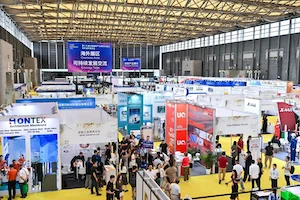
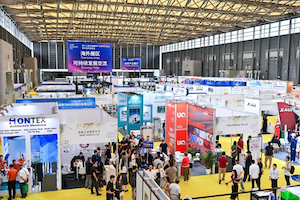
The 2026 edition of Cinte Techtextil China, held in Shanghai from September 24 to 26, has solidified its reputation as Asia’s premier trade fair for technical textiles and nonwovens. In a global economic environment characterized by fluctuating demand and supply chain realignments, the event served as a critical nexus for industry professionals. The fair hosted over 300 exhibitors from 15 countries and regions across a 32,000-square-meter exhibition space, facilitating nearly 19,000 visits from professionals representing 86 diverse markets. By bridging the gap between East and West, the event underscored the sector’s pivot toward high-growth applications, sustainability, and technological integration.
Chronology of the 2026 Exhibition
The three-day event followed a structured format designed to maximize B2B engagement. The opening day focused on high-level strategic dialogues, with the Nonwovens Industry High-Quality Development Conference setting the tone for the event. Experts discussed the intersection of artificial intelligence and manufacturing, alongside the shift toward "green" production models.
Day two shifted focus to technical cross-border collaboration. This included the introduction of new exhibitor cohorts from Southeast Asia and the Middle East, as well as the unveiling of cutting-edge machinery in the European and German Zones. The final day was dedicated to finalizing matchmaking deals, hosting specialized panels on industrial hemp and automotive textiles, and conducting guided tours for high-profile VIP delegations.
Strategic Market Positioning and Economic Context
The technical textiles market has been undergoing a period of intense transformation. As traditional textile manufacturing faces margin pressures, manufacturers are increasingly migrating toward specialized, high-performance materials. Cinte Techtextil China 2026 strategically mirrored this evolution by focusing on core growth sectors: automotive (Mobiltech), medical and protective equipment (Medtech and Protech), and industrial applications (Indutech).
According to industry analysts, the shift toward these sectors is not merely a preference but a survival strategy for firms navigating the "15th Five-Year Plan" in China, which emphasizes industrial self-sufficiency and high-quality growth. By concentrating on these pillars, the organizers provided a roadmap for companies to diversify their product portfolios away from low-margin commodities.
Global Exhibitor Diversity and Technological Showcases
The 2026 edition marked a significant milestone in international participation. Beyond the established presence of European powerhouses like Groz-Beckert, Andritz, and the Reifenhauser Group, the event saw a surge in first-time participants from emerging industrial hubs, including Bangladesh, Thailand, Singapore, and Türkiye.
The European and German Zones remained the epicenter of technological advancement. Key highlights included:
- Graf + Cie (Switzerland): Showcased advanced solutions for Medtech and Geotech.
- Wintriss Engineering (USA): Debuted an AI-integrated surface defect inspection system, reflecting the industry’s push toward automated quality control.
- Nippon Paper Industries (Japan): Demonstrated the potential of "Cu-TOP," a paper textile hybrid utilizing copper functionality, signaling a trend toward material convergence.
- Tepar Tekstil (Türkiye): Introduced high-performance DURAFIL fabrics, marking a successful entry into the competitive Sporttech segment.
These technological displays were complemented by the "Association Village," which hosted organizations from the UK, India, and Thailand, facilitating a structured environment for cross-border trade negotiations.
Official Perspectives on Industry Evolution
Ms. Wilmet Shea, General Manager of Messe Frankfurt (HK) Ltd., emphasized the intentional design of the fair. "Unlocking growth in today’s evolving market requires connecting with the right chances at the right time," Shea noted. "We intentionally designed this edition to mirror actual demand, from featuring high-growth applications and trends to optimizing global matchmaking."
This sentiment was echoed by exhibitors who viewed the event as an essential instrument for market intelligence. Mr. Kabilen Sornum of Groz-Beckert noted that the fair served as a "crucial platform to connect directly with key players across the value chain," particularly in understanding how to move beyond existing product portfolios into more complex, value-added territories.
The Role of High-Level Fringe Programming
A standout feature of the 2026 fair was its comprehensive fringe program, which moved beyond traditional exhibition fare into deep-dive technical discussions. The Asia International Hemp Federation’s panel, for instance, highlighted the growing importance of bio-based materials. As sustainability becomes a regulatory requirement in many Western markets, the ability of Chinese and Asian manufacturers to pivot to sustainable fibers—such as industrial hemp—is becoming a competitive advantage.
Ms. Li Guimei, Chairperson of the China Nonwovens & Industrial Textiles Association, outlined five key drivers for future development: technological innovation, green transformation, AI-driven operating models, deeper application integration, and optimized industrial structures. These pillars are expected to dictate the R&D trajectories for firms participating in the 2027 edition of the fair.
Broader Economic Implications and Future Outlook
The success of Cinte Techtextil China 2026 carries significant implications for the global textile value chain. First, the influx of buyers from emerging markets like Cuba, Pakistan, and Mexico indicates that the globalization of technical textile sourcing is broadening. No longer are these materials the sole province of Western and East Asian manufacturing hubs; they are becoming essential components in the infrastructure and industrialization efforts of the Global South.
Second, the emphasis on AI and automation suggests that the textile industry is in the early stages of a "digital transformation" phase. Companies that cannot integrate digital quality control—such as the AI-surface inspection systems showcased at the event—may find themselves excluded from the high-tier supply chains required by global automotive and medical manufacturers.
Third, the fair’s focus on the "15th Five-Year Plan" indicates a long-term alignment between state-level policy in China and private sector innovation. This provides a level of market stability that encourages long-term investment in R&D, a critical factor for firms operating in capital-intensive sectors like machinery and chemical processing.
Conclusion and Future Preparations
As the curtains closed on September 26, the consensus among attendees was clear: while the macroeconomic environment remains complex, the demand for high-performance, durable, and functional textiles is on an upward trajectory. The fair’s ability to act as a "matchmaking engine" for international trade remains its most potent value proposition.
Looking ahead, organizers are already positioning for the 2027 edition, scheduled for August 31 to September 2. With the momentum generated by the 2026 event, the next iteration is expected to further explore the integration of smart textiles and the circular economy. The event remains a vital barometer for the health of the global technical textile sector, serving as the primary venue for firms to gauge market shifts and secure their position in the supply chains of the future. By maintaining its focus on technical rigor and international cooperation, Cinte Techtextil China continues to serve as an indispensable bridge in the global manufacturing landscape.