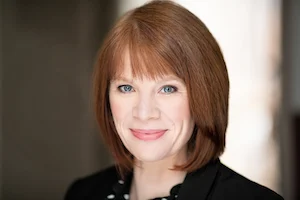





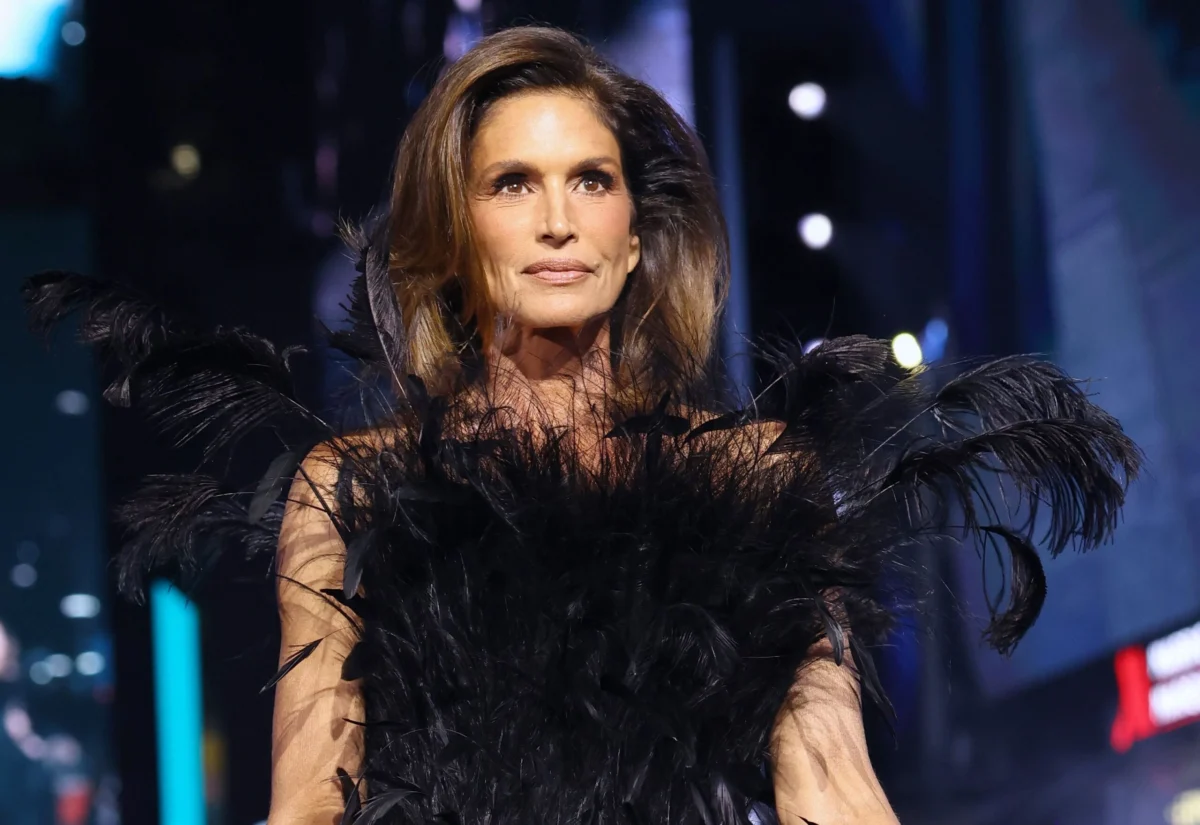
Legendary supermodel Cindy Crawford recently shared her candid perspectives on aging, beauty standards, and the evolving landscape of cosmetic procedures during an appearance on the popular podcast Gloss Angeles. In a wide-ranging conversation with hosts Kirbie Johnson and Sara Tan, Crawford, who is now 60, debunked the notion that beauty is solely defined by age and spoke out against the societal pressure for younger women to undergo invasive treatments. Her remarks offer a refreshing counterpoint to the often-frenzied discourse surrounding aesthetics in the digital age.
Challenging Ageist Beauty Standards
Crawford began by directly confronting the prevalent "for your age" qualifier often attached to discussions about women’s appearances. "I look great. Full stop. None of this ‘for your age’ bullshit," she asserted, emphasizing that her current self-perception is not tied to recapturing her youthful visage. "I’m not 20, and no one expects me to look the same way as I did when I was 20," she stated, articulating a sentiment of self-acceptance that resonates deeply in a culture often obsessed with perpetual youth. This perspective aligns with a growing movement advocating for a more inclusive and realistic portrayal of beauty across all age groups, moving away from the singular ideal of twenty-something perfection.
The supermodel expressed particular concern over the increasingly young age at which social media discussions about facelifts are emerging. "Is there a right age? I mean, certainly not 20. I’ll tell you that much," Crawford declared, highlighting her bewilderment at the idea of such procedures being considered by individuals in their early twenties. This is a stark contrast to historical norms, where cosmetic surgery was typically sought by individuals in their late thirties or forties, often after significant visible signs of aging had manifested. The trend towards earlier intervention, driven in part by social media trends and the availability of less invasive procedures, has become a significant topic of discussion among dermatologists and plastic surgeons alike, with many expressing reservations about the long-term implications for younger patients.
Guidance for the Next Generation of Models
Crawford’s concerns extend to her own family, particularly her model daughter, Kaia Gerber, who is currently 24. When asked about her advice for Gerber regarding cosmetic treatments, Crawford advocates for embracing natural beauty. "What I say is, like, look, you are naturally beautiful, and I would just encourage her to lean into that," she explained. Crawford’s reasoning is rooted in the desire for individuality in a competitive industry. "Because otherwise, everyone starts looking kind of the same, and so I’m like, you made it because you had your look," she elaborated, underscoring the importance of maintaining unique features that contributed to her daughter’s initial success. This advice reflects a broader understanding within the modeling industry that while trends shift, authentic features often create lasting impact and recognition. The pressure on young women in the public eye to conform to certain aesthetic ideals remains immense, making Crawford’s grounded approach particularly valuable.
Navigating the Temptation of Cosmetic Procedures
Despite her embrace of natural aging, Crawford admitted that the allure of cosmetic surgery is not entirely absent. As the founder of Meaningful Beauty, a skincare line that emphasizes proactive aging and healthy skin, she is privy to the advancements in aesthetic treatments. However, she has so far resisted the urge for a facelift. This decision is partly influenced by a pact she made with a close friend and makeup artist, Sonia Kashuk. "We’re like, ‘We’re not doing it, right? We’re not doing it,’" Crawford recalled.
Furthermore, her husband’s steadfast opposition has played a role in her restraint. "I feel lucky that my husband is very, very against it cause he’s like, ‘You look beautiful. Why?’" she shared. This support system, combined with her own internal dialogue, helps her manage the occasional temptation. Yet, she acknowledged the complex nature of this decision: "But then, Crawford says, she’ll see someone who got a facelift and admire how great it turned out, so the temptation returns." This internal debate highlights the pervasive societal messaging that often equates cosmetic procedures with improved appearance.

Crawford elaborated on this internal conflict, stating, "I have decent genetics, and, I mean, tempted? Yes. I, like everybody—you look at someone, you’re like, ‘They look really good. What did they do?’ But then you see other people, and you’re like, is it worth the risk?" Her hesitation is palpable, underscored by a grimace at the thought of potentially unfavorable outcomes. Her self-talk, she revealed, is focused on self-care and acceptance: "My self-talk is all about, obviously, trying to take care of myself and accept that, you know, we all age if we’re lucky." This mindful approach to aging, emphasizing internal well-being and acceptance over external alteration, is a cornerstone of her philosophy.
Evolving Beauty Rituals and Modern Alternatives
Beyond facelifts, Crawford also touched upon her experiences with other beauty treatments. She has explored options like laser treatments and Platelet-Rich Plasma (PRP) therapy, commonly known as "vampire facials." However, she has reduced her frequency of conventional facials. "I used to go to Cristina Radu all the time for facials, and that’s when I was working a lot, and my skin was younger, and I really needed the cleaning and the microdermabrasion more," she explained. "Now, I don’t like that kind of a facial so much."
Instead of aggressive treatments, Crawford has found enjoyment in more subtle approaches. She has been favoring occasional facial massages for a refreshed look. More recently, she has partnered with Upneeq, a prescription eye drop that offers a non-surgical solution for lifting droopy eyelids. "Upneeq is a great product, especially for people who don’t want to do surgery," she remarked, referencing blepharoplasty, or eyelid surgery.
Crawford highlighted the accessibility and low commitment of Upneeq. "I would recommend to anybody because you can just stop using it if you don’t like it. You can use it every day if you want. You could use it for special events if you want," she suggested. "It’s not a big buy-in, right? There’s so many interventions you can do now." This perspective emphasizes the growing availability of personalized and reversible aesthetic solutions, allowing individuals to explore options without the permanence of surgical procedures.
The Personal Nature of Aesthetic Choices
Ultimately, Crawford underscored that decisions about aesthetic interventions are deeply personal. She echoed the advice her esthetician aunt once gave her: "If it bothers you, it bothers you." This sentiment emphasizes the importance of individual autonomy in beauty choices, free from external judgment. "And if you want to and if you have the means to address it, then that should be up to you," she concluded. This statement reinforces the idea that self-care and personal well-being should guide these decisions, rather than societal pressures or trends.
The conversation on Gloss Angeles provided a valuable platform for Cindy Crawford to share her thoughtful and mature perspective on beauty and aging. Her willingness to discuss sensitive topics like cosmetic procedures with honesty and nuance offers a guiding light for many navigating similar concerns in an era saturated with often-unrealistic beauty ideals. Her message of self-acceptance, embracing natural beauty, and making informed personal choices continues to resonate, solidifying her status not only as a style icon but also as a voice of wisdom and authenticity. The full interview delves deeper into her experiences in the modeling industry, her ventures in the beauty business, and her broader views on life and self-perception, offering listeners a comprehensive and inspiring dialogue.