








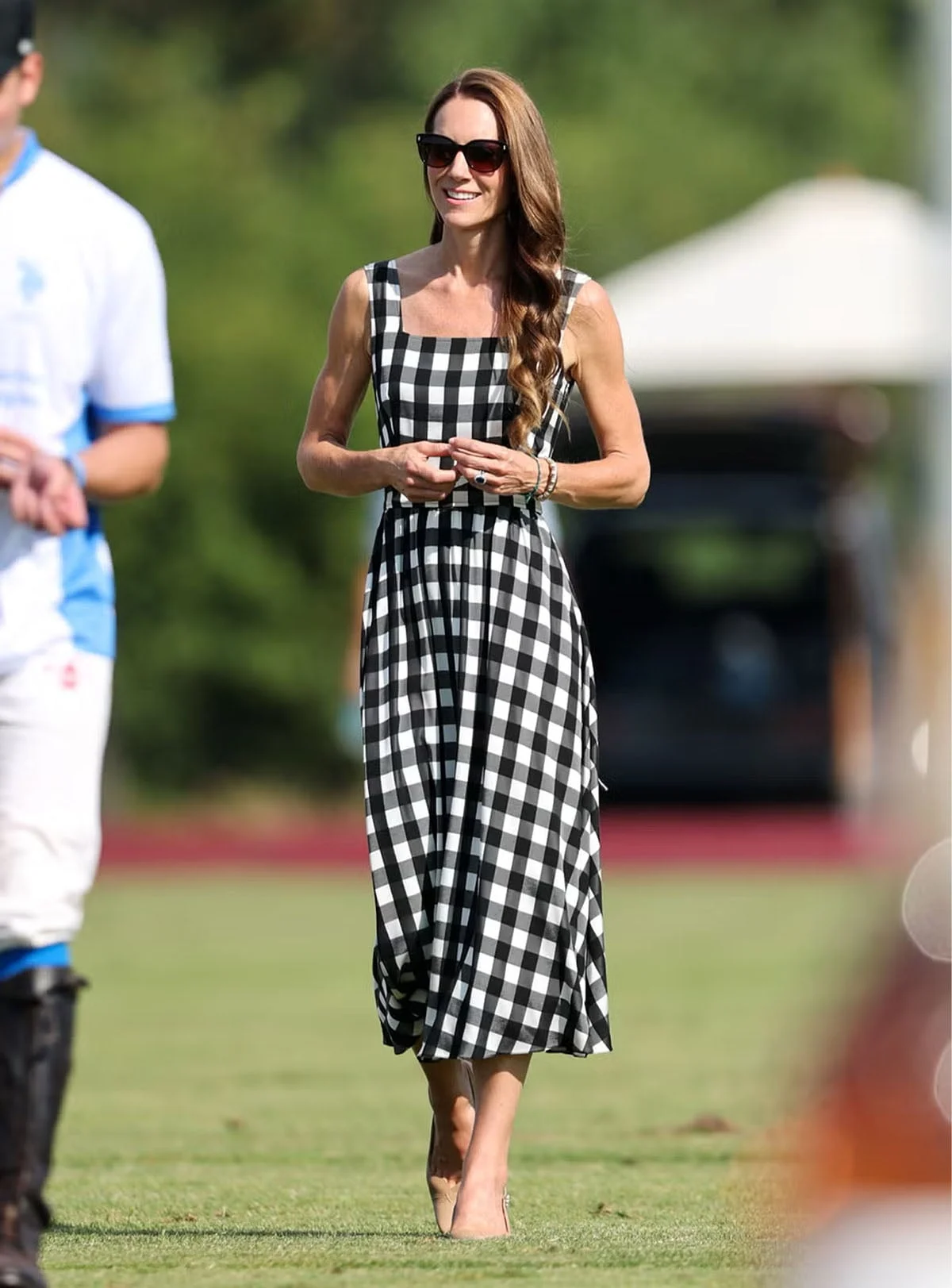
Catherine, Princess of Wales, made a prominent appearance at the Guards Polo Club on Friday, July 10, 2026, to attend the Audi at The Royal Charity Polo Cup. The event, held annually in the lush surroundings of Windsor Great Park, featured Prince William as a key competitor in a match designed to raise substantial funds for a suite of charitable organizations. This year’s cup took place against the backdrop of a significant summer heatwave across the United Kingdom, drawing attention not only to the athletic competition on the field but also to the logistical and environmental challenges of hosting high-profile outdoor events during record-breaking temperatures.
The Royal Charity Polo Cup has long been a fixture in the British social and philanthropic calendar. Since its inception, the match has served as a primary fundraising vehicle for the Royal Foundation of The Prince and Princess of Wales. Over the last fifteen years, these matches have collectively raised more than £13 million for various causes, including mental health initiatives, wildlife conservation, and emergency responder support services. The 2026 iteration continued this tradition, with proceeds earmarked for several key partners, including London’s Air Ambulance Charity and various youth-focused organizations.
Strategic Significance of the Royal Charity Polo Cup
The presence of the Princess of Wales at the Guards Polo Club underscores the continued commitment of the royal family to leveraging sporting events for humanitarian ends. While the polo match itself is a display of equestrian skill and teamwork, its primary function is to provide a platform for corporate sponsors and individual donors to contribute to the Royal Foundation’s mission. Audi, the title sponsor for the 2026 event, has maintained a long-standing partnership with the charity cup, reflecting the intersection of luxury branding and royal patronage.
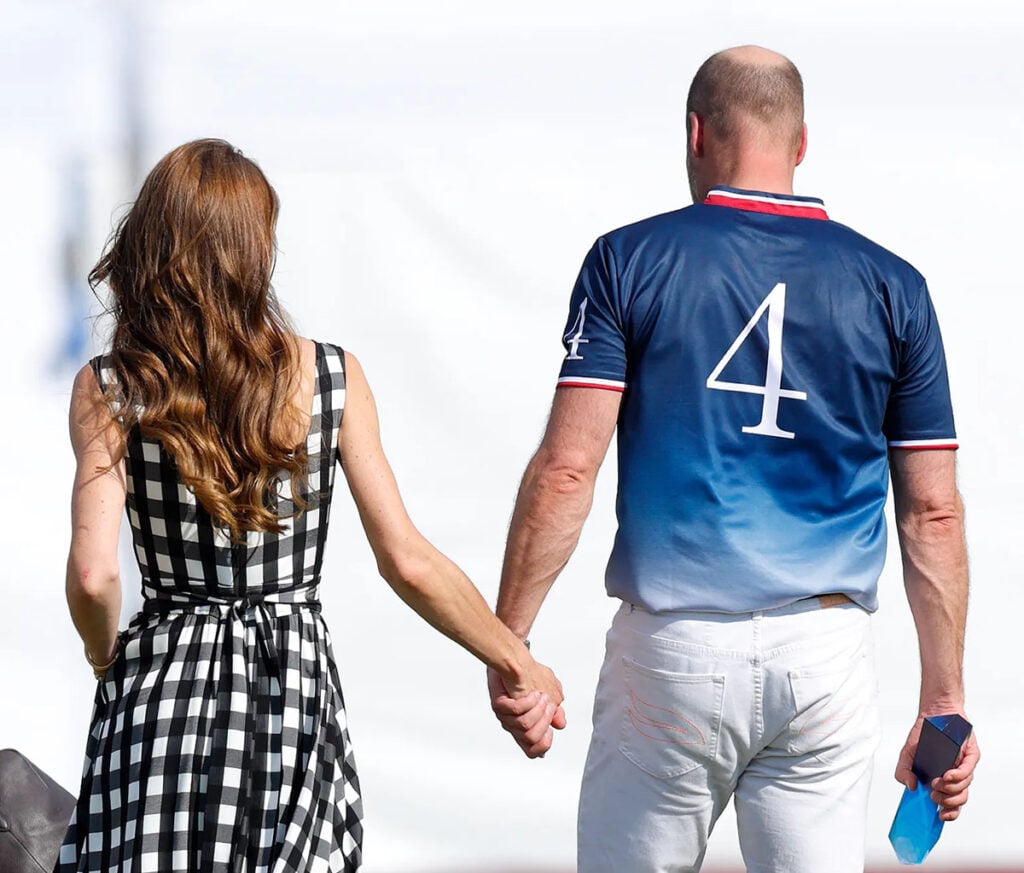
Prince William, an accomplished polo player, participated in the match as part of the U.S. Polo Assn. team. His involvement is more than ceremonial; it is a continuation of a royal tradition that spans generations. Historically, members of the British royal family have used polo as a means of engaging with the public and supporting charitable sectors. The 2026 match saw the Prince’s team competing in a high-stakes four-chukka game, which eventually concluded with a victory for the Royal Foundation supporters, raising an estimated £1.2 million in a single afternoon.

Environmental Context: The 2026 British Heatwave
The 2026 event was notably defined by the extreme weather conditions affecting the south of England. Meteorological data from the week of the event indicated that temperatures in the Windsor area reached 32°C (89.6°F), significantly above the July average for the region. Unlike many other nations accustomed to high heat, the United Kingdom’s infrastructure—ranging from residential homes to public transportation—is largely designed for temperate climates, often lacking integrated cooling systems.
The heatwave necessitated several adjustments for the polo match. Organizers implemented strict animal welfare protocols to ensure the safety of the polo ponies, including shortened chukkas and increased hydration stations. For the spectators and VIP guests, the heat dictated a shift in traditional dress codes. The Princess of Wales’s choice of attire reflected a pragmatic yet sophisticated response to the soaring temperatures.
Fashion Analysis and the "Temperley London" Phenomenon
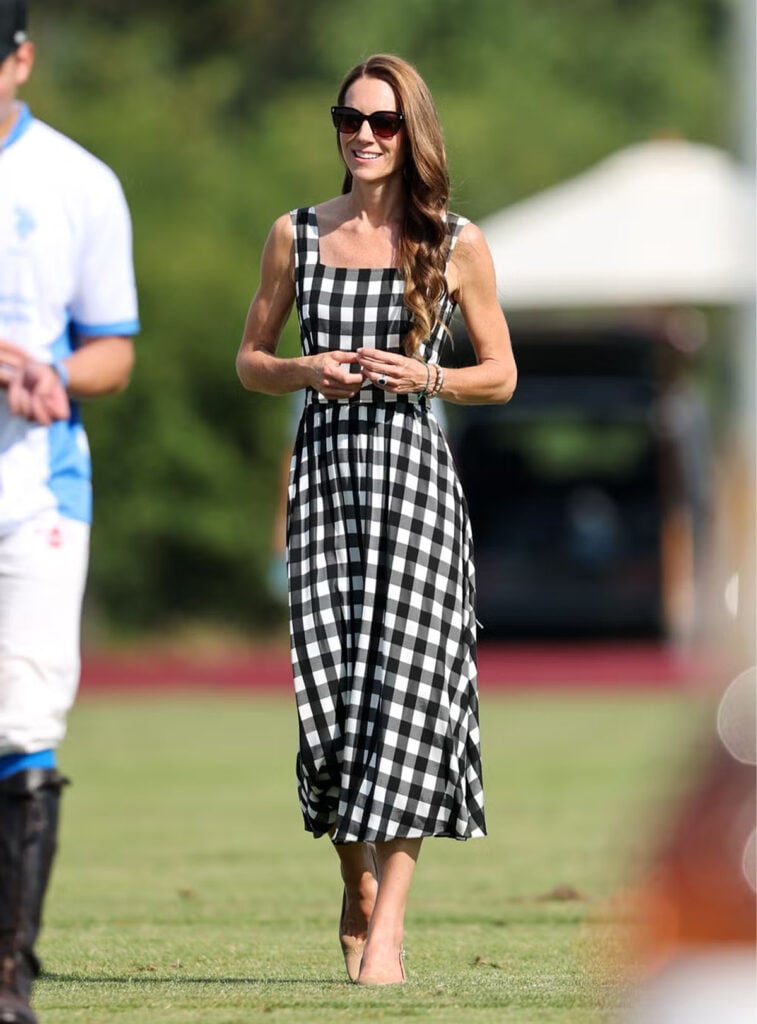
The Princess of Wales arrived at the Guards Polo Club wearing a black-and-white gingham midi dress by the British designer Temperley London. The choice was widely noted by fashion analysts for its blend of classic British aesthetic and seasonal functionality. The dress featured a breezy silhouette and a lightweight fabric, making it an optimal choice for an outdoor event in a heatwave.
This specific garment gained additional media traction due to its appearance earlier in the week at the Wimbledon Championships. Sophie Hunter, the acclaimed theater director and wife of actor Benedict Cumberbatch, was photographed wearing the same Temperley London design just days prior. Such "twinning" moments are rare in high-profile royal circles and often lead to an immediate surge in brand visibility—a phenomenon frequently referred to as the "Kate Effect."
While Hunter styled the dress with crisp white pumps for the grass courts of Wimbledon, the Princess of Wales opted for a more practical footwear choice for the polo field. Navigating the uneven terrain of a polo pitch—particularly during the traditional "divot stomping" at halftime—requires footwear that balances elegance with stability. Catherine’s choice of neutral-toned heels was interpreted by observers as a calculated move to maintain a formal appearance while managing the logistical realities of the venue.
Chronology of the Event
The day’s proceedings followed a strictly choreographed schedule, typical of royal engagements:
- 12:30 PM: Arrival of the Princess of Wales at the Guards Polo Club. She was greeted by club officials and representatives from the primary sponsors.
- 1:00 PM: A private luncheon held for the patrons of the Royal Foundation. This session allowed the Prince and Princess to engage with major donors and discuss the progress of ongoing charitable projects.
- 2:45 PM: The commencement of the Audi at The Royal Charity Polo Cup. Prince William took to the field, playing in a mid-field position.
- 4:00 PM: Halftime interval. Guests participated in the traditional divot stomping, though participation was slightly reduced this year due to the intense heat.
- 5:15 PM: Conclusion of the match. The Princess of Wales presented the trophy to the winning team and met with the players.
- 5:45 PM: A brief reception for the charity representatives, where the preliminary fundraising totals were announced.
Supporting Data and Economic Impact
The financial success of the 2026 Royal Charity Polo Cup is indicative of the robust support for the Royal Foundation’s current strategic goals. According to preliminary reports, the event saw a 15% increase in corporate sponsorship revenue compared to the previous year. This growth is attributed to the expanding global reach of the foundation’s "United for Wildlife" and "Heads Together" initiatives.
Furthermore, the impact on the local Windsor economy is substantial. Events at the Guards Polo Club during the summer season contribute an estimated £5 million annually to the local hospitality and service sectors. The 2026 match saw a record number of international attendees, further bolstering the region’s status as a premier destination for sports tourism.
Official Responses and Charitable Outcomes
In a statement released following the match, a spokesperson for the Royal Foundation expressed gratitude to the participants and sponsors. "The funds raised today will provide critical support for our partner charities at a time when their services are in high demand. The Prince and Princess of Wales are deeply moved by the generosity shown by the polo community and the public," the statement read.
Representatives from London’s Air Ambulance Charity, one of the day’s beneficiaries, highlighted the practical implications of the funding. The donation from the 2026 cup will contribute toward the replacement of aging aircraft, ensuring that emergency medical services remain operational for the millions of residents and visitors in the capital.
Broader Implications and Future Outlook
The 2026 Audi at The Royal Charity Polo Cup serves as a case study in the modern evolution of royal engagements. It demonstrates the intersection of tradition, high-stakes philanthropy, and the management of public image in an era of environmental change. The Princess of Wales’s appearance was not merely a social outing but a calculated reinforcement of the royal family’s role as a unifying force for charitable action.
As the United Kingdom continues to navigate more frequent and intense summer heatwaves, the successful execution of the 2026 match may influence how future outdoor royal events are planned. The emphasis on sustainable fashion, animal welfare, and logistical adaptation provides a blueprint for maintaining the prestige of these events while acknowledging the realities of a changing climate.
Looking ahead to the 2027 season, organizers have already begun discussions on further integrating climate-resilient measures into the cup’s structure. Meanwhile, the "Kate Effect" continues to resonate within the British fashion industry, with Temperley London reporting a significant uptick in inquiries following the Princess’s appearance. The event once again proved that the combination of royal patronage and high-profile sport remains one of the most effective tools for social and economic mobilization in the United Kingdom.