







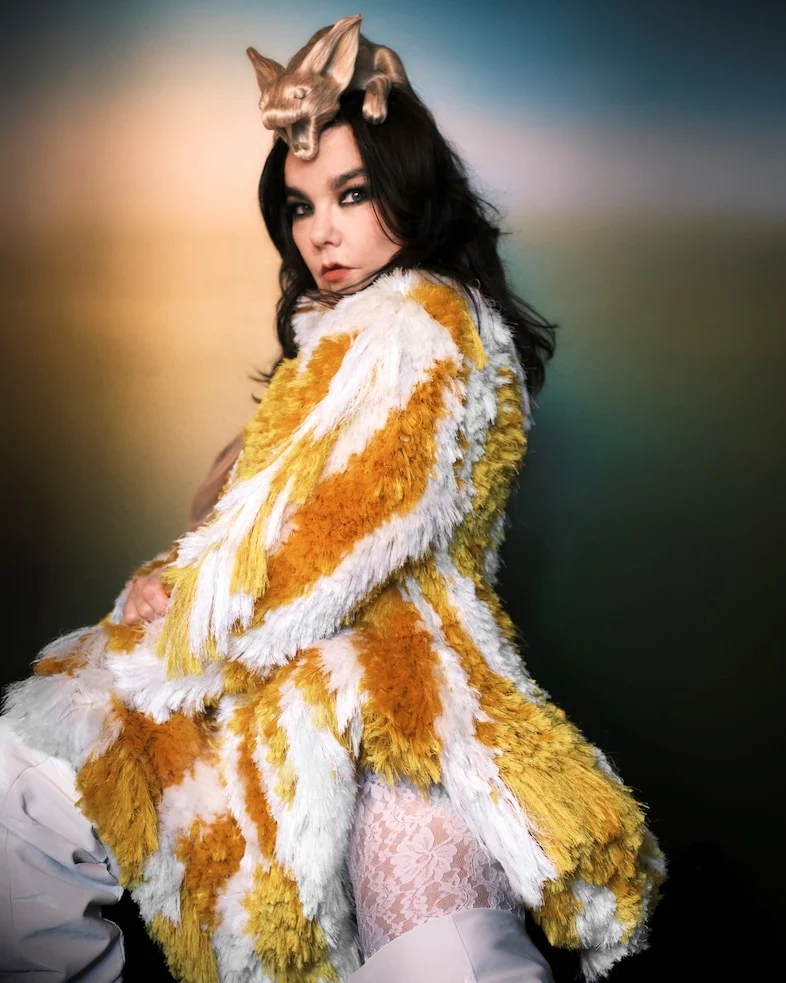
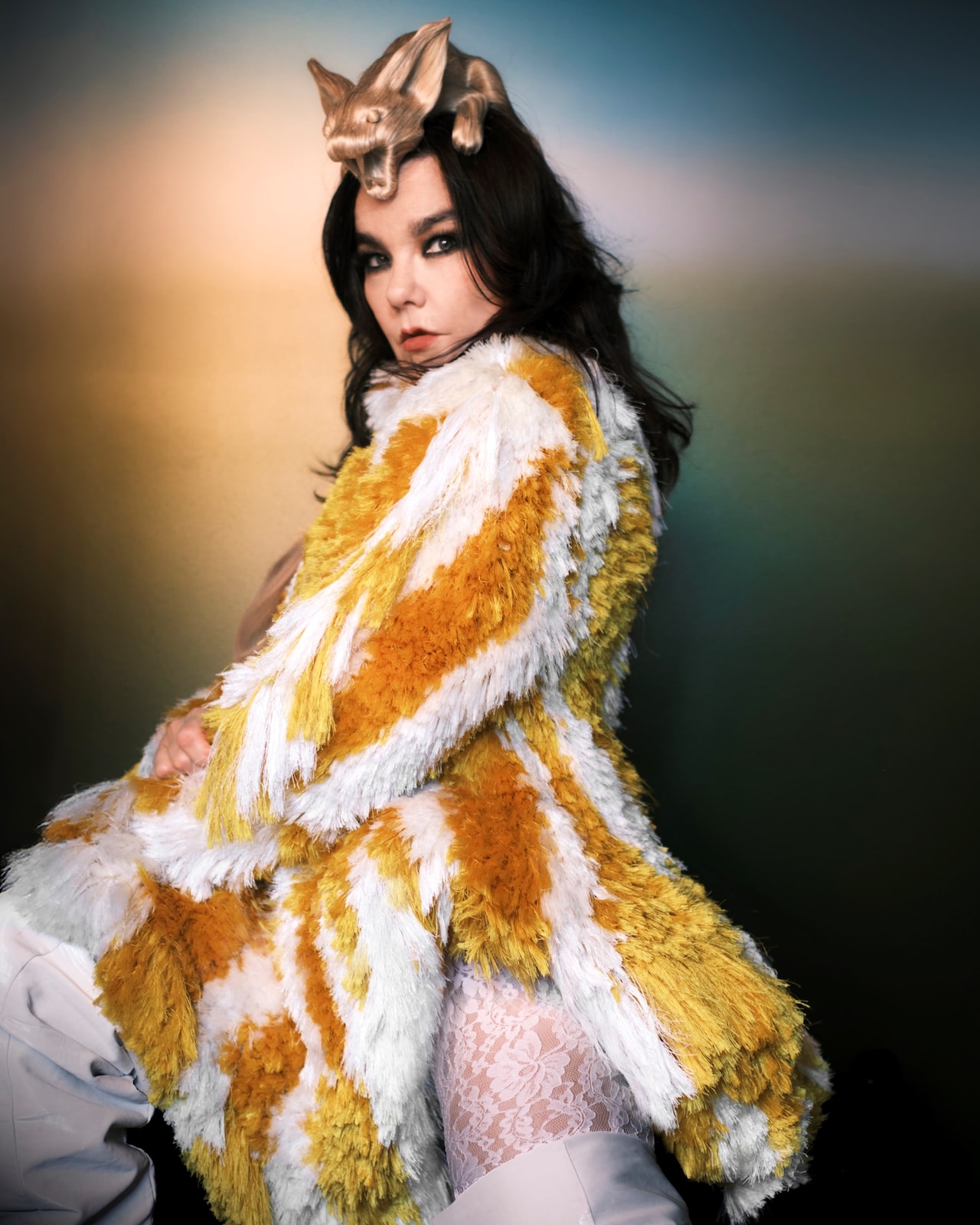
In an exclusive conversation from her cabin in the Icelandic countryside, legendary artist Björk has clarified her evolving artistic identity amidst the launch of her latest multidisciplinary exhibition, Echolalia, at the National Gallery of Iceland. The exhibition, running until September 20, 2026, showcases the innovative fusion of digital and physical art forms, rendering three of her compositions—two from her extensive back catalogue and one entirely new track—into immersive experiences. Simultaneously, the artist offered a glimpse into her highly anticipated 11th studio album, slated for release in 2027, which she describes as approximately halfway complete. Addressing a "misunderstanding" she perceived in local interviews, Björk emphasized her continued dedication as a musician, preferring the titles of "creative director" and "worldbuilder" to that of a "visual artist," a designation she views as misrepresenting her foundational approach to art-making, which always originates from sound.
The Echolalia Exhibition: Bridging Sound and Vision
The Echolalia exhibition stands as a testament to Björk’s enduring commitment to pushing the boundaries of artistic expression. Located within the esteemed National Gallery of Iceland, the installation is a meticulously crafted environment designed to translate the ephemeral nature of music into tangible and visual forms. Central to the exhibition are the digital and physical manifestations of three songs, providing visitors with a unique sensory journey through Björk’s auditory landscapes. Long-time visual collaborator James Merry contributes a collection of intricate masks, further enriching the immersive experience and showcasing the synergistic relationship that has defined much of Björk’s visual output throughout her career.
A particularly striking element of Echolalia is the innovative translation of musical scores into textile art. Visitors encounter knitted textiles stretching over 40 meters in length, representing the intricate compositions for "Ancestress" and "Sorrowful Soil," tracks from her critically acclaimed 2022 album, Fossora. The album, known for its exploration of themes like grief, fungal ecosystems, and family, provided rich sonic material for this visual interpretation. This translation is not merely decorative; it serves as a profound visual metaphor for the structure and emotion embedded within her music, inviting a tactile and visual engagement with sound itself. The choice of knitting, a traditional craft, to interpret complex digital scores, highlights Björk’s characteristic blend of ancient and modern, natural and technological, creating a dialogue between heritage and innovation.
The exhibition also offers a tantalizing preview of her upcoming album through the track "Nerve Bloom." Presented as a "remix" of the version slated for the album, "Nerve Bloom" is accompanied by spectral, horse-like figures grazing across digital screens, creating an otherworldly atmosphere. Fan-recorded videos circulated online reveal Björk’s distinctive vocal delivery, repeating the refrain "I bow," stretched and textured in her inimitable style. This installation serves as a crucial bridge between her current exhibition and her future musical direction, offering clues to the sonic and thematic landscapes of her next work, which promises to continue her exploration of intricate rhythms and organic soundscapes.
Defining the Modern Musician: Beyond Traditional Roles
Björk’s insistence on being recognized as a musician, rather than solely a visual artist, stems from a deep-seated philosophy regarding her creative process. She views herself as a "creative director-slash-worldbuilder," a title she believes more accurately encapsulates her comprehensive approach. This perspective challenges conventional categorization within the art world, where distinct labels often define an artist’s primary medium. For Björk, sound is the genesis of all her artistic endeavors, with visuals, costumes, and conceptual frameworks emerging as extensions of the musical narrative. She articulates this through her concept of "sonic symbolism," where every visual element is meticulously derived from the auditory core of her work, rather than being an independent visual creation.
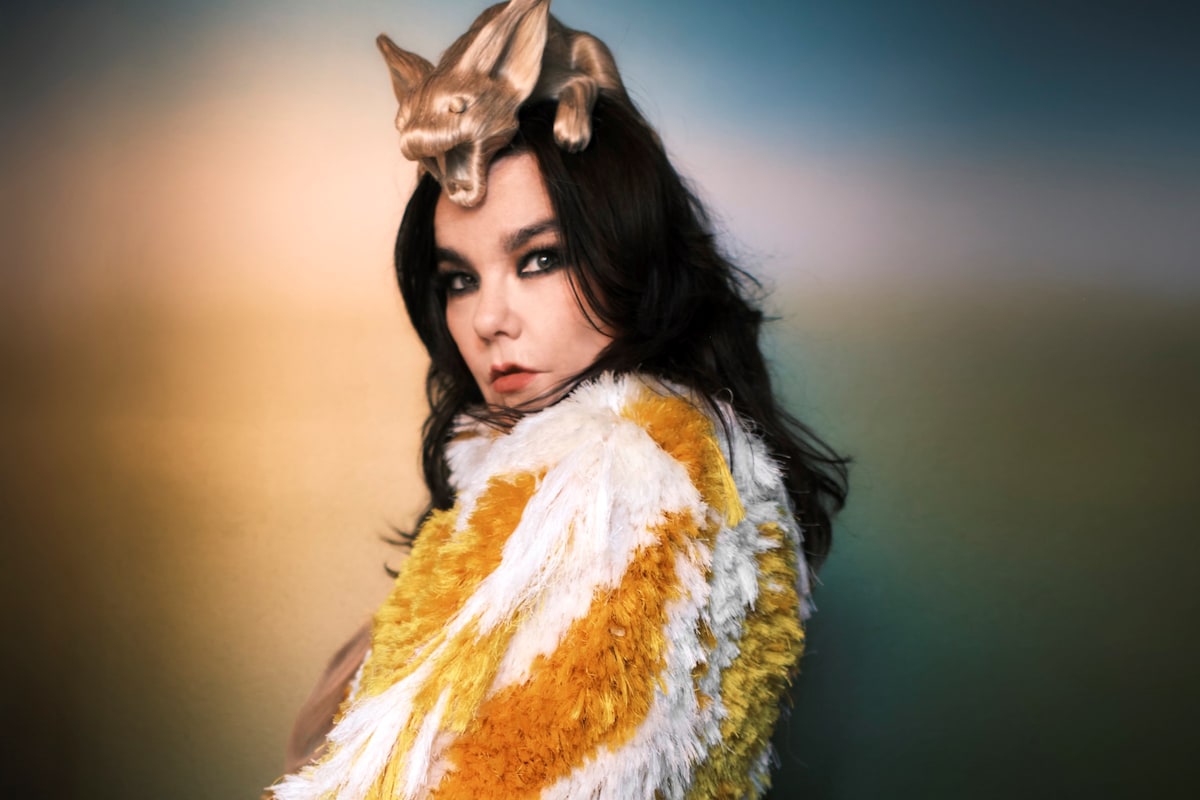
This "de-ego" creative process, as she describes it, has long been a hallmark of her collaborations, particularly with visual artists and designers like James Merry, Nick Knight, and Hussein Chalayan. The fluid nature of their partnerships, where roles often blur and ideas are co-created, contrasts with the art world’s practice of explicitly crediting every contributor and rigidly defining roles. Björk notes that the necessity of assigning precise titles for the gallery setting prompted this self-reflection. She finds parallels with contemporary artists like FKA twigs, Eartheater, and Rosalía, who similarly operate as comprehensive creative forces, overseeing every aspect of their artistic output from music to visuals to live performances. This holistic approach, she observes, is a modern evolution of the traditional singer-songwriter role, where artists historically became de facto creative directors for their music videos and album concepts, albeit without the formal designation. Her statement, "We just never used to call it that in the 90s," underscores how the language around artistic roles has evolved to better reflect the multifaceted nature of contemporary creation, acknowledging the artist as a curator of an entire experience.
A Legacy of Innovation: Björk’s Artistic Journey
Björk’s career, spanning four decades, is marked by a consistent trajectory of innovation and genre-defiance. From her early days in the Icelandic punk scene with bands like Tappi Tíkarrass and The Sugarcubes, she quickly established herself as an artist unwilling to conform to established norms. Her solo career, launched in the early 1990s with albums like Debut and Post, saw her blend electronic music, pop, avant-garde, and classical elements, creating a sound and visual identity that was uniquely her own and profoundly influential.
Her pioneering spirit extends beyond music. Björk has consistently embraced emerging technologies to enhance her artistic vision. She was an early adopter of immersive virtual reality (VR) experiences, notably with her Vulnicura VR exhibition, which debuted globally in 2016. This project transformed her deeply personal album Vulnicura into a series of VR films, allowing audiences to step inside her emotional landscape and experience music in an entirely new dimension. Similarly, her 2015 retrospective at the Museum of Modern Art (MoMA) in New York, while sparking debate among critics for its curatorial approach, nonetheless highlighted her ambition to present her work across various media, including sound, video, objects, and interactive experiences. These past ventures set a clear precedent for Echolalia, affirming her long-standing interest in blurring the lines between auditory and visual art, and utilizing technology as a tool for profound expression rather than mere novelty. Her continuous engagement with cutting-edge tools solidifies her position not just as a musician, but as a visionary who consistently explores new frontiers of human and technological interaction in art.
The Craft of Irregularity: Music and Nature’s Rhythms
A core tenet of Björk’s artistic philosophy is her deep connection to the natural world, particularly the rugged, unpredictable landscapes of Iceland. This connection manifests in her preference for "irregular things and prime numbers" in her musical compositions, a characteristic she attributes to her formative experiences. Recalling her youth in Reykjavik, she describes walking long distances to school amidst "a lot of nature and crazy weather," which shaped her perception of normalcy. For her, the structured, "four-four box" of a city feels abnormal compared to the organic chaos of nature, which rarely adheres to rigid grids or predictable patterns.
This preference for irregularity was further solidified during her time in a jazz-punk band at 16, where compositions deliberately avoided conventional 4/4 time signatures, favoring prime numbers instead. "I think I was baptised for life then," she quips, highlighting the foundational impact of this early musical training on her rhythmic sensibilities. In the digital age, this inclination has found new avenues for expression. Björk reveals her extensive use of music software Sibelius for 26 years, a tool she has mastered to the point of it being "second nature." This mastery allows her to spend "weeks on each arrangement making it as irregular as I can," meticulously crafting complex, non-linear structures. This painstaking process, which she proudly defines as having transformed her into a "digital craftswoman," underscores her dedication to an artisanal approach, even within technological frameworks. Her handcrafted precision in digital composition stands in stark contrast to rapid, automated processes, emphasizing the human touch and idiosyncratic vision even when employing advanced software.
Navigating the AI Frontier: Meaning Over Automation
Björk’s engagement with artificial intelligence (AI) in Echolalia, particularly for the visuals accompanying "Nerve Bloom," offers a nuanced perspective on the burgeoning technology. She frames the relationship between humans and tools as an extension of self-expression, noting that all technologies, from the primitive knife and the wheel to complex AI, begin as "clumsy" and evolve through refinement. This evolutionary process, she asserts, necessitates confronting moral and philosophical questions, including whether technology can possess a "soul." Rather than succumbing to "doom-and-loom-style prophecy" about AI replacing human creativity, Björk advocates for a deliberate, meaning-infused approach.
Her collaboration with painter Natalia Kleszczewska and computer programmer Natalie Liu on the AI-powered visuals for "Nerve Bloom" exemplifies this philosophy. She reveals that despite the technical possibility of generating the visuals with a single click, the team invested eight months in their creation. "Every little scene was really worked on and bespoke, like moulding," she explains. This painstaking process underscores her belief that "you have to put meaning into it." While acknowledging that extended effort isn’t a universal solution for all AI applications, Björk’s message is clear: raw AI output often lacks depth and requires significant human intervention, refinement, and artistic direction to achieve anything truly interesting or soulful. Her work demonstrates that AI, when approached thoughtfully and with a clear artistic vision, can serve as a powerful creative assistant, amplifying human intention rather than supplanting it. This careful, artisanal engagement with AI positions her as a thought leader in the ethical and artistic integration of advanced technology, advocating for a human-centric future of digital art.
Finding Solace in the Wild: Björk’s Philosophy of Hope
Beyond her artistic innovations, Björk’s interview offered a profound insight into her personal philosophy, particularly her source of hope in an increasingly complex world. "Definitely in nature," she answers, the sound of the wind whistling through the phone line reinforcing her deep, intrinsic connection to the wild. Despite living in Reykjavik, a cosmopolitan European city, she consciously maintains proximity to nature, residing by the beach and endeavoring to walk for an hour every other day.
This practice is not merely a hobby but a vital antidote to what she identifies as the "epidemics of our age": isolation, loneliness, and excessive phone use. She posits that a consistent engagement with nature, even a simple hour-long walk, can significantly alleviate these modern afflictions. While modest in her claims, she believes such a practice can "solve a good 60 per cent" of life’s problems, enabling individuals to better contend with the remaining 40 per cent. This simple yet profound prescription for well-being resonates deeply in an era grappling with mental health crises and digital overload. Her emphasis on nature as a source of grounding and resilience offers a powerful, accessible message of hope, echoing the organic irregularities and profound beauty that inspire her art and provide a framework for navigating contemporary challenges.
Implications and Broader Impact
Björk’s Echolalia exhibition and her forthcoming album collectively underscore her unwavering role as a pivotal figure in contemporary art and music. Her insistence on the "creative director-slash-worldbuilder" identity reflects a broader trend in the creative industries, where artists are increasingly expected to curate entire sensory experiences, transcending the traditional boundaries of their primary medium. This redefinition challenges institutions like the National Gallery of Iceland, which traditionally categorize artists, to adapt to more fluid and interdisciplinary practices. For the Icelandic art scene, hosting such an avant-garde and internationally significant exhibition at its premier gallery elevates its profile and fosters a dialogue on the future of art within a national context.
Her thoughtful engagement with AI provides a crucial counter-narrative to the prevailing anxieties surrounding the technology. By demonstrating how AI can be integrated in a bespoke, meaning-driven manner, Björk offers a blueprint for artists seeking to harness its power without sacrificing artistic integrity or human touch. This approach is likely to influence discussions on AI ethics and creative application, encouraging a more nuanced and responsible adoption within the arts community globally.
Ultimately, Björk’s continued exploration of the symbiotic relationship between nature and technology, and her profound commitment to translating the irregularities of the natural world into intricate musical and visual tapestries, reaffirms her status as a singular voice. Her work not only entertains but also prompts deeper reflection on identity, our relationship with the environment, and the evolving potential of human creativity in a technologically advanced age. As the exhibition concludes on September 20, 2026, and anticipation builds for her 11th album in 2027, Björk remains a compelling force, continuously shaping the contours of contemporary culture. The phone line disconnecting, following her courteous "thank you for being curious," left the interviewer with a profound sense of the unique world Björk inhabits—a world where the boundaries of art, nature, and technology are not just blurred, but intricately interwoven into a seamless, deeply personal expression.