



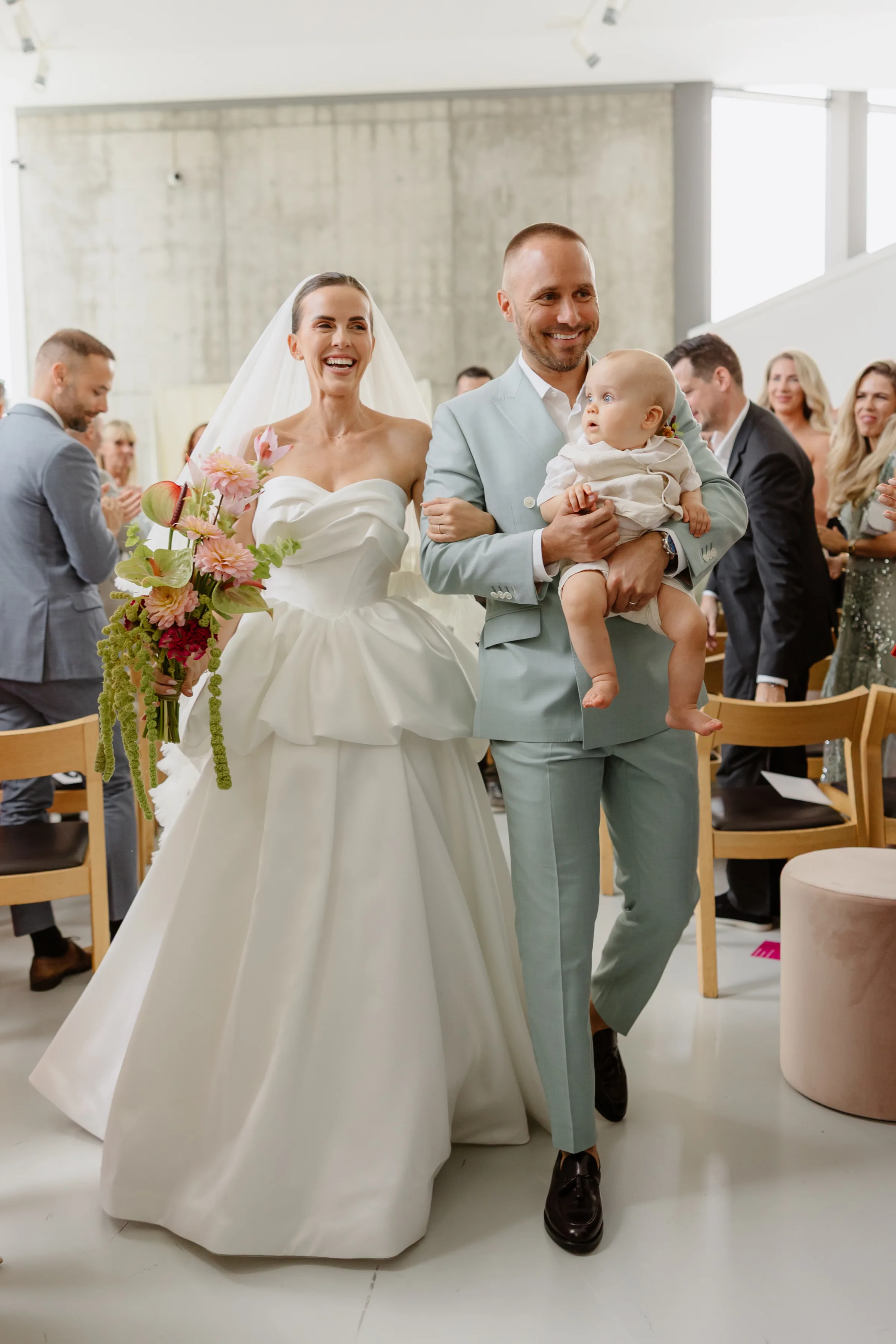
The traditional boundaries of matrimonial celebrations are increasingly being redefined by a new generation of couples who prioritize personal narrative and aesthetic cohesion over historical convention. In a recent high-profile example of this shift, Andrea, a co-owner of a fashion e-store, and her partner Peter, orchestrated a wedding that functioned as much as a curated art exhibition as a familial celebration. Staged at the Zoya Museum in Modra, Slovakia, the event integrated high-fashion sensibilities with contemporary art, setting a new benchmark for the "editorial-style" wedding in Central Europe. The ceremony and subsequent reception were meticulously designed to reflect the couple’s professional backgrounds and personal interests, specifically focusing on the intersection of modern design, viticulture, and Slovak heritage.
A Strategic Departure from Tradition
The conceptualization of the wedding began with a clear mandate: to avoid "tradition for tradition’s sake." This philosophy is becoming more prevalent among modern professionals in the creative industries. For Andrea and Peter, the objective was to create a space that felt authentic to the life they had already built together. This included the acknowledgement of their young son, Filip, and their shared history in the Slovak social scene.
By selecting the Zoya Museum as their primary venue, the couple moved away from the traditional church or ballroom settings typical of the region. The Zoya Museum, located within the ELESKO Wine Park, is renowned for its private collection of contemporary art and its striking modernist architecture. The choice served a dual purpose: it provided a sophisticated backdrop that required minimal structural alteration while celebrating the couple’s shared affinity for fine wine and the Slovak landscape. The museum is situated in the heart of the Small Carpathians wine region, a location that has seen a 15% increase in luxury event bookings over the last three years, according to regional tourism data.
Meticulous Design and the "Love, Marriage & Dance" Branding
Central to the wedding’s visual identity was the recurring motto: "Love, Marriage & Dance." In a move reminiscent of corporate branding or fashion house launches, this slogan was integrated into every facet of the event’s physical environment. From oversized floor graphics that acted as directional signage to bespoke branding at the cocktail bar and refined stationery, the phrase served as the event’s thematic anchor.
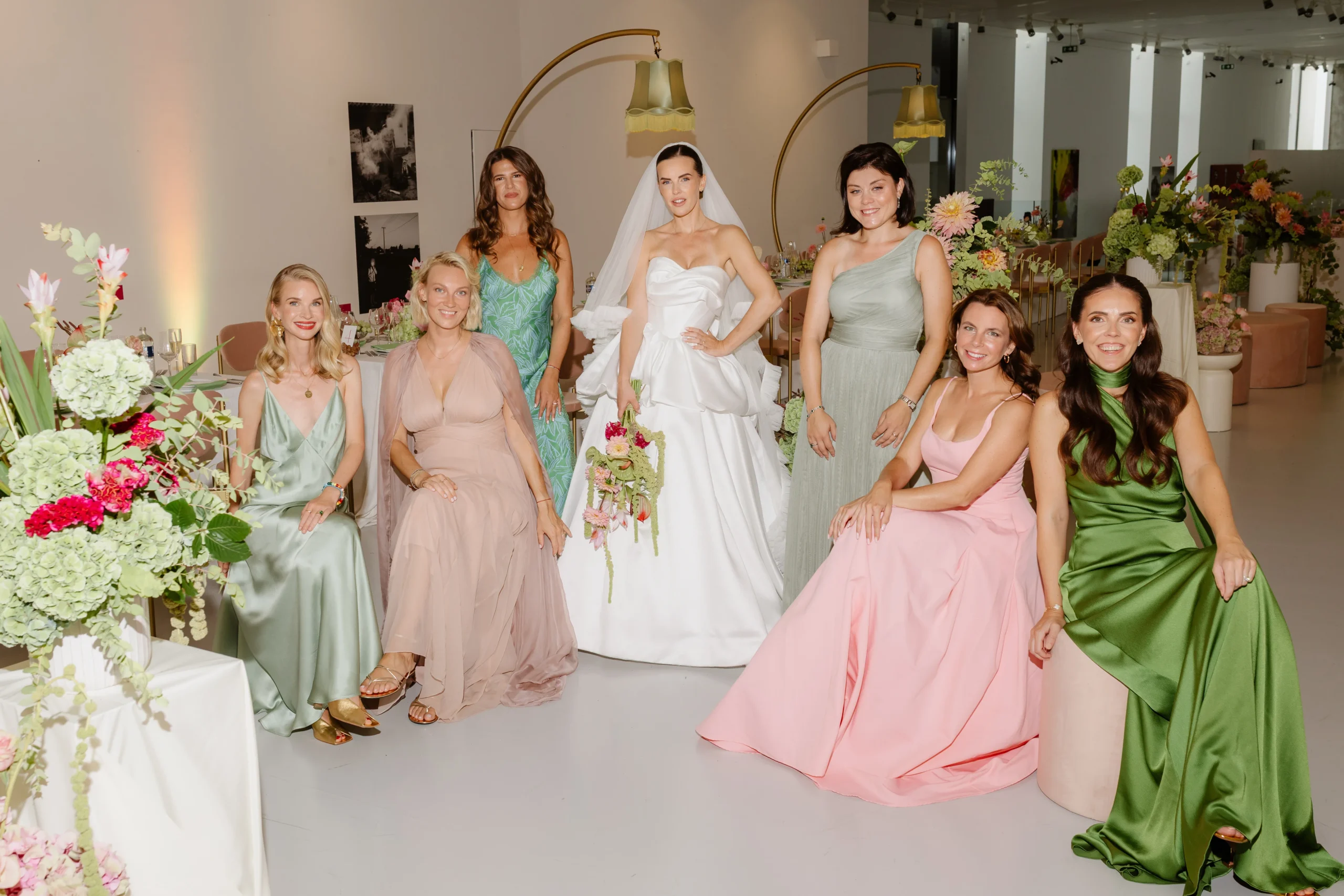
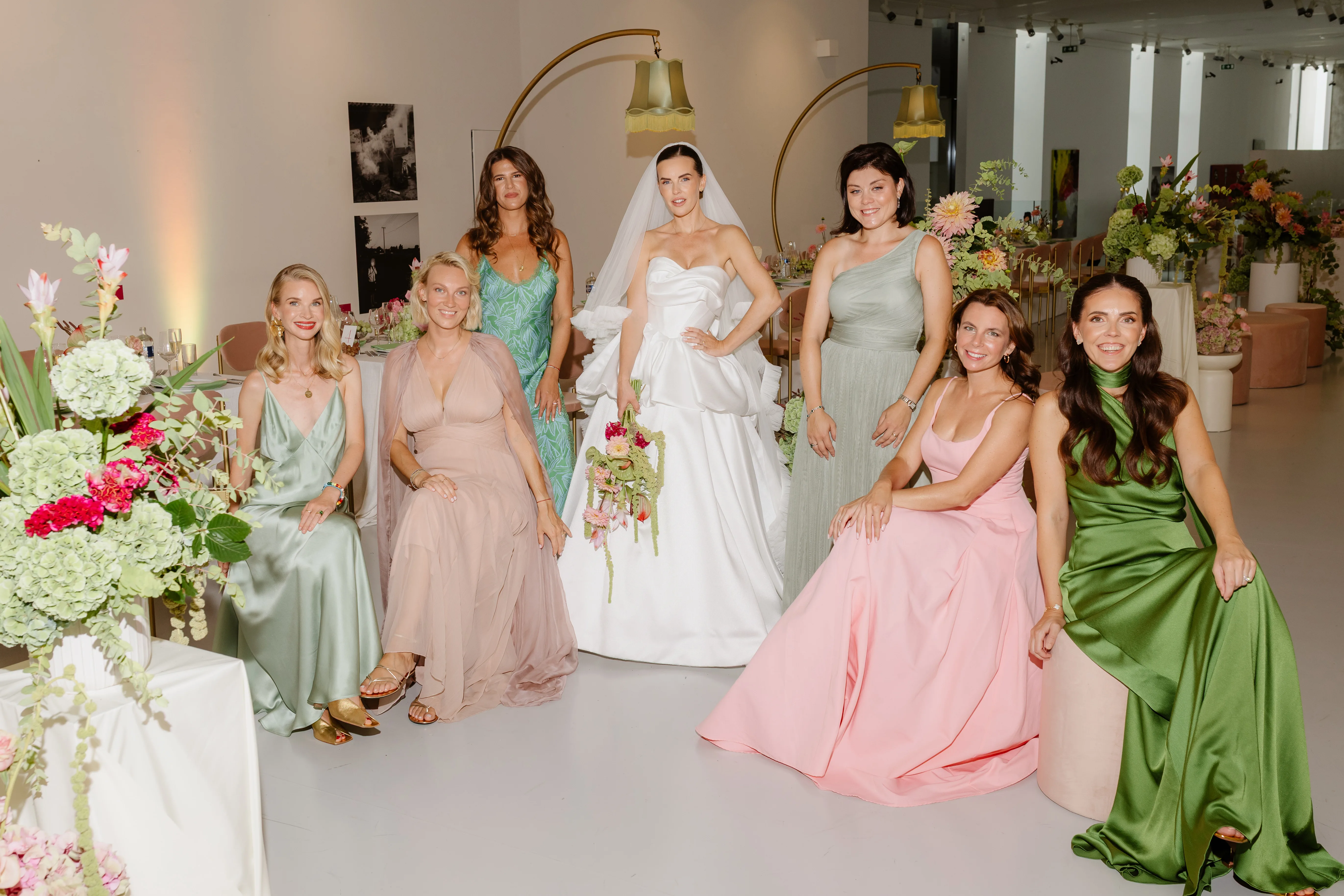
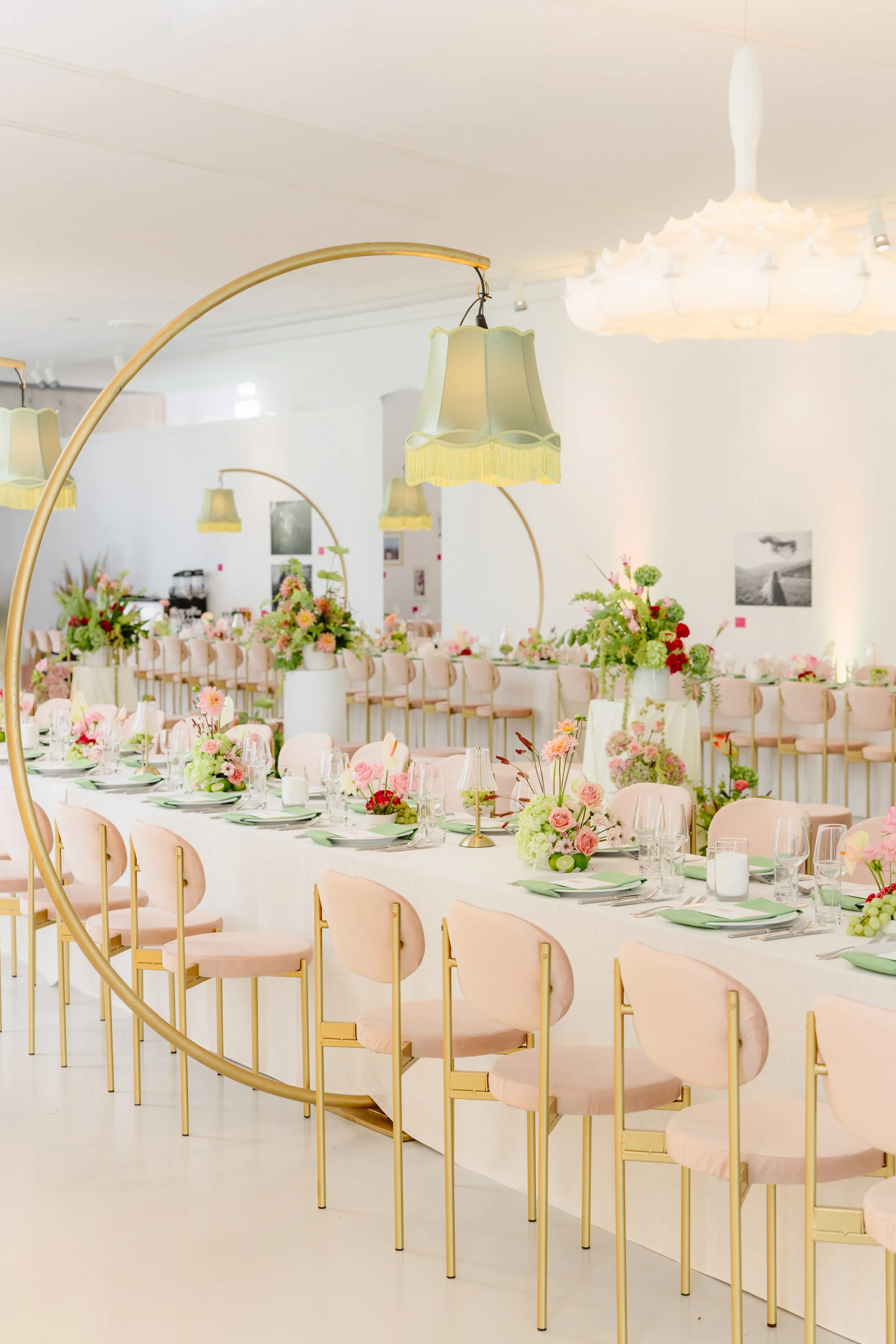
To execute this vision, the couple enlisted Adela of Holubica, a prominent Slovak wedding planner, designer, and florist. The collaboration lasted over a year, focusing on the refinement of details that would blur the lines between event styling and art installation. The design strategy utilized the museum’s existing industrial-chic aesthetic—characterized by concrete, glass, and expansive white walls—as a canvas for lush, asymmetrical floral arrangements.
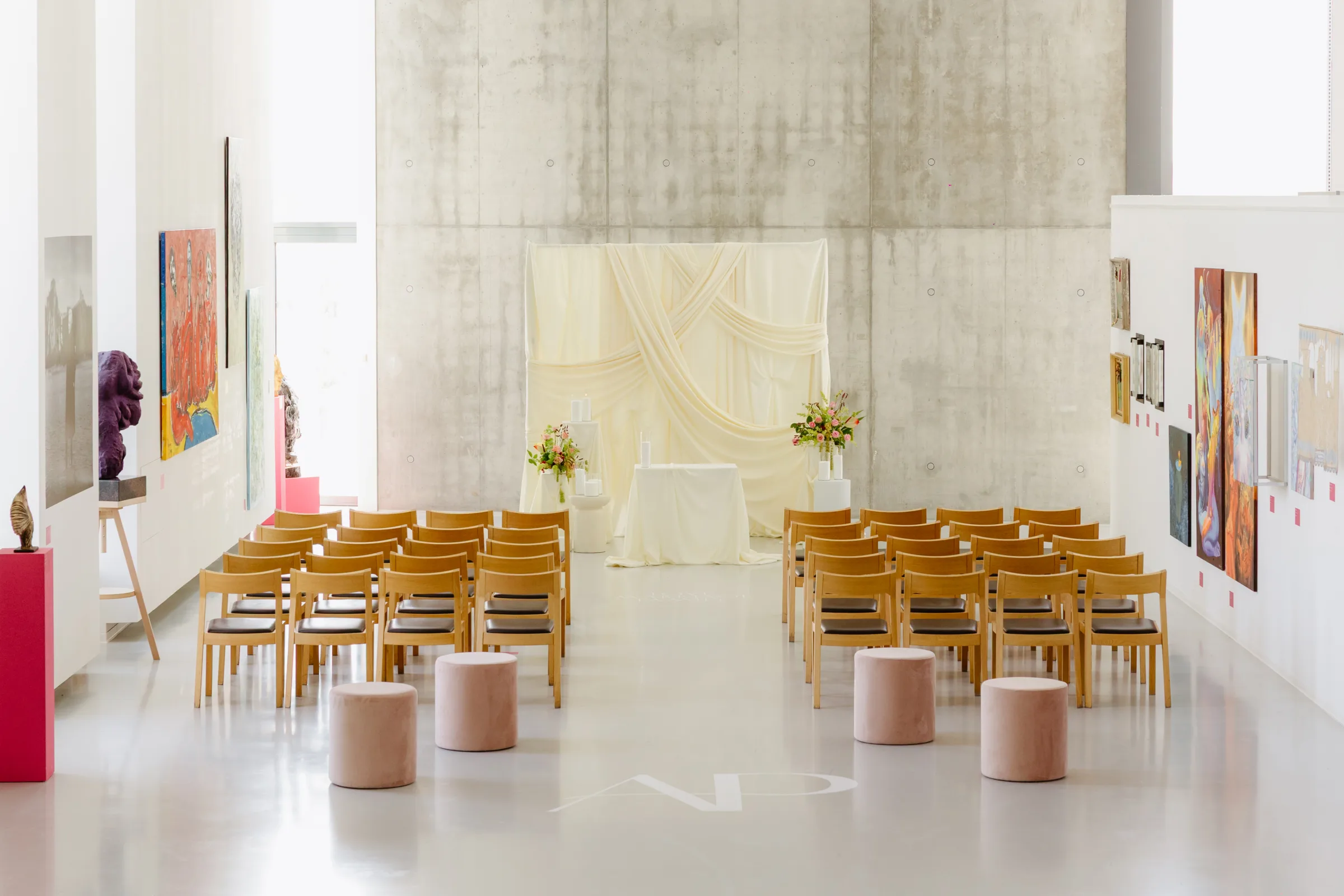
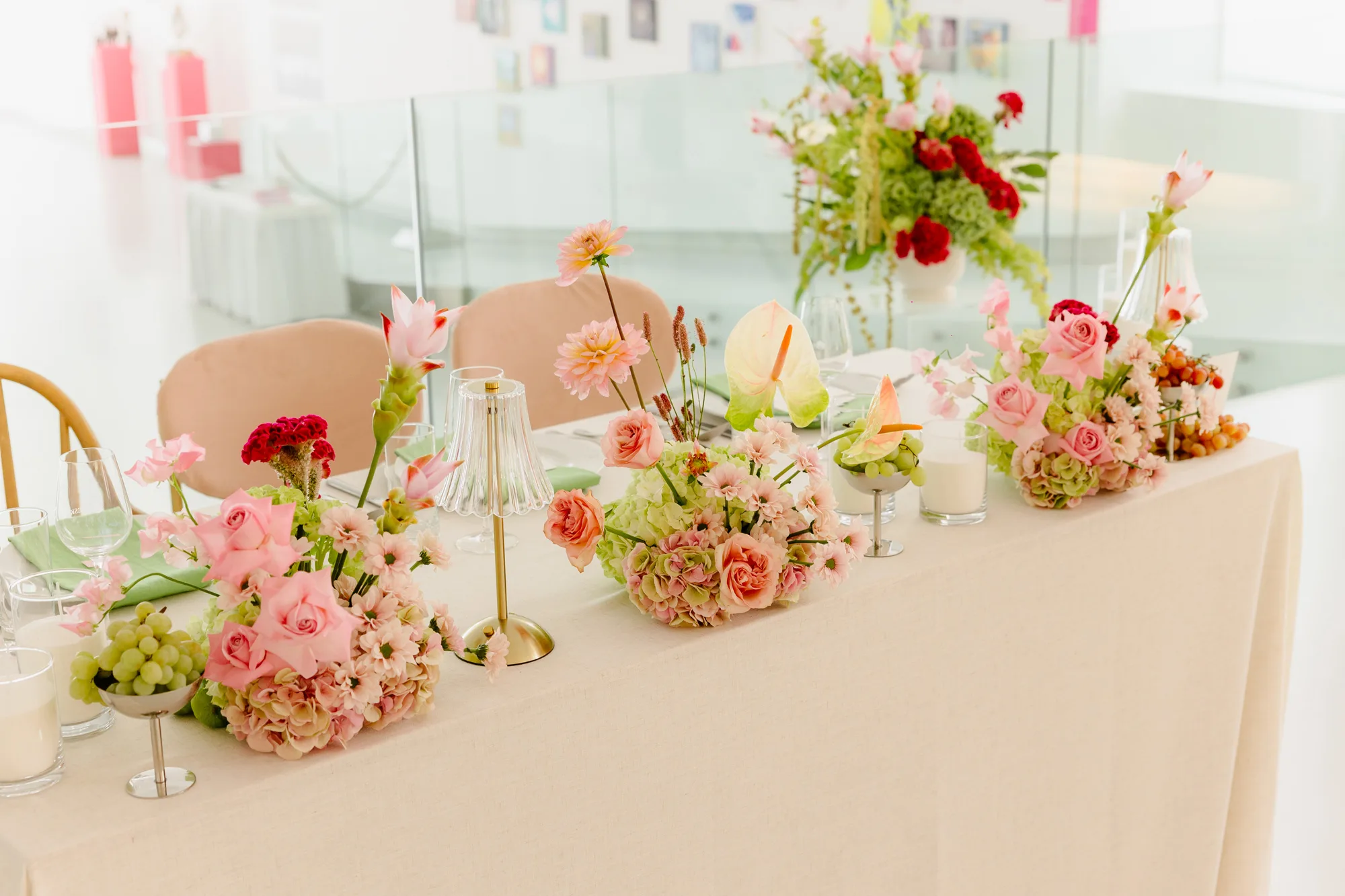
The floral palette consisted of seasonal dahlias, hydrangeas, and soft green foliage. These were not arranged in traditional bouquets but were instead treated as sculptural elements. Large-scale installations were positioned on pillars, while stylish green lamps were suspended over long communal tables. The addition of pink velvet poufs and contemporary lounge furniture created a textural contrast against the museum’s austere surfaces. This approach reflects a broader trend in the European wedding market, where "tablescaping" and environmental design are now prioritized alongside traditional hospitality.
Fashion as a Narrative Tool
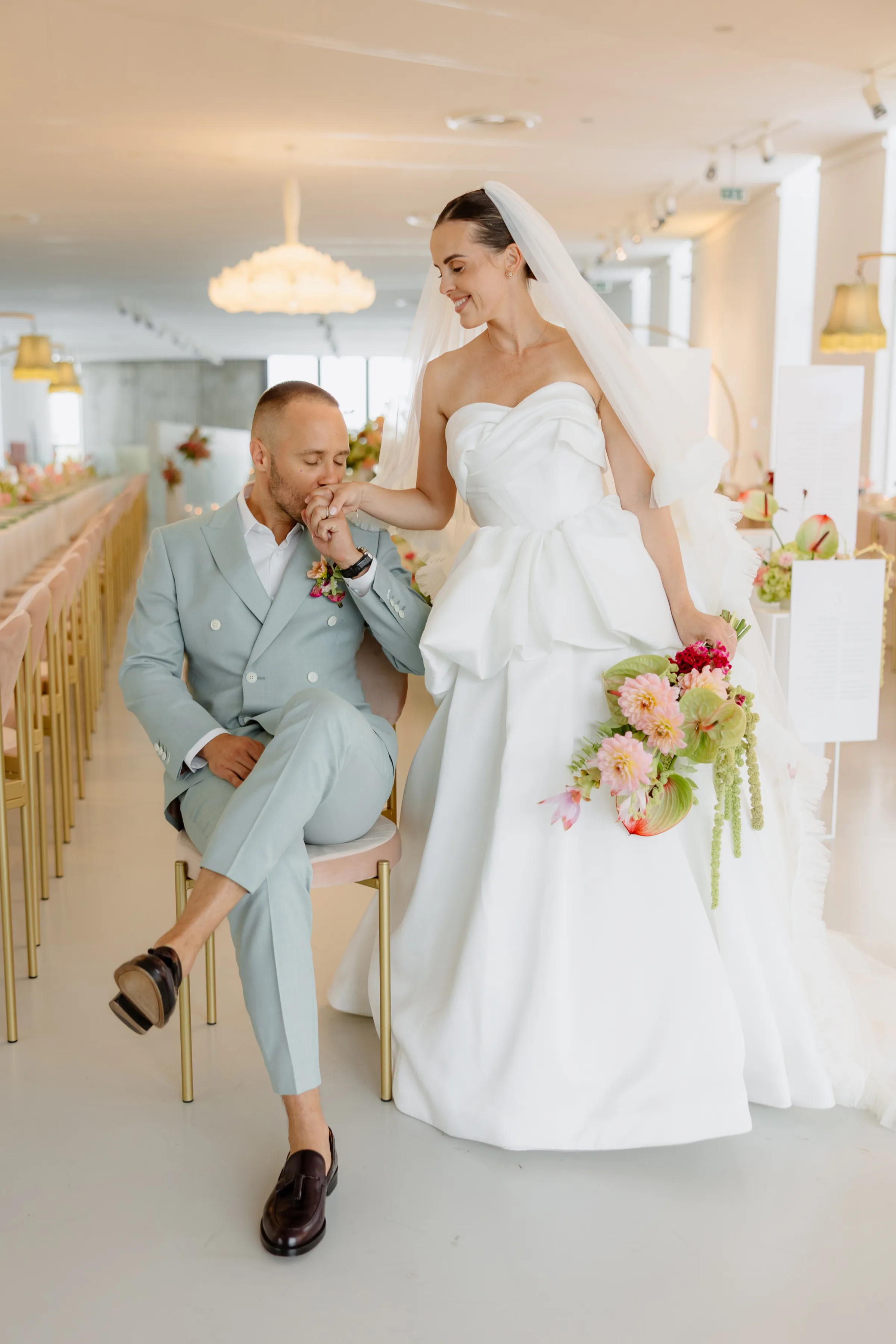
Given Andrea’s professional background in fashion e-commerce, the choice of attire was a focal point of the day. She selected a gown from WONA Concept, a high-fashion bridal house known for its blend of traditional craftsmanship and modern silhouettes. The brand, which has gained significant traction in the international luxury market, provided a look that was both editorial and timeless.
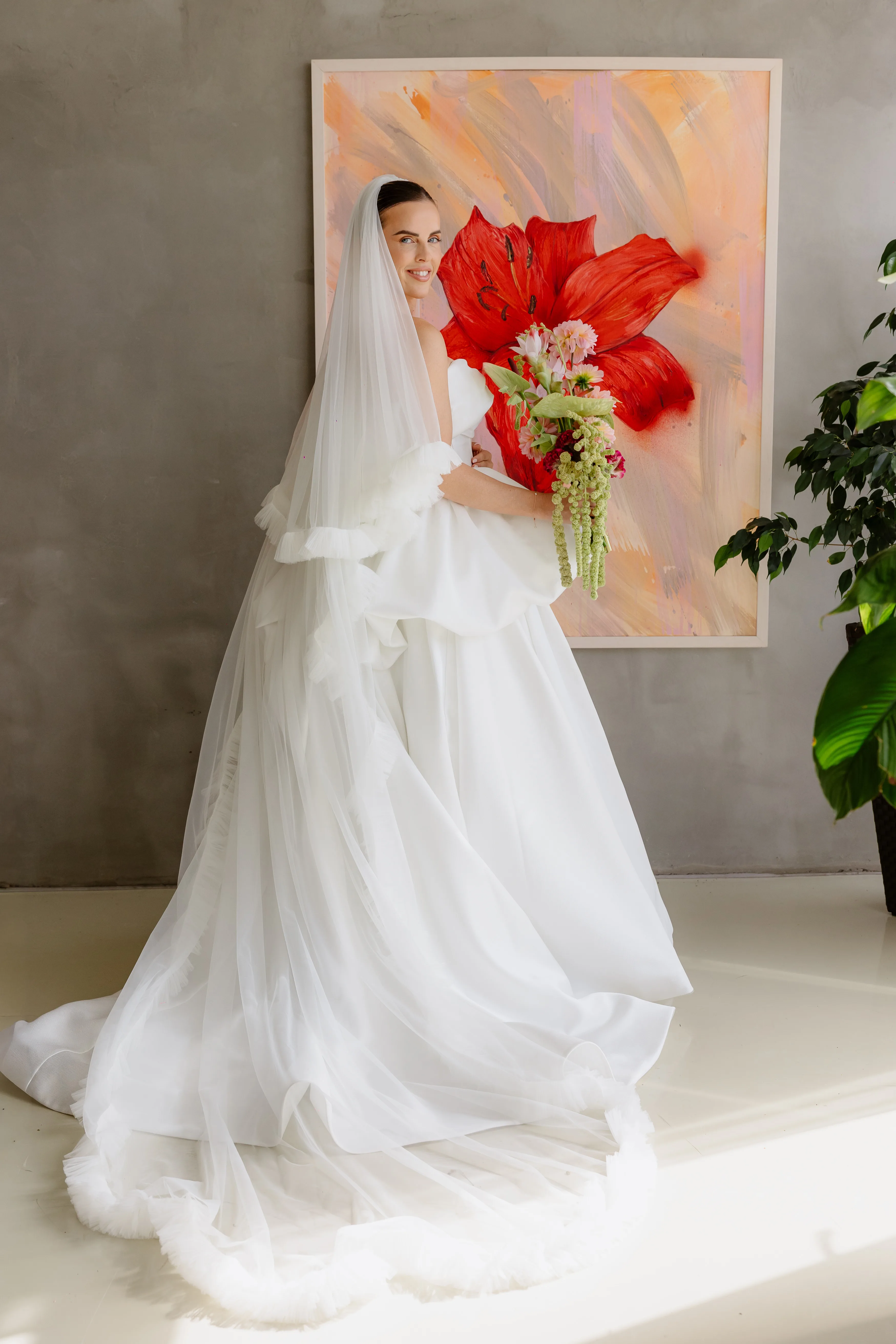
Following the formal proceedings, the bride transitioned into a minimalist lace dress for the evening reception. This shift in attire signaled a transition from the "ceremonial" phase of the day to the "celebratory" phase. Peter’s attire and the general dress code of the guests followed this fashion-forward directive, contributing to the overall visual harmony of the event. The couple’s rings were sourced from Aharon Gems, a Slovak brand that specializes in high-end jewelry, further emphasizing their commitment to supporting local luxury artisans.
Chronology of the Event: From Chance Encounter to Curated Union
The timeline of Andrea and Peter’s relationship provided the emotional foundation for the day’s events. The couple first met two years prior at Luna Bar, a popular venue in Bratislava. Their initial meeting on the dance floor was a chance encounter that rapidly evolved into a committed partnership. The birth of their son, Filip, further solidified their bond before they decided to formalize their union.
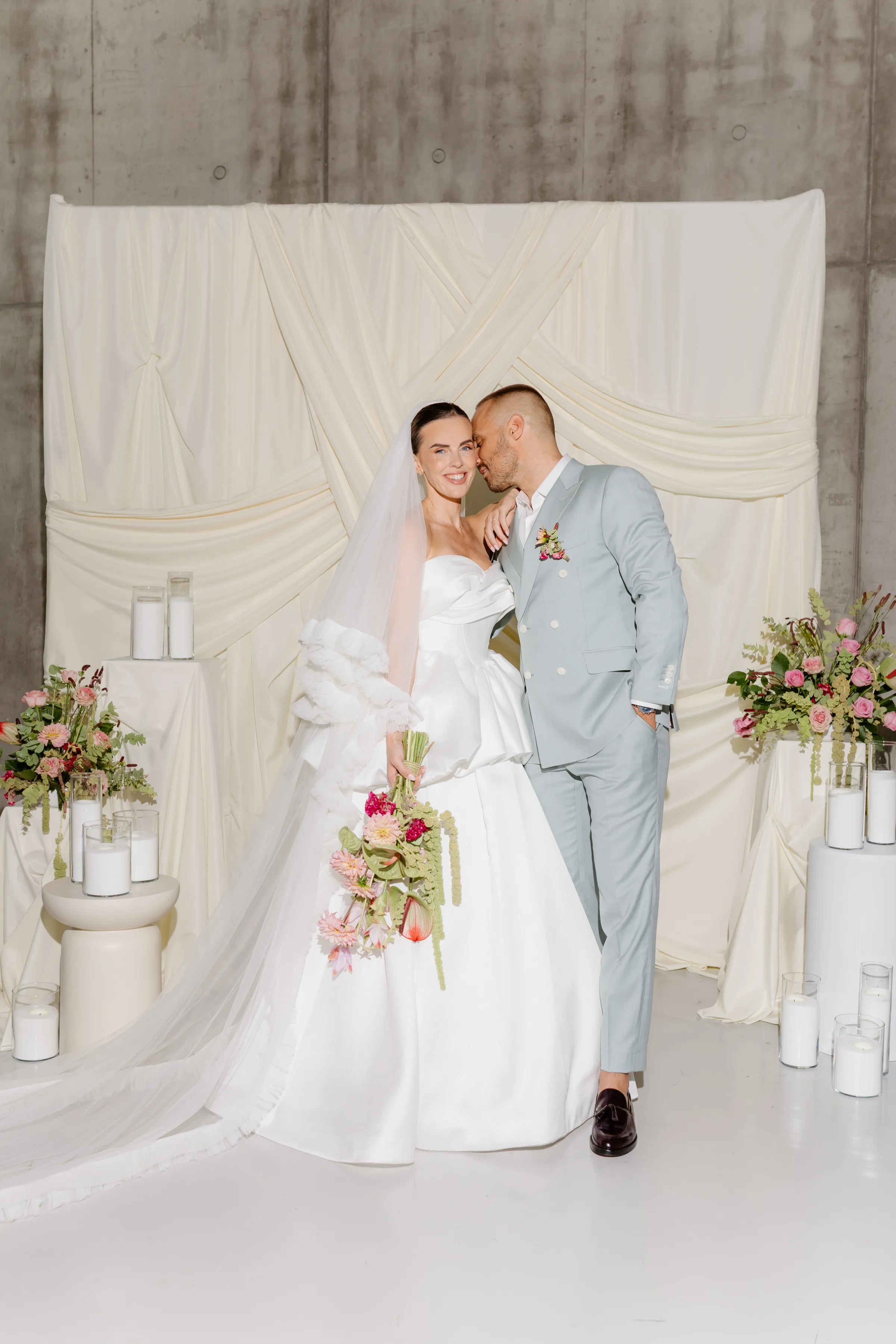
The wedding day followed a precise schedule:
- The Civil Ceremony: Conducted by officiants from the Mayor’s Office of Modra, the ceremony took place within the museum. The musical choice—Jennifer Rush’s "Power of Love"—set a sentimental tone as Andrea was escorted by her father.
- Private Vows: In a departure from the public spectacle often associated with modern weddings, the couple chose to exchange their vows privately, maintaining a level of intimacy amidst the large-scale production.
- The Reception: The evening was defined by high-energy celebration. The first dance, performed to Journey’s "Don’t Stop Believin’," was strategically chosen for its slow build, successfully drawing the entire guest list onto the dance floor.
- The Midnight Ritual (Čepčenie): At midnight, the couple re-engaged with their Slovak roots through the traditional Čepčenie ceremony. This folkloric ritual involves traditional songs and the symbolic removal of the bride’s veil, replacing it with a cap (čepiec) to signify her transition from maidenhood to womanhood. The inclusion of this ritual provided a cultural counterweight to the contemporary aesthetic of the rest of the day.
Professional Insights and Market Analysis
The success of the event was largely attributed to the hiring of a professional wedding planner, a practice that is still gaining traction in the Slovak market. Andrea noted that while it is not yet common in Slovakia to delegate such tasks, the investment was "priceless."
Industry analysts suggest that the Slovak wedding market is undergoing a professionalization phase. Historically, weddings in the region were family-managed affairs held in local community halls. However, the rise of "destination-style" weddings within the country—utilizing vineyards, museums, and historical castles—has necessitated the rise of specialized planners like Holubica. These professionals manage not only the logistics but also the creative direction, ensuring that the event meets the high visual standards required for editorial publication and social media.
The role of the photographer, Tomas Lazorik, was also critical. His editorial, fashion-forward approach was selected specifically to align with the museum setting. The inclusion of a dedicated social media content creator further highlights the modern requirement for weddings to exist simultaneously as a private event and a public-facing digital narrative.
Implications for the Modern Wedding Industry
The wedding of Andrea and Peter serves as a case study for the "branded wedding" trend. By treating the event as a cohesive project with a specific visual language and motto, the couple created a memorable experience that transcended the standard wedding format. The integration of local traditions like Čepčenie with international luxury brands like WONA Concept demonstrates a sophisticated way to honor heritage while embracing a globalized aesthetic.
Furthermore, the choice of the Zoya Museum underscores the growing importance of "alternative" venues. As traditional hotels and banquet halls face increased competition, unique spaces like art galleries and boutique wineries are capturing a larger share of the high-end market. For the Zoya Museum and the ELESKO Wine Park, hosting such events provides significant brand exposure and diversifies their revenue streams beyond art exhibitions and wine production.
In conclusion, the celebration in Modra was a reflection of a wider cultural movement toward highly personalized, design-led weddings. It demonstrated that when fashion, art, and tradition are balanced with professional planning, the result is an event that functions as a powerful expression of a couple’s identity. As the industry continues to evolve, the "Love, Marriage & Dance" model—prioritizing professional curation and aesthetic boldness—is likely to become the new standard for modern couples across Europe.