








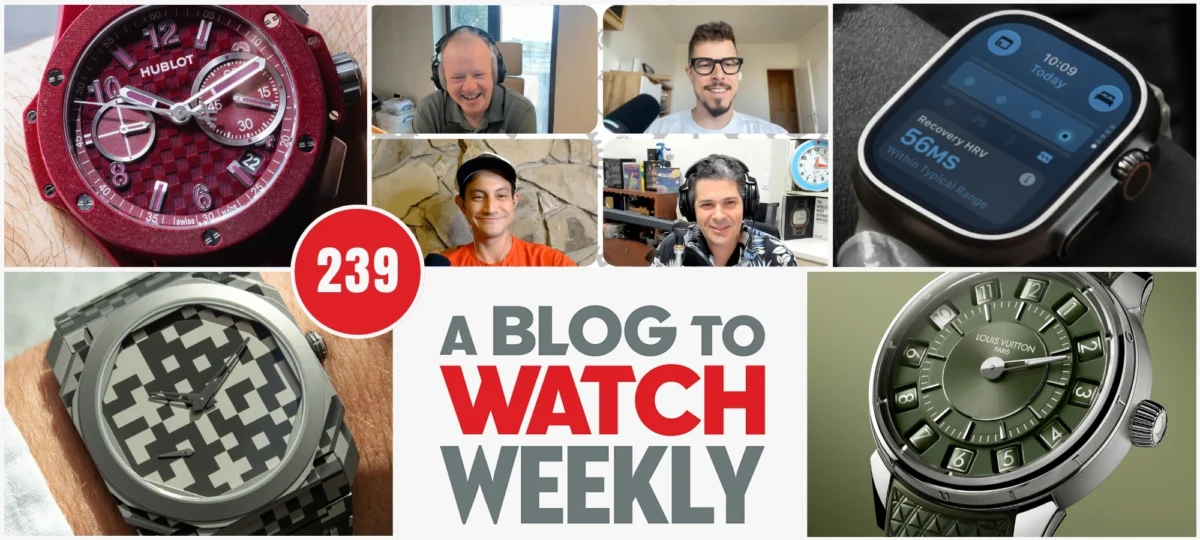
The latest episode of the aBlogtoWatch Weekly podcast, hosted by Rick, Ariel, David, and Ripley, provides a comprehensive examination of the evolving landscape of the watch industry, balancing the technical manufacturing prowess of independent brands against the disruptive influence of consumer technology. This week’s discourse spans the high-end artistry of Bulgari, the polarizing design philosophy of Hublot, the manufacturing innovations of Formex, and the growing intersection between traditional timepieces and artificial intelligence-driven wearables.
Manufacturing Excellence: The Formex Case Study
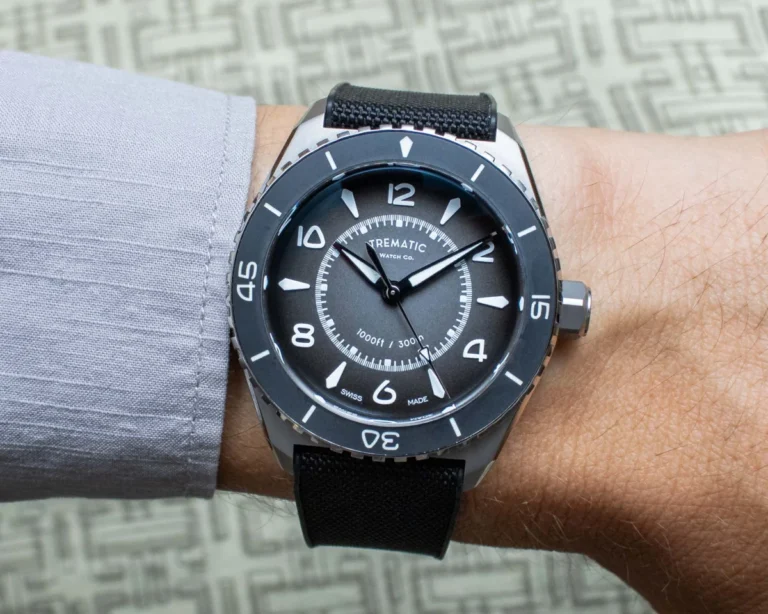
The episode opens with an analytical look at Dexel, the Swiss-based manufacturer responsible for the production of Formex components. While many consumers focus on the dial or movement of a timepiece, the structural integrity of a watch—its case, bracelet, and clasp—often dictates the long-term user experience. Formex has distinguished itself within the "value proposition" segment by utilizing high-end manufacturing techniques typically reserved for brands at significantly higher price points.
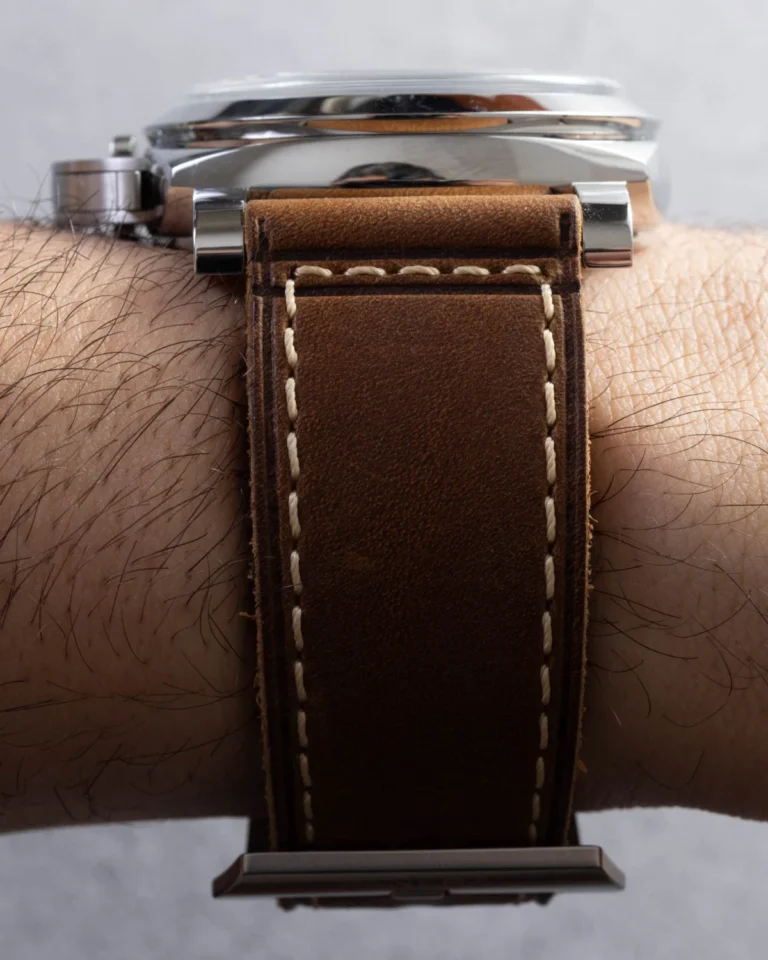
Dexel’s integration of CNC machining and advanced metal finishing has allowed Formex to implement features like patented suspension systems and micro-adjustable clasps that enhance ergonomics. By examining these "invisible" technical achievements, the panel highlights a growing trend in the industry: transparency regarding the supply chain. As collectors become increasingly sophisticated, the ability of a brand to articulate the "how" and "where" of its production has become a vital metric for brand loyalty and market valuation.
Design Extremes: Bulgari and Hublot
The conversation shifts to the aesthetic spectrum of luxury watches, specifically focusing on the Bulgari Octo Finissimo Dazzle. Bulgari’s Octo Finissimo line has long been celebrated for its record-breaking ultra-thin movements and geometric, architectural design. The Dazzle iteration pushes this further, utilizing high-contrast, visually arresting finishes that challenge the traditional, understated elegance often associated with luxury timepieces.
In contrast, the panel evaluates the Hublot Big Bang Original Soft Touch. Hublot, a brand known for its "Art of Fusion" philosophy, has frequently courted controversy with its bold material choices. The Soft Touch series introduces a rubberized coating to the titanium case, a move that invites scrutiny regarding durability and maintenance.
This discussion serves as a lens into the broader debate surrounding the "Big Bang" identity. Since its debut in 2005, the Big Bang has been both a commercial powerhouse and a target for critics who argue it has strayed too far from traditional watchmaking. The recent online discourse involving influencers like Nico Leonard and the resurgence of the "anti-Hublot" sentiment reflect a deeper schism in the watch community: the tension between brands that prioritize aggressive, modern marketing and those that adhere to historical design codes.
The 20th Anniversary and Historical Materials
Looking toward the horizon, aBlogtoWatch is approaching its 20th anniversary, a milestone that serves as a catalyst for examining the industry’s relationship with time itself. Ariel Adams shared potential collaborative projects, including a concept involving 5,000-year-old fossilized tree rings. This pursuit of rare, organic, and historical materials highlights a trend toward "story-telling" horology, where the provenance of the material is as valuable as the mechanical complexity of the movement.
This approach is part of a wider movement in the luxury sector to differentiate products in a saturated market. By incorporating elements that are literally thousands of years old, brands are attempting to create an emotional and temporal connection that mass-produced luxury items cannot replicate.

The Intersection of Wearables and Privacy
One of the most significant segments of the episode addresses the rapid integration of artificial intelligence into the smartwatch market, specifically referencing the latest updates to the Apple Watch. These features include advanced voice transcription, real-time speaker identification, and the automated generation of meeting notes.
While these tools offer undeniable utility for productivity, they have raised significant ethical and privacy concerns. The idea of a device continuously "listening" to ambient environments has ignited a debate about the boundary between a personal assistant and a surveillance tool. For the traditional watch industry, this poses a unique challenge. If a device on the wrist can perform sophisticated administrative functions, the mechanical watch must rely even more heavily on its status as a piece of art, heritage, or jewelry rather than a functional tool.
The panel’s reaction mirrors a growing sentiment among industry analysts: the "smart" versus "mechanical" divide is no longer a matter of functionality, but a matter of philosophy. Consumers are increasingly forced to decide between the convenience of digital integration and the autonomy offered by a purely mechanical, non-connected timepiece.
Market Dynamics: Auction Houses and Media
The final portion of the broadcast investigates the complex ecosystem involving watch media, auction houses, and charitable initiatives. The relationship between these entities is often symbiotic but fraught with potential conflicts of interest. Auction houses, which drive the secondary market valuation of timepieces, rely on media coverage to generate hype and interest in specific lots.
The discussion emphasizes the need for objective reporting in an era where "hype" can artificially inflate prices. When media outlets participate in the promotion of charity auctions, the line between journalism and public relations can become blurred. The panel suggests that as the secondary market matures, there is an increasing demand for more rigorous data analysis and less reliance on anecdotal or promotional narratives.
Concluding Thoughts: The Future of the Wrist
The episode concludes with an overview of the Louis Vuitton Tambour Spin Time collection. Louis Vuitton has successfully transitioned from a fashion brand to a credible horological player, leveraging its massive R&D budget to create high-complication timepieces that capture the attention of high-end collectors. The Spin Time, with its unique method of displaying time through rotating cubes, represents the brand’s commitment to "playful" high-complication watchmaking.
Ultimately, Episode 239 of aBlogtoWatch Weekly illustrates a pivotal moment in the industry. Whether through the lens of manufacturing transparency, the incorporation of ancient materials, or the looming shadow of AI-enabled wearables, the watch world is in a state of constant, rapid evolution.
As technology continues to advance, the traditional watch industry is being pushed into a corner where it must define its value proposition. For the enthusiast, this means a wider array of choices, from the highly technical and experimental to the deeply rooted in history. However, it also demands a more discerning eye. As the lines between tech-gadgets and luxury horology continue to blur, the role of independent, objective analysis becomes not just helpful, but essential for navigating a market that is as complex as the movements housed within the watches themselves.
The episode serves as a reminder that a watch is rarely just a watch. It is a reflection of the era in which it was built—a snapshot of the available technology, the prevailing aesthetic tastes, and the cultural values of the time. Whether it is a Hublot with a rubberized finish or a mechanical watch containing prehistoric wood, every timepiece is a participant in a much larger conversation about the role of the wrist in modern society.