









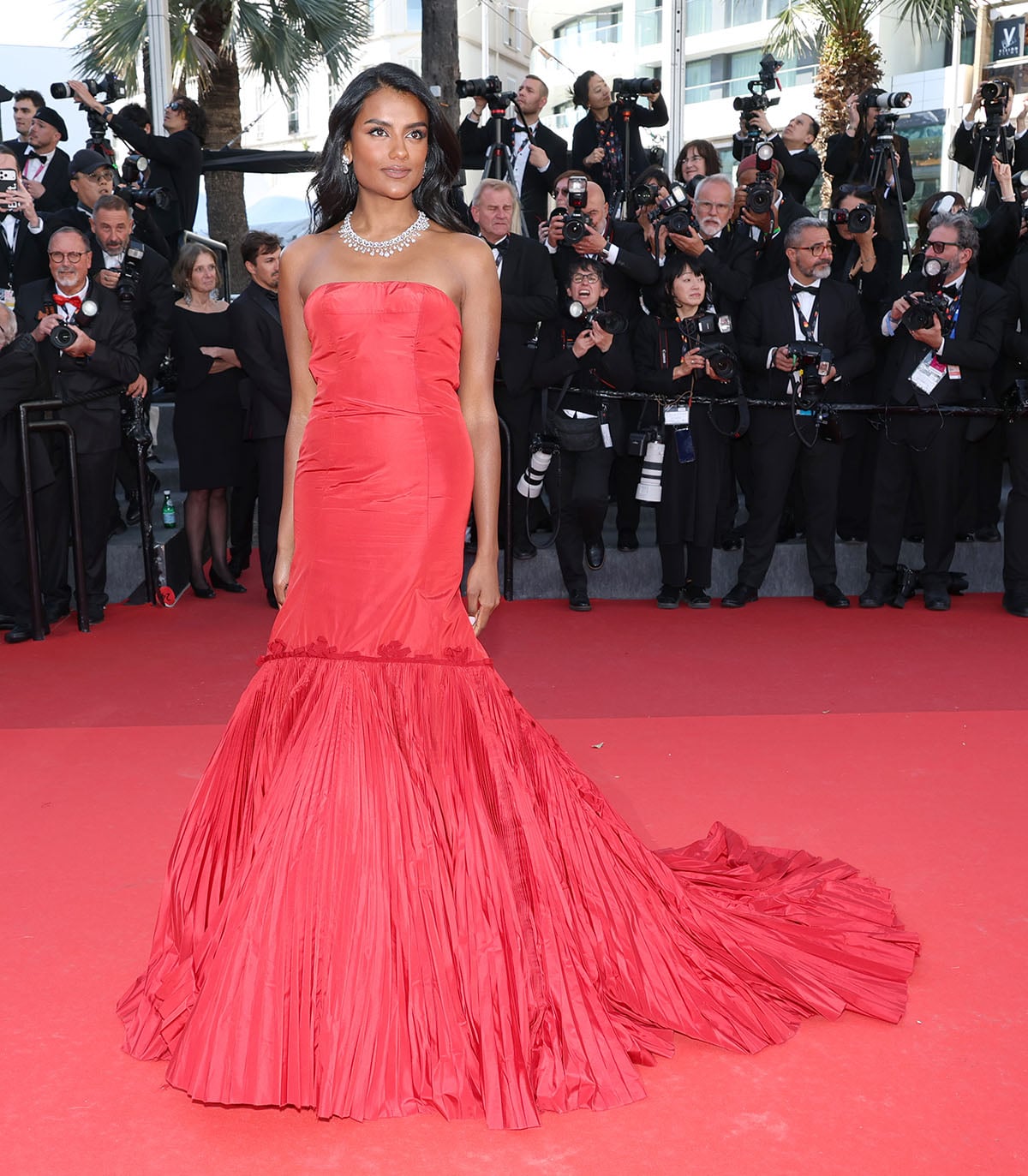
The appearance of British actress Simone Ashley at the 77th annual Cannes Film Festival has solidified her position as a prominent figure in the intersection of cinema and high fashion. Attending the premiere of the film Karma, Ashley opted for a garment that transcends contemporary seasonal trends, selecting a vintage Alexander McQueen gown from the Fall 2005 collection. This choice continues a strategic "archival streak" that has defined the actress’s public appearances following her recent promotional commitments for The Devil Wears Prada 2. As a global ambassador for L’Oréal Paris, Ashley’s presence on the red carpet at the Palais des Festivals serves as both a promotional milestone for her cinematic projects and a significant statement on the enduring legacy of British couture.
The Architectural Design of the Fall 2005 McQueen Gown
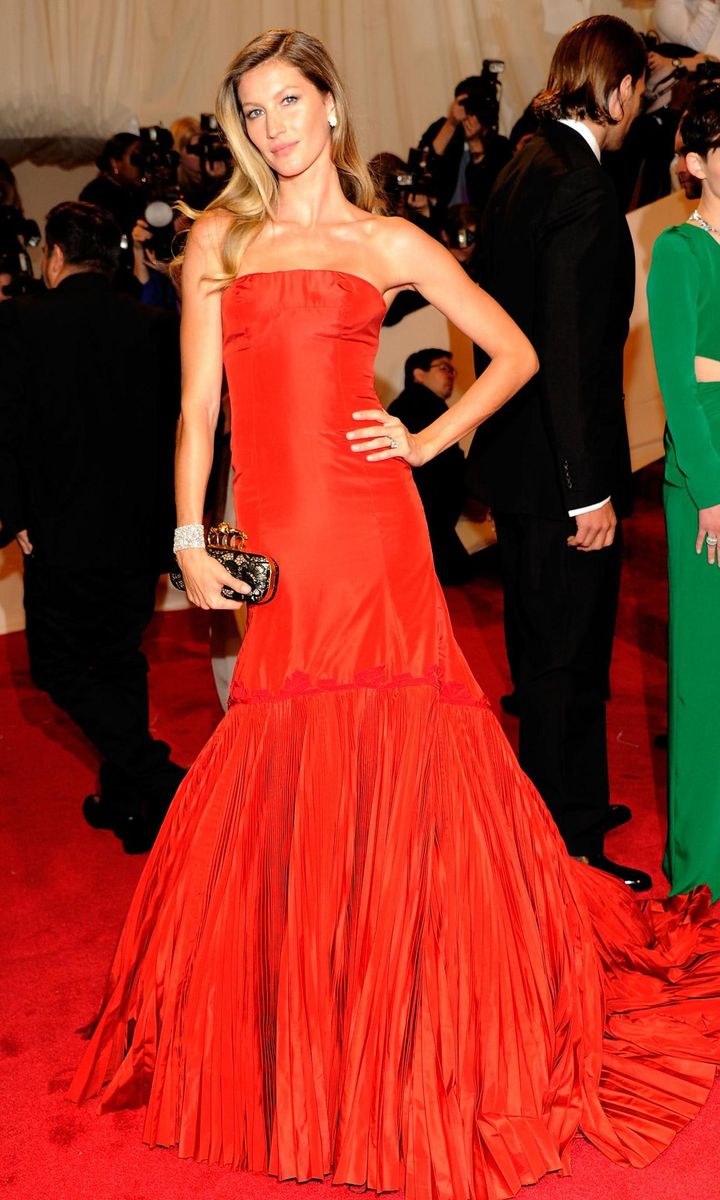
The garment in question is a strapless, crimson-red taffeta gown, characterized by its structured bodice and a dramatic mermaid-style pleated skirt. Originating from Lee Alexander McQueen’s Fall 2005 collection—a season noted for its fusion of Hitchcockian glamour and mid-century silhouettes—the dress represents a pivotal era in the late designer’s career. The use of silk taffeta, a fabric known for its crispness and ability to hold complex shapes, allows for the voluminous, tiered pleating at the hem, which provides the "old-school" cinematic drama traditionally associated with the Cannes red carpet.
Technical analysis of the garment reveals the intricate construction required to maintain the silhouette. The bodice is designed to provide a sharp, clean line against the torso, transitioning into a flared skirt that utilizes mathematical precision in its pleat density. On the red carpet, observers noted the physical presence of the fabric; taffeta is notoriously sensitive to movement and humidity, often resulting in visible tension lines or pulls across the grain of the fabric. In a professional context, these "pulls" are frequently cited as the trade-off for utilizing authentic archival pieces, which may not have been originally tailored to the current wearer’s specific proportions or may have aged in a way that affects the elasticity of the internal boning.
Historical Context and the Gisele Bündchen Connection
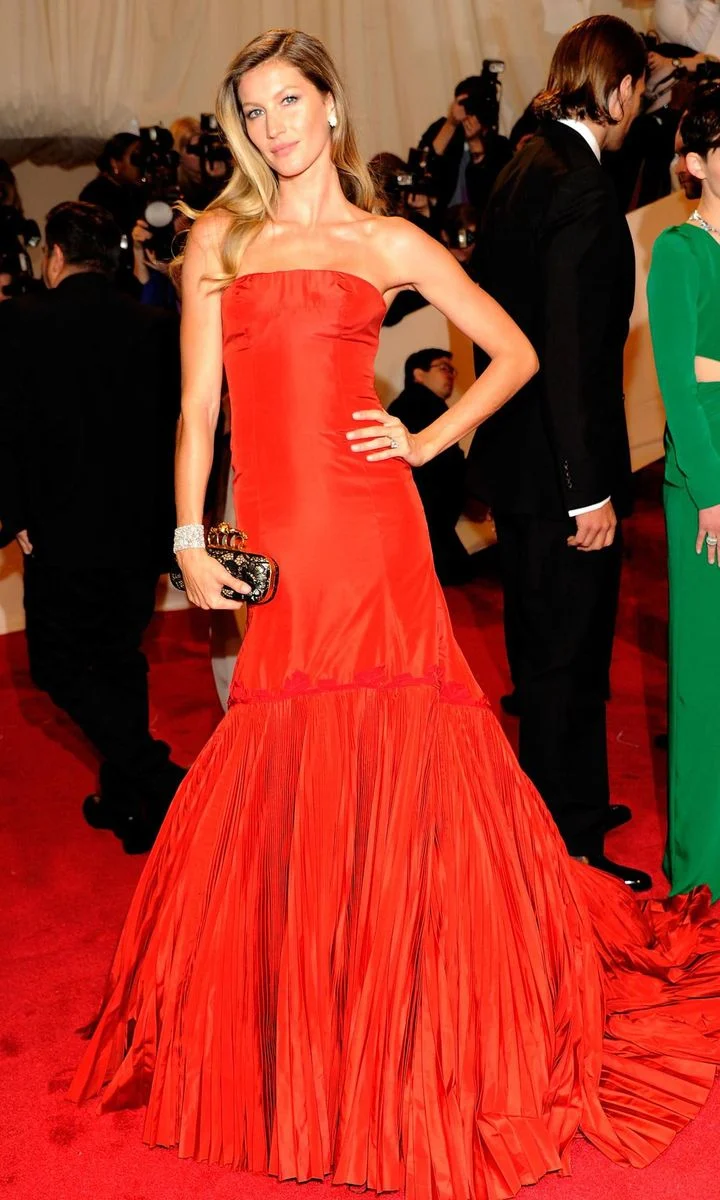
This specific McQueen creation carries significant historical weight within the fashion industry. Its most notable previous appearance occurred at the 2011 Met Gala, themed "Alexander McQueen: Savage Beauty," which served as a retrospective of the designer’s work following his death in 2010. On that occasion, the gown was worn by supermodel Gisele Bündchen, who accompanied the late Alexander McQueen’s successor, Sarah Burton.
By selecting a dress previously immortalized by Bündchen at one of the most significant fashion events of the 21st century, Simone Ashley and her stylist, Rebecca Corbin-Murray, are engaging in a form of "fashion semiotics." This move aligns Ashley with the upper echelon of the modeling and fashion world while paying homage to the craftsmanship of the British fashion house. The decision to revisit a piece from the 2005 archive reflects a broader industry trend where celebrities utilize their platforms to highlight the longevity of luxury goods rather than the disposability of "fast fashion" or even current-season "ready-to-wear."
The Strategic Shift to Archival Fashion
The choice of the McQueen gown is not an isolated event but part of a documented shift in Ashley’s styling strategy. Following the press tour for The Devil Wears Prada 2, the actress has consistently integrated vintage and archival pieces into her wardrobe. This approach, often referred to as "sustainable luxury," involves sourcing garments from historical collections to create a unique visual identity that cannot be replicated by purchasing current retail offerings.
Industry data suggests that the demand for archival fashion has seen a 25% increase in red-carpet appearances over the last three years. This trend is driven by several factors:
- Exclusivity: Archival pieces ensure that a celebrity will not experience a "who wore it best" moment with a contemporary peer at the same event.
- Sustainability: Reusing existing garments aligns with the growing environmental consciousness of the film and fashion industries.
- Heritage: Wearing vintage allows an actor to associate their personal brand with the prestige and history of a legendary design house.
Ashley’s collaboration with stylist Rebecca Corbin-Murray has been central to this evolution. Corbin-Murray, known for her ability to curate narrative-driven wardrobes, has steered Ashley toward silhouettes that emphasize her stature and theatrical presence, moving away from the more conventional "ingenue" looks of her early Bridgerton era.
The Significance of the Cannes Red Carpet
The Cannes Film Festival remains one of the most influential marketing platforms in the world. For an actress and brand ambassador like Simone Ashley, the walk up the steps of the Palais des Festivals is a high-stakes moment of global visibility. The Karma premiere provided the ideal backdrop for a gown of such "unapologetic grandeur."
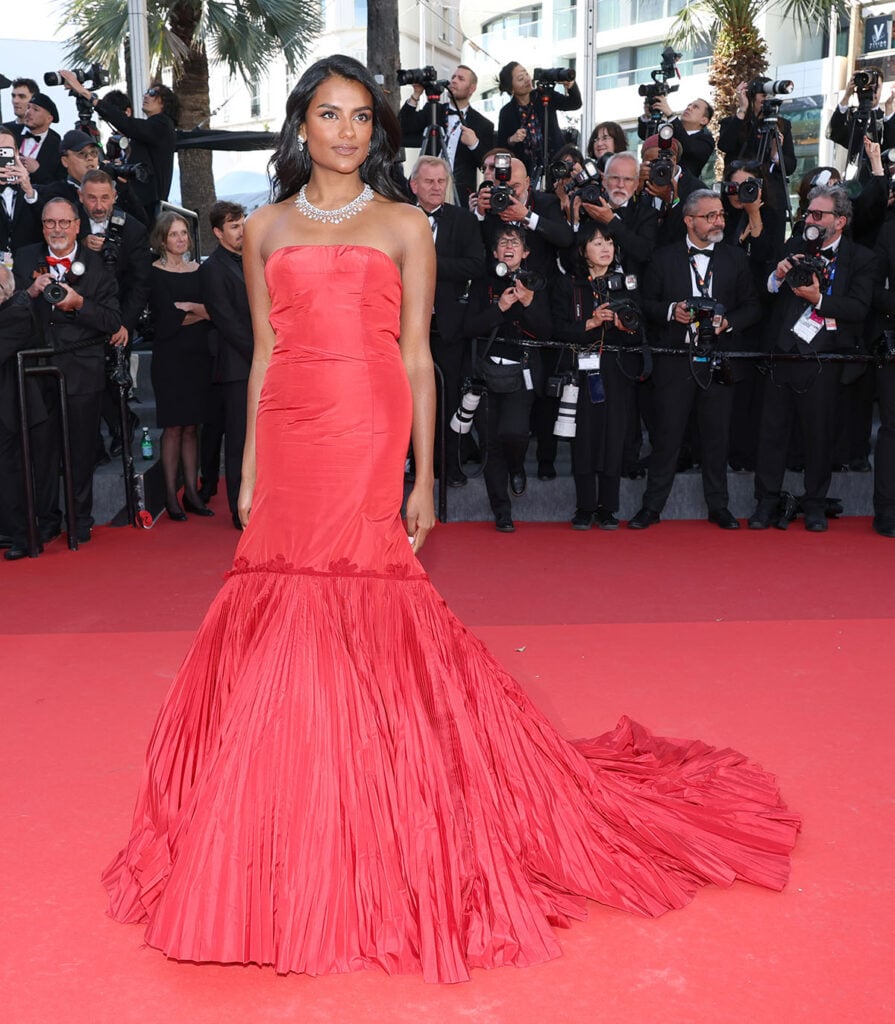
Cannes is unique among film festivals for its strict dress code and its emphasis on "Le Grand Escalier." The architecture of the festival’s main venue—specifically the red-carpeted stairs—requires garments that have a 360-degree visual impact. The mermaid-style pleating of the McQueen gown was specifically designed to be viewed from below, as the flare of the skirt creates a dramatic silhouette against the verticality of the stairs. This synergy between the garment and the environment is a hallmark of sophisticated red-carpet styling.
The Role of the L’Oréal Ambassadorship
As a L’Oréal Paris ambassador, Ashley’s appearance also carries corporate significance. The beauty conglomerate has been an official partner of the Cannes Film Festival for over 25 years, using the event to showcase the "worth" and empowerment of its spokespeople. The selection of a bold, crimson gown—a color synonymous with the brand’s identity—serves to reinforce this partnership.
Inferred reactions from industry insiders suggest that Ashley’s look was intended to project "confidence and theatricality," qualities that L’Oréal seeks to highlight in its ambassadors. The makeup and hair, kept relatively minimalist to allow the gown to remain the focal point, further emphasized a modern interpretation of classical beauty.
Technical Preservation and the Challenges of Vintage Taffeta
While the aesthetic impact of the gown was undeniable, the use of a nearly 20-year-old taffeta garment presents significant technical challenges. Textile experts note that silk taffeta is a "memory" fabric; once it is creased or pulled, it is difficult to restore to a perfectly smooth state. The "visible pulls" noted during the premiere are a common characteristic of vintage taffeta that has been stored or moved over decades.
Preserving such pieces requires climate-controlled environments and minimal handling. For a red-carpet event, where an actress must sit in a car and navigate crowds, the fabric is subjected to stresses that modern synthetic blends are better equipped to handle. However, the "imperfections" of the fit in an archival piece are often viewed by fashion purists as a mark of authenticity—a sign that the garment is a living piece of history rather than a mass-produced reproduction.
,type=downsize)
Broader Implications for the Fashion Industry
Simone Ashley’s choice at Cannes reflects a wider movement within the luxury sector. Brands like Alexander McQueen, under the parent company Kering, have begun to place greater emphasis on their archives, occasionally loaning pieces to select celebrities to maintain the brand’s "mythology." This strategy helps to elevate the brand’s status from a mere clothing manufacturer to a cultural institution.
Furthermore, the visibility of archival pieces on young, influential stars like Ashley introduces a new generation to the history of fashion design. By wearing McQueen Fall 2005, Ashley is effectively educating her audience on the work of Lee McQueen, ensuring that his creative legacy remains relevant in a rapidly changing digital landscape.
Conclusion: A Definitive Style Evolution
The appearance of Simone Ashley at the Karma premiere in vintage Alexander McQueen marks a definitive chapter in her style evolution. It signals a move toward a more curated, historically informed image that leverages the power of archival fashion to create a lasting impression. As the Cannes Film Festival continues, the industry will be watching to see if this commitment to fashion history remains a permanent fixture of Ashley’s public persona.
Through the strategic use of color, silhouette, and historical context, Ashley has successfully navigated the complexities of the Cannes red carpet. While the technical limitations of vintage fabric were present, the overall impact of the look was one of sophisticated drama, reaffirming that in the world of high fashion, the past is often the most effective tool for defining the present. Ashley’s trajectory suggests that she is no longer just a participant in the fashion cycle, but a connoisseur of its most significant moments.