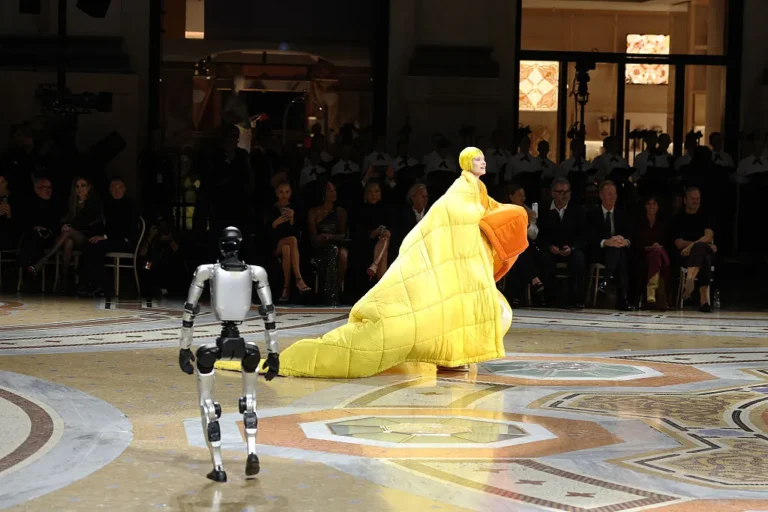









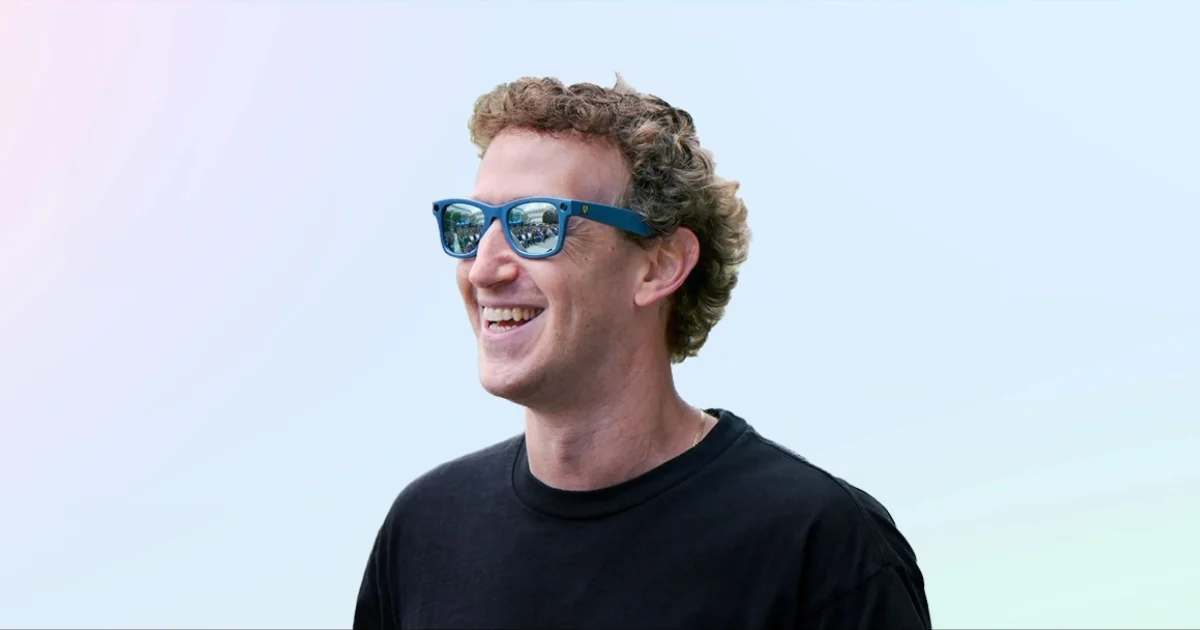
The intersection of high fashion and wearable technology reached a new milestone on Thursday as Meta Platforms Inc. CEO Mark Zuckerberg and his wife, Priscilla Chan, took prominent front-row seats at Prada’s Fall/Winter 2026 Fashion Week show in Milan. The appearance has intensified industry speculation regarding a looming partnership between the social media giant and the Italian luxury house. During the event, Zuckerberg was observed in close conversation with Lorenzo Bertelli, Prada’s Chief Merchandising Officer and the son of head designer Miuccia Prada, suggesting a deeper strategic alignment than a mere interest in seasonal trends.
While Zuckerberg has undergone a public-facing aesthetic transformation in recent years—moving away from his signature gray t-shirts toward a more curated, high-end wardrobe—analysts suggest his presence in Milan is strictly business. This development follows a series of reports and financial disclosures indicating that Meta is aggressively expanding its "Smart Glasses" portfolio beyond its current partnerships with Ray-Ban and Oakley. By targeting the luxury sector, Meta appears to be positioning its AI-integrated hardware not just as a tool for tech enthusiasts, but as a prestigious accessory for the global elite.
The Strategic Alliance: Meta, EssilorLuxottica, and Prada
The groundwork for a Prada-branded Meta AI device is rooted in the long-standing relationship between Meta and EssilorLuxottica, the French-Italian eyewear conglomerate that owns Ray-Ban and Oakley and holds the licensing rights for Prada eyewear. The partnership began with the launch of "Ray-Ban Stories" and evolved into the more successful "Ray-Ban Meta" collection.
In June 2025, CNBC reported that Prada-branded AI glasses were already in the development pipeline. This followed a significant corporate move where Prada Group and EssilorLuxottica renewed their licensing agreement for eyewear under the Prada and Miu Miu brands. The previous agreement, which was set to expire at the end of 2025, was extended through December 31, 2030, with a further provision for renewal until 2035. This decade-long roadmap provides the necessary legal and logistical framework for Meta to integrate its artificial intelligence software into Prada’s high-fashion frames.
The potential collaboration represents a "trifecta" business model: Meta provides the AI and software ecosystem, EssilorLuxottica manages the manufacturing and distribution logistics, and Prada lends the brand prestige and design language. This model allows Meta to bypass the traditional "tech" aesthetic that has historically hindered the adoption of wearable devices, such as the ill-fated Google Glass.
Market Performance and the 2025 Sales Surge
Data released earlier this month by EssilorLuxottica underscores the growing commercial viability of AI wearables. In 2025, the company reported sales of over 7 million units of Meta-integrated glasses, a dramatic increase from the 2 million units sold in 2024. This 250% year-over-year growth suggests that the market has moved past the "early adopter" phase and is entering the mainstream.
The current sales volume is split between two primary demographics:
- Ray-Ban Meta: Targeted at the general consumer looking for a blend of classic style and modern utility.
- Oakley Meta: Launched in mid-2025, these devices target the athletic and outdoor market, emphasizing durability and performance tracking.
The introduction of a Prada version would address a third, high-margin demographic: the luxury consumer. Industry analysts believe that a luxury tier is essential for Meta to achieve "all-day wearability" status. While Ray-Bans are iconic, they lack the exclusive cachet required to compete in the highest echelons of the fashion world. A Prada collaboration would likely command a significant price premium, potentially doubling the entry price of the current $299 Ray-Ban models, thereby increasing Meta’s hardware margins.
A Chronology of Meta’s Wearable Ambitions
To understand the significance of the Milan appearance, one must look at the timeline of Meta’s hardware evolution:
- September 2021: Meta (then Facebook) launches Ray-Ban Stories. The product receives mixed reviews due to limited battery life and basic camera functionality.
- October 2023: The second-generation Ray-Ban Meta glasses are released, featuring significantly improved audio, a 12MP camera, and the introduction of Meta AI.
- April 2024: Meta rolls out multimodal AI features, allowing the glasses to "see" and interpret the world around the wearer in real-time.
- June 2025: Reports surface via CNBC and TechCrunch that Meta is exploring expansions into Oakley and Prada.
- February 2026: EssilorLuxottica confirms sales of 7 million units for the previous year, signaling a hit product.
- February 2026: Zuckerberg’s high-profile appearance at Prada’s Milan show serves as a "soft launch" for the partnership rumors.
Technological Integration and the "Invisible Tech" Philosophy
The core appeal of the Meta AI glasses lies in their lack of a screen. Unlike the Apple Vision Pro or Meta’s own Quest headsets, which prioritize immersive virtual or augmented reality, the smart glasses focus on "ambient computing." The devices use small cameras, open-ear speakers, and an array of microphones to allow users to interact with an AI assistant without looking at a phone.
A Prada iteration would likely lean into the "invisible tech" philosophy. High-fashion consumers often prioritize aesthetics over raw technical specifications. By embedding Meta’s Llama-based AI into Prada’s "Linea Rossa" or classic acetate frames, Meta can market the device as a lifestyle enhancement rather than a computer for one’s face. Features expected in the Prada version include real-time language translation, fashion styling advice powered by AI, and seamless integration with high-end concierge services.
Privacy Concerns and the Surveillance Backlash
Despite the commercial success of the hardware, Meta faces significant headwinds regarding public perception and privacy. The prospect of high-fashion glasses equipped with cameras and AI has sparked a renewed debate over surveillance in public spaces.
Recent consumer trends show an increasing "pushback" against persistent recording devices. Throughout late 2025 and early 2026, reports emerged of citizens in several metropolitan areas actively disabling surveillance infrastructure. This includes the removal of Ring doorbells and the destruction of Flock safety cameras, which are used by law enforcement for license plate recognition.
The controversy was exacerbated by a recent report from The New York Times suggesting that Meta is considering adding facial-recognition capabilities to its smart glasses. While Meta has not officially confirmed this feature for the consumer market, the mere possibility has led to a proactive counter-movement. One independent developer recently released an app designed to alert users if a pair of smart glasses is detected nearby via Bluetooth or Wi-Fi signals.
For Prada, a brand built on exclusivity and discretion, the "creep factor" associated with surveillance tech presents a branding challenge. If the glasses are perceived as a tool for "paparazzi-style" intrusion, it could alienate the very luxury clientele Prada seeks to attract.
Implications for the Future of Social Interaction
The potential Meta-Prada partnership is more than a fashion statement; it is a signal of how Meta intends to dominate the next era of personal computing. By moving the interface from the pocket to the face, Meta gains unprecedented access to "first-person" data—what users see, hear, and interact with in real-time.
From a business perspective, the luxury pivot serves two purposes:
- Normalization: By associating AI glasses with the glamour of Milan Fashion Week, Meta attempts to strip away the "geek" stigma, making the act of wearing a camera on one’s face socially acceptable.
- Ecosystem Lock-in: Users who invest in a high-priced pair of Prada AI glasses are unlikely to switch to a competing ecosystem, ensuring long-term engagement with Meta’s AI services.
As of press time, Meta has declined to comment on the specific nature of Zuckerberg’s meeting with Lorenzo Bertelli. Prada has similarly remained silent regarding future hardware collaborations. However, with the licensing deals in place and the CEO of the world’s largest social media company sitting front-and-center at the Prada show, the industry is no longer asking if a luxury AI wearable is coming, but when it will debut on the runway.
The success of such a product will ultimately depend on Meta’s ability to balance its aggressive AI roadmap with the growing public demand for privacy. If Meta can successfully navigate these social hurdles, the Prada AI glasses could become the first "must-have" luxury tech item since the original iPhone, fundamentally altering the landscape of both the fashion and technology industries.