




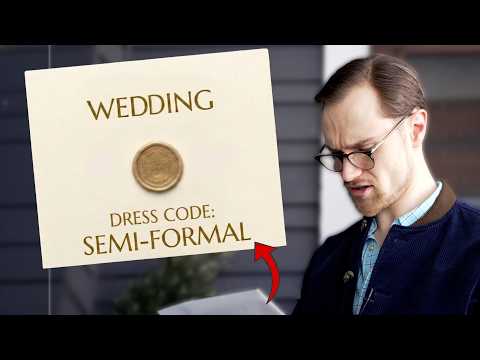
The "Semi-Formal" dress code, a pervasive yet often perplexing directive on invitations, consistently emerges as a leading source of sartorial anxiety. Occupying the nuanced space between standard business attire and the more stringent requirements of cocktail or black-tie events, it demands an ensemble that strikes a delicate balance: respectful of the occasion’s significance without appearing to have merely transitioned from the office, nor overshooting into a full black-tie presentation. Understanding this complex sartorial territory is crucial for any guest aiming to honor their hosts and the event.
The Enduring Enigma: Why Semi-Formal Confounds
The inherent ambiguity of "semi-formal" stems from its very definition – a halfway point that lacks the prescriptive clarity of its more formal or casual counterparts. Unlike "Black Tie," which dictates a tuxedo, or "Casual," which implies a broader range of relaxed options, semi-formal invites interpretation. This flexibility, while offering room for personal expression, simultaneously presents a challenge, particularly for men who often gravitate towards more rigid dress codes. The Gentleman’s Gazette, a leading authority on classic menswear, emphasizes that the key to mastering semi-formal success lies in intentionality. Deliberate choices in color, texture, and accessories are paramount to crafting an ensemble that is dapper, respectful, and uniquely tailored to the individual and the event.
A Brief History and Modern Relevance
Dress codes, as we know them today, evolved from elaborate social stratification in the 19th and early 20th centuries, simplifying over time but retaining core principles of respect and decorum. "Semi-formal" gained prominence as social events diversified, moving beyond the strictures of white or black tie to encompass a broader array of gatherings—from upscale dinners and theatrical premieres to, most commonly today, weddings.

In the contemporary landscape, semi-formal has become a cornerstone of wedding invitations. It reflects a modern desire for elegance and celebration without the financial or practical burden of full formalwear. Wedding planners frequently recommend it for its adaptability, allowing guests to dress up without feeling stiff or out of place, whether the ceremony is held in a grand ballroom, a rustic barn, or a chic urban venue. This adaptability, however, necessitates a keen understanding of context – the time of day, season, and the overall ambiance of the event are all critical factors in decoding the implicit expectations of a semi-formal invitation.
Core Principles for the Modern Semi-Formal Guest
Navigating the semi-formal dress code requires adherence to several fundamental principles that elevate an outfit beyond the everyday and into the realm of celebratory sophistication.
-
The Foundation: Suit or Tailored Separates?
While a well-fitted suit is almost always a safe and recommended choice, modern semi-formal allows for impeccably tailored separates. This could involve a smart blazer or sports coat paired with dress trousers. The crucial element here is tailoring; ill-fitting garments, regardless of their intrinsic quality, undermine the entire look.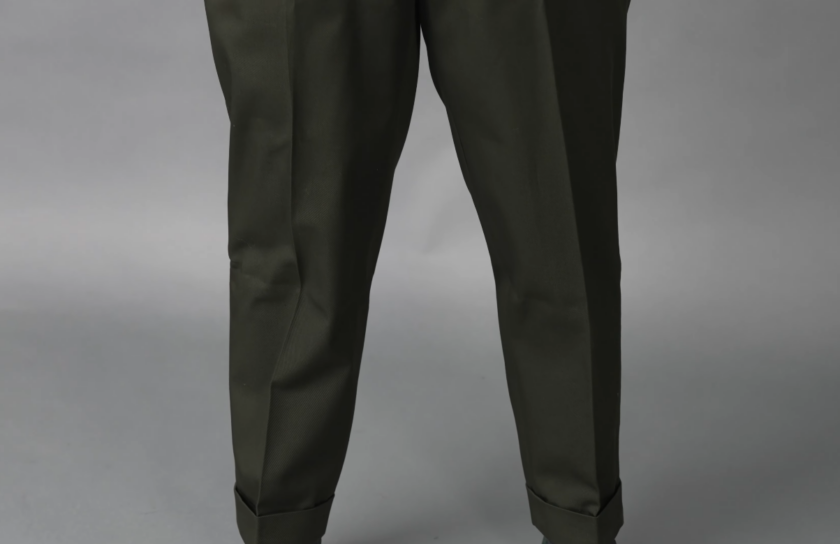
-
Color and Seasonality:
The choice of color is heavily influenced by the time of day and year. For evening events or colder months, darker, richer tones such as navy, charcoal gray, deep forest green, or even dark brown are ideal. During daytime events or warmer seasons, lighter shades like medium gray, tan, or lighter blues can be introduced, often balanced with darker accessories. -
Fabric and Texture:
This is where "intentionality" truly shines. To differentiate from standard business attire, incorporate textures. A tweed jacket, moleskin trousers, a silk knit tie, or a linen pocket square add depth and visual interest, signaling a celebratory rather than corporate mood. Avoid overly casual fabrics like denim or extremely shiny, synthetic materials.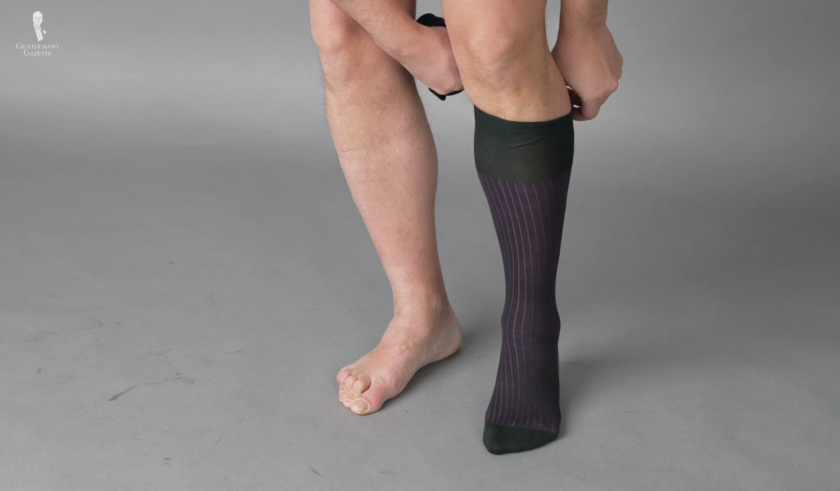
-
The Indispensable Shirt and Tie:
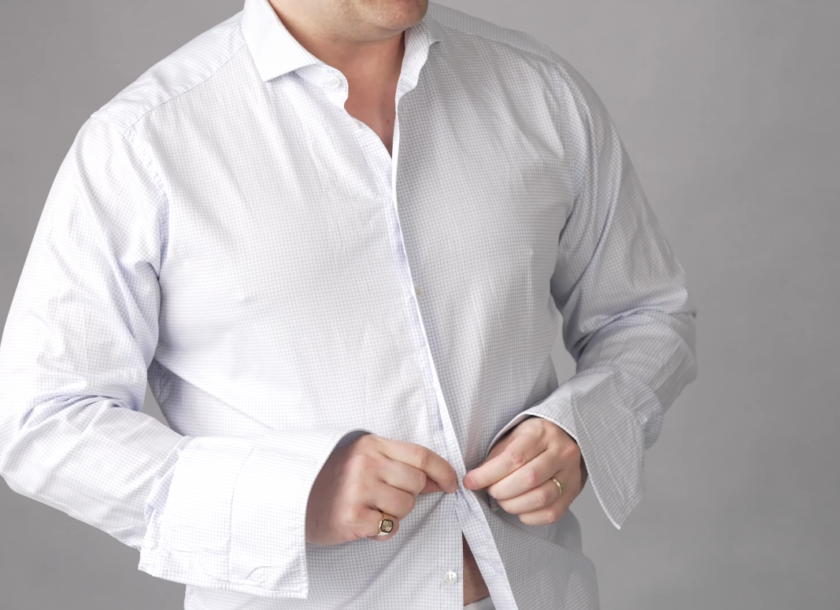
A collared dress shirt is non-negotiable. Crisp white or light blue are classic choices, but subtle patterns like fine checks or stripes can also work. A necktie is generally expected, offering another avenue for color and texture play. Bow ties are also an excellent option for adding personality. -
Footwear and Accessories: The Finishing Touches:
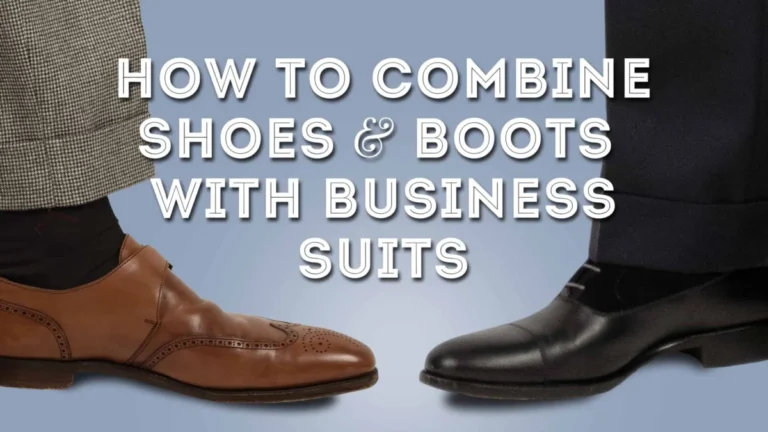
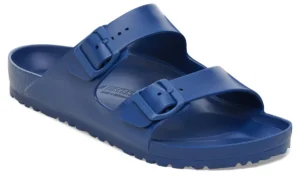
Leather dress shoes are essential. Oxfords, Derbies, and elegant loafers are all appropriate. Avoid sneakers, sandals, or overly casual boots. Accessories like pocket squares, cufflinks (especially with French cuffs), and a refined watch complete the ensemble, adding polish and personality. The selection of socks should also be considered, offering an opportunity to subtly inject color or pattern.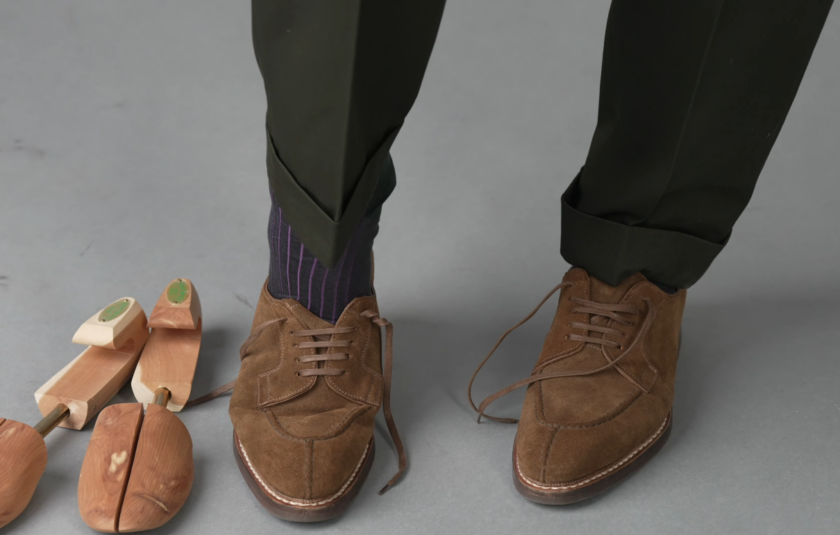
Real-World Application: Diverse Interpretations of Semi-Formal
To illustrate the versatility and personal expression inherent in the semi-formal dress code, leading menswear experts frequently showcase distinct ensembles tailored to various contexts. Here, we examine several approaches that demonstrate how careful consideration of fabrics, colors, and accessories can create truly dapper looks.
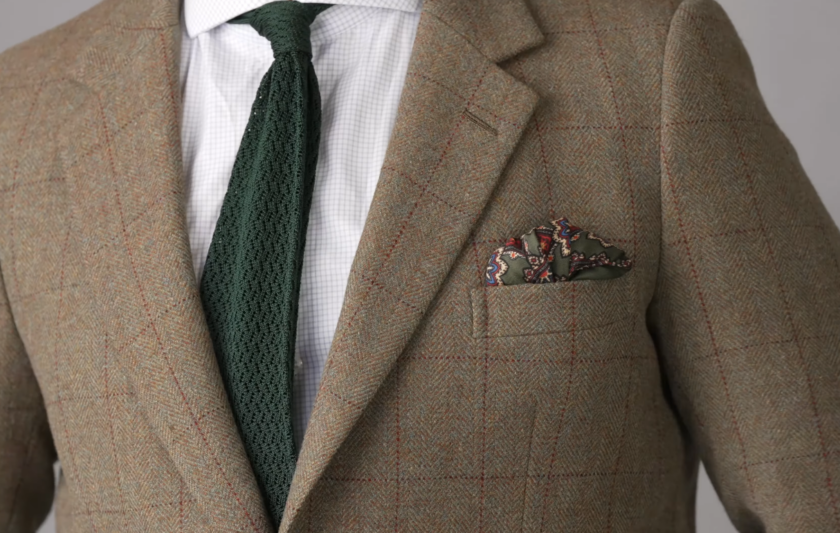
Outfit #1: The Cold-Weather Tweed & Tailored Chinos (Raphael’s Approach)
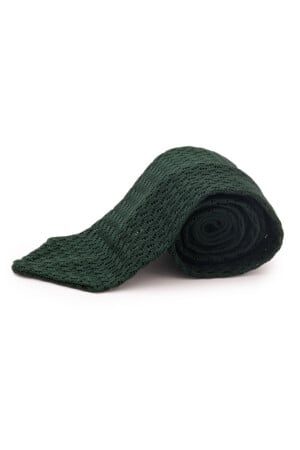
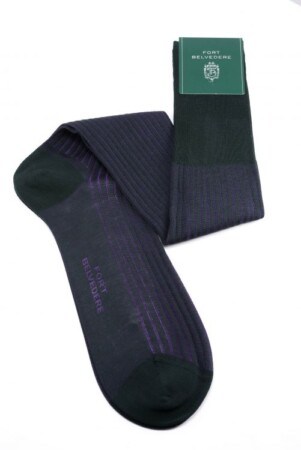
For a wedding in colder months, the goal is often warmth without sacrificing elegance. One expert’s choice of a heavily textured tweed jacket with a large windowpane pattern, paired with dark green chinos, exemplifies this. The rich color depth of the tweed immediately signals a departure from standard corporate wear. Complementary Fort Belvedere over-the-calf socks in dark green and purple, paired with brown suede Norwegian Derby shoes from Maftei in Vienna, add intentionality through texture and color harmony. A custom light blue micro-check dress shirt with French cuffs from Venturini in Vienna, adorned with unique eagle cufflinks, provides a crisp base. The ensemble is completed with a dark green zigzag silk knit tie and a silk-wool pocket square that subtly blends colors from the shirt and jacket. This look masterfully combines rugged elegance with refined details, perfect for a rustic yet upscale fall or winter venue.
Outfit #2: The Royal Blue Spring Suit (Preston’s Approach)
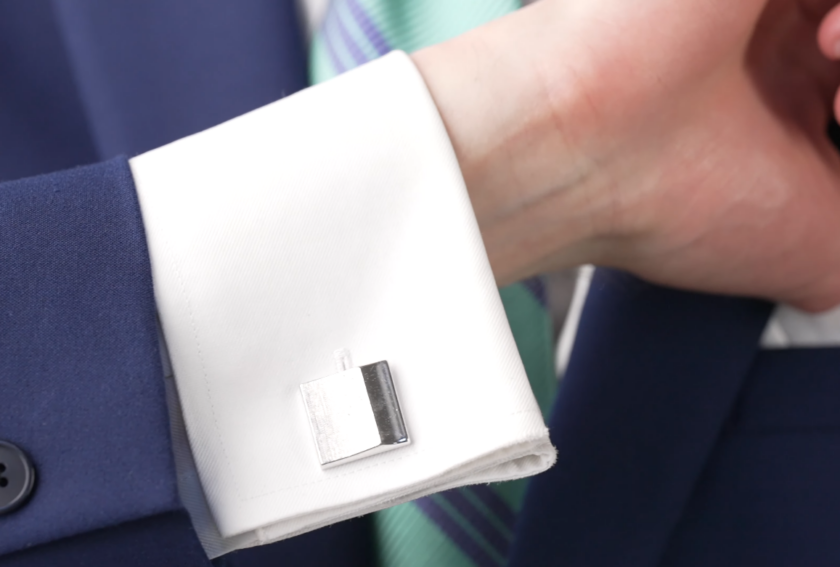
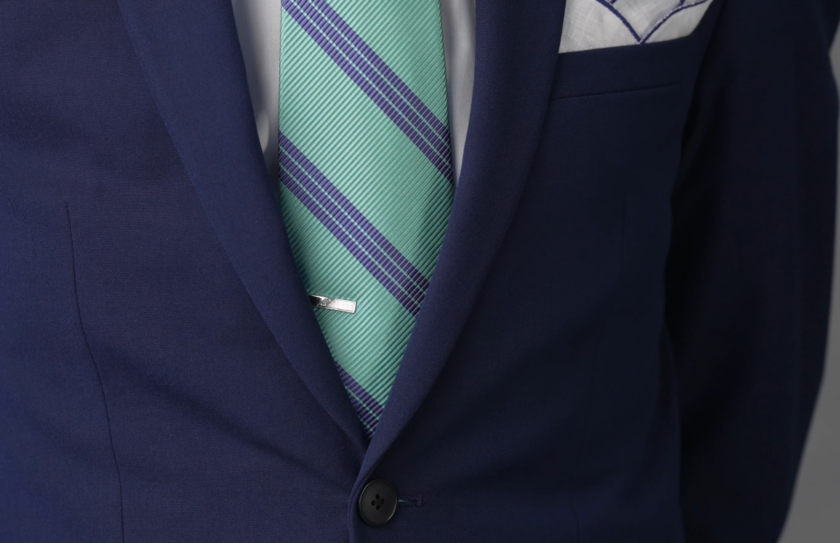
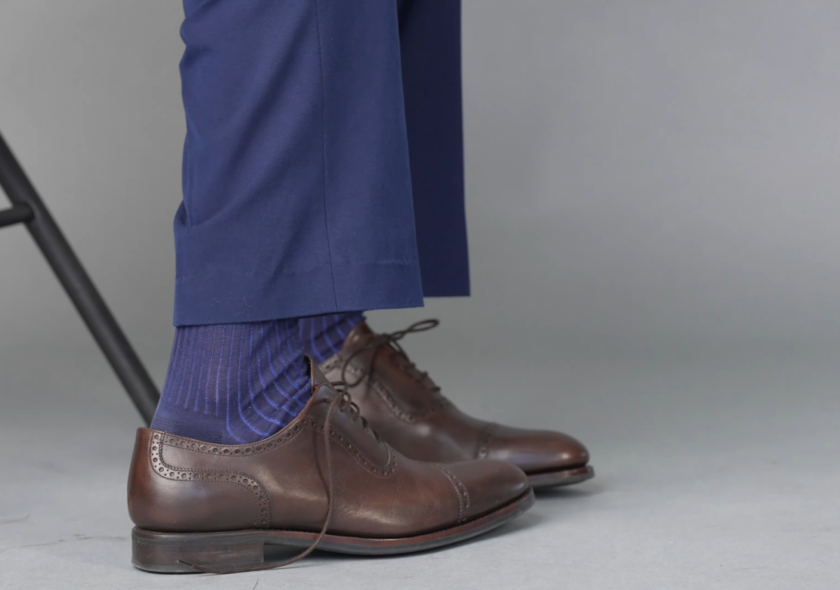
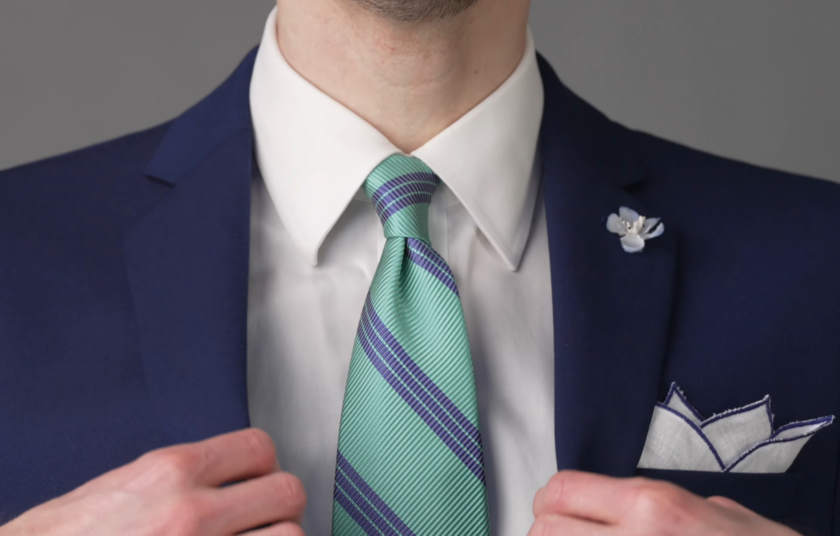
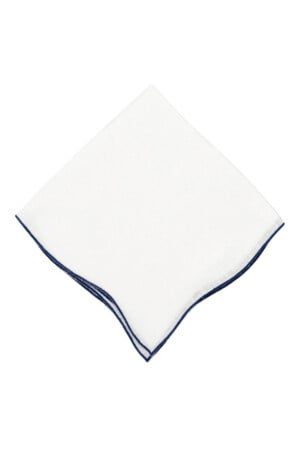
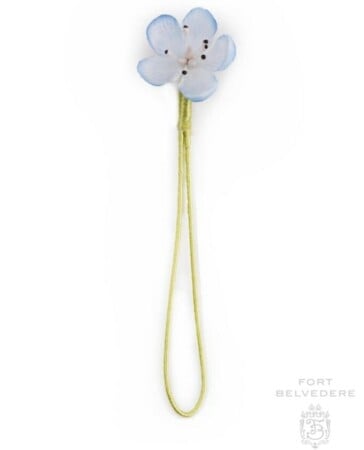
Bridging the gap between business and cocktail attire, a royal blue suit offers a vibrant yet sophisticated option for spring or summer weddings. The subtle hint of playfulness in the royal blue, as opposed to a traditional navy, makes it distinctly celebratory. Grounding the outfit is a classic white French cuff shirt, elevated by vintage silver-toned cufflinks and a harmonizing tie bar. Dark brown Adelaide-styled Oxfords maintain a formal foundation. A bright turquoise striped tie, a vintage Robert Talbott piece, adds a pop of color that complements the suit without overwhelming it. A white linen pocket square with a blue wave edge and a light blue Veronica Persica boutonnière from Fort Belvedere inject personality and a refined touch. This ensemble is ideal for traditional church weddings or elegant city receptions, balancing classic formality with a modern, fresh appeal.
Outfit #3: The Dark Evening Silk & Moleskin (Jack’s Approach)
Drawing inspiration from sophisticated cinematic style, a dark, textured ensemble offers an elegant solution for evening semi-formal events. A base of black and white shadow-striped socks with dark brown moleskin trousers provides a foundation of rich texture. A plain white Suitsupply shirt with a pleasing collar and single cuff maintains classic crispness. The footwear, black cap-toe Oxfords from George Cleverley’s Kingsman collection, with their elongated toe and narrow waist, exude formal elegance. The choice of a black dupioni silk jacket, with its natural slubby texture, prevents the outfit from appearing too much like a standard dinner jacket, making it distinctively social. A silver wedding tie with a black and white micro-pattern (a vintage Ralph Lauren Purple Label piece) and a white linen pocket square with a hand-crocheted edge add subtle refinement. A vintage J.W. Benson yellow gold manual-wind watch with a dark brown lizard-skin strap completes this luxurious, evening-appropriate look.
Outfit #4: The Classic Navy with Cohesive Green Accents (A Versatile Option)
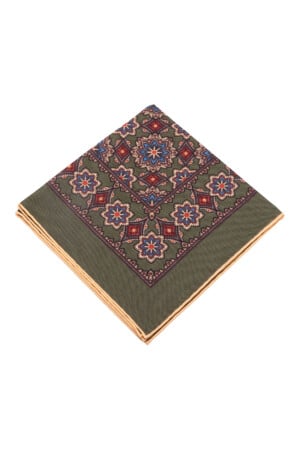
A timeless navy suit remains a cornerstone of semi-formal attire, offering unparalleled versatility. To elevate it from business wear, consider a subtle patterned navy fabric, such as a bird’s-eye weave or a faint micro-check. Pair this with a crisp white or pale blue dress shirt. The intentionality comes through in the accessories: a rich hunter green silk knit tie provides textural interest and a complementary color. A coordinating moss green geometric medallion silk-wool pocket square reinforces the theme. Dark brown cap-toe Oxfords with subtle brogue detailing relax the formality slightly, making it appropriate for a celebration. Dark green and purple shadow stripe socks add a hidden pop of color and personality. This combination works exceptionally well year-round, suitable for various wedding settings, from garden parties to more traditional venues.
Outfit #5: The Reimagined Pinstripe Suit (Kyle’s Approach)
Traditionally associated with corporate settings, the pinstripe suit can be recontextualized for a semi-formal wedding with strategic styling. A two-piece navy blue pinstripe suit, paired with light gray socks that subtly echo the suit’s stripes, creates a cohesive base. The key lies in the shirt and footwear: a light blue shirt with a contrasting placket immediately shifts the tone away from the boardroom. Crucially, swapping out traditional lace-up Oxfords for elegant dark loafers injects a relaxed, yet refined, social vibe. A sky blue two-tone linen pocket square with a pale blue hand-rolled X-stitch edge from Fort Belvedere adds a final touch of thoughtful detailing. This ensemble demonstrates how conventional garments can be transformed into a stylish, relaxed, and highly social outfit suitable for city weddings, modern gallery venues, or chic cocktail lounge receptions.
Navigating Common Pitfalls: What NOT to Wear to a Semi-Formal Wedding

Understanding what to avoid is as critical as knowing what to wear. A sartorial misstep can convey disrespect to the hosts. Guests should steer clear of these common semi-formal mistakes:
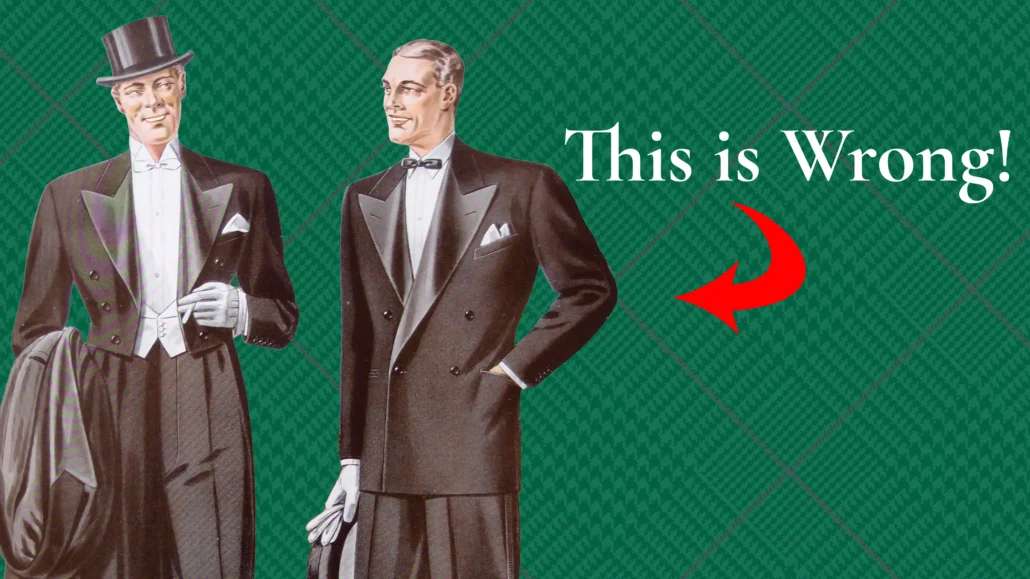
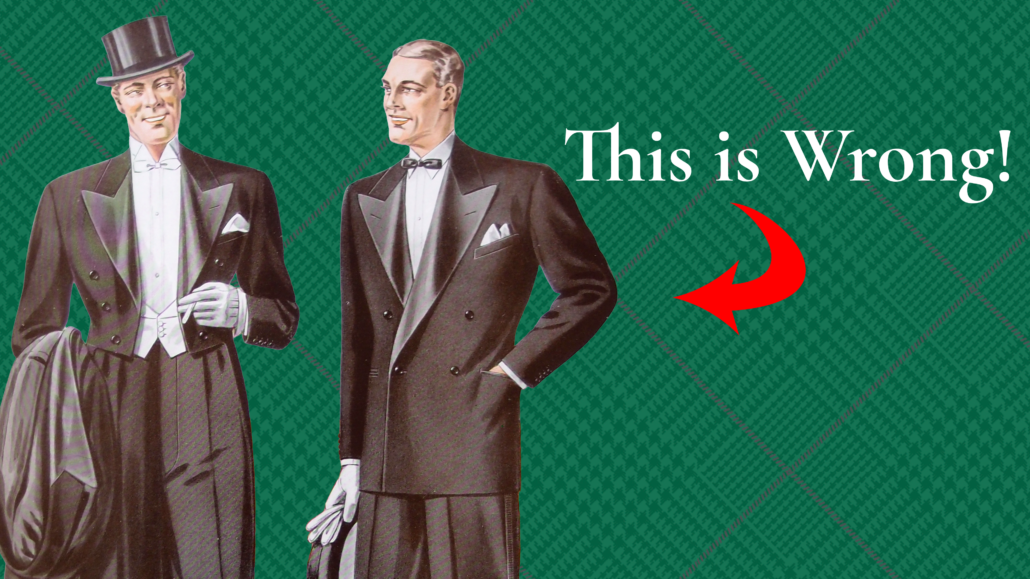
- Tuxedos: These are reserved for "Black Tie" or "White Tie" events. Wearing a tuxedo to a semi-formal wedding is over-dressing and can make you appear out of touch with the requested dress code.
- Casual Wear: This includes denim of any kind, shorts, t-shirts, polo shirts, casual sneakers, flip-flops, or overly distressed clothing. These items are inherently too informal for a wedding.
- Athletic Wear: Sports jerseys, hoodies, tracksuits, or any activewear are completely inappropriate.
- Overly Flashy or Neon Colors: While personal expression is encouraged, avoid colors or patterns that are excessively bright, distracting, or might draw undue attention away from the couple.
- Ill-fitting Clothing: Regardless of the quality or expense of an item, if it doesn’t fit well (too baggy, too tight, too long, too short), it detracts significantly from the overall presentation.
- Unpolished Shoes: Scuffed, dirty, or worn-out shoes can ruin an otherwise perfect outfit. Ensure all leather shoes are cleaned and polished.
- An All-Black Ensemble: While black suits are acceptable, an entirely black outfit (black suit, black shirt, black tie) can appear overly somber, resembling funeral attire, or too much like nightclub wear. If opting for a black suit, introduce a crisp white shirt, a textured or subtly colored tie, and a pocket square to lighten the mood.
The Broader Significance: Beyond the Fabric
Dressing appropriately for a semi-formal wedding extends beyond mere aesthetics; it is a fundamental act of respect. By adhering to the dress code, guests demonstrate consideration for the couple’s special day, the effort they’ve put into planning, and the significance of the milestone. It also reflects positively on the guest themselves, projecting an image of confidence, social awareness, and attention to detail. In a world where casualization has become increasingly prevalent, the semi-formal dress code offers an opportunity to embrace elegance and tradition, reinforcing the idea that certain occasions warrant a heightened level of personal presentation.
Expert Consensus and Future Trends
Fashion experts widely agree that the semi-formal dress code will continue to be a popular choice for weddings due to its inherent flexibility and elegant appeal. The trend is moving towards more personalized interpretations, allowing individuals to infuse their unique style while remaining within the bounds of decorum. The emphasis remains on quality fabrics, impeccable fit, and thoughtful accessorizing. As sustainability in fashion gains traction, investing in versatile, high-quality pieces that can be mixed and matched for various semi-formal occasions is also becoming a key consideration for the discerning gentleman.
Conclusion
Dressing for a semi-formal wedding need not be a source of anxiety but rather an opportunity for sophisticated self-expression. By embracing quality fabrics, selecting appropriate color palettes for the season and time of day, and utilizing elegant accessories like ties, pocket squares, cufflinks, and refined footwear, any gentleman can confidently elevate his look beyond everyday business wear. The golden rule remains steadfast: dress with intentionality, showing utmost respect for the occasion and the happy couple, without ever attempting to upstage them.
Frequently Asked Questions
What do guests wear to a semi-formal wedding?
Guests should typically wear a dark or mid-tone suit (navy, charcoal, dark brown, or deep green) or a highly tailored blazer and complementary dress trousers. This should be paired with a collared dress shirt (white or light blue are classic), leather dress shoes (Oxfords, Derbies, or elegant loafers), and a necktie. Accessories like pocket squares and cufflinks are encouraged to add a celebratory touch.
What does a semi-formal dress code for a wedding mean?
It signifies an elegant event that requires polished attire, positioning it above business casual but below the strictness of Black Tie. The hosts expect guests to dress respectfully for a significant celebration, but they do not require formalwear such as a tuxedo.
What should men explicitly not wear to a semi-formal wedding?
Avoid tuxedos, denim, sneakers, casual boots, polo shirts, t-shirts, shorts, sandals, and anything overly flashy, neon, or distressed. Ill-fitting clothing and unpolished shoes should also be avoided.
What colors are best for semi-formal attire?
For evening or winter weddings, opt for darker, richer colors such as navy, charcoal gray, dark brown, or deep forest green. For daytime or summer events, lighter tones like medium gray, tan, or lighter blues are suitable, often with darker accessories to maintain formality.
Does a semi-formal invitation mean I must wear a suit?
While a full, well-tailored suit is the safest and most traditional choice, it is not always strictly mandatory. A sharply tailored sports coat or blazer paired with complementary tailored trousers (e.g., moleskin, flannel, or high-quality wool dress pants) can be entirely acceptable, especially if accessorized thoughtfully.
Is it acceptable to wear an all-black outfit to a semi-formal wedding?
An all-black ensemble (black suit, black shirt, black tie) can often appear too somber, resembling funeral attire, or too much like nightclub wear. If choosing a black suit or jacket, it is best to break it up with a crisp white or light-colored shirt, a textured or subtly patterned tie, and an elegant pocket square to ensure the mood remains festive and celebratory.
Is it considered rude to not wear a suit or appropriate semi-formal attire to a wedding?
Yes, if the invitation explicitly states "Semi-Formal" and you arrive in overly casual attire like jeans, sneakers, or an untucked shirt, it is generally considered disrespectful to the hosts. It indicates a lack of consideration for their specific request and the significance of their special day.