








The New York City Ballet (NYCB) convened its annual Spring Gala last night at the David H. Koch Theater at Lincoln Center, marking a significant intersection of performing arts, haute couture, and philanthropic leadership. The evening served as a centerpiece for the 2026 spring season, highlighting the company’s dual commitment to preserving the neoclassical heritage of George Balanchine and fostering contemporary choreographic voices. The gala program was anchored by two major presentations: the world premiere of Principal Dancer Tiler Peck’s Symphonie Espagnole and a revival of Balanchine’s seminal three-act ballet, Jewels. Beyond the stage, the event emphasized the enduring relationship between the fashion industry and the world of dance, exemplified by the presence of Gala Host Committee member Diane Kruger and a curated selection of costume designs that bridged the gap between the runway and the proscenium.
A Dual Celebration of Choreography and Costume Design
The 2026 Spring Gala focused heavily on the visual language of dance, specifically how costumes inform movement and narrative. The world premiere of Symphonie Espagnole represented a pivotal moment for Tiler Peck, who has increasingly expanded her repertoire from world-class dancing to choreography. For this production, Peck collaborated with renowned designer Robert Perdziola. Perdziola, whose career spans opera, theater, and dance, created a visual palette intended to complement the rhythmic complexities of Édouard Lalo’s score. Observers noted that the costumes were designed to emphasize the fluidity of the dancers’ lines while paying homage to the traditional Spanish influences inherent in the music.
The second half of the program featured George Balanchine’s Jewels, a work that has remained a cornerstone of the NYCB repertoire since its premiere in 1967. Jewels is widely regarded as the first full-length abstract ballet, with its three movements—Emeralds, Rubies, and Diamonds—representing the French, American, and Russian schools of ballet, respectively. Central to the legacy of this work are the original costume designs by Barbara Karinska. Karinska, a longtime collaborator of Balanchine and the only costume designer ever to receive a credit on a New York City Ballet playbill, utilized distinct color palettes and textures for each movement: soft green tulle for the romanticism of Gabriel Fauré, vibrant red for the jazzy athleticism of Igor Stravinsky, and shimmering white for the imperial grandeur of Peter Ilyich Tchaikovsky.
The Intersection of High Fashion and the Arts
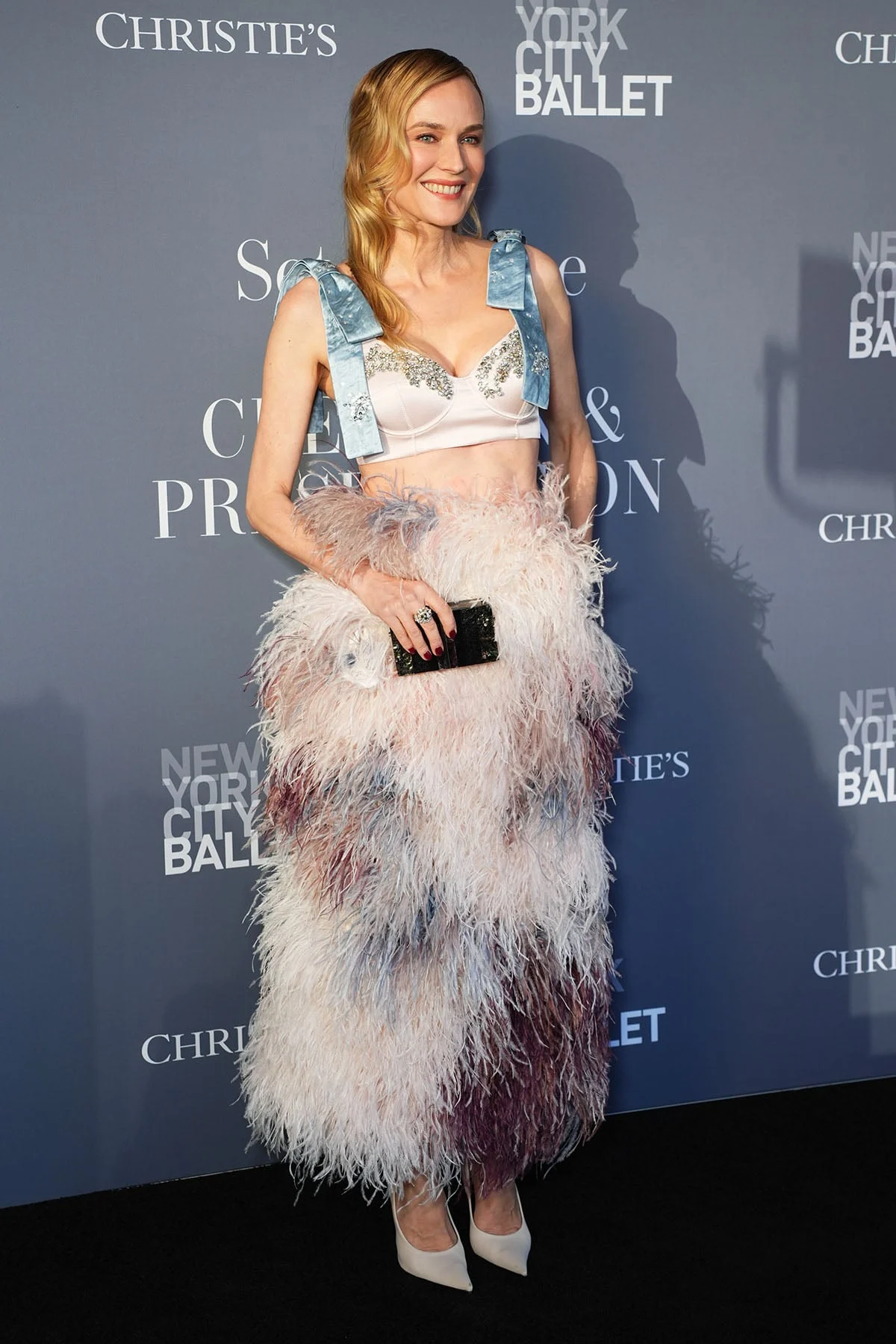
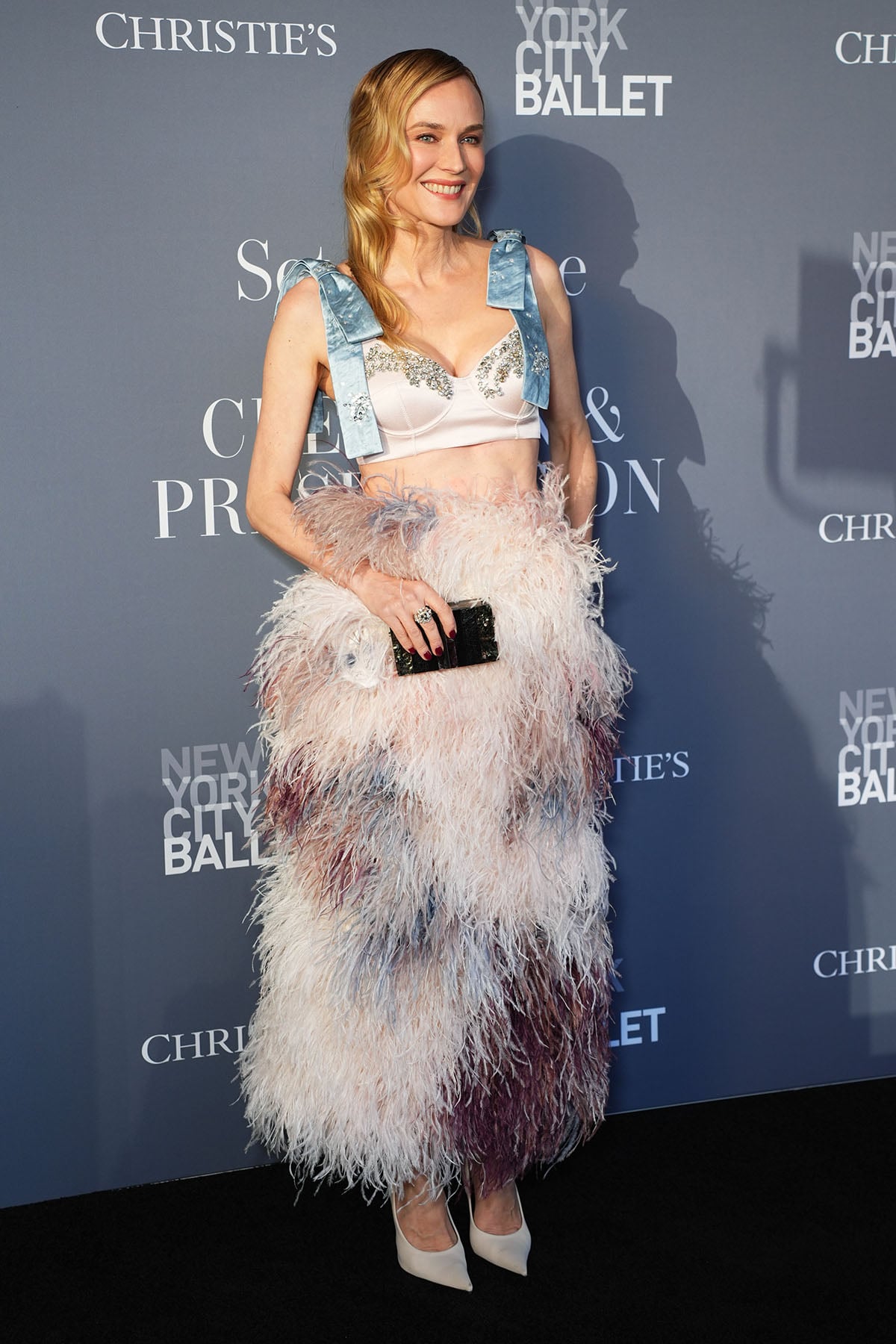
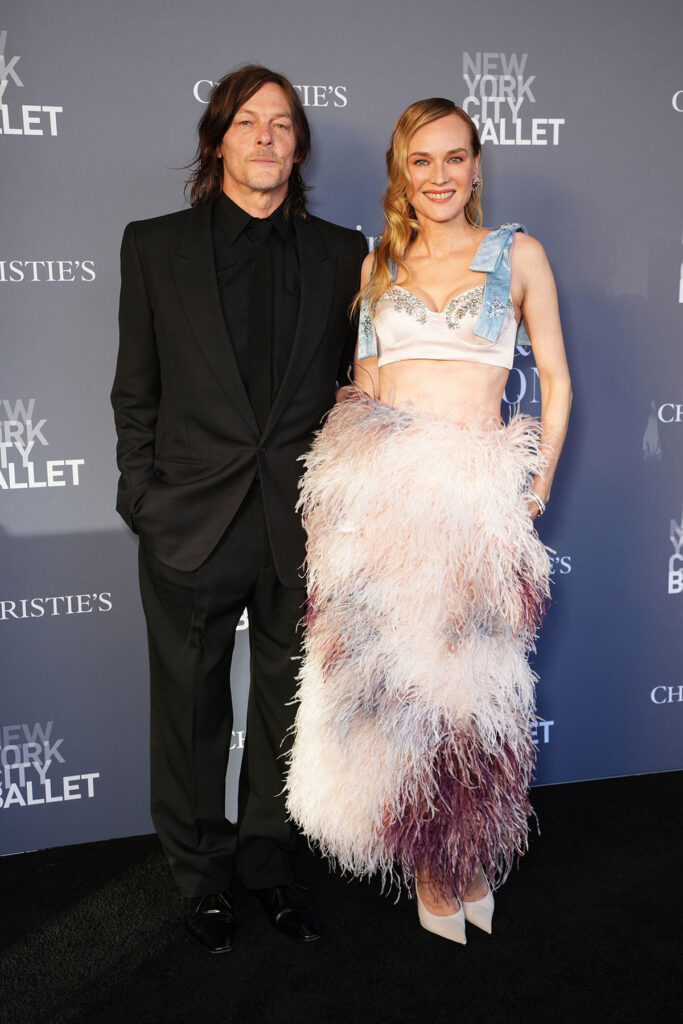
The red carpet served as a prelude to the evening’s artistic themes, with Diane Kruger emerging as a focal point of the event’s fashion narrative. Kruger, a former ballet student herself, has a long-standing history of supporting the performing arts. Her appearance in a look from the Erdem Fall 2026 collection was widely interpreted by industry analysts as a deliberate nod to the "balletcore" aesthetic, albeit executed with a sharper, editorial edge that avoided the clichés of the genre.
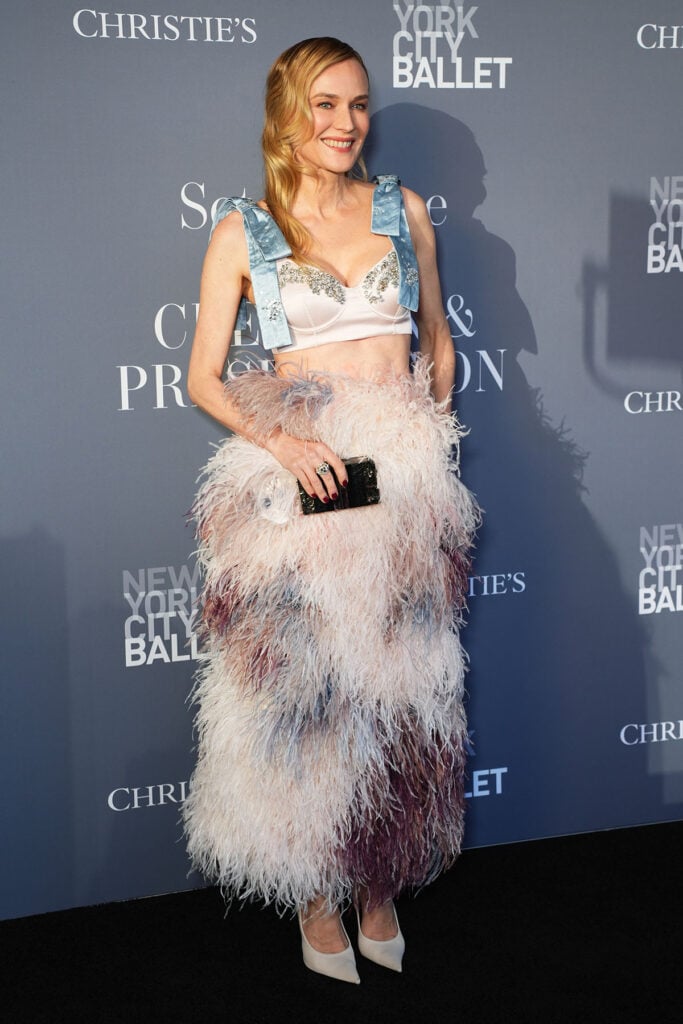
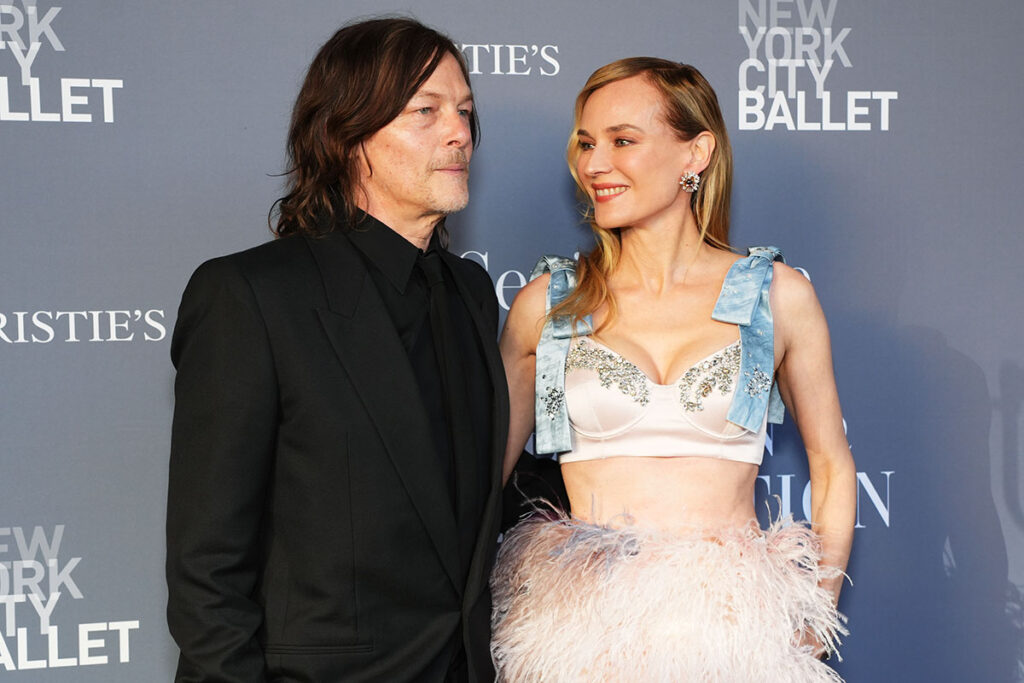
The ensemble consisted of a meticulously embellished bra top adorned with oversized satin bows, paired with a dramatic, voluminous feathered skirt. The choice of Erdem Moralioglu’s design was particularly resonant given the designer’s history of drawing inspiration from historical narratives and theatrical costumes. The feathered texture of the skirt drew immediate comparisons to the ethereal costuming of Les Sylphides, a staple of the Romantic ballet era. This connection between contemporary fashion and classical dance heritage is a recurring theme at NYCB galas, which often seek to attract a younger, fashion-conscious demographic to sustain the company’s donor base.
Technical Analysis of the Gala Ensemble
From a technical standpoint, Kruger’s ensemble represented a departure from the traditional evening gown. The Erdem Fall 2026 collection is characterized by its exploration of texture and silhouette, and this specific look utilized a monochromatic palette to highlight the craftsmanship of the embellishments. While the runway presentation of this look featured feathered footwear, Kruger opted for clean white satin pumps. Fashion critics noted that this choice provided a stabilizing element to a visually busy outfit, ensuring that the focus remained on the structural integrity of the bows and the skirt.
However, the styling was not without its points of debate among attendees and fashion commentators. Some observers suggested that a more architectural updo would have better complemented the high-volume textures of the garment, rather than the loose, lacquered waves Kruger chose. Furthermore, the inclusion of a black clutch was seen by some as a tonal disruption to the otherwise soft, monochromatic scheme of the outfit. Despite these critiques, the overall reception of the look was positive, with Tiffany & Co. jewels providing the necessary sparkle to align with the "Jewels" theme of the evening’s performance.
The Economic and Cultural Significance of the Spring Gala
The Spring Gala remains the most significant fundraising event on the New York City Ballet’s calendar. While official figures for the 2026 event have yet to be released, historical data indicates that these galas typically generate between $2 million and $5 million in a single evening. These funds are critical for the company’s operating budget, which covers dancer salaries, production costs for new commissions, and the maintenance of the extensive Balanchine archives.
The success of the gala is also measured by its ability to foster corporate and celebrity partnerships. The involvement of figures like Kruger and the integration of high-fashion brands like Erdem and Tiffany & Co. serve to elevate the profile of the company in a competitive cultural landscape. In an era where arts funding faces perpetual uncertainty, the ability of the NYCB to position itself as a lifestyle and fashion destination, as much as a center for technical excellence in dance, is vital for its long-term sustainability.
Chronology of the Evening
The gala followed a traditional but high-impact schedule designed to maximize donor engagement and artistic exposure:
- 6:00 PM – Arrival and Red Carpet: Guests, including members of the New York social elite, fashion designers, and celebrities, arrived at the David H. Koch Theater. This portion of the evening was dedicated to media coverage and the showcasing of the season’s fashion trends.
- 7:00 PM – The Performance: The program commenced with Tiler Peck’s Symphonie Espagnole. This was followed by a brief intermission and the full performance of Jewels. The selection of these two works provided a contrast between the "new" NYCB and the "classical" NYCB.
- 9:00 PM – The Supper Ball: Following the performance, guests moved to the theater’s promenade for a black-tie dinner and dancing. During this time, leadership from the NYCB, including Artistic Director Jonathan Stafford and Associate Artistic Director Wendy Whelan, typically offer remarks regarding the company’s vision and the importance of donor support.
Broader Implications for the Performing Arts
The 2026 Spring Gala occurs at a time when the world of classical dance is undergoing a period of self-reflection. The promotion of Tiler Peck as a choreographer is part of a broader industry trend toward empowering female dancers to take on creative leadership roles, a space historically dominated by men. By giving Peck a platform as prestigious as the Spring Gala world premiere, the NYCB is signaling its commitment to diversifying the voices that shape its repertoire.
Furthermore, the continued relevance of Balanchine’s Jewels underscores the importance of the "museum" aspect of the NYCB. The company must balance the preservation of these masterworks with the need to remain contemporary. The integration of high-fashion elements into the gala experience is a primary tool for this balancing act. It allows the company to honor the past—specifically the genius of Karinska—while remaining relevant to the modern aesthetic sensibilities of the 2020s.
As the 2026 spring season continues, the impact of the gala will likely be felt in increased ticket sales and a heightened social media presence. The images of Diane Kruger in Erdem and the news of Peck’s successful premiere serve as powerful marketing tools, reaching audiences far beyond the confines of the Lincoln Center campus. The NYCB’s ability to merge the technical rigors of ballet with the glamour of the fashion world ensures that it remains a cornerstone of New York City’s cultural identity.
In conclusion, the New York City Ballet 2026 Spring Gala was more than a social gathering; it was a calculated and successful demonstration of the company’s artistic vitality and institutional strength. Through the lens of costume design and the presence of international style icons, the event reaffirmed that the future of ballet is inextricably linked to its ability to collaborate across different artistic disciplines. As the company looks toward its next decade, the success of evenings like this provides a blueprint for how classical institutions can thrive in a modern, fast-paced cultural economy.