









The annual Costume Institute Benefit at the Metropolitan Museum of Art, colloquially known as the Met Gala, remains the preeminent intersection of global celebrity culture, archival preservation, and high-stakes luxury marketing. The 2024 event, themed "Sleeping Beauties: Reawakening Fashion" with the official dress code "The Garden of Time," saw a convergence of historical reverence and modern innovation. From the reappearance of archival Chanel silhouettes to the avant-garde structures of Robert Wun, the evening served as a comprehensive display of the current state of the fashion industry. The event not only serves as a fundraiser for the Metropolitan Museum of Art’s Costume Institute but also acts as a primary driver of Media Impact Value (MIV) for the world’s leading luxury houses.
The Strategic Dominance of Legacy Houses
The red carpet was anchored by established fashion houses, most notably Chanel and Dior, which utilized their global ambassadors to reinforce brand identity. Chanel maintained a significant presence, dressing a diverse cohort that spanned generations of Hollywood and the music industry. Nicole Kidman appeared in a recreation of a 1950s Balenciaga-inspired Chanel couture gown, a nod to the theme’s focus on historical revival. This was complemented by the presence of Margot Robbie and Ayo Edebiri, both of whom have become central figures in the brand’s modern narrative.
The inclusion of K-pop sensation Jennie and singer-songwriter Gracie Abrams in Chanel further illustrated the brand’s strategy of bridging the gap between legacy luxury and Gen Z appeal. According to industry analysts, the participation of K-pop idols like Jennie often results in the highest social media engagement metrics of the night, frequently outpacing traditional Hollywood stars in terms of digital reach.
Similarly, Dior leveraged its long-standing relationships with high-profile figures. Sabrina Carpenter and Jisoo represented the brand’s feminine, structured aesthetic, while Karlie Kloss brought a high-fashion editorial sensibility to the house’s offerings. The presence of these figures underscores the importance of "ambassadorship" in contemporary fashion, where the relationship between the house and the muse is as much a commercial contract as it is an artistic collaboration.
The Rise of Robert Wun and Independent Visionaries
One of the most notable shifts during the 2024 gala was the prominence of independent and avant-garde designers, particularly Robert Wun. The London-based designer dressed three major figures: Lisa of Blackpink, tennis champion Naomi Osaka, and musical artist Audrey Nuna. Wun’s designs, characterized by their structural complexity and narrative-driven silhouettes, aligned seamlessly with the "Garden of Time" theme.
Lisa’s appearance in Robert Wun Couture was particularly significant, marking a departure from her usual associations and highlighting the designer’s growing influence in the highest echelons of couture. The choice of Wun by Osaka and Nuna further solidified the designer’s reputation for dressing women who prioritize bold, architectural statements over traditional red-carpet glamour.
Other independent voices also made substantial impacts. Yseult appeared in a striking ensemble by Harris Reed, a designer known for challenging gender norms and traditional silhouettes. Louisa Jacobson chose a creation by Dilara Fındıkoğlu, a designer who has gained a cult following for her subversive take on historical dress. These choices indicate a growing appetite among celebrities and stylists for "niche" luxury that offers a more distinct identity than the standardized looks often produced by major conglomerates.
Chronology of the Event and Arrival Strategy
The Met Gala red carpet is a meticulously choreographed sequence that begins in the late afternoon and extends into the evening. The arrival order is often dictated by a combination of celebrity status, brand priority, and logistical requirements.
- Early Arrivals and Co-Chairs: The evening typically begins with the event’s co-chairs and the hosts of the livestream, setting the tone for the theme.
- The Rise of the "Indies": Mid-evening arrivals often include the "breakthrough" stars and designers like Chase Infiniti in Thom Browne or Rachel Sennott in Marc Jacobs. These looks often push the boundaries of the theme to garner early social media traction.
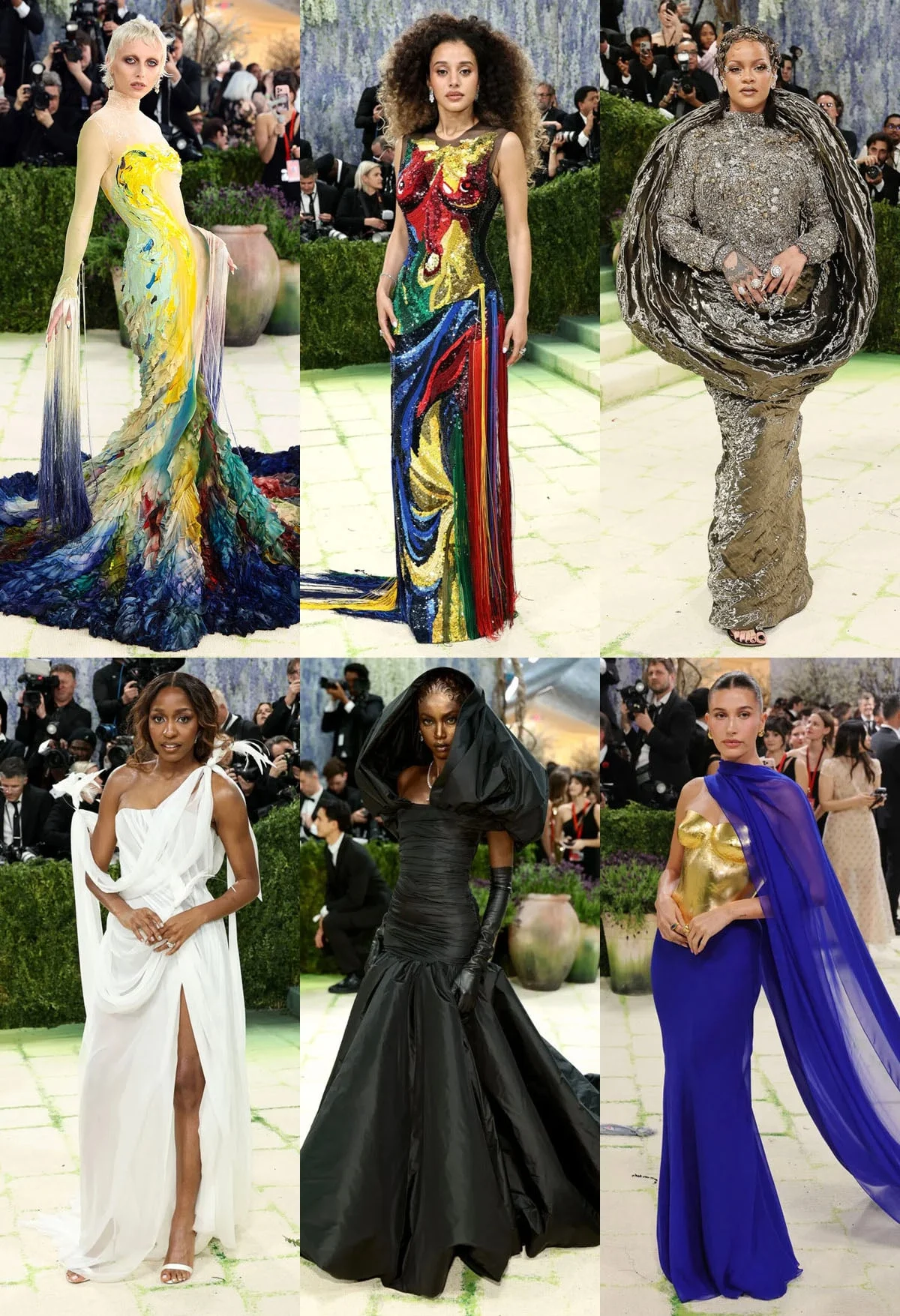
- The Supermodel Surge: Figures like Anok Yai in Balenciaga and Paloma Elsesser in Bureau of Imagination arrived during the peak viewing window, showcasing the technical prowess of their respective designers.
- The Power Hour: The final hour of the carpet is reserved for the most influential figures in the industry. This included Rihanna in a voluminous Maison Margiela Artisanal look by John Galliano, a choice that was widely anticipated due to Galliano’s recent "reawakening" in the fashion world following his acclaimed January couture show.
- The Finale: The evening concluded with appearances by icons such as Madonna in Saint Laurent and the Jenner sisters. Kendall Jenner’s choice of a Zac Posen for Gap ensemble provided a rare moment of "high-low" collaboration, while Kylie Jenner’s Schiaparelli Haute Couture look reinforced the house’s current status as a red-carpet powerhouse.
Supporting Data and Economic Impact
The Met Gala is not merely a social gathering; it is a critical economic engine for the Metropolitan Museum of Art. In 2023, the event raised approximately $22 million, and early estimates suggest the 2024 gala met or exceeded this figure. Ticket prices for the event have risen to an estimated $50,000 to $75,000 per person, with tables starting at $300,000, typically paid for by fashion houses that invite celebrity guests as their representatives.
Beyond direct fundraising, the MIV generated by the event is unparalleled. For brands like Saint Laurent—which dressed Madonna, Hailey Bieber, and Charli XCX—the global exposure equates to tens of millions of dollars in traditional advertising spend. Hailey Bieber’s Saint Laurent ensemble, in particular, trended globally within minutes of her arrival, illustrating the immediate ROI for brands associated with high-engagement celebrities.
Artistic Analysis of the "Garden of Time"
The 2024 theme encouraged a focus on the ephemeral nature of fashion. This was interpreted through two primary lenses: the literal floral and botanical motifs and the more philosophical concept of "decay and preservation."
Gwendoline Christie’s appearance in Giles Deacon and Anne Hathaway’s Michael Kors Collection gown both played with texture and volume to evoke a sense of timelessness. Meanwhile, Emma Chamberlain’s choice of Mugler provided a darker, more industrial interpretation of the theme, suggesting the "time" aspect of the dress code through a lens of futurism rather than the past.
Tessa Thompson’s Valentino look and Ciara’s Celia Kritharioti gown leaned into the romanticism of the garden, utilizing intricate embroidery and floral structures. These garments required hundreds of hours of manual labor, highlighting the "Artisanal" aspect of the exhibition, which Rihanna’s Maison Margiela look also championed.
Official Responses and Industry Implications
While the Metropolitan Museum of Art does not issue formal critiques of the red carpet, Andrew Bolton, the Wendy Yu Curator in Charge of the Costume Institute, has frequently stated that the gala’s purpose is to make fashion accessible as a legitimate art form. The 2024 red carpet successfully translated the complex themes of the "Sleeping Beauties" exhibition—which features garments too fragile to ever be worn again—into a living display of modern craft.
Designers have voiced the importance of this platform for their business. For a brand like Robert Wun, dressing three major stars provides a level of visibility that can transform an independent label into a global brand. For legacy houses, the gala is an opportunity to prove their continued relevance in a rapidly changing cultural landscape.
The broader implications of the 2024 Met Gala suggest a continued shift toward "archival" fashion. Many attendees opted for vintage pieces or recreations of historical designs, reflecting a growing industry-wide concern with sustainability and the preservation of fashion history. As luxury consumers become more interested in the provenance of their clothing, the Met Gala’s focus on "reawakening" old garments serves as a high-profile endorsement of the circular fashion economy.
In conclusion, the 2024 Met Gala was a testament to the enduring power of the red carpet as a site of cultural and economic significance. Through the strategic use of brand ambassadors, the elevation of independent designers, and a deep engagement with historical themes, the event reaffirmed its position as the ultimate showcase for the global fashion industry. From the sleek Saint Laurent lines of Charli XCX to the intricate Swarovski detailing on Ejae, the evening provided a comprehensive overview of the aesthetic and commercial trends that will define the coming year in luxury.