







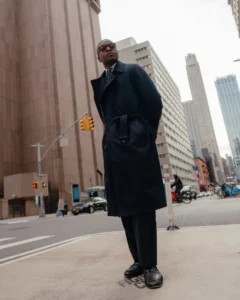



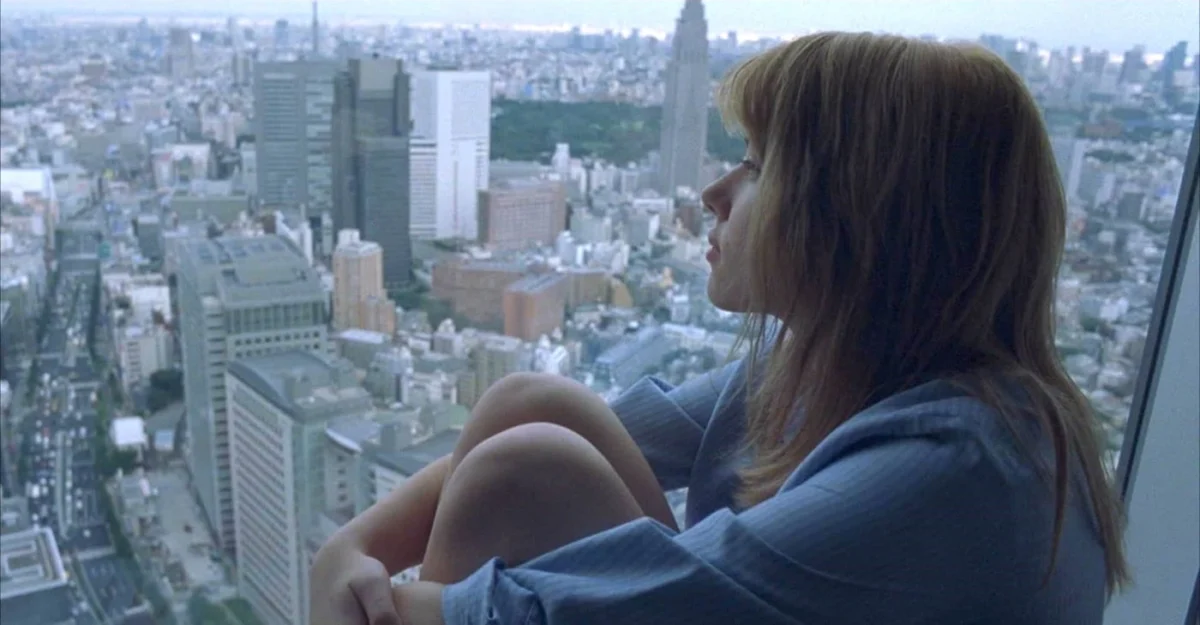
For centuries, the prevailing wisdom dictated that true recuperation and robust health could only be found far from the bustling confines of urban life. The romanticized ideal of wellness has long been intertwined with pastoral landscapes, serene mountain retreats, and the tranquil quiet of nature, a belief deeply embedded in cultural narratives from Victorian literature to contemporary wellness marketing. Works like Charles Dickens’ Bleak House and Louisa May Alcott’s Little Women often feature characters seeking restorative solace away from the city’s perceived ills. Historically, medical advice frequently prescribed retreats to seaside towns or mineral springs, cementing the notion that nature possessed unique curative powers essential for convalescence. This enduring paradigm continues to shape the modern wellness industry, where the aspirational image of well-being is often depicted through cedar saunas nestled in Scandinavian forests, exclusive longevity clinics in sun-drenched Ibiza, or minimalist cabins dotting the Oxfordshire countryside—all experiences predicated on a deliberate escape from the urban environment.
This traditional perspective, however, presents a significant disconnect with the daily realities of millions globally. For the vast majority navigating daily commutes, demanding careers, and the relentless pace of city living, the idea that genuine wellness necessitates an escape to a remote, idyllic setting is not only impractical but often financially prohibitive. Despite an explosion of innovation in health and wellness sectors, and a heightened collective health consciousness spurred by global events like the COVID-19 pandemic, the fundamental approach to achieving well-being appears largely unchanged. The rigid script of "wellness-as-escape" persists, leading to a critical question: Is city life truly incompatible with achieving profound well-being, or is it time to redefine how we pursue health in the very spaces we inhabit?
Historical Context: The Genesis of the "Escape to Heal" Narrative
The notion that cities were inherently detrimental to health gained significant traction during the Industrial Revolution. Rapid urbanization led to overcrowded tenements, rampant pollution, and the spread of infectious diseases, painting a stark picture of urban squalor and ill health. Medical understanding of the time, coupled with a growing Romantic movement idealizing nature, solidified the belief that the countryside offered purer air, cleaner water, and a more wholesome environment conducive to healing. Sanatoriums emerged as specialized institutions, often located in remote, elevated regions, to treat tuberculosis and other respiratory ailments, emphasizing fresh air and natural surroundings. Spa towns, with their mineral-rich waters, became fashionable destinations for the wealthy seeking relief from various complaints, further reinforcing the link between natural settings and therapeutic benefits. This historical narrative established a powerful cultural blueprint, framing the city as a source of stress and sickness, and nature as the ultimate antidote.
The Modern Wellness Industry: A Commercialized Paradox
Today, the global wellness industry is a booming economic force, estimated to be worth over $5.6 trillion in 2022 and projected to grow significantly. This massive market capitalizes on the widespread desire for health, longevity, and mental peace. However, much of this growth is concentrated in high-end, exclusive offerings that echo the historical "escape" narrative. The emphasis on luxury retreats, bespoke longevity programs, and architecturally designed "wellness sanctuaries" perpetuates an image of wellness as an expensive, aspirational commodity.
While these offerings provide tangible benefits for those who can access them, their exclusivity creates a significant barrier for the average individual. Extensive waitlists, membership fees, and price tags soaring into the hundreds or even thousands of pounds per session or stay render these solutions largely inaccessible. This commercialization risks transforming wellness from a fundamental human right into a luxury good, inadvertently exacerbating feelings of inadequacy and stress for those unable to participate in what is often presented as the "ideal" path to well-being. This paradox highlights a critical need to decouple wellness from its commercialized, often elitist, image and explore more inclusive, integrated approaches.
Scientific Foundations: Nature’s Benefits and Urban Adaptations
There is undeniable scientific evidence supporting the health benefits of spending time in nature. A landmark 2019 UK study involving nearly 20,000 participants found that individuals who spent at least 120 minutes a week in green spaces reported significantly better health and higher levels of psychological well-being. Research from UCLA Health and other institutions has linked nature exposure to a stronger immune system, enhanced cognitive function, improved cardiovascular health, better sleep quality, and reduced stress levels. These benefits are often attributed to factors such as reduced exposure to noise and air pollution, increased physical activity, and the psychological restorative effects of natural environments.
However, the crucial insight, often overlooked, is that many of these benefits are not exclusive to pristine wilderness and can be effectively integrated into urban settings. Research from the London School of Economics (LSE) highlights that thoughtful urban planning plays a vital role in shaping mental health outcomes. Key elements include ensuring access to green spaces (parks, community gardens, tree-lined streets), promoting walkability, and creating opportunities for social connection. These findings suggest that cities are not inherently antithetical to well-being but rather offer unique challenges and opportunities for innovative health promotion. The concept of "biophilia"—humanity’s innate tendency to connect with nature—can be actively designed into urban environments, proving that pockets of green, even small ones, can have a profound impact.
Reclaiming Wellness in the Urban Fabric: Expert Perspectives
The evolving understanding of wellness challenges the "escape" dogma, advocating for an integrated approach. Therapist and Self Space founder Jodie Cariss articulates this shift: "There’s a romanticised idea that wellness lives in converted barns, wild swimming lakes and places with better air and fewer emails." Cariss argues that while environment influences our nervous systems positively, cities are not inherently incompatible with well-being. She acknowledges the "noisy, fast, ambitious and relentless" nature of cities but also celebrates their "alive, connected and creative" energy. Her core philosophy suggests that true wellness isn’t about fleeing urban life but about "building nervous system literacy inside it." This means developing coping mechanisms and self-regulation strategies to thrive amidst urban complexity, rather than seeking perpetual refuge.
This sentiment is echoed by Dr. Mikhail, Medical Director of Diagnostic and Longevity at Tramp Health, who champions balance. He asserts that "hedonism is far from incompatible with wellness," emphasizing that "a few more years on this planet is not a good enough trade-off for a life without enjoyment." This perspective underlines the importance of integrating pleasure, social interaction, and personal fulfillment into a holistic definition of well-being, rather than viewing them as indulgences that detract from health goals.
Urban planners and public health officials are increasingly recognizing their critical role in fostering city-based wellness. Concepts like the "15-minute city," where essential services, green spaces, and community hubs are accessible within a short walk or bike ride, exemplify a growing commitment to designing healthier urban environments. By prioritizing pedestrian infrastructure, expanding public parks, and encouraging mixed-use developments, cities can intrinsically weave wellness into their very fabric, making health an organic outcome of urban living rather than a separate pursuit.
Innovations in City-Based Wellness: From Exclusive to Accessible
In response to the growing demand for urban wellness solutions, a diverse ecosystem of services has emerged within cities. High-end brands like Neko Health, launched in 2024, offer comprehensive full-body health scans and GP consultations, aiming for early detection of risk factors. Wellness social clubs, such as London’s Mission and New York’s Othership, provide a luxurious array of services including cryotherapy, flotation tanks, and advanced recovery modalities. Even established nightlife venues, like London’s iconic Tramp, have diversified, opening health and wellness clubs offering IV therapy, hyperbaric oxygen, and red light therapy. These initiatives represent a concerted effort to bring the advanced offerings of destination retreats into the heart of the city, catering to a clientele seeking convenience alongside cutting-edge health solutions.
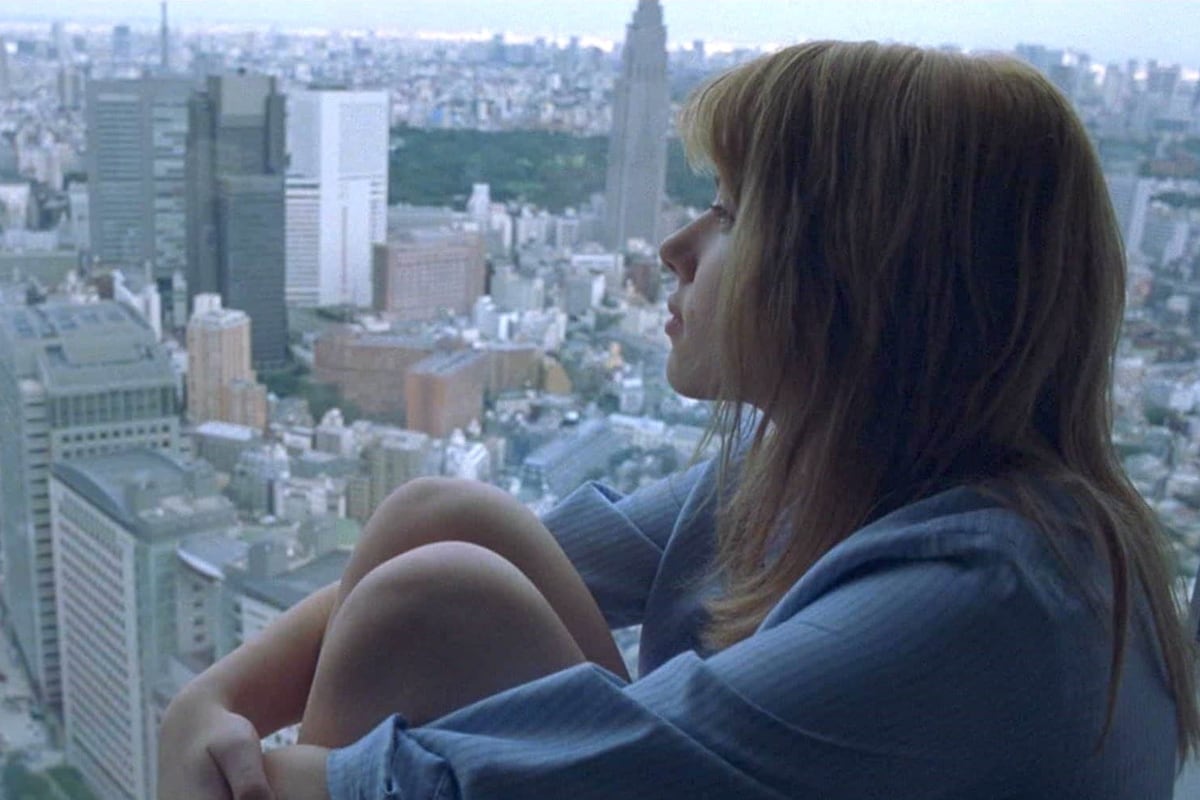
However, the challenge of accessibility remains paramount. The prohibitive costs and membership structures of many premium urban wellness offerings mean that they risk mirroring the exclusivity of rural retreats, limiting their impact to a privileged few. This disparity underscores the urgent need for more equitable wellness solutions that can benefit a broader spectrum of urban dwellers.
Fortunately, a robust network of accessible and community-focused initiatives also thrives within cities. Public parks, often described as the "lungs" of a city, provide vital green spaces for exercise, relaxation, and social interaction. Programs like those offered by the Sivananda Yoga Centre in Putney, which provides free yoga sessions every weekend, democratize access to mind-body practices. Peckham’s Community Sauna Bath exemplifies a model of inclusive wellness, offering concession pricing starting from just £5 to those facing financial barriers, fostering a sense of shared well-being.
Furthermore, community-led initiatives play a critical role in promoting mental health through social connection. The Black-founded birdwatching collective Flock Together offers a unique blend of nature engagement and communal support, while the Feminist Library in Peckham provides a vital hub for connection and shared identity. These examples highlight that cities, with their dense populations and diverse communities, can often offer richer opportunities for social bonding and collective well-being than isolated rural settings.
Beyond Green Spaces: The Multifaceted Benefits of Urban Living
While green spaces are important, the benefits of urban living extend far beyond them. Cities are hubs of social activity, cultural engagement, and intellectual stimulation, all of which contribute significantly to overall well-being. Opportunities for socializing and nightlife, when enjoyed in moderation, are crucial for mental and even physical health. Dancing, for instance, has been scientifically proven to alleviate symptoms of depression and enhance social bonding. The vibrant arts scenes, diverse culinary offerings, and endless opportunities for learning and personal growth found in cities provide cognitive stimulation and a sense of purpose that are vital for a balanced life.
Moreover, many cities are increasingly designed to encourage physical activity through walkable neighborhoods, extensive cycling infrastructure, and public transportation networks that reduce reliance on sedentary commutes. The serendipitous encounters, diverse perspectives, and constant flux of urban life can foster resilience, adaptability, and a deeper understanding of the human experience. The presence of numerous "third spaces"—places outside of home and work where people can gather, socialize, and relax—such as cafes, libraries, and community centers, are foundational to urban social capital and collective well-being.
The Critical Role of Balance and Permission
Ultimately, achieving well-being in the city, or anywhere, hinges on the concept of balance and, crucially, the "permission" to prioritize it. Jodie Cariss observes a pervasive cultural phenomenon where "we’ve normalised exhaustion as evidence of ambition. We wear burnouts like a badge. Rest has to be earned and being calm can feel indulgent." This societal pressure to be constantly productive creates a significant barrier to self-care.
The biggest hurdle to well-being in an urban environment isn’t a lack of resources or information, but rather a lack of permission—permission to rest, to admit when one is struggling, and to prioritize internal needs over external pressures. Cariss aptly notes, "Real wellbeing is unphotogenic. It’s having difficult conversations. It’s going to therapy instead of pretending you’re fine." This statement challenges the aestheticized, curated image of wellness often propagated on social media, emphasizing that genuine well-being is often internal, messy, and deeply personal. It cannot be bought or outsourced; it must be cultivated through "small, repeatable acts of self-respect inside the life you already have."
Democratizing Wellness: Policy, Planning, and Community Action
The future of wellness in cities lies in democratizing access and integrating well-being into the very fabric of urban design and policy. This requires a multi-pronged approach involving urban planners, public health officials, community leaders, and individual citizens.
From a policy perspective, city governments can prioritize investment in green infrastructure, ensuring equitable access to parks, urban forests, and community gardens across all neighborhoods. Implementing "complete streets" policies that support walking, cycling, and public transit can naturally integrate physical activity into daily routines. Zoning regulations can encourage mixed-use developments that reduce commute times and foster local commerce and community engagement.
Public health initiatives can focus on mental health literacy, providing accessible therapy services, and supporting community-based programs that address loneliness and social isolation. Educational campaigns can help shift cultural norms around rest, ambition, and self-care, encouraging residents to embrace a more balanced approach to life.
Community action remains vital. Local groups and non-profits can create and sustain accessible wellness programs, from free exercise classes to communal meal initiatives and support groups. These grassroots efforts build social capital and provide vital networks that buffer the stresses of urban life. As Cariss concludes, historically, well-being practices were "communal and accessible shared meals, movement, rest and conversation." These fundamental human needs are arguably more readily available and naturally integrated into the vibrant, diverse tapestry of a bustling city than in an isolated, high-cost rural retreat.
Conclusion: Redefining Wellness for the 21st-Century City
The narrative that wellness is exclusively found in retreating from the city is increasingly outdated and impractical. While nature’s restorative power is undeniable, the modern understanding of well-being points to a more nuanced reality: cities are not inherently incompatible with health but offer unique opportunities and challenges. By embracing thoughtful urban planning, fostering accessible community initiatives, and promoting a cultural shift towards balance and self-compassion, cities can become powerful engines for well-being. The focus is shifting from escape to integration, from wellness as a commodity to wellness as an ongoing practice embedded in daily life. Ultimately, getting well in the city means recognizing and leveraging its inherent dynamism, diversity, and community potential, transforming urban spaces into vibrant environments where holistic health can truly flourish for everyone.