







The 2026 Metropolitan Museum of Art’s Costume Institute Benefit, colloquially known as the Met Gala, served as a profound intersection of theological iconography and avant-garde fashion, with the world’s leading models serving as the primary vehicles for this year’s complex theme. This year’s exhibition, which explores the body as both a physical vessel and a spiritual symbol, saw a shift away from mere spectacle toward a more cerebral engagement with art history and devotional aesthetics. From the gilded references of Anok Yai to the sculptural illusions presented by Heidi Klum, the red carpet functioned as a living gallery, reflecting a broader industry trend toward merging traditional craftsmanship with deep cultural narratives.
The Intersection of Sacred Iconography and Modern Couture
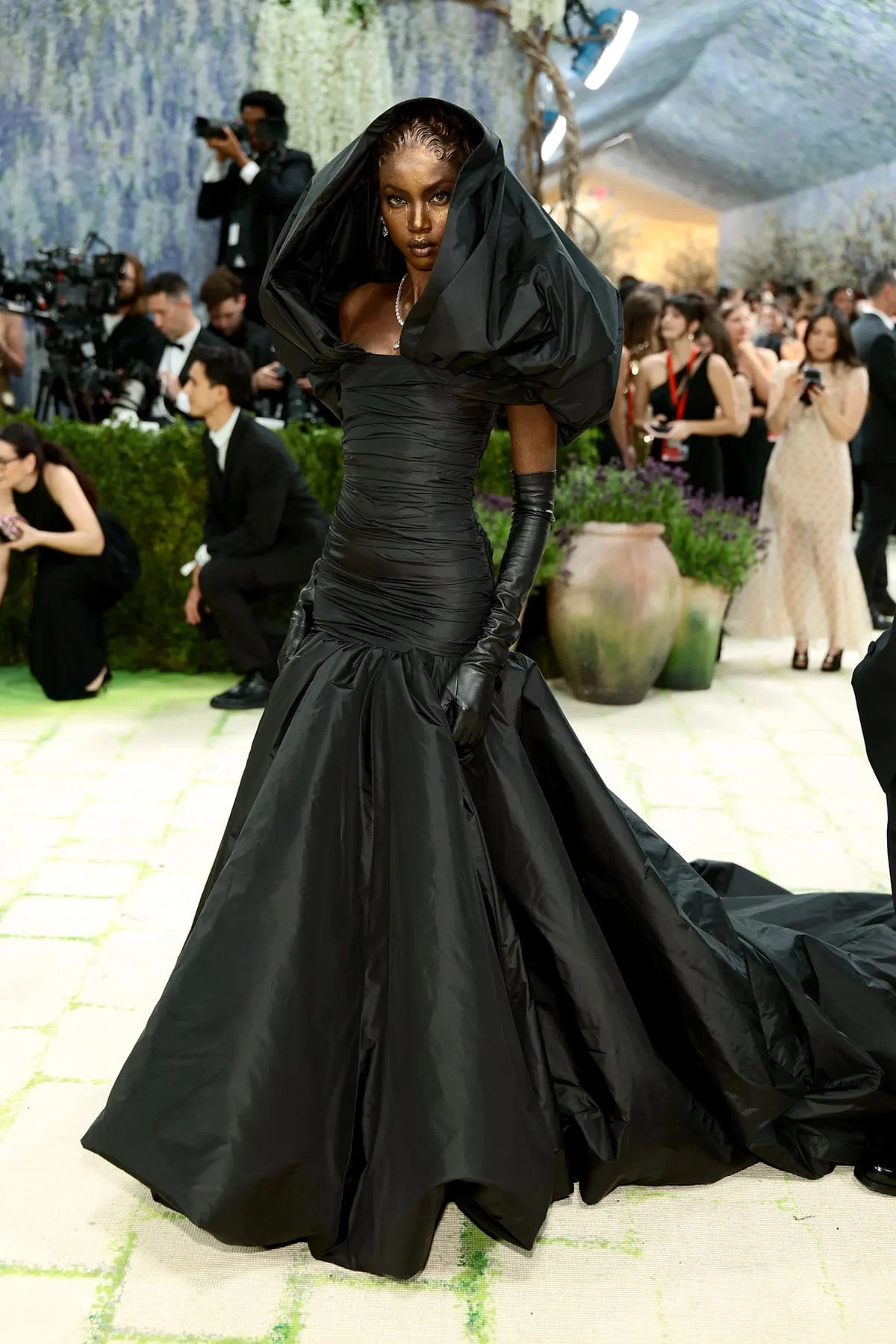
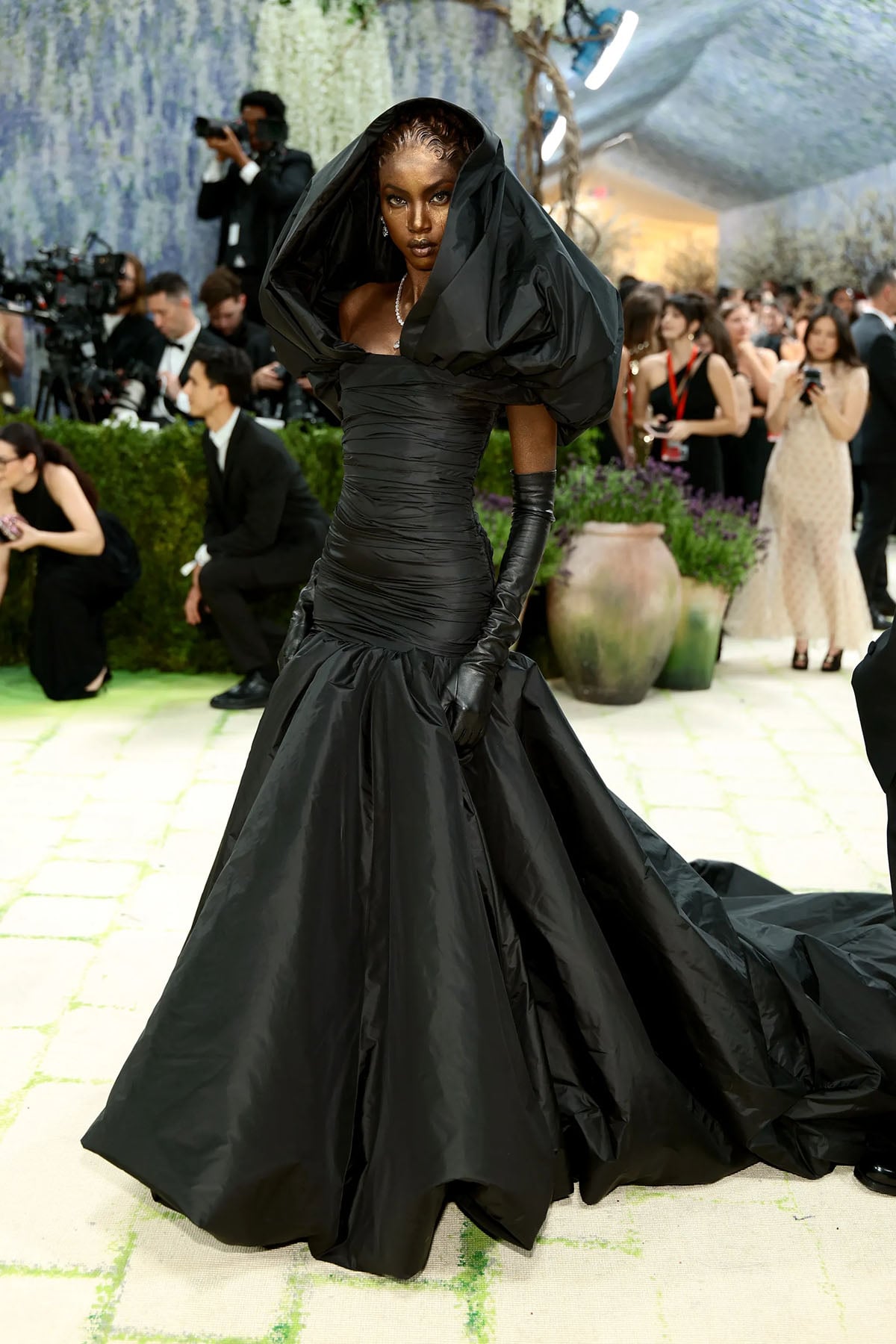
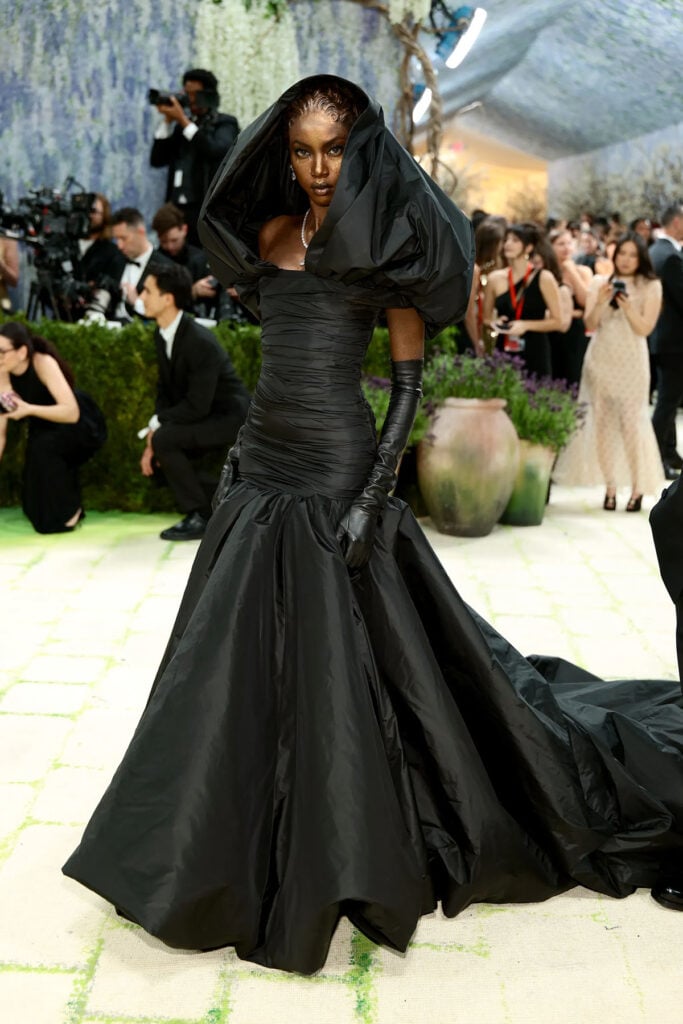
Leading the evening’s thematic interpretation was Anok Yai, whose appearance in a custom Balenciaga gown signaled a sophisticated engagement with religious history. The garment drew heavily from the visual language of the Black Madonna, a figure of significant cultural and spiritual weight. However, the narrative was further elevated by her aesthetic choices in beauty. Her metallic, gilded makeup was a direct homage to the Weeping Statues of Sicily, a reference that introduced a performative, devotional element to her presence. By treating the skin as a canvas for metallic leafing, the look moved beyond traditional glamour to suggest the body as a sacred object, aligning perfectly with the evening’s exploration of the "vessel."
In a similar vein of religious devotion, Georgina Rodríguez presented a custom look by Ludovic de Saint Sernin. Inspired by the Virgin of Fátima, the ensemble was notable not only for its external silhouette but for its internal secrets. The designer incorporated hand-embroidered phrases hidden within the lining of the garment, turning the act of dressing into a private ritual of faith. Accompanied by a custom rosary and high jewelry from Chopard, Rodríguez’s look underscored the night’s focus on the intimate relationship between the wearer and the garment, where fashion becomes a medium for personal testimony.
Historical Realism and Sculptural Innovation
The 2026 gala also saw a resurgence of interest in 19th-century art and sculpture. Heidi Klum, often recognized for her theatrical approach to red carpet events, delivered a technically rigorous tribute to Raffaelle Monti’s 1847 marble masterpiece, The Veiled Vestal. Working in collaboration with renowned prosthetic makeup designer Mike Marino, Klum utilized advanced dermatological adhesives and sheer polymers to create the illusion of a stone veil draped over her features. This execution was a literal interpretation of the "conceal and reveal" paradox inherent in the year’s theme, proving that high-fashion events are increasingly relying on the expertise of cinematic special effects to push the boundaries of the human form.
Rosie Huntington-Whiteley took a more painterly approach, appearing in a Burberry gown that referenced John Singer Sargent’s iconic 1884 portrait, Madame X. The gown’s heart-shaped bodice and draped silk tulle skirt were designed to evoke the same sense of high-society scandal and structural elegance that defined Sargent’s subject. By translating a two-dimensional masterpiece into a three-dimensional red carpet moment, Burberry highlighted the enduring influence of portraiture on contemporary silhouettes.

The Chronology of the 2026 Met Gala
The event followed a strict timeline that began months prior with the selection of the "Committee of the Year," a group of designers and muses tasked with setting the tone for the exhibition.
- January 2026: The Costume Institute announced the theme, "The Body: Vessel of Art and Spirit," prompting immediate speculation regarding the involvement of major houses like Balenciaga and Ralph Lauren.
- March 2026: Design houses began the intensive labor of hand-embroidery and prosthetic testing, particularly for the more elaborate "iconography" looks.
- May 4, 2026, 5:30 PM: The first arrivals stepped onto the red carpet, which was designed this year with a neutral, museum-grade aesthetic to allow the colors of the garments to remain the focal point.
- May 4, 2026, 8:00 PM: The final "Power Walk" occurred, featuring the model cohort, including Gigi Hadid and Irina Shayk, before guests moved into the Temple of Dendur for the formal dinner.
- May 5, 2026: The exhibition officially opened to the public, featuring many of the gowns worn on the red carpet as part of the permanent display for the season.
Supporting Data and Economic Impact
The Met Gala remains the primary source of funding for the Costume Institute. Early data from the 2026 event suggests a record-breaking financial performance. Ticket prices for the evening reached an all-time high of $75,000 per person, with full tables starting at $500,000, typically sponsored by fashion houses or technology conglomerates.
According to initial reports from New York City’s Economic Development Corporation, the gala contributed an estimated $210 million to the local economy through tourism, luxury hospitality, and garment manufacturing. Social media engagement also hit new heights; the 2026 event generated over 4.2 billion impressions across major platforms within the first 24 hours. Notably, the "artistic" looks, such as Paloma Elsesser’s painterly Bureau of Imagination gown, saw a 35% higher engagement rate than traditional "glamour" gowns, indicating a public appetite for more complex, narratively driven fashion.
Strategic Restraint and Industry Responses
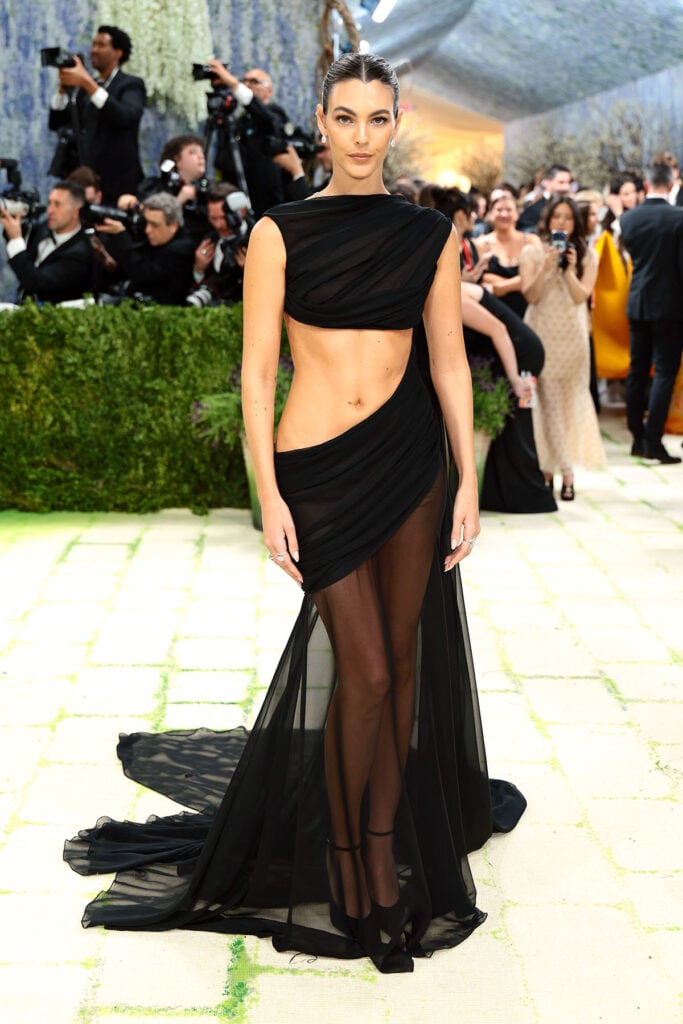
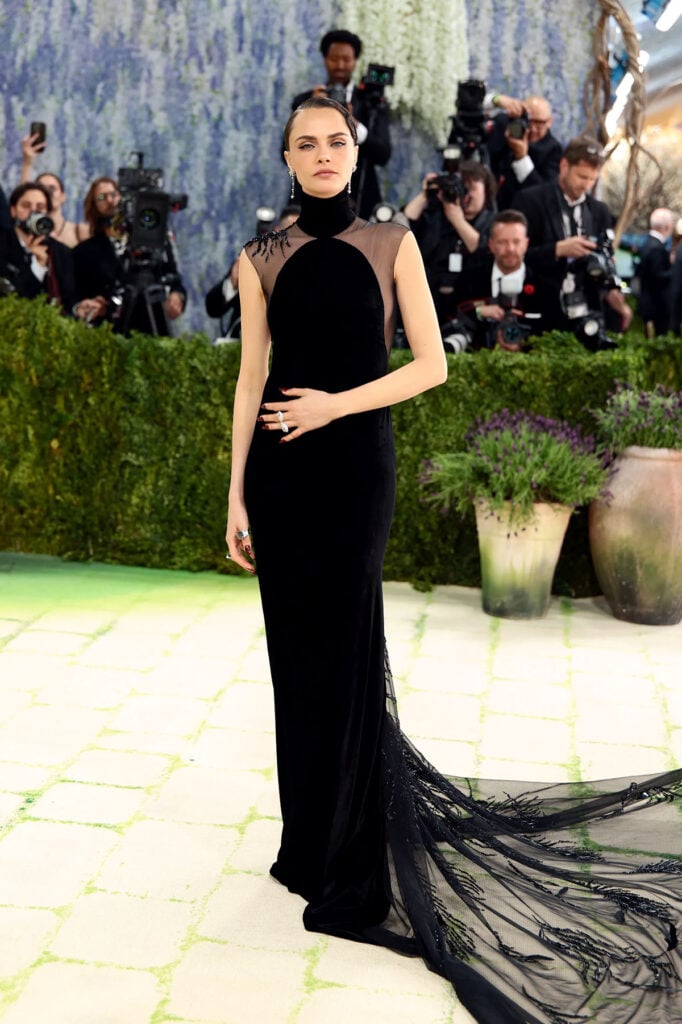
While many opted for elaborate themes, a significant portion of the model contingent chose "precision in restraint." Vittoria Ceretti, wearing Carolina Herrera and Boucheron, and Cara Delevingne, in Ralph Lauren and De Beers, opted for streamlined, graphic silhouettes. These looks provided a necessary counterweight to the evening’s more ornate offerings. Industry analysts suggest this "sleek" approach is a strategic move by brands to emphasize wearability and timelessness amidst an increasingly theatrical landscape.
However, the evening was not without its critiques. Gigi Hadid’s Miu Miu ensemble, characterized by sheer fabric and Jessica McCormack jewelry, received mixed reviews from fashion commentators. While fitting the "artistic" criteria, some critics argued it relied too heavily on the "sheer trend" that has dominated the industry for several seasons, missing the opportunity for a more profound exploration of the 2026 theme. Similarly, Irina Shayk’s custom Alexander Wang look was noted for its familiarity, suggesting that even at the Met Gala, the pressure to innovate can sometimes result in a reliance on established brand signatures.
Broader Impact and Cultural Implications
The 2026 Met Gala has solidified several key shifts in the fashion industry. First, the integration of prosthetic artistry and "beauty-as-fashion" (as seen with Yai and Klum) suggests that the boundaries between makeup, dermatology, and textile design are becoming increasingly blurred. This has significant implications for the future of the beauty industry, which is moving toward "transformative" rather than "enhancing" products.

Furthermore, the focus on sacred and religious iconography—handled with varying degrees of literalism and abstraction—indicates a move toward "slow fashion" and heritage. The use of hand-embroidered hidden messages in Georgina Rodríguez’s gown reflects a return to the "intimate luxury" of the early 20th century, where the value of a garment lies in its hidden details and the personal connection to the wearer.
The Costume Institute’s decision to focus on the body as a "vessel" also addressed ongoing conversations regarding inclusivity and representation. Paloma Elsesser’s appearance in a Bureau of Imagination gown, which featured metallic appliqués and layered textures resembling a canvas, was praised for its celebration of form and texture. By treating the body as a site of storytelling, the 2026 gala moved the conversation away from the "idealized body" toward the "expressive body," a shift that is expected to influence commercial fashion cycles well into 2027.

As the exhibition continues through the summer, the 2026 Met Gala will likely be remembered as a year of high technical ambition and spiritual inquiry. The models, serving as the bridge between the designer’s vision and the public’s gaze, successfully navigated a theme that demanded more than just a walk—it demanded an embodiment of history, art, and belief.