







The 2026 Met Gala, held at the Metropolitan Museum of Art in New York City, served as a pivotal moment for the fashion industry, showcasing a diverse array of interpretations centered on the theme of the human form as a canvas for artistic exploration. As the primary fundraiser for the Costume Institute, the event remains the most significant night in the global fashion calendar, drawing an elite assembly of designers, celebrities, and industry titans. This year’s red carpet was characterized by a departure from conventional glamour, favoring instead a rigorous examination of surrealism, structural deconstruction, and cultural narrative. While the reception from critics was notably polarized—with some experts describing the collective output as one of the more experimental and challenging sets in recent history—the technical execution of the custom garments provided a deep look into the current state of haute couture and high-end ready-to-wear.
Chronology of the Event and Thematic Framework
The evening commenced with the arrival of Anna Wintour, the Gala’s long-standing chair, whose presence signaled the official opening of the 2026 exhibition. The arrivals followed a meticulously planned timeline, starting with the hosts and committee members, followed by a steady stream of Hollywood veterans and emerging talent. The theme of the 2026 exhibition encouraged designers to look beyond the surface of the garment, focusing instead on "The Body" as a conceptual framework. This led to a distinct chronological progression throughout the evening: early arrivals tended toward classic floral motifs and traditional elegance, while the mid-evening peak saw a surge in avant-garde, sculptural pieces that challenged the silhouette of the wearer.

The 2026 event also marked a significant financial milestone for the Metropolitan Museum of Art. With individual tickets reportedly priced at $75,000 and tables starting at $350,000, the gala is projected to have raised in excess of $22 million for the Costume Institute. This funding is essential for the preservation of the museum’s collection of more than 33,000 objects, spanning seven centuries of fashion history.

Surrealism and the Graphic Body
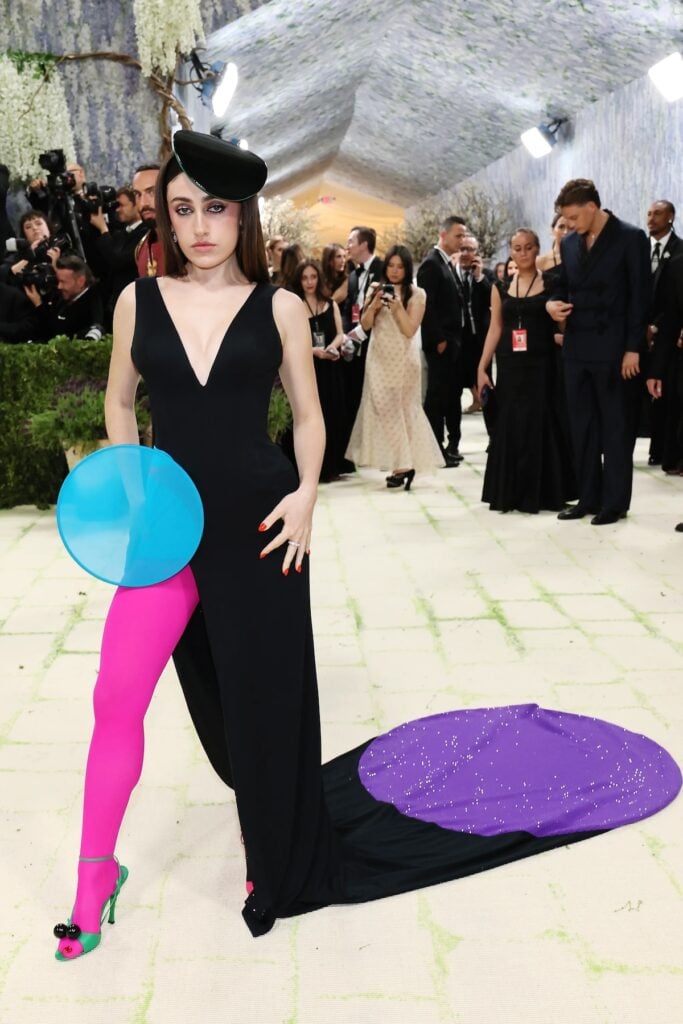
One of the most discussed segments of the evening involved the use of surrealism to distort and reframe the human physique. Rachel Sennott, appearing in a custom creation by Marc Jacobs, was a primary example of this direction. The garment utilized bold color blocking and exaggerated proportions to create a graphic, almost two-dimensional effect on a three-dimensional form. Fashion analysts noted that Sennott’s look was less about traditional flattery and more about the commitment to fashion as a visual art form, leaning into a "disorienting" aesthetic that questioned the natural lines of the body.

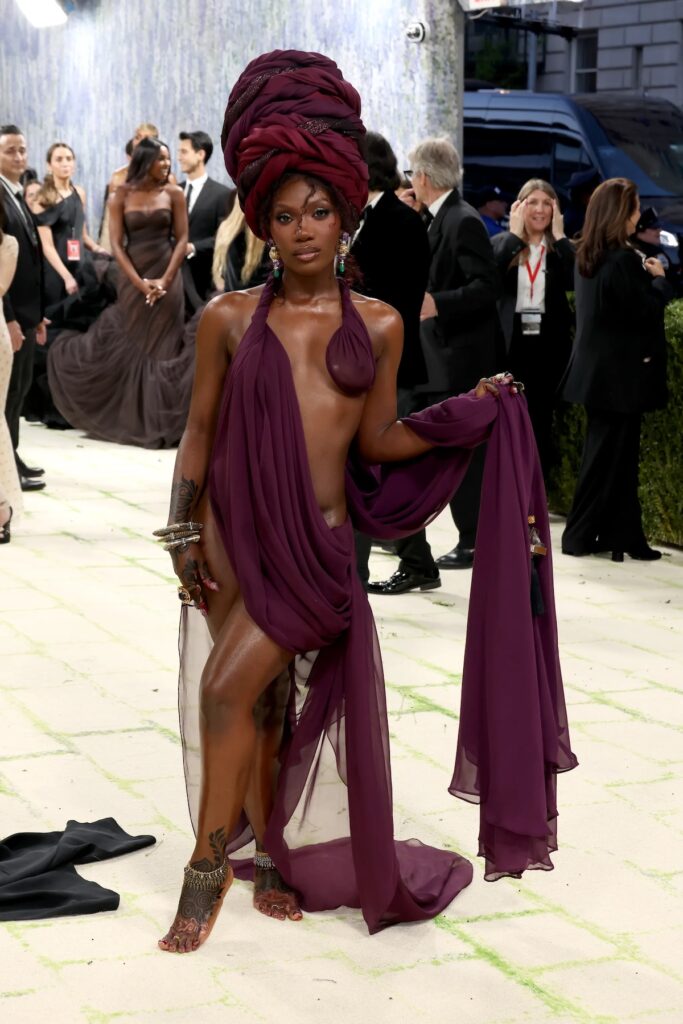
Similarly, Doechii, also dressed by Marc Jacobs, extended this surrealist narrative by incorporating West African-inspired elements, most notably a towering headwrap that shifted the viewer’s vertical focus. Her decision to walk the carpet barefoot was described by the artist as a method of remaining "grounded," adding a performance art layer to the sartorial presentation. This commitment to a total concept—rather than a singular dress—defined the "Fashion First" approach of the night.
Architectural Armor and Structural Rigidity
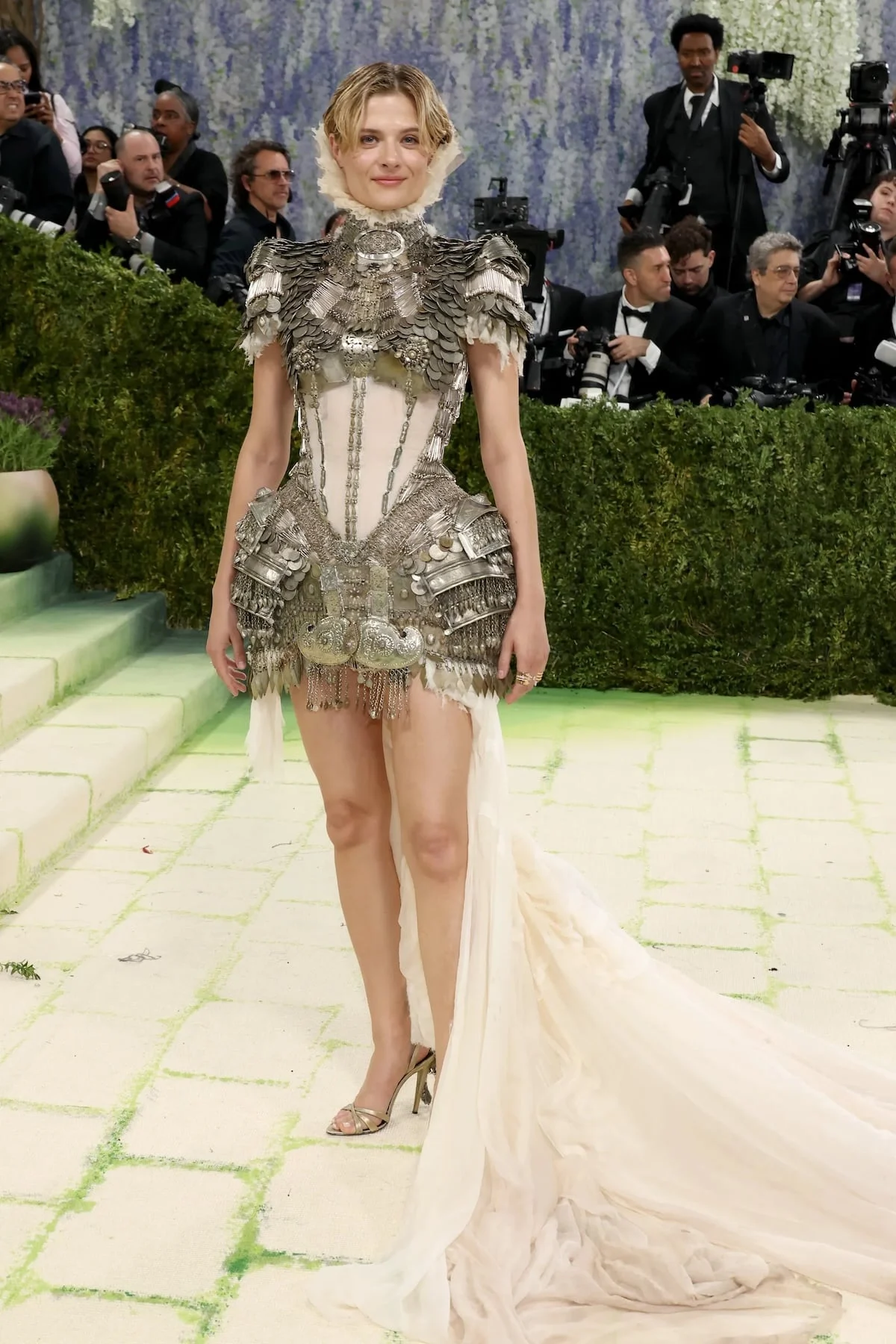
A significant sub-trend of the 2026 gala was the move toward "Armour With Attitude," where garments were constructed not from soft textiles, but from rigid, sculptural materials. Louisa Jacobson’s appearance in custom Dilara Fındıkoğlu was cited by many as a masterclass in directional design. The look pushed the boundaries of traditional corsetry, utilizing metalwork layered to resemble biological or historical armor. By exposing the underlying structure of the garment, Fındıkoğlu maintained her signature deconstructed language while presenting a finished product that felt both protective and confrontational. Jacobson’s look was accessorized with Repossi jewels, which complemented the industrial feel of the metalwork.

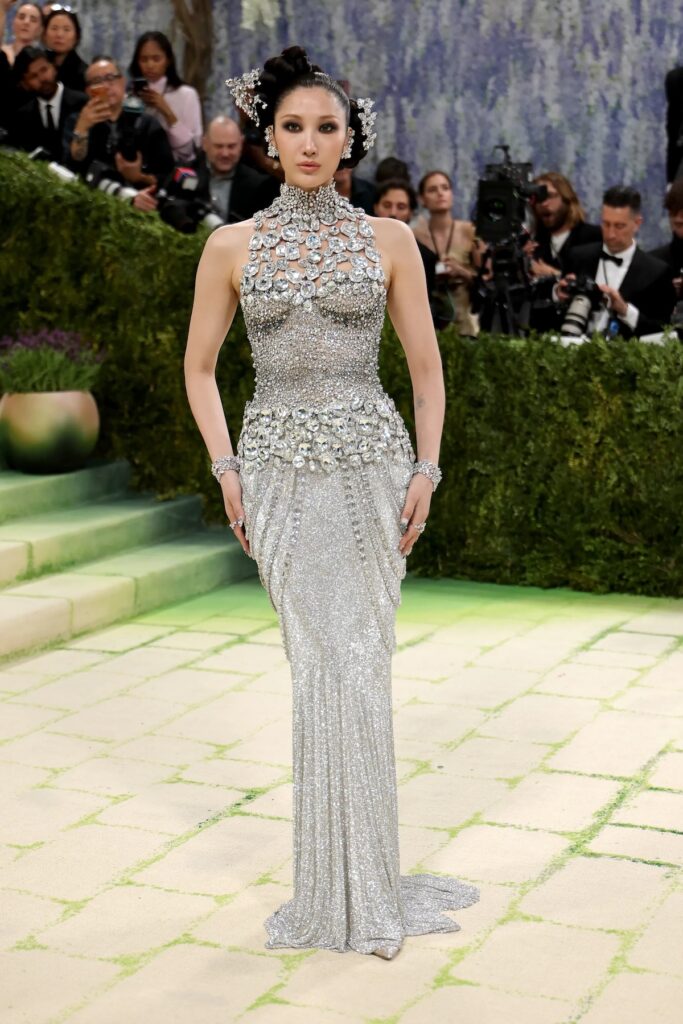
Ejae’s custom Swarovski gown furthered this exploration of structure through the lens of precision. Rather than a traditional draped fabric, the gown relied on the strategic placement of crystals to map the contours of the body. This technique created a "sleek, sculpted effect" that transformed the wearer into a shimmering architectural object. Venus Williams also utilized Swarovski in a custom gown that featured a sculptural neckline, bridging the gap between high jewelry and formal evening wear.
Theatricality and High Drama
The mid-point of the red carpet was marked by high theatricality, led by Yseult in a custom Harris Reed ensemble. Reed, known for his gender-fluid and dramatic silhouettes, delivered a look that paid homage to the body through fluid tailoring and dense beadwork. The defining feature was an oversized sculptural hat that framed the face while simultaneously obscuring it, forcing the audience to focus on the silhouette and the movement of the garment. This theatrical impact is a hallmark of the Harris Reed brand, which continues to gain traction for its ability to merge traditional craftsmanship with a sense of "costume" appropriate for the Met’s stage.
SZA, appearing in custom Bode, also leaned into the "Full Fantasy" aspect of the night. Her look featured a complex layered gown and a dramatic floral headpiece, creating a character-driven moment that stood out for its commitment to a specific, albeit romanticized, narrative. Analysts suggested that SZA’s look was a successful attempt at storytelling, moving the gala away from simple red-carpet dressing and toward a more immersive fashion experience.

Romanticism, Deconstruction, and the "McQueen Aesthetic"
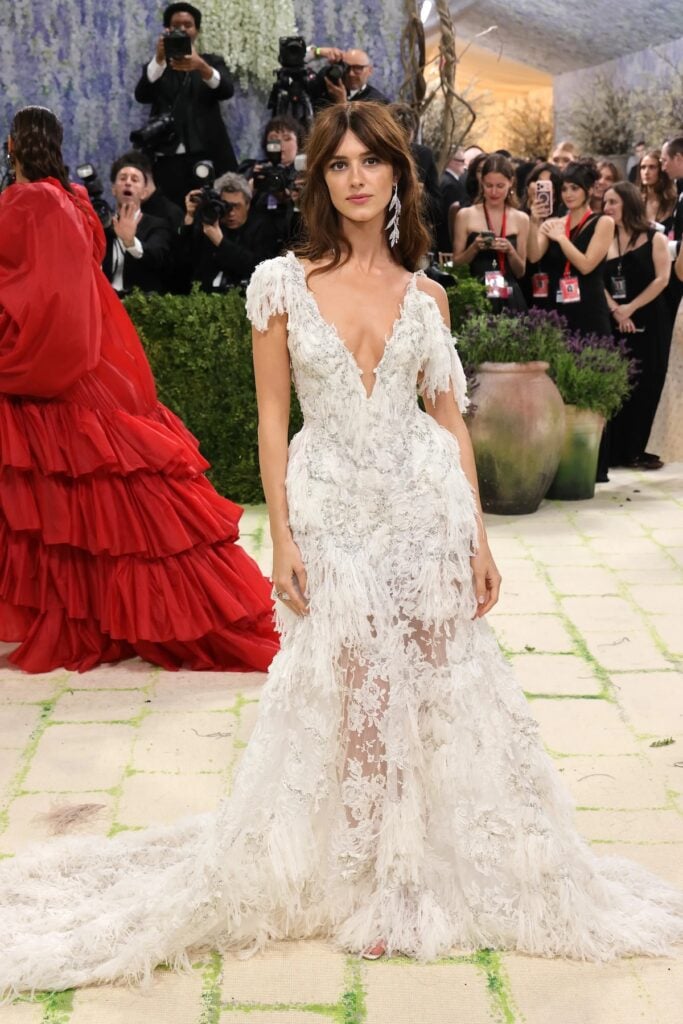
The 2026 gala saw a resurgence of romanticism, though often tempered by a raw, deconstructed edge. Daisy Edgar-Jones represented this trend in custom McQueen, wearing a gown that blended three-dimensional Lyon lace appliqué with shredded tulle "Banshee" embroidery. This look captured the signature McQueen tension between beauty and disruption, where the frayed textures and sheer layers introduced an element of rawness to an otherwise "pretty" silhouette.
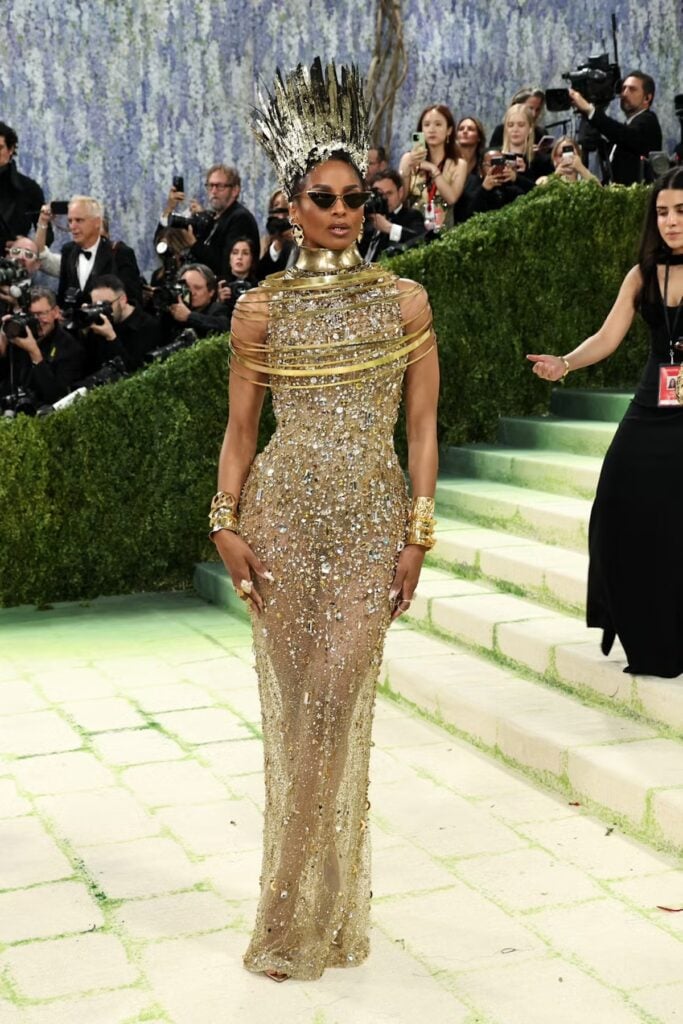
Tate McRae’s custom Ludovic de Saint Sernin gown followed a similar path, though with a more body-conscious focus. The gown incorporated gold lace and a feathered neckline, utilizing texture to provide visual interest. While more classic in its interpretation than the McQueen piece, it remained aligned with the current industry trend of "soft detail" paired with a fitted, "body-aware" base.
The Continuity of Traditional Glamour
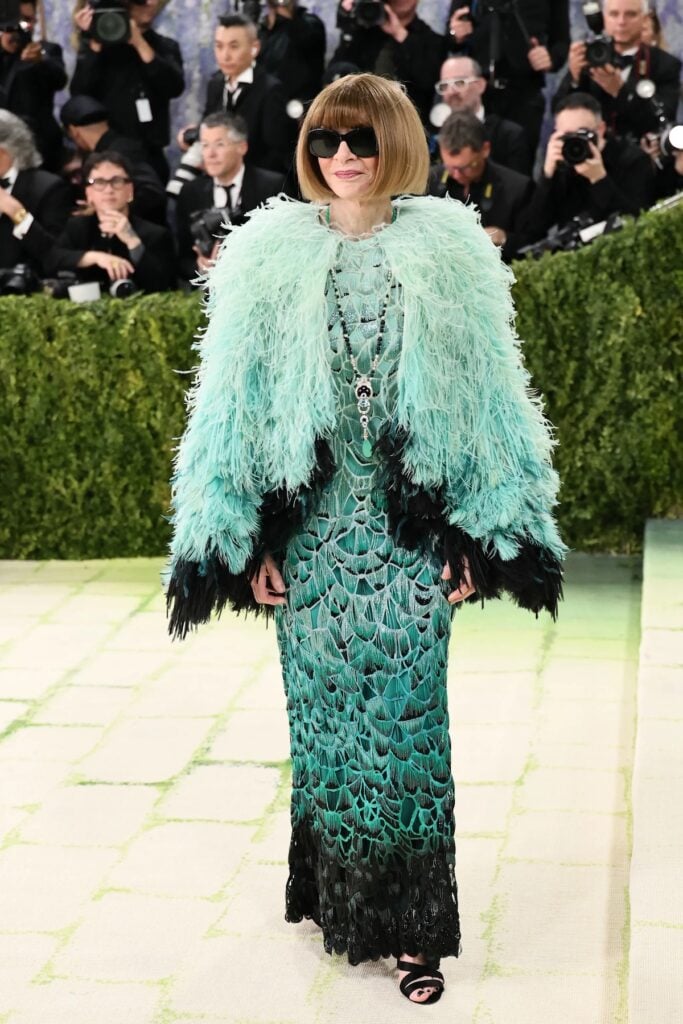
Despite the heavy emphasis on the avant-garde, several attendees opted for established aesthetics that prioritized continuity over innovation. Anna Wintour’s custom Chanel gown was a prime example, adhering to her well-documented preference for floral motifs and a structured, floor-length silhouette. Similarly, Bee Carrozzini, in custom Givenchy, utilized soft florals and color-fringed detailing to deliver a look that was described as "quietly put together."
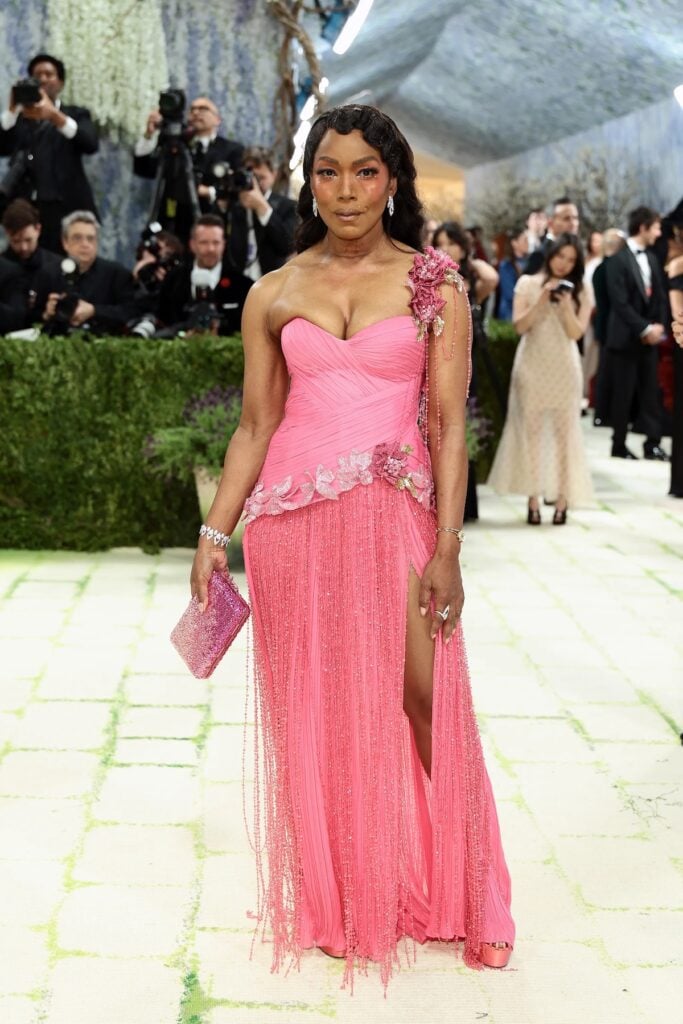
Angela Bassett, in custom Prabal Gurung, provided a necessary anchor of high-impact glamour. Her look, accented with rich floral detailing and Messika jewels, was praised for its execution and strong presence on the carpet. In contrast, Emily Blunt’s custom Ashi Studio look, paired with Mikimoto pearls, received a more muted response. Coming off a high-profile press tour for The Devil Wears Prada 2, the look was viewed by some as a "comedown"—refined and elegant, but perhaps too safe for an event defined by its willingness to take risks.

Materiality and Minimalist Statements
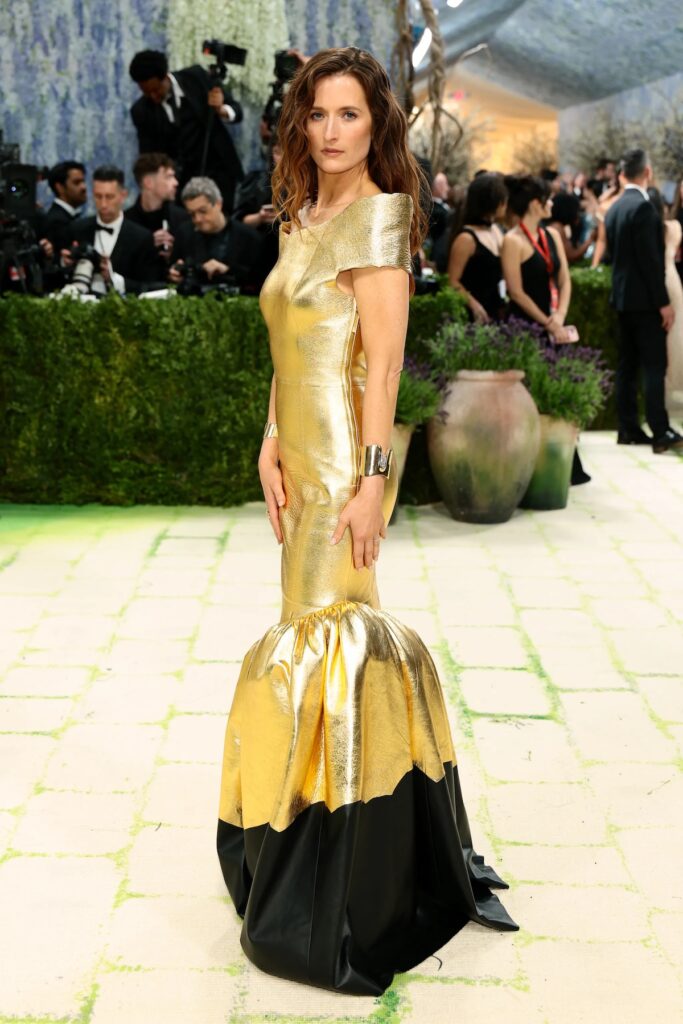
The final hours of the red carpet highlighted the importance of materiality and minimalist tailoring. Sarah Pidgeon’s custom Loewe gown, featuring a draped bow detail, showcased Jonathan Anderson’s ability to inject artistic notes into clean, minimalist lines. Grace Gummer’s custom Gabriela Hearst dress utilized gold leather to create a "dipped in gold" effect, a literal interpretation of the artistic theme that focused on the texture of the material itself.
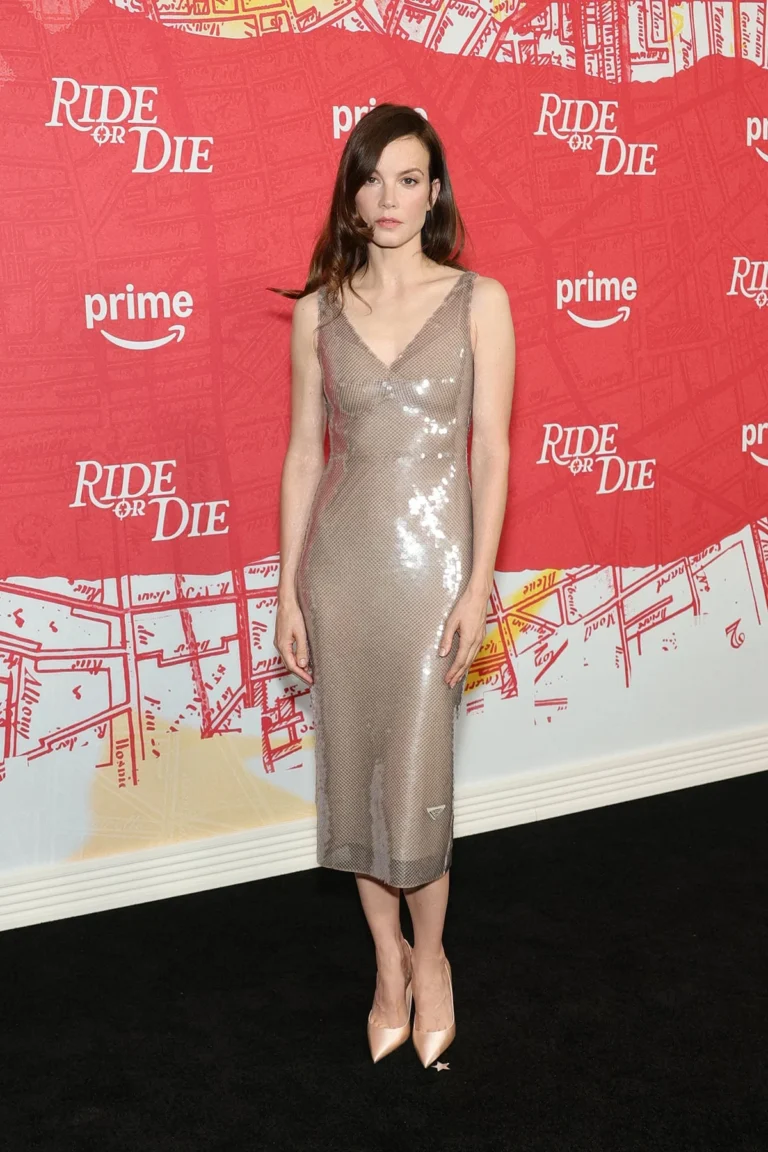
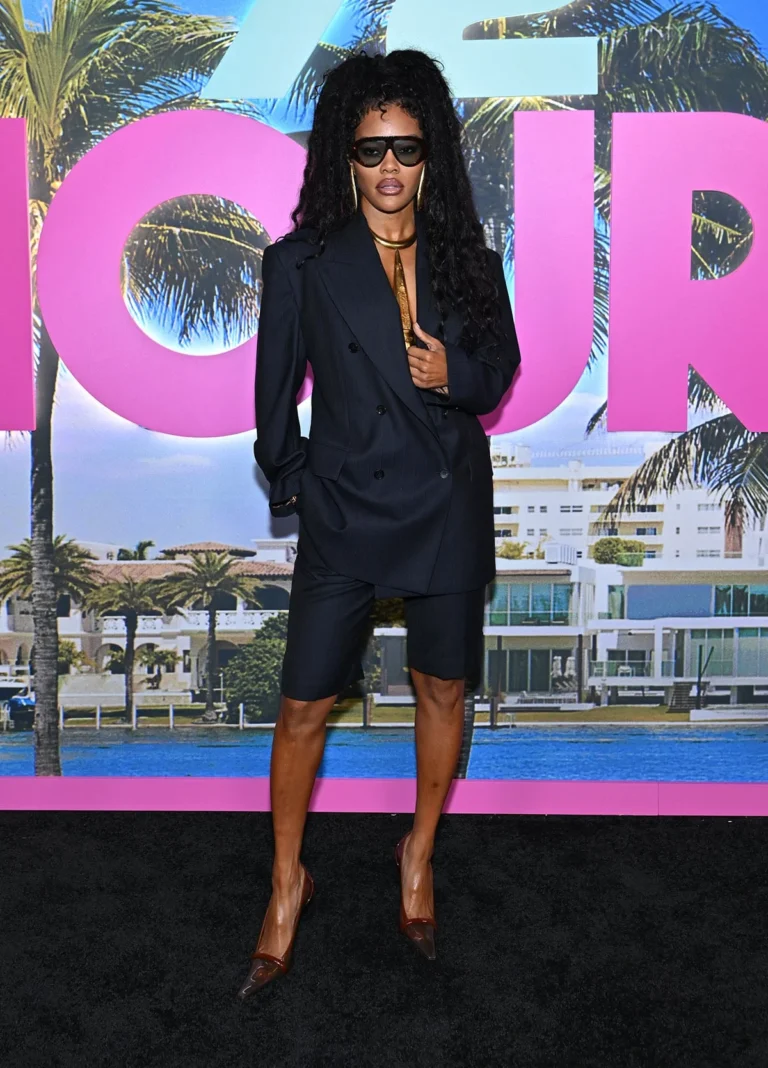
Simone Ashley’s custom Stella McCartney chained dress and Teyana Taylor’s custom Tom Ford fringed silver look both explored the concept of "ghostly" or fluid forms. Taylor’s look, intended to evoke the "Body" through movement, was a departure from her previous Met Gala appearances, emphasizing the "fringed" texture over a traditional gown structure. Rebecca Hall also chose Tom Ford, opting for a sleek, pared-back take with sharp tailoring that emphasized a "chic" rather than "loud" presence.

Broader Impact and Industry Analysis
The 2026 Met Gala underscored a significant shift in the fashion landscape. The prevalence of custom-built, highly conceptual garments suggests that the "red carpet" is increasingly becoming a space for brands to demonstrate their technical prowess and theoretical depth rather than just their ability to dress a celebrity. Designers like Dilara Fındıkoğlu and Harris Reed, who emphasize sculpture and narrative, are becoming as central to the gala’s identity as legacy houses like Chanel and Tom Ford.
Furthermore, the event’s focus on the body as a canvas reflects broader societal conversations regarding identity, form, and the intersection of technology and biology. While some critics found the 2026 set to be "flat" in comparison to previous years, others argued that the restraint and focus on "raw textures" and "anatomical mapping" signaled a more mature, less gimmick-driven approach to the theme.

As the exhibition opens to the public, the influence of these red-carpet looks will likely permeate the 2026-2027 fashion cycle, particularly in the realms of specialized corsetry, the use of industrial materials in luxury goods, and the continued popularity of "wet-look" draping, as seen on Laura Harrier in Di Petsa. The 2026 Met Gala may not have been the most "favourite" among traditionalists, but it undoubtedly succeeded in its primary goal: forcing a global audience to reconsider the boundaries between the human body and the garments that inhabit it.