










In an era defined by globalized supply chains and the pervasive influence of "fast fashion," the cherished label "Made in USA" has become an increasingly rare sight within the sartorial landscape. Once a hallmark of quality and a defining characteristic of iconic American brands like Brooks Brothers and Ralph Lauren, which shaped 20th-century menswear, manufacturing has largely migrated overseas in pursuit of competitive pricing and expanded production capacities. This significant shift has led many to question whether it remains feasible for the modern gentleman to curate a complete, high-quality, ready-to-wear outfit composed exclusively of garments produced by American labor. This article delves into a comprehensive digital shopping expedition undertaken to answer precisely that question, exploring the availability, cost, and broader implications of committing to an entirely American-made wardrobe.
The Fading Fabric of American Industry: A Historical Context
The decline of American textile and apparel manufacturing is a complex narrative spanning several decades. Following a post-World War II boom that saw the United States as a global leader in production, the landscape began to transform in the latter half of the 20th century. Driven by advancements in international trade, the pursuit of lower labor costs, and evolving consumer demands for more affordable and diverse clothing options, many American brands initiated a strategic pivot, relocating their manufacturing operations to countries with more cost-effective production environments. Trade agreements, technological shifts, and the relentless rise of "fast fashion" — a model predicated on rapid production cycles and disposable garments — further accelerated this exodus.
Data from the U.S. Bureau of Labor Statistics illustrates this profound transformation: employment in textile mills and apparel manufacturing experienced a dramatic contraction from millions of workers in the mid-20th century to a fraction of that number by the early 21st century. This economic shift not only impacted direct manufacturing jobs but also ripple-effected industries, from raw material suppliers to specialized machinery producers. Consequently, the infrastructure supporting a fully integrated domestic fashion supply chain has significantly atrophied, making the quest for purely American-made garments a challenging endeavor.
Defining Authenticity: The "Made in USA" Standard

Before embarking on the digital shopping journey, it is crucial to understand the stringent criteria that define "Made in USA" labeling. The Federal Trade Commission (FTC) mandates that for a product to bear the "Made in USA" label, "all or virtually all" of its components and processing must originate in the United States. This is not merely a matter of final assembly; it encompasses the sourcing of raw materials, the fabrication of components (e.g., zippers, buttons, threads, fabrics), and every stage of production.
This rigorous standard presents a significant hurdle for manufacturers. For instance, while a shirt might be cut and sewn in a U.S. factory, if its fabric is woven from imported cotton or its buttons are sourced from overseas, it may not legally qualify for the "Made in USA" label under the strictest interpretation. Industry analysts often highlight the difficulty in finding a complete domestic supply chain for all elements of a garment, from the sheep that produce the wool to the dye used for the fabric. This complexity means that even brands committed to domestic production often face compromises or must invest heavily in cultivating local suppliers, a task that can be both time-consuming and expensive.
The Sartorial Expedition: Assembling an American Ensemble
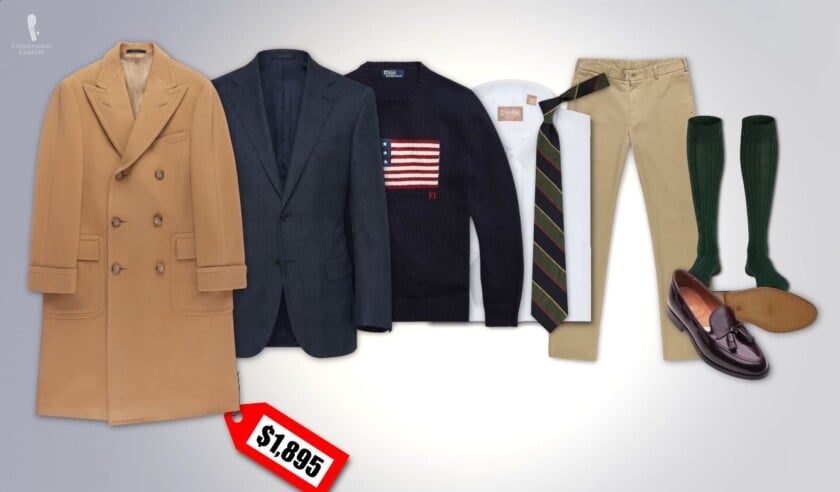
Despite the challenges, a dedicated search reveals that it is indeed possible to construct a sophisticated, ready-to-wear outfit using only American labor and materials, reflecting a commitment to classic style. The resulting ensemble represents a blend of heritage brands and specialized manufacturers upholding traditional craftsmanship.
Foundation: Shoes & Socks
-
Alden 563 Tassel Moccasin: $967
Alden Shoe Company, established in 1884, stands as a formidable pillar of American shoemaking. Located in Middleborough, Massachusetts, Alden has maintained its commitment to handcrafted footwear for over 140 years. The tassel loafer in Color 8 shell cordovan exemplifies their enduring legacy. Shell cordovan, renowned for its exceptional durability, luster, and resistance to creasing, is a premium leather sourced exclusively from the non-porous sub-dermal layer of horsehide. A significant portion of this material comes from Horween Leather Company in Chicago, one of the last remaining tanneries in the U.S. specializing in cordovan. Alden’s use of Goodyear welt construction, a labor-intensive method allowing for multiple resoles, underscores the brand’s dedication to longevity and quality, ensuring that these shoes are an investment designed to last for decades. This classic style transitions effortlessly from formal tailoring to more relaxed, smart-casual combinations, making it a versatile cornerstone of any gentleman’s wardrobe.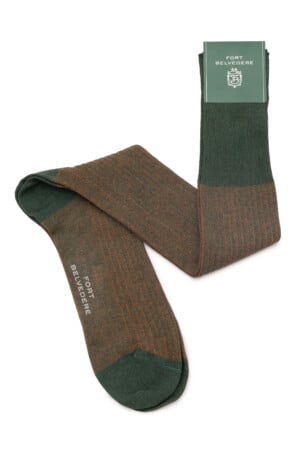
-
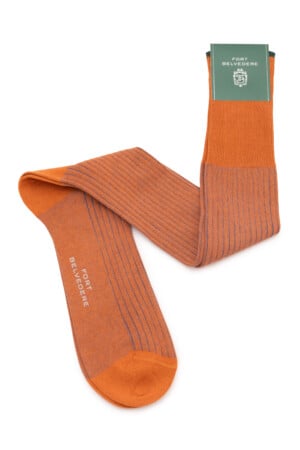
Boardroom Socks: $19.50 (Alternative: Fort Belvedere midweight cotton socks)
For proper dress, over-the-calf socks are essential, preventing exposed skin when seated and ensuring a smooth, elegant line. Boardroom Socks offers American-made options, featuring various colors like forest green. Their composition, typically 74% Cotton / 23% Nylon / 3% Spandex, provides a balance of natural fiber comfort with synthetic durability and stretch. This blend, however, can sometimes lead to increased perspiration and heat retention compared to higher natural fiber content. In contrast, some manufacturers, such as Fort Belvedere (which offers midweight cotton socks), prioritize 100% cotton yarns. This choice significantly enhances breathability and offers a cooler wearing experience, crucial for comfort throughout the day. The availability of both blended and pure natural fiber options within the "Made in USA" market highlights the diverse approaches manufacturers take to balance durability, comfort, and material sourcing, offering consumers a range of choices based on their preferences for natural versus blended fibers and thermal regulation.
Mid-Section: Shirt & Trousers
-
Gitman Brothers Gold OCBD: $235
The Oxford Cloth Button Down (OCBD) shirt is an undisputed cornerstone of American style, popularized by the Ivy League aesthetic. Gitman Brothers, originating in Ashland, Pennsylvania, continues to produce some of the finest examples domestically. Their shirts are celebrated for their meticulous construction, robust Oxford cloth, and, crucially, a soft, natural collar roll that is a hallmark of the authentic Ivy look. The "Gold" label denotes their premium line, often featuring single-needle stitching and higher quality fabrics, maintaining a tradition of quality shirting that dates back to the brand’s founding in 1978, though the family’s shirt-making heritage extends much further.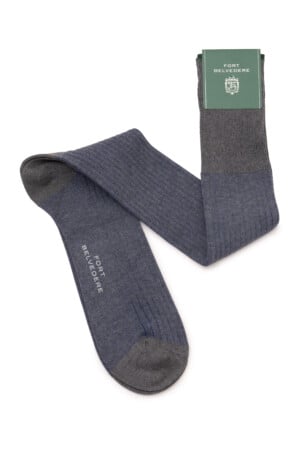
-
Bill’s Khakis Original Twill: $195
Bill’s Khakis emerged from a quest to replicate the durable, higher-rise chinos worn by American soldiers in WWII. Founded by Bill Thomas in 1984, the brand meticulously recreated these garments, which deliver exceptional durability and a comfortable, traditional fit rarely found in contemporary mass-market trousers. Their Original Twill khakis are produced in Pennsylvania, embodying a commitment to authentic American style and robust construction. The higher rise provides a more flattering silhouette and comfortable wear, particularly when paired with tucked-in shirts and tailored jackets, making them a natural complement to both knitwear and traditional tailoring.
Layering: Knitwear & Tailoring
-
Ralph Lauren Flag Sweater: $398
The Ralph Lauren Flag Sweater is more than just a piece of knitwear; it’s a recognizable icon, deeply embedded in American popular culture and synonymous with aspirational American style. While Ralph Lauren operates a vast global manufacturing network, certain premium or iconic pieces, like this flag sweater, are still produced in the United States. The navy crew neck version, with its distinctive flag motif, works exceptionally well over a shirt and tie, providing both warmth and a touch of patriotic visual interest. Its inclusion in a "Made in USA" ensemble highlights the complex manufacturing strategies of even global brands, where select items retain domestic production to preserve heritage or meet specific market demands.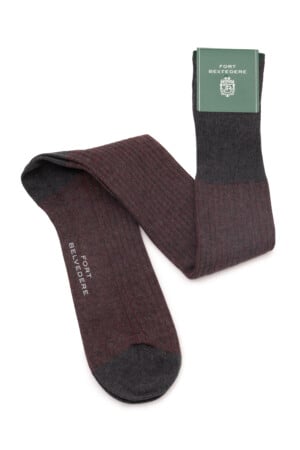
-
Joseph Abboud Plaid Sport Coat: $460
Joseph Abboud represents a commitment to maintaining American tailoring traditions. His collections often feature garments produced in the New Bedford, Massachusetts, factory, one of the last major tailoring facilities in the U.S. that still handles a significant volume of domestic suit and sport coat production. A plaid sport coat offers superb versatility, allowing for sophisticated pairings without the formality or rigidity of a full suit. The skilled craftsmanship involved in tailoring — from pattern cutting to canvas insertion and meticulous hand-finishing — is a testament to the expertise preserved in such factories, which are vital for upholding the legacy of American tailoring. -
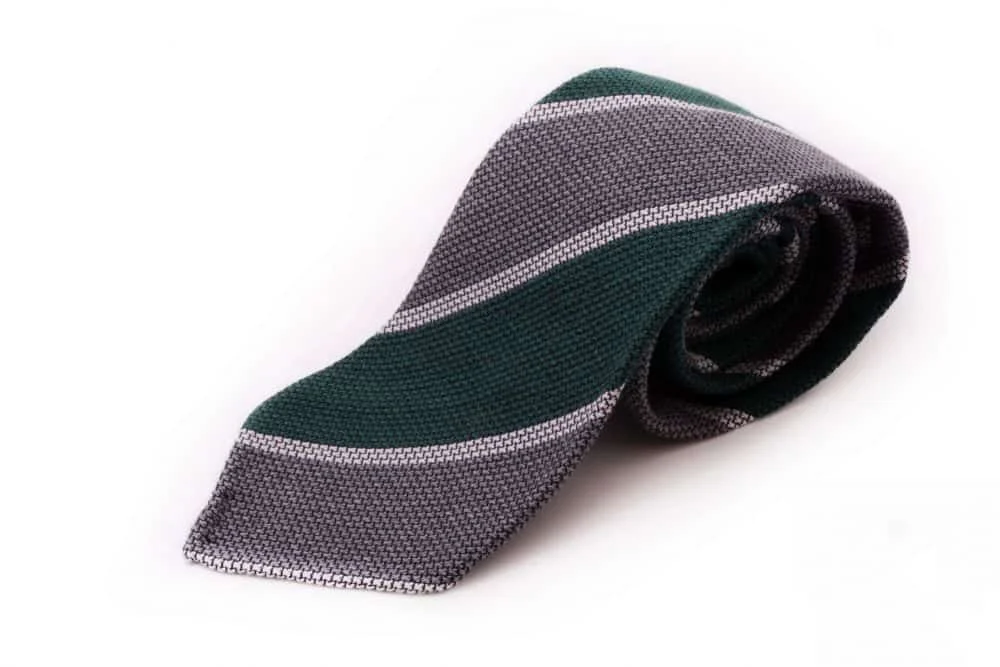
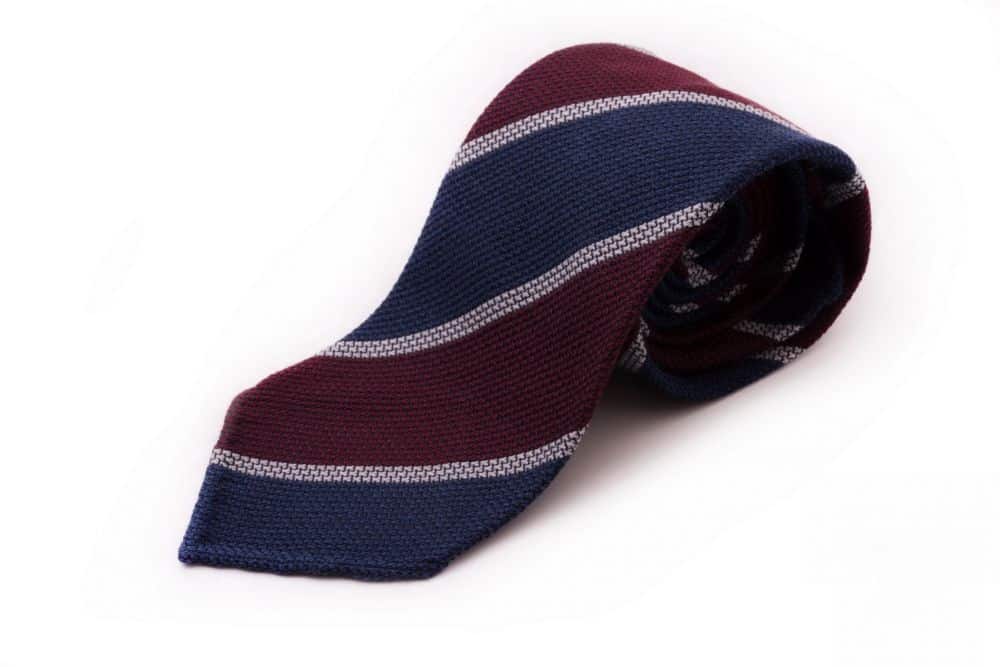
J. Press Rep Stripe Tie: $165
J. Press, an enduring institution of Ivy League style since 1902, continues to produce classic rep stripe ties that are true staples of collegiate tradition. These ties, with their distinctive diagonal stripes, are not merely accessories but symbols of a particular aesthetic rooted in American university culture. Produced in the United States, they reflect decades of consistent quality and adherence to traditional designs. The choice of materials, often silk or wool, and the careful construction ensure a tie that drapes well and holds its knot, adding a polished finishing touch to the layered ensemble.
Outerwear & Finishing Touches
-
J. Press Camel Hair Polo Coat: $1,895
The camel hair polo coat is a defining piece of American outerwear, combining luxurious warmth, sophisticated structure, and a rich heritage. Originally designed for polo players to wear between matches, its elegance and practicality quickly broadened its appeal. J. Press, consistent with its classic offerings, provides a version produced in the USA. This coat represents the standout investment in the outfit, reflecting the premium associated with its high-quality camel hair fabric, intricate tailoring, and domestic manufacturing. It is a piece designed for longevity, making it a valuable addition to a classic wardrobe. -
Stetson Whippet Fedora: $265
Stetson, founded in 1865, is synonymous with American hat-making. While globally recognized for its iconic cowboy hats, Stetson’s dress hats, such as the Whippet Fedora, remain rooted in classic design and domestic production. The Whippet offers a refined silhouette, characterized by its elegant brim and crown, perfectly complementing tailored clothing. The craftsmanship involved in shaping and finishing a high-quality felt hat is considerable, showcasing traditional skills that Stetson has preserved for over a century and a half.
The Price of Patriotism: An Investment in American Craftsmanship
The total cost for this meticulously curated, fully American-made outfit stands at $4,619.50. This figure unequivocally demonstrates that building a wardrobe exclusively from "Made in USA" garments is not only possible but comes with a significant premium. This "heritage premium" is a direct reflection of several interconnected factors that distinguish domestic manufacturing from its global counterparts.
Firstly, labor costs in the United States are substantially higher due to competitive wages, benefits, and adherence to robust labor laws. These costs translate into fairer compensation for skilled artisans and factory workers, supporting local economies and providing stable employment. Secondly, production runs for such specialized, high-quality items are often smaller, precluding the economies of scale enjoyed by mass-market manufacturers overseas. Each garment, therefore, carries a higher individual production cost. Thirdly, investment in specialized machinery and skilled labor is substantial. Maintaining factories equipped with advanced technology and staffed by experienced craftsmen requires continuous capital outlay, from precision cutting machines to specialized sewing equipment. Finally, adherence to U.S. environmental and safety regulations adds another layer of cost, ensuring responsible manufacturing practices that often exceed those in other countries. Sourcing domestic raw materials and components, where available, also typically incurs higher expenses than importing.
For consumers, this premium represents a multifaceted investment. It is an investment in durability and longevity, as these garments are often constructed with superior materials and techniques designed to last for years, if not decades. It is an investment in ethical production, supporting fair labor practices and environmentally conscious manufacturing. Furthermore, it is an investment in preserving traditional skills and industries within the United States, contributing to job creation and economic stability in local communities.

Beyond the Label: Quality, Longevity, and Sustainability
It is important to acknowledge that a "Made in USA" label, while indicative of domestic origin, does not automatically guarantee superior quality. As industry experts often note, true quality is determined by the specific fabric, construction techniques, fit, and finishing of a garment, regardless of its country of origin. A well-made imported piece can certainly outperform a poorly constructed domestic one. However, the "Made in USA" designation frequently correlates with a higher commitment to these quality metrics, as manufacturers who choose to produce domestically are often already prioritizing craftsmanship and premium materials to justify their higher price point.
The movement towards "Made in USA" also aligns with growing consumer interest in sustainability and transparency. Shorter supply chains can potentially reduce the carbon footprint associated with transportation. Furthermore, domestic production often allows for greater oversight of working conditions and environmental compliance, appealing to consumers who seek to make more ethical purchasing decisions. This preference is part of a broader "slow fashion" movement, which advocates for conscious consumption, valuing quality and longevity over disposable trends.
The Future of American Menswear
The journey to assemble a fully American-made outfit reveals a niche market driven by a confluence of factors: patriotism, a demand for authentic craftsmanship, and an increasing awareness of ethical and environmental considerations in manufacturing. While the challenges of cost and limited supply chains persist, the enduring appeal of "Made in USA" suggests a potential for resurgence. This would necessitate continued investment in manufacturing infrastructure, fostering new generations of skilled labor, and fostering partnerships between designers and domestic suppliers.
The ability to construct such an outfit today, even at a premium, signifies that while the golden age of pervasive American manufacturing may have passed, a vibrant, albeit specialized, sector dedicated to high-quality domestic production endures. The decision to invest in such a wardrobe ultimately rests with the individual consumer, weighing the unique value proposition of American craftsmanship against the practicalities of budget and availability. The question remains: is the support for domestic manufacturing and heritage craftsmanship worth the discernible investment, or does the "heritage premium" present too steep a barrier for the contemporary wardrobe? The answer likely lies in a balance of personal values, economic realities, and an appreciation for enduring style.