










The silent menace of clothes moths represents a pervasive and often underestimated threat to household textiles, valued heirlooms, and even structural components of homes. Far from a mere nuisance, these destructive insects, primarily the webbing clothes moth (Tineola bisselliella) and the case-bearing clothes moth (Tinea pellionella), are responsible for billions of dollars in damage annually to wool, cashmere, silk, fur, and other keratin-rich materials. An infestation, once established, can spread rapidly and prove exceptionally challenging to eradicate using conventional methods, often leaving homeowners grappling with significant financial losses and the emotional toll of damaged cherished possessions.
The Insidious Onset of an Infestation
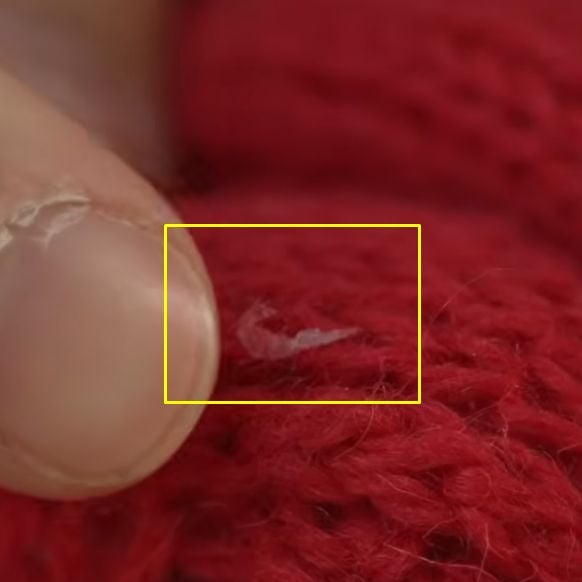
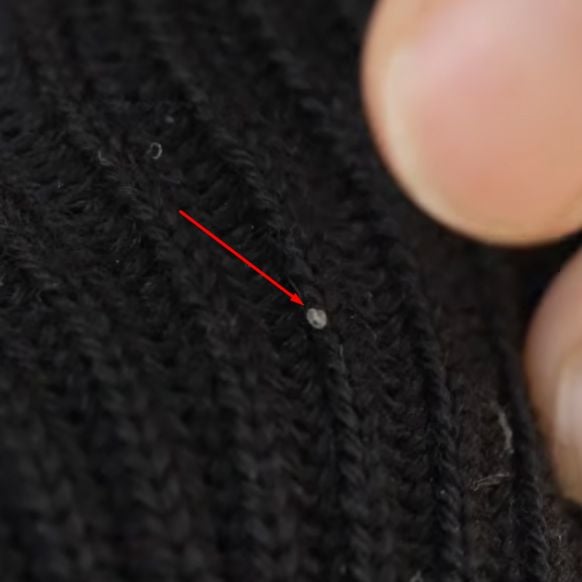
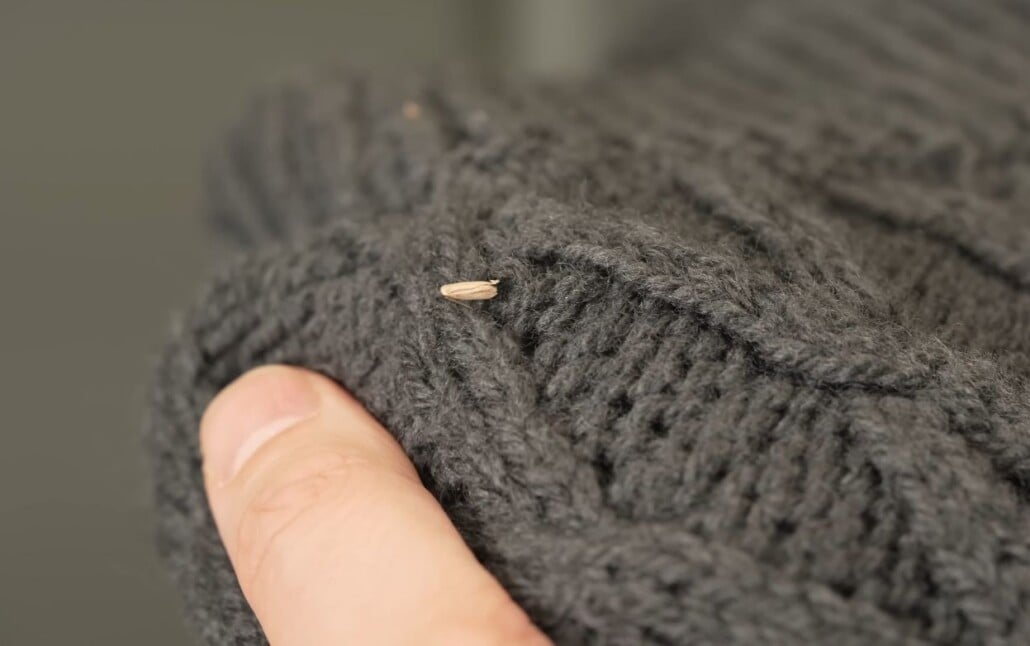
The initial signs of a clothes moth infestation are often subtle, leading many homeowners into a state of partial denial. Unlike common pantry moths, which are drawn to light, clothes moths are lucifugous, meaning they actively shun light. Adult moths typically remain hidden in dark, undisturbed areas, making their presence difficult to detect until the damage becomes evident. The first visible indication might be a small, white larva crawling on fabric, or more commonly, the discovery of inexplicable holes in garments previously thought to be secure.
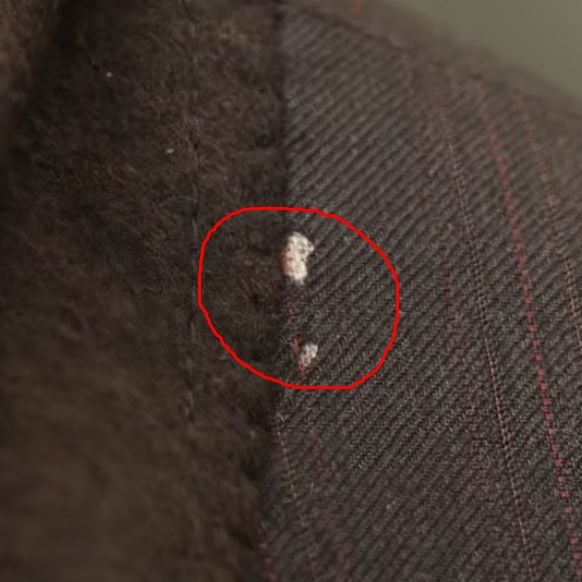
A full-blown infestation often reveals itself through a progression of alarming discoveries. Homeowners may observe tiny, rice-like white eggs nestled within fabric fibers, translucent silken webbing, or cocoon residue left behind by feeding larvae. The most devastating sign, however, is the appearance of irregular holes, often hidden in inconspicuous areas like under collars, within pant cuffs, or along suit jacket vents. These holes are the direct result of larval feeding, as it is the larvae, not the adult moths, that consume keratin, the protein found in animal fibers.

Emergency Protocol: The 24-Hour Response Plan
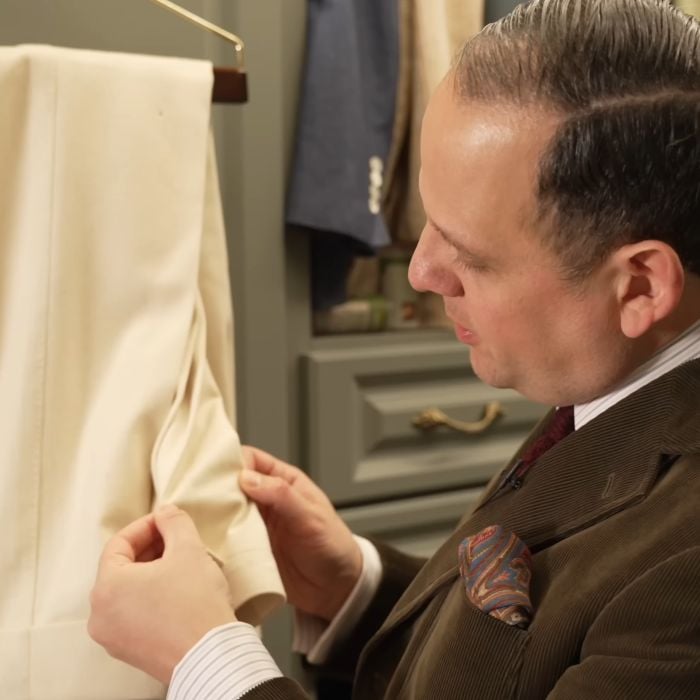
Upon the discovery of a larva, webbing, or damage to a favorite garment, immediate and decisive action is critical to mitigate the spread of the infestation. A swift, multi-step response within the first 24 hours can significantly impact the long-term success of eradication efforts.
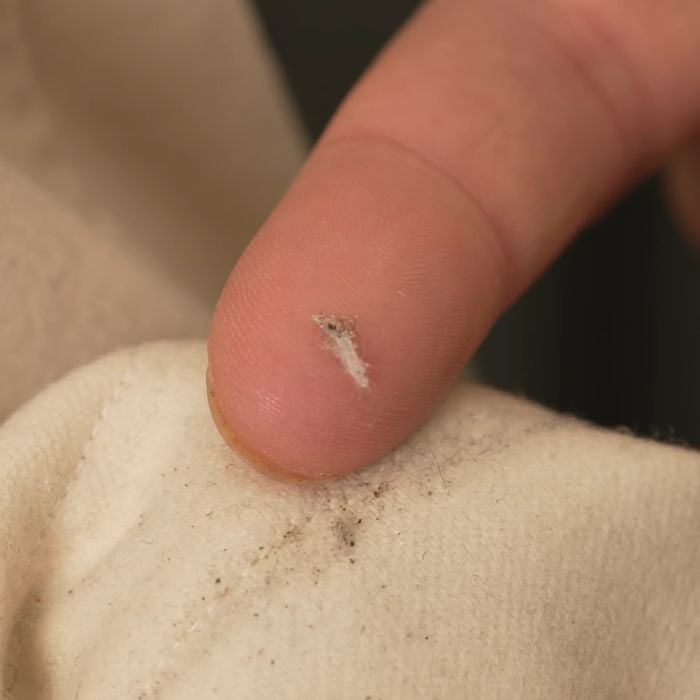
- Isolate Infested Garments: Any item displaying signs of damage or larval activity must be immediately removed and placed into a sealed plastic bag. This prevents larvae from migrating to other unaffected clothing or areas of the home. These sealed bags should be kept separate from the "clean" wardrobe.
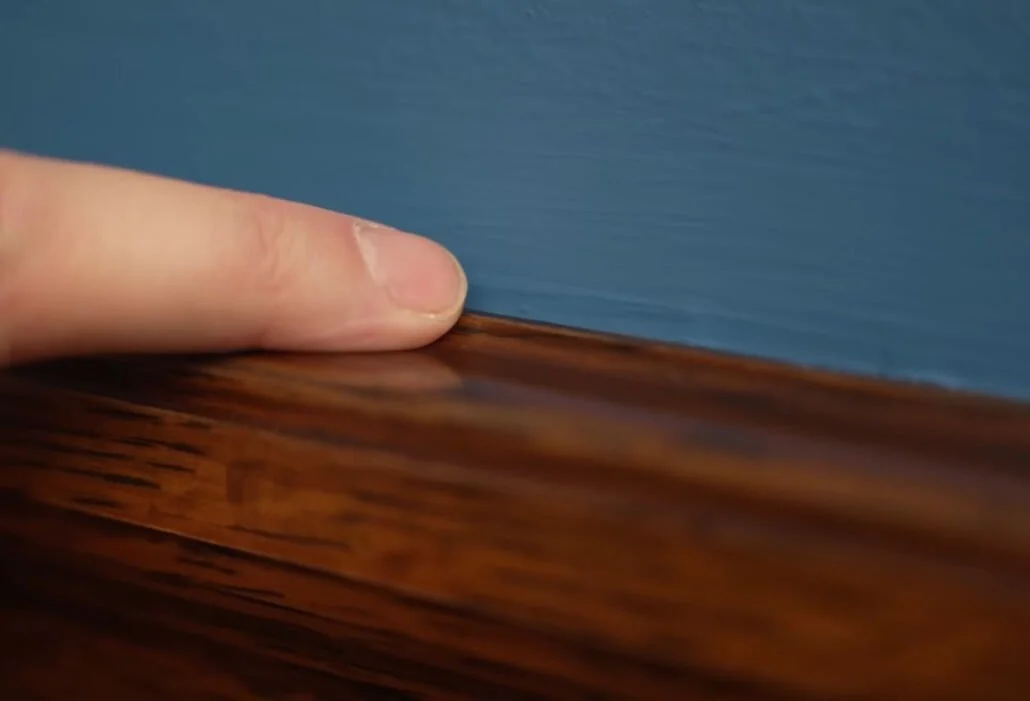
- Thorough Vacuuming: Moths and their eggs often reside in dust and debris accumulating in baseboards, carpet edges, and closet corners. A meticulous vacuuming of all closet floors and surrounding areas, with particular attention to cracks and crevices where walls meet floors, is essential. Crucially, the vacuum canister or bag must be emptied outside the house immediately after use to prevent any captured larvae or eggs from escaping back into the environment.
- Strategic Glue Trap Deployment: Pheromone glue traps, while not a standalone solution for eradication, serve as an invaluable diagnostic tool. Placed in various rooms, these traps attract and capture male clothes moths, indicating active infestation zones. This mapping function helps homeowners identify where to concentrate cleaning and treatment efforts. It is vital to ensure these are specific clothes moth pheromone traps, as pantry moth traps are ineffective against fabric pests.
- Expedited Ordering of Biological Control Agents: For a comprehensive and sustainable solution, the immediate ordering of Trichogramma (parasitic) wasps is highly recommended. These live organisms typically have a lead time for shipping, and prompt ordering ensures the earliest possible deployment to disrupt the moth’s egg-laying cycle.
- Vigorous Brushing of Adjacent Clothing: Garments stored near infested items, even if appearing clean, may harbor microscopic eggs or early-stage larvae. Taking these items outdoors and giving them a vigorous brushing can physically dislodge and destroy these nearly invisible threats, preventing their development.
- Inspection of Non-Clothing Wool Sources: Clothes moths are opportunistic and not confined to wardrobes. Inspection should extend to wool rugs, upholstered furniture (especially undersides), felt in pianos, taxidermy, and any other items containing animal fibers, particularly in dark, undisturbed locations. The presence of "rice-like" eggs or silken tubes is a telltale sign.
Beyond the Closet: Uncovering Hidden Breeding Grounds
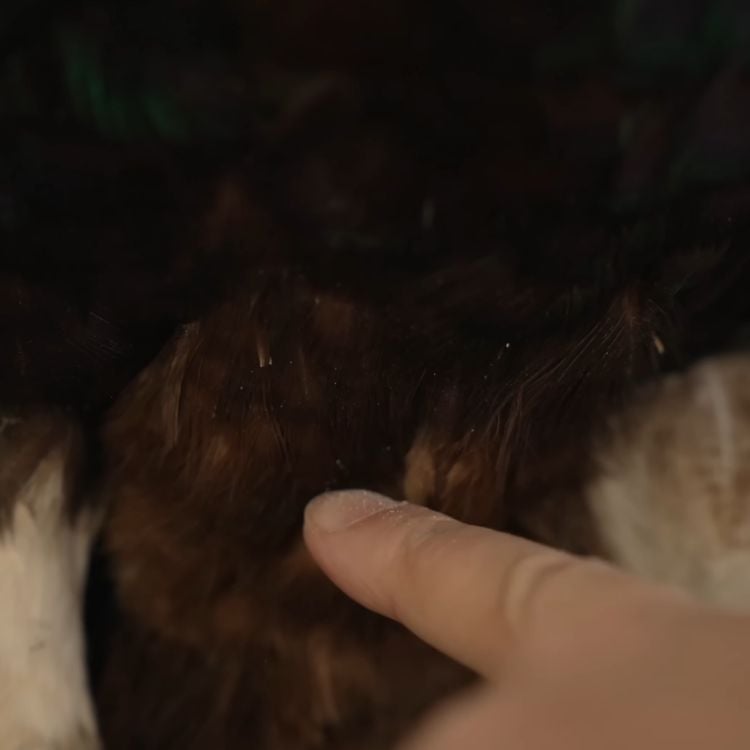
A common misconception is that clothes moth problems are strictly localized to wardrobes. In reality, these pests are relentless scavengers driven by a biological imperative to find keratin. This protein, integral to nearly all animal-based fibers, makes a vast array of household items potential food sources. Consequently, infestations rarely remain confined to a single closet.
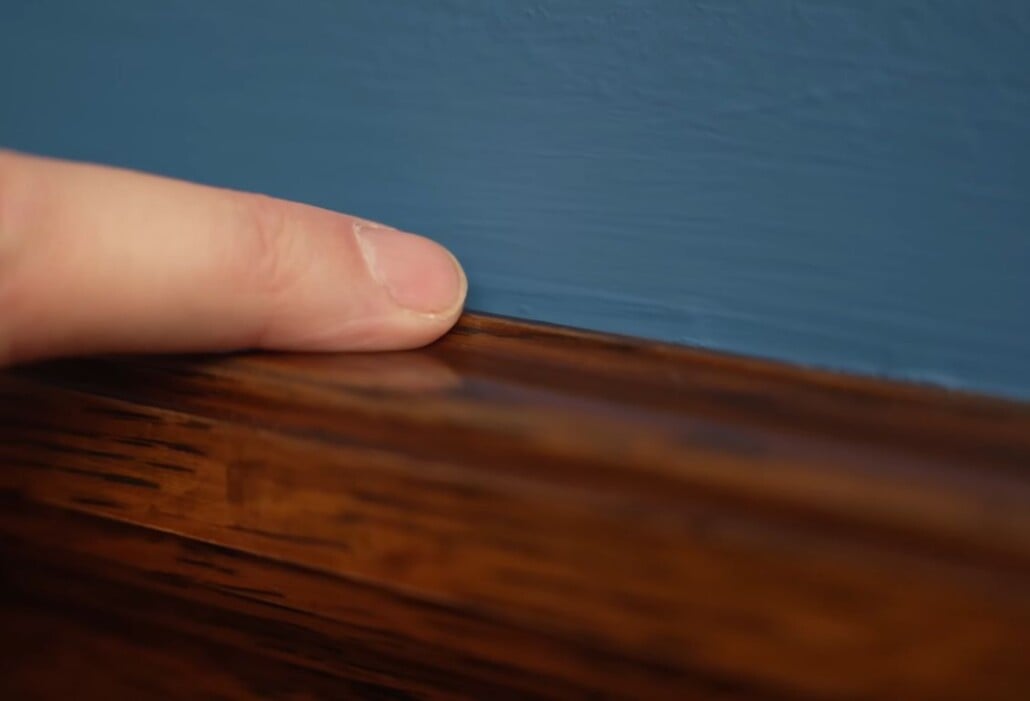
Upon closer inspection, moth eggs, larvae, and damage can be found in a surprising variety of locations:

- Wool Rugs and Carpets: Especially underneath furniture or in low-traffic areas.
- Upholstered Furniture: The undersides, seams, and cushions, particularly those containing wool or down.
- Piano Felts: The hammers and internal components of pianos, often overlooked, provide a rich source of wool felt.
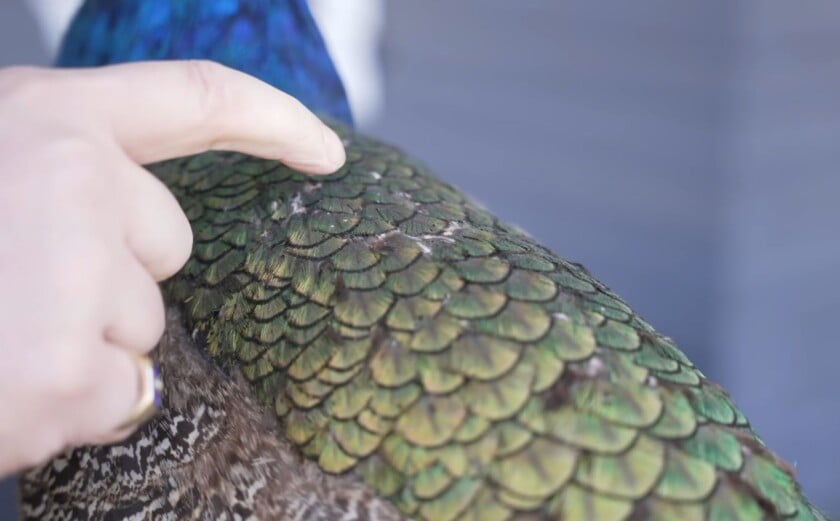
- Taxidermy: Animal mounts, rugs, or decorative items made from fur or feathers.
- Pet Beds: Beds made with wool, down, or fur can attract moths.
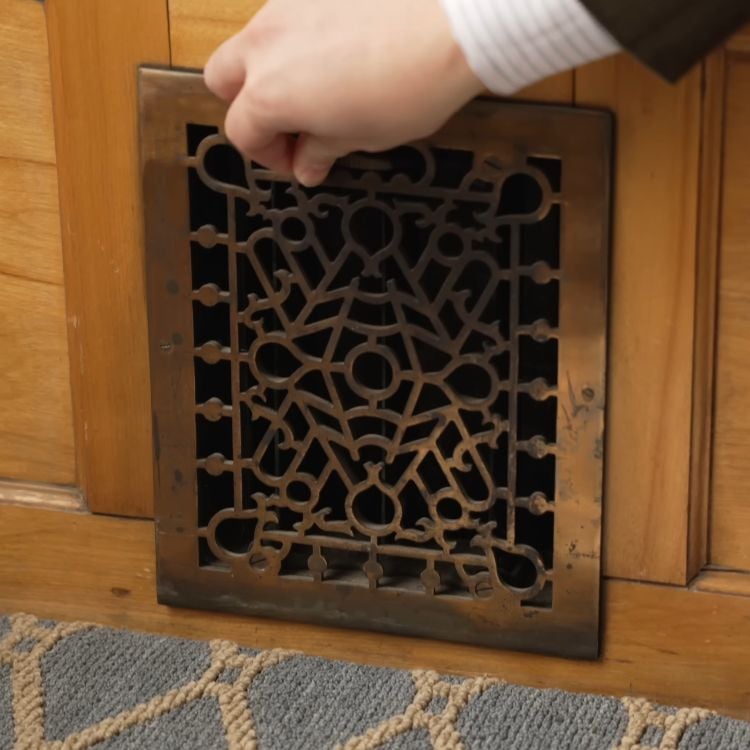
- HVAC Ductwork and Vents: Accumulations of dust, lint, and pet hair within ductwork create ideal, undisturbed breeding grounds.
- Baseboards and Wall Gaps: Dust and organic debris collect in these crevices, providing both food and shelter.
- Attics and Storage Areas: Old furs, wool blankets, and other forgotten textiles are prime targets.
- Rarely Used Items: Valuables stored in boxes or chests, such as vintage hats, antique tapestries, or ceremonial garments, are particularly vulnerable due to lack of disturbance.
The realization that an entire home, rather than just a wardrobe, can be under attack underscores the scale and complexity of managing a widespread infestation.
Evaluating Common Clothes Moth Remedies: Why Many Fall Short
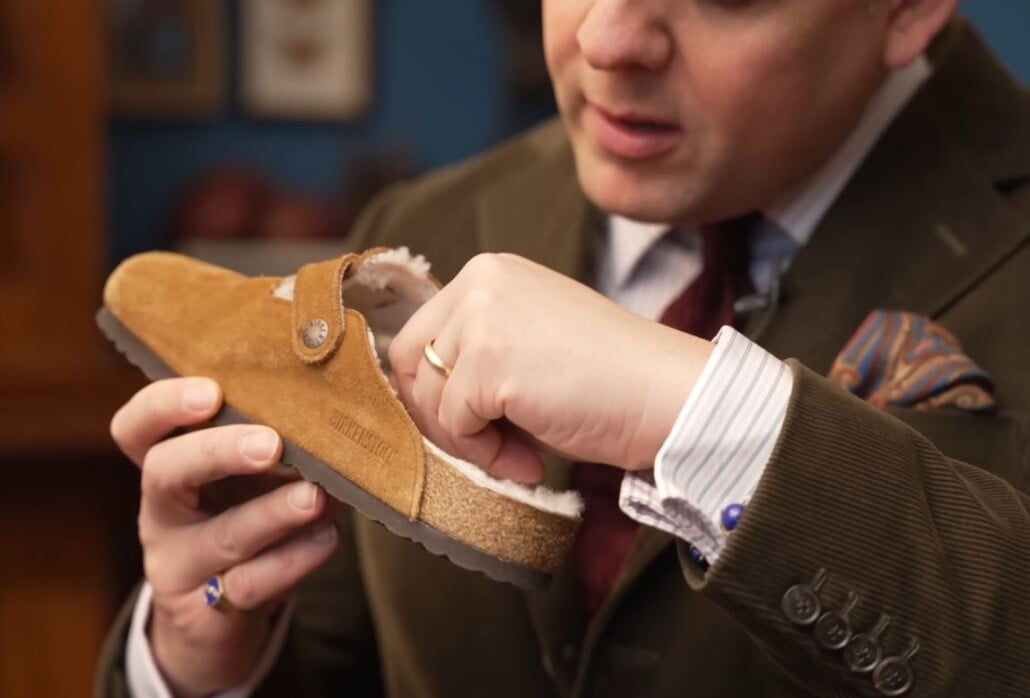
In the face of an infestation, homeowners often turn to readily available home remedies and commercial products. However, many of these solutions, while appealing for their simplicity or low cost, prove insufficient for a persistent and pervasive clothes moth problem.
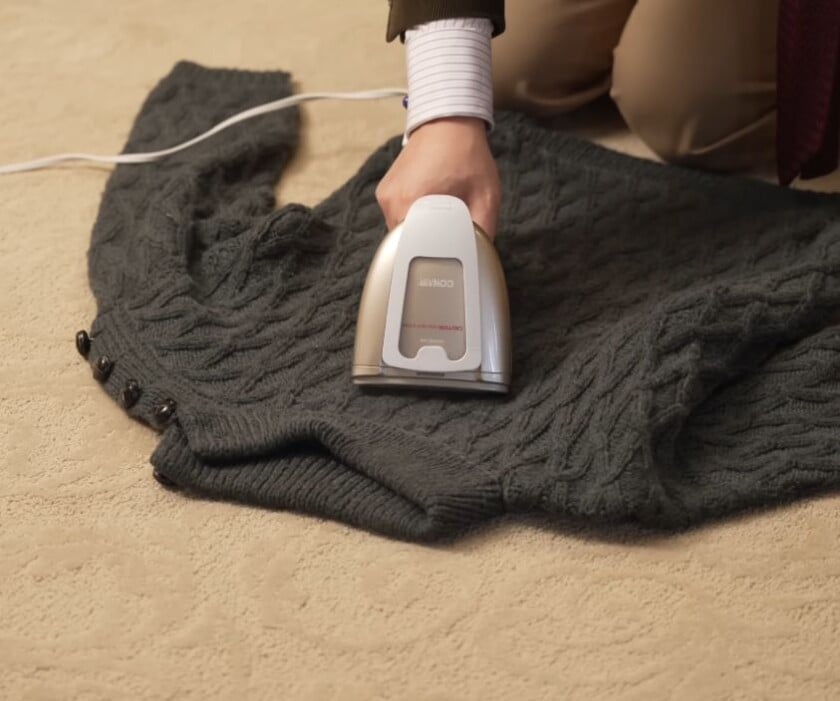
- Vodka Sprays and Steamers: Applying alcohol or hot steam directly to garments is a common DIY approach. While high heat (above 120°F or 49°C for 20-30 minutes) or direct alcohol contact can kill larvae and eggs, the practicality for a large wardrobe is daunting. Steaming every single garment thoroughly enough to penetrate thick fibers and deep crevices is an immense, time-consuming task with no guarantee of complete eradication. Similarly, surface sprays often fail to reach hidden eggs or larvae. These methods are best considered for spot treatments or pre-treatment of individual items.
- Cedar Wood and Lavender Sachets: The use of cedar blocks, cedar-lined closets, or lavender sachets is a widely propagated myth regarding moth deterrence. While the strong aromatic oils in cedar (specifically cedrene and cedrol) and lavender can act as mild repellents in high concentrations, they do not kill moths, eggs, or larvae. In an open closet, the volatile compounds quickly dissipate, rendering them largely ineffective. Furthermore, even if moths are deterred from one area, they will simply migrate to another undisturbed location in the home, continuing the infestation elsewhere.
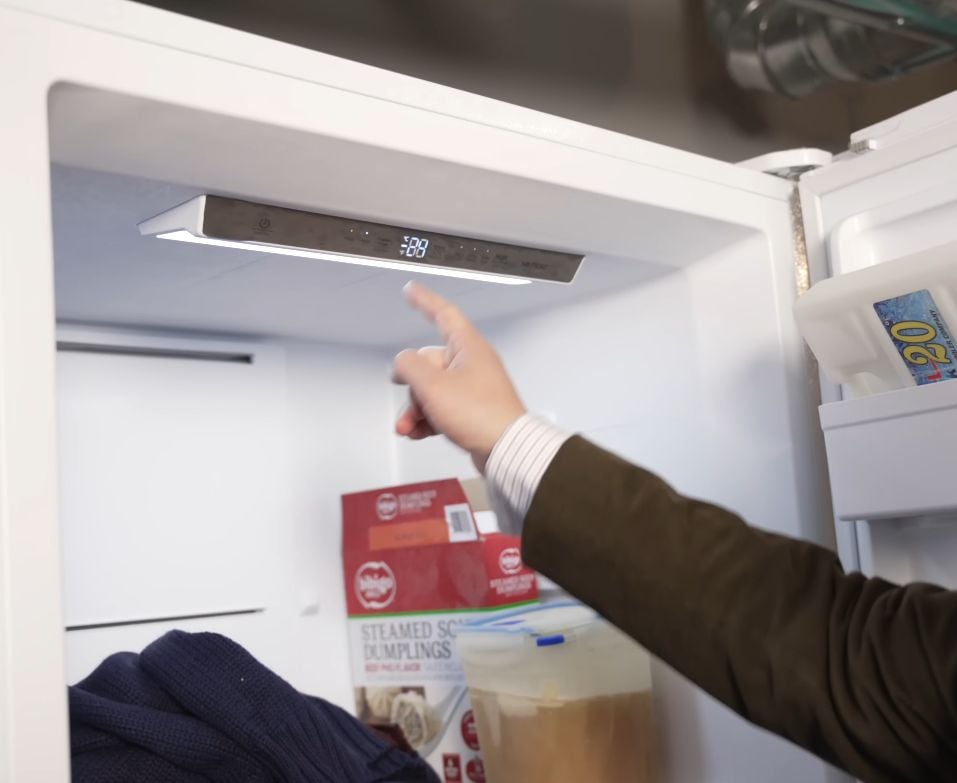
- The Freezing Method: Extreme cold (0°F or -18°C or below for at least 72 hours, ideally a week) is scientifically proven to kill clothes moth eggs and larvae. This method is effective for individual garments that can be sealed in plastic bags and placed in a freezer. However, its efficacy is severely limited by scale. Freezing an entire wardrobe or all infested household items requires significant freezer capacity and an extensive rotation schedule, often taking weeks or months. During this prolonged process, untreated areas of the house remain active breeding grounds, allowing the infestation to persist or re-establish. The logistical challenge makes it an impractical primary solution for a house-wide problem.
- House Heating Strategy: The idea of heating an entire house to lethal temperatures (above 130°F or 54°C) is technically effective against pests. However, this method is highly impractical and carries significant risks. Sustained extreme heat can cause severe structural damage to a home, including warping wood, peeling wallpaper, and damaging electronics, leading to repair bills far exceeding the cost of pest control. This strategy is typically only employed by professional pest control services in very specific, controlled scenarios, often using specialized equipment and temporary structural modifications.
- Pheromone Glue Traps (Limitations): As previously noted, pheromone glue traps are excellent for detection but not eradication. These traps specifically target and capture adult male clothes moths by mimicking female pheromones. While catching males can reduce the reproductive potential, it does not address the thousands of eggs already laid by mated females, nor does it affect the destructive larvae already feeding on textiles. Adult moths, in fact, have atrophied mouthparts and do not feed; their sole purpose is reproduction. Therefore, relying solely on traps for eradication is a fundamental misunderstanding of the moth life cycle and will ultimately fail to eliminate the infestation.
The Ultimate Biological Solution: Parasitic Wasps
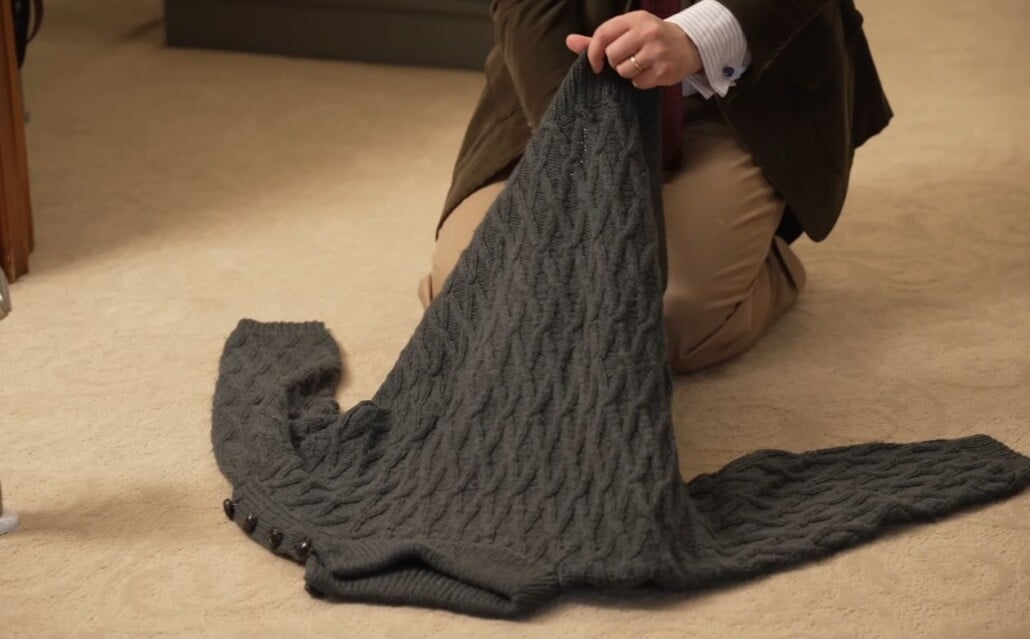
After exhausting conventional and often ineffective remedies, a scientifically sound and environmentally friendly solution emerges: biological control using parasitic wasps. This method, while initially sounding alarming to those unfamiliar with it, represents a highly effective and sustainable approach to clothes moth eradication.
- Introducing Trichogramma Wasps: Trichogramma wasps are microscopic, non-stinging insects that are virtually invisible to the naked eye. Unlike the aggressive wasps commonly encountered outdoors, these beneficial insects pose no threat to humans or pets. Their entire life cycle is dedicated to a singular biological purpose: parasitizing the eggs of various pest insects, including clothes moths.
- Mechanism of Biological Control: The efficacy of Trichogramma wasps lies in their ability to actively hunt down and neutralize clothes moth eggs. Regardless of where moth eggs are hidden – deep within upholstery, behind baseboards, or nestled in piano felts – the wasps will locate them. Once an egg is found, the female wasp lays her own egg inside the moth egg. The developing wasp larva then consumes the moth embryo, effectively killing the moth before it can hatch and cause damage. This process breaks the moth’s life cycle at its most vulnerable stage.
- Safety and Convenience: Trichogramma wasps are completely harmless to humans, pets, and plants. They do not sting, bite, or carry diseases. Once their short lifespan is complete, they simply decompose into fine dust, requiring no special cleanup beyond routine household vacuuming and dusting. This makes them an ideal solution for homes with children, pets, or individuals sensitive to chemical pesticides.
- Deployment and Coverage: Parasitic wasps are typically shipped as microscopic eggs on small paper strips or tabs. Deployment is straightforward: these tabs are simply placed in areas identified with moth activity. Each tab can contain thousands of wasp eggs, providing coverage for a significant area (e.g., 10,000 wasps per tab for approximately 3,000 square feet). For widespread or severe infestations, it is often advisable to err on the side of deploying more wasps to ensure comprehensive coverage.
Long-Term Prevention: Fortifying the Perimeter
While parasitic wasps are an exceptional tactical strike team for clearing an active infestation, sustained vigilance and preventative measures are crucial to ensure the "nightmare" never returns. Moths can easily be reintroduced into a home through various vectors, necessitating a permanent defense strategy.
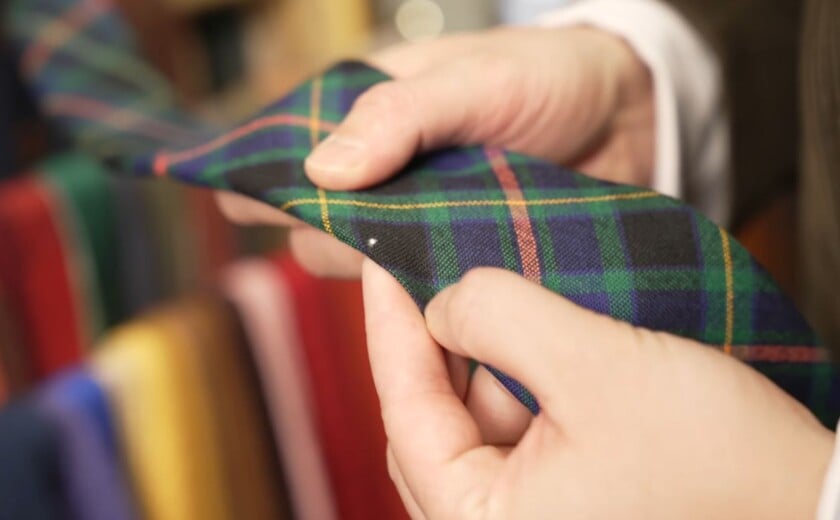
- Consistent Garment Brushing: Moth eggs are fragile and loosely attached to fabric fibers. A simple yet highly effective preventative measure is to brush natural fiber garments vigorously after every wear, especially before returning them to the closet. A high-quality clothes brush removes dust, lint, and physically dislodges any microscopic moth eggs that may have "hitched a ride" from outside the home. This daily habit prevents eggs from settling and hatching.
- Breathable Garment Storage: For seasonal or infrequently worn items, a physical barrier is essential. However, the thin plastic bags from dry cleaners should be avoided, as they trap moisture, which can degrade fibers, cause odors, and promote yellowing. Instead, invest in high-quality, breathable cotton or non-woven fabric garment bags. These bags allow air circulation while creating a mesh barrier too fine for female moths to penetrate, preventing them from laying eggs on the enclosed garments.
- The "Subscription" Approach to Biological Control: Given the persistent threat of re-infestation, a proactive approach to biological control offers unparalleled peace of mind. Establishing a regular, periodic delivery of Trichogramma wasps (e.g., monthly or quarterly) ensures a continuous presence of these beneficial insects, effectively intercepting any new moth eggs before they can hatch and cause damage. This ongoing biological defense transforms pest control from a reactive battle into a permanent, low-effort prevention strategy.
- Regular Cleaning and Inspection: Routine deep cleaning, especially in dark, undisturbed areas, remains vital. Vacuuming under furniture, behind curtains, and in closet corners helps remove dust, lint, and potential food sources for larvae. Regular inspection of vulnerable items (rugs, upholstery, stored textiles) allows for early detection of any renewed activity.
Protecting Your Investment: The Economic and Preservation Implications
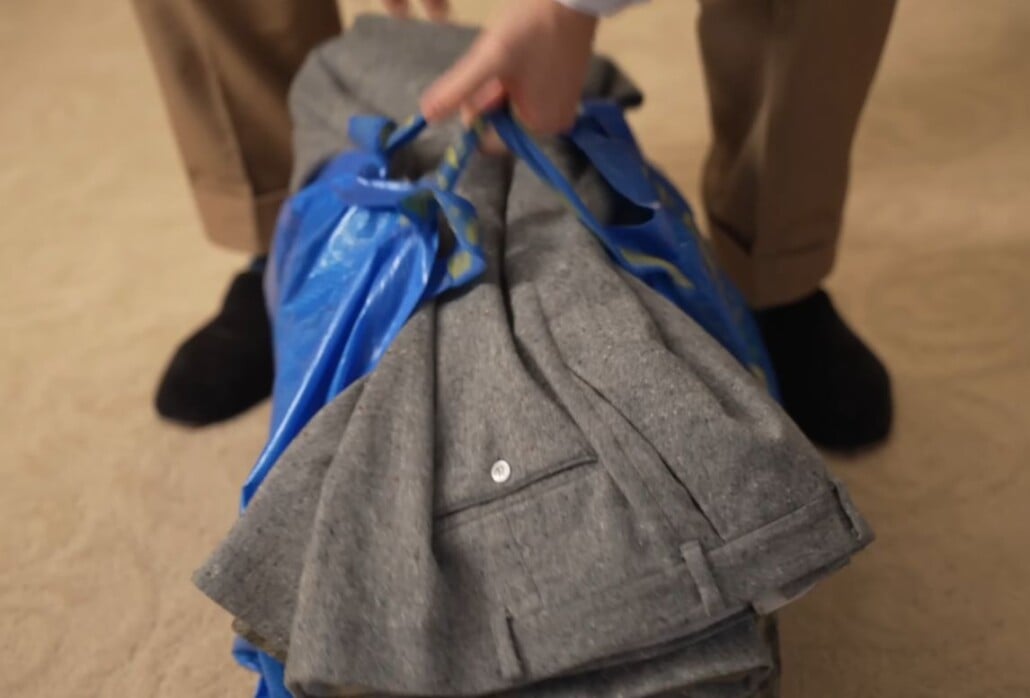
Building a wardrobe of bespoke suits, vintage tweeds, and luxurious cashmere represents a significant long-term investment, both financially and emotionally. Similarly, antique rugs, cherished family heirlooms, and historical textile collections hold irreplaceable value. The cost of replacing moth-damaged items can quickly escalate into thousands of dollars, far outweighing the cost of preventative measures. For instance, a single infestation in a piano’s wool felt hammers can necessitate repairs costing over $2,000.
The scientific and strategic approach to clothes moth control, particularly through the deployment of parasitic wasps, offers a robust and sustainable solution. By understanding the moth’s biology, recognizing the limitations of common remedies, and embracing effective biological and preventative strategies, homeowners can safeguard their valuable textiles and maintain a pristine living environment. This commitment to continuous protection is a small price to pay for preserving an investment built over a lifetime.