









Fabric pilling, those ubiquitous small, fuzzy bobbles that manifest on textiles, represents a common challenge for garment owners, diminishing the aesthetic appeal and perceived quality of even high-end knitwear. These "tumbleweeds" of loose fibers are an inevitable byproduct of friction and wear, yet their presence does not signal the demise of a cherished garment. A recent comprehensive study, focusing on the restoration of pilled fabrics, rigorously evaluated nine common household and specialized tools on a 100% wool sweater to determine the most effective, efficient, and safe methods for depilling. The findings provide clear guidance for consumers aiming to extend the lifespan and maintain the pristine appearance of their wardrobe investments.
Understanding Fabric Pilling: The Science Behind the Fuzz
Pilling is a complex textile phenomenon primarily driven by mechanical abrasion. It occurs when individual fibers on the surface of a fabric break, unravel, and become entangled, forming small, dense balls. This process is exacerbated by friction, which can arise from regular wear, washing, or even contact with other garments. Several factors influence a fabric’s propensity to pill:
- Fiber Type: Synthetic fibers like polyester, due to their strength and resistance to breakage, are particularly prone to pilling as the loose fibers remain attached to the fabric surface. Natural fibers such as wool and cotton also pill, but their weaker fibers tend to break off more easily, leading to less persistent pills over time. Blends of natural and synthetic fibers often exhibit the worst pilling, as the strong synthetic fibers anchor the weaker natural fibers, preventing them from shedding.
- Yarn Construction: Loosely spun yarns or those with a fuzzy surface allow fibers to migrate and entangle more readily. Tightly twisted, compact yarns are generally more pill-resistant.
- Fabric Structure: Knitted fabrics, particularly those with loose weaves, are more susceptible to pilling than tightly woven fabrics, as the open structure provides more opportunities for fiber ends to protrude and tangle.
- Wear and Tear: Areas of high friction, such as underarms, cuffs, and sides of garments, typically experience the most severe pilling.
While frustrating, understanding the root causes of pilling underscores that it is a natural part of a fabric’s lifecycle, rather than an indication of poor quality. The challenge lies in effectively managing and removing these pills without damaging the underlying fabric structure.

The Rigorous Methodology: A Controlled Experiment
The study employed a controlled methodology to ensure objective evaluation. A single 100% wool sweater, exhibiting uniform pilling across its surface, was sectioned into nine distinct areas. Each section was then subjected to a different depilling tool, applied with consistent pressure and technique. The performance of each tool was meticulously assessed against three critical metrics:
- Efficiency: The speed and ease with which pills were removed from the designated area.
- Safety: The degree of risk posed to the fabric, including potential for holes, thinning, or fiber damage.
- Cost: The initial investment required for the tool and its long-term operational expenses (e.g., batteries, replacement blades).
This systematic approach allowed for a direct comparison of effectiveness, moving beyond anecdotal evidence to provide data-driven recommendations.
The Champions of Depilling: Top-Ranked Methods
The research unequivocally identified two standout performers, one specialized and one surprisingly accessible, as the most effective for restoring pilled knitwear.
Electric Fabric Shavers: The Professional Standard
Emerging as the undisputed "gold standard," the electric fabric shaver, also known as a defuzzer, demonstrated superior performance across all evaluation criteria. Its mechanism involves a rotating blade housed beneath a protective metal mesh. As the device glides over the fabric surface, the mesh allows only the raised pills to pass through, where they are cleanly cut by the blades.

- Efficiency: Electric fabric shavers offer unparalleled speed, capable of clearing significant areas of pilling in mere minutes. Their motorized action ensures a consistent and rapid removal process, making them ideal for heavily pilled garments.
- Safety: When used correctly, these devices are remarkably safe. The protective guard prevents direct contact between the blades and the main fabric, minimizing the risk of accidental cuts, snags, or thinning. Modern shavers often feature adjustable height settings, allowing users to tailor the blade distance to different fabric types and pilling severity.
- Cost: While requiring an initial investment ranging from $15 to $50, the long-term cost-effectiveness is high. Their durability and efficiency justify the purchase for individuals serious about garment care. "For anyone committed to preserving the integrity and appearance of their knitwear, an electric fabric shaver is not merely a tool but an essential investment," stated a textile care specialist familiar with the study’s findings. "It provides a professional finish that manual methods struggle to replicate consistently."
The Humble Nail File: A Surprising Budget Contender
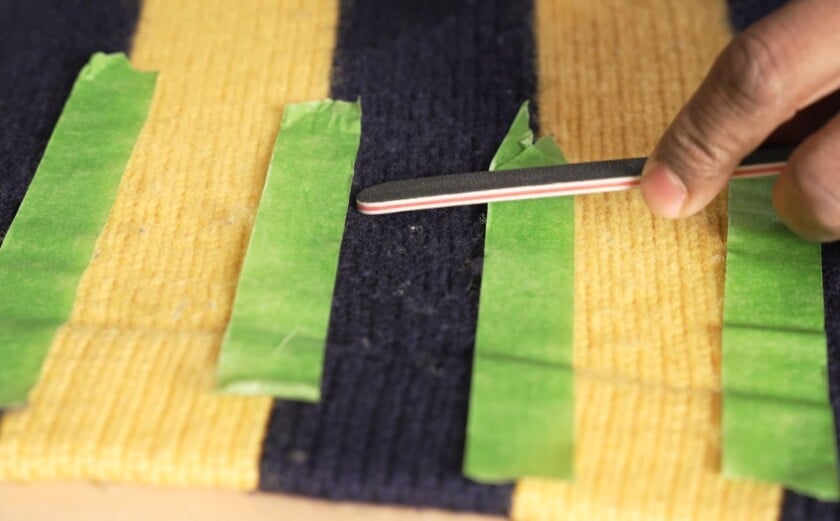
Perhaps the most unexpected revelation of the study was the exceptional performance of a simple emery board or nail file. This ubiquitous grooming tool, readily available and inexpensive, significantly outperformed many purpose-built depilling devices.
- Efficiency: The abrasive surface of a medium-grit nail file effectively snags and lifts pills from the fabric. When used with light, controlled strokes in a single direction, it efficiently gathers the loose fibers, which can then be brushed away. Its compact size also allows for precision work on smaller areas.
- Safety: With careful application, a nail file is remarkably safe. The key is to use minimal pressure and maintain a steady hand, stretching the fabric taut to prevent it from bunching and getting caught. Unlike sharp blades, its abrasive action is less likely to cause catastrophic damage, though excessive force can still abrade the fabric surface.
- Cost: At virtually no cost, given its common presence in most households, the nail file presents an unbeatable budget-friendly solution. "The nail file’s effectiveness highlights that sophisticated tools aren’t always necessary for impressive results," commented one of the researchers. "It’s a testament to simple mechanics and careful technique."
Moderately Effective Solutions: Balancing Safety and Speed
Several other tools demonstrated varying degrees of effectiveness, offering viable alternatives depending on the user’s priorities and the extent of pilling.
Pumice Stones: A Traditional Approach
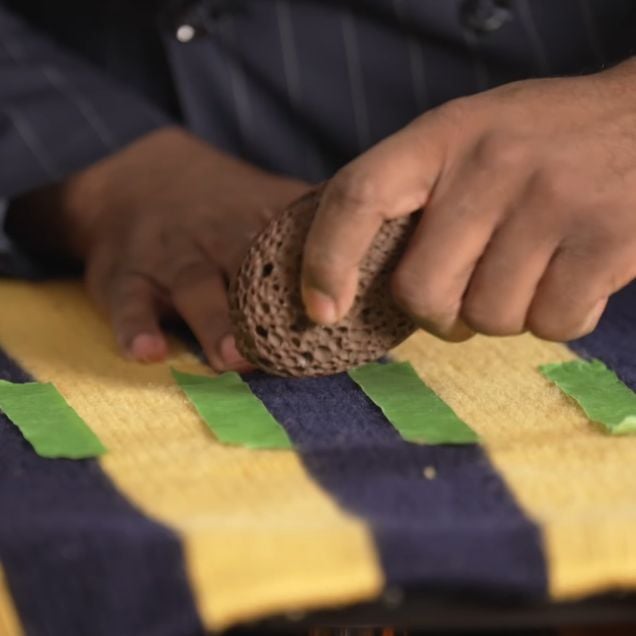
Pumice stones, or specialized fabric combs designed with a similar abrasive surface, have long been a traditional method for depilling. The study found them to be reasonably effective, scoring a 6 out of 10.
- Mechanism: Like a nail file, the abrasive texture of the pumice stone gently scrapes across the fabric, lifting and gathering pills.
- Efficiency: They work at a moderate pace, faster than manual plucking but slower than electric shavers. They are best suited for garments with moderate pilling.
- Safety: Generally safe when used with light pressure. However, excessive rubbing can lead to fiber abrasion and thinning, and they can be somewhat messy, shedding stone particles and accumulated fuzz.
Electric Facial Shavers: An Unconventional Alternative
An interesting observation was the moderate success of electric facial shavers (often used for stubble or peach fuzz). These devices, similar in principle to fabric shavers but designed for skin, scored an 8 out of 10 for efficiency, but only medium for safety.
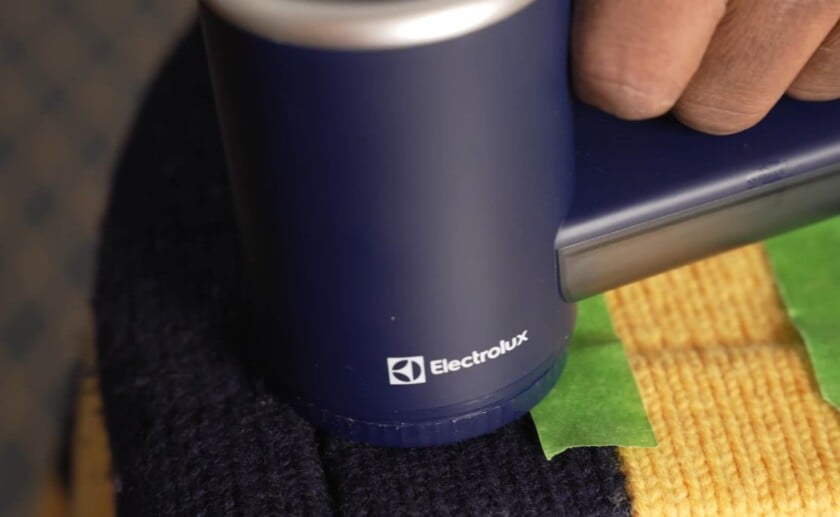
- Efficiency: Their small rotating blades can effectively remove pills.
- Limitations: The smaller head size makes them less efficient for large areas, and they are prone to clogging with fabric fibers, requiring frequent cleaning.
- Safety: While generally safe, the smaller, sharper blades designed for facial hair may pose a slightly higher risk of snagging delicate fibers if not handled with extreme care.
Manual Razors: High Risk, High Reward
Manual razors, often employed as a quick fix, scored high on efficiency (8/10) but critically low on safety.
- Efficiency: A sharp razor blade can indeed quickly slice off pills.
- Safety: This method carries an extremely high risk of cutting the fabric itself, leading to irreparable damage. The slightest lapse in concentration or uneven pressure can result in holes or permanent thinning of the garment. "While visually effective in a demonstration, recommending a manual razor for general depilling is akin to suggesting a surgeon’s scalpel for a kitchen task—it’s highly specialized and carries immense risk if not wielded by an expert," warned a fabric conservation expert. This method is strongly discouraged for most consumers.
Ineffective or Risky Methods: What to Avoid
The study also highlighted several methods that proved largely ineffective or posed unacceptable risks to garment integrity.
Tweezers and Nail Scissors: Precision, Not Efficiency
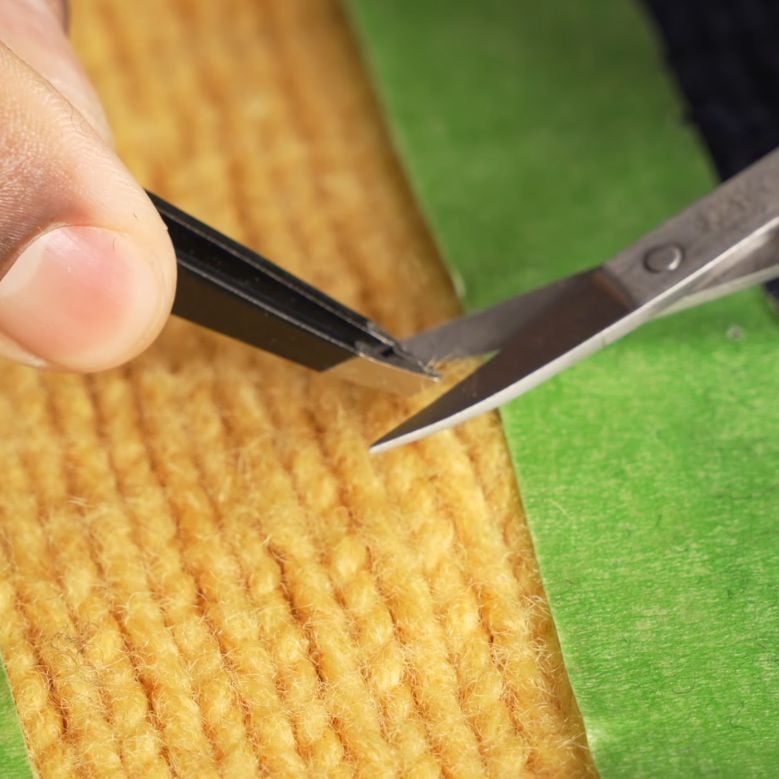
While perfectly safe for removing one or two isolated pills, tweezers and small nail scissors proved impractical for a garment with widespread pilling, scoring a dismal 3 out of 10 for efficiency. The time and meticulous effort required render them useless for anything beyond "surgical" spot-fixes.
Lint Rollers and Tape: Surface-Level Only
Lint rollers and adhesive tape, while excellent for picking up loose surface fuzz, dust, and pet hair, are fundamentally ineffective at removing true pills. They scored a mere 2 out of 10. Pills are fibers that are still attached to the fabric; these tools simply pull at them without detaching them cleanly, potentially exacerbating the pilling by loosening more fibers.
Sandpaper: A Recipe for Disaster
Sandpaper, particularly coarser grits, was identified as the most damaging method, scoring a critical 1 out of 10. Its highly abrasive surface aggressively tears at the fabric, not only removing pills but also severely thinning the material, altering its texture, and creating new weak points that will lead to more pilling or outright holes. This method should be unequivocally avoided.
Preventative Measures: Extending Garment Life
Beyond reactive depilling, the study emphasized the crucial role of proactive garment care in minimizing pilling and extending the life of knitwear. The "golden rule" of knitwear maintenance is prevention.
- Choose Quality Fabrics: Opt for tightly woven materials and high-quality natural fibers like silk, linen, or long-staple wool, which are inherently more resistant to pilling. Look for garments labeled "anti-pill."
- Wash with Care: Turn garments inside out before washing to reduce external friction. Use a gentle cycle with cold water and a mild, wool-specific detergent. Overloading the washing machine should be avoided, as it increases friction between garments.
- Air Dry When Possible: Tumble drying significantly increases friction and heat, both major contributors to pilling. Laying sweaters flat to dry or using a drying rack helps preserve fiber integrity.
- Proper Storage: Fold knitwear instead of hanging to prevent stretching and distortion. Store in breathable garment bags to protect from dust and friction with other items.
- Reduce Friction During Wear: Be mindful of activities that create excessive friction, such as wearing backpacks or rough outerwear directly over delicate knitwear.
Adopting these preventative measures can significantly reduce the frequency and severity of pilling, thereby reducing the need for intensive depilling efforts and contributing to a more sustainable wardrobe.
Broader Implications: Sustainability and Consumer Habits
The findings of this study carry significant implications beyond simply maintaining a neat appearance. In an era dominated by fast fashion and escalating textile waste, the ability to effectively care for and restore garments is a critical component of sustainable consumption.
According to the Environmental Protection Agency (EPA), over 17 million tons of textile waste ended up in landfills in 2018 in the United States alone. A substantial portion of this waste comprises garments discarded due to minor imperfections like pilling, which consumers perceive as irreparable. By providing clear, actionable advice on depilling, this research empowers consumers to make more environmentally conscious choices, extending the useful life of their clothing and reducing their contribution to landfill waste.
From an economic perspective, proper garment care protects consumer investments. High-quality knitwear, often made from expensive natural fibers, represents a significant purchase. The ability to restore these items to near-new condition helps consumers save money by avoiding premature replacements and maximizing the value of their wardrobe. This shift towards valuing longevity and care over constant consumption aligns with a growing global movement towards ethical and sustainable fashion.
Industry experts anticipate a continued rise in the market for garment care tools and educational resources as consumers become more aware of the environmental and economic benefits of clothing preservation. "The fashion industry is slowly but surely moving towards a more circular economy," noted a spokesperson from a leading textile association. "Educating consumers on simple, effective garment care techniques, like depilling, is fundamental to this transition. It transforms garments from disposable items into long-term assets."
Conclusion
Fabric pilling, while an inherent characteristic of many textiles, is no longer an insurmountable obstacle to maintaining a polished wardrobe. The recent study provides clear, data-backed recommendations, identifying the electric fabric shaver as the premier tool for efficient and safe depilling, with the humble nail file emerging as an unexpectedly effective and budget-friendly alternative.
The research underscores that while reactive depilling methods are valuable, a proactive approach through careful washing, drying, and storage remains the most gentlemanly and environmentally responsible path to preserving high-quality knitwear. By embracing these insights, consumers can confidently extend the life and enhance the appearance of their cherished garments, contributing to both personal style and broader sustainability efforts.
Frequently Asked Questions
What is fabric pilling, and why does it occur?
Fabric pilling occurs when small, tangled balls of fibers, known as pills, form on the surface of a garment. This phenomenon is primarily caused by friction and abrasion during wear and washing. Fibers on the fabric surface loosen, break, and then entangle with each other, forming these visible bobbles. It is common in various fabrics, including wool, cotton, polyester, and especially blends of natural and synthetic fibers.
How can I prevent pilling on my clothes to begin with?
Prevention is key to minimizing pilling:
- Choose Quality Fabrics: Opt for tightly woven or spun fabrics and natural fibers like silk, linen, or high-quality, long-staple wool, which tend to pill less. Look for "anti-pill" labels.
- Wash Inside Out: Turn garments inside out before washing to reduce surface abrasion.
- Use Gentle Cycles and Cold Water: Harsh washing cycles and hot water increase friction and stress on fibers. A gentle cycle with cold water is less damaging.
- Avoid Overloading the Washer: Give clothes ample space to move freely, preventing excessive rubbing against each other.
- Air Dry: Tumble drying can generate significant friction and heat, both major contributors to pilling. Air drying on a rack or flat surface is preferable.
- Proper Storage: Fold knitwear neatly instead of hanging, and store in a way that minimizes friction with other items.
Are there any fabrics that are naturally more resistant to pilling?
Yes, certain fabrics and constructions are less prone to pilling. These include:

- Silk and Linen: Their smooth, strong fibers tend not to break and entangle easily.
- High-Quality Wool: Especially merino wool with longer fibers, which are less likely to migrate and pill.
- Tightly Woven Fabrics: These structures hold fibers more securely, reducing their ability to loosen and form pills.
- Fabrics with "Anti-Pill" Treatments: Some synthetic fabrics or blends are treated during manufacturing to resist pilling.
Can pilling be completely avoided?
While it’s difficult to completely eliminate pilling, especially with regular wear and cleaning, following the preventative measures and utilizing effective depilling tools can significantly reduce its occurrence and manage its appearance. Pilling is often an inevitable characteristic of textiles, particularly those with looser weaves or blends. Regular, mindful maintenance is crucial for keeping garments looking their best.
What are the safest and most effective methods for removing pilling from clothes?
Based on recent research, the safest and most effective methods include:
- Electric Fabric Shaver (De-fuzzer): This specialized tool is highly efficient and safe, cleanly cutting pills without damaging the fabric.
- Nail File (Emery Board): A surprisingly effective and inexpensive method when used with light, controlled strokes.
- Pumice Stone or Fabric Comb: A traditional method that works well for moderate pilling, though it can be slower and slightly messier.
It is important to always stretch the fabric taut before applying any depilling tool to ensure a smooth surface and minimize risk.