










Despite prevailing global complications and persistent travel uncertainties, the prestigious Watches & Wonders luxury timepiece trade show successfully convened in Geneva, Switzerland, in April 2026, adhering to its established annual schedule. This gathering, a cornerstone of the horological calendar for over a century, once again drew a diverse international contingent to the world’s watchmaking capital. The significance of such luxury trade shows extends far beyond mere product showcases; they represent a vital pillar of the Swiss economy, bolstering Switzerland’s global reputation as a purveyor of exceptional quality and sophisticated craftsmanship. While watchmaking may not constitute the largest segment of Switzerland’s overall revenue, its outsize impact on the nation’s brand perception and the economic and cultural dynamism of Geneva and its surrounding regions remains undeniable.

The climate in Geneva during mid-April 2026 was characterized by pleasantly warm days and evenings, providing a conducive atmosphere for retailers, media representatives, elite collectors, and brand staff. For nearly a week, attendees engaged in extensive networking, discussions, and the critical task of interpreting the current landscape of the watch world. Watches & Wonders serves a dual purpose: it is a platform for unveiling new timepieces, many of which will remain exclusive to the exhibition environment, and it functions as a crucial barometer for gauging industry sentiment. It offers a unique opportunity to observe the priorities and enthusiasms of peers and to discern the innovative ideas and concepts that the broader watchmaking ecosystem is actively investing in.
The Interconnected Ecosystem of Modern Watchmaking
The prevalent marketing descriptor of "independent" within the watch industry, while popular, often obscures the intricate realities of its operational structure. In contemporary horology, "independent" more accurately signifies operational autonomy – "no one tells us what to do" – rather than a complete detachment from the industry’s broader network, even for brands that are not independently owned or are part of larger conglomerates. True siloing is virtually impossible in the watchmaking business. Manufacturers and retailers alike depend on the robust functioning of other industry segments to ensure their own prosperity. Even the most artisanal watchmakers, those who engage directly with their clientele and cultivate dedicated fan bases, rely on a sophisticated supply chain and manufacturing infrastructure for the creation of their timepieces. The media, in turn, plays a critical role in translating complex or nuanced watchmaking achievements into compelling narratives, a function that necessitates sustained investment from companies seeking to leverage this marketing value. A growing consensus within the industry recognizes that these diverse businesses are not merely coexisting but are interconnected components of a complex web, where the strength of each node is essential to the integrity of the entire structure.

This analogy of an interconnected structure, where the resilience of each part is paramount, aptly describes the current state of the watch industry. While certain sectors exhibit remarkable strength and vitality, others remain comparatively weak and underdeveloped. The robust segments are eager to reignite activity, drive innovation, and return to peak performance. A palpable eagerness is evident among sales professionals ready to engage with clients, public relations teams poised to disseminate compelling brand stories, management eager to expand their teams, media outlets prepared to produce insightful content, and watchmakers dedicated to their craft. Conversations at Watches & Wonders 2026 revealed a significant reservoir of pent-up energy, poised for deployment in brand development and customer engagement. However, external forces and systemic impediments are currently restraining this potential. The engine of commerce requires capital and decisive leadership. The areas experiencing friction within the watchmaking ecosystem are predominantly the financial and managerial domains, where the industry grapples with a persistent identity crisis. Business leaders frequently struggle to define the strategic pathways for watch brands, posing fundamental questions: Can a brand consistently generate revenue? What is the projected timeline for investment returns? How can management be assured of effective leadership? What product categories will resonate with future consumer demand? Where should marketing expenditures be allocated? And crucially, how can consumer comprehension and appreciation of brand messaging be ensured?
The Challenge of Investment and Predictable Returns
These seemingly basic inquiries highlight a profound uncertainty. When posed to many watch brand executives or investors, they often elicit hesitant or inconclusive responses. The current era is marked by ambiguity, which inherently translates to increased risk. For several years, established business models and traditional luxury industry doctrines have proven insufficient as reliable guiding principles. While centuries of watchmaking history offer invaluable lessons on crafting exceptional timepieces, they provide limited insight into the strategies for growth and profitability in the contemporary luxury watch market of 2026 and beyond. Many brands acquired by major groups such as Richemont, LVMH, and The Swatch Group have not yielded the anticipated healthy profit margins without substantial, ongoing investment. A critical misconception in acquiring historic watch brands is the significant and continuous capital required to maintain market relevance. While comprehensive data is scarce, the effort and complexity involved in launching a new watch brand from inception appear to be comparable to revitalizing a legacy name.

This identity crisis within the watch investment landscape leads to a discernible reticence in spending and a lack of unwavering confidence. Investors who lack a fundamental understanding of their investments are inherently prone to making suboptimal decisions regarding their returns. Furthermore, the luxury watch industry shares a notable characteristic with the entertainment sector: the unpredictability of success. A blockbuster film can fail to recoup its investment despite meticulous planning, a parallel mirrored in the watch industry where new product launches or marketing campaigns can fall short of expectations. Financial institutions backing these brands often seek predictable returns, a goal that appears increasingly unrealistic. Observers note the persistent efforts of financial professionals to extract predictable patterns or definitive trajectories from complex market data. Many of these individuals, armed with advanced business degrees, find their ambitious strategies and shortcuts humbled within months or years. The inherent nature of the luxury watch industry is its profound unpredictability regarding consumer behavior and its perpetually intense competition. Shortcuts are ineffective with consumers who consistently demand and receive authentic value from competitors. For a brand to succeed in the current market, its timepieces, branding, communication strategies, customer service, and reputation must all be in perfect alignment. The sole viable strategy is the relentless pursuit of legitimacy. Brands that attempt to circumvent these fundamental principles are unlikely to remain viable for more than a few years, a pattern observed over two decades of industry evolution.
Shifting Consumer Tastes and the Quest for Authenticity
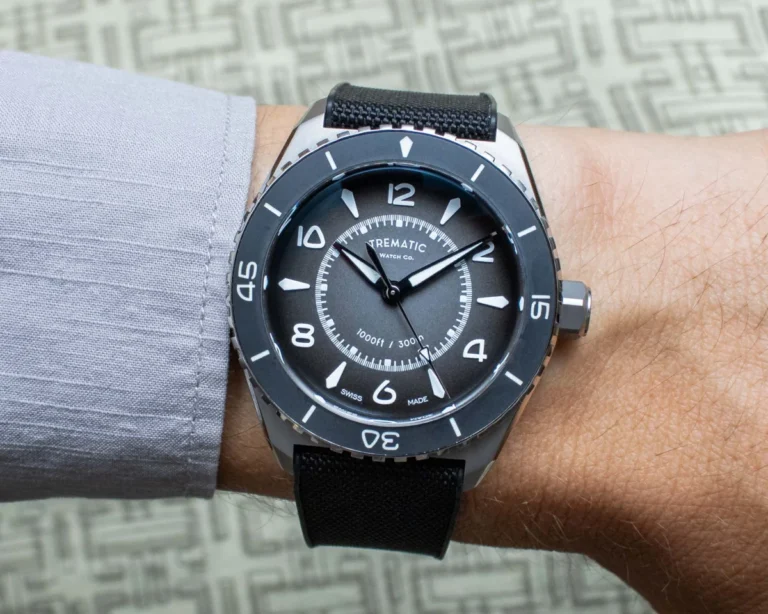
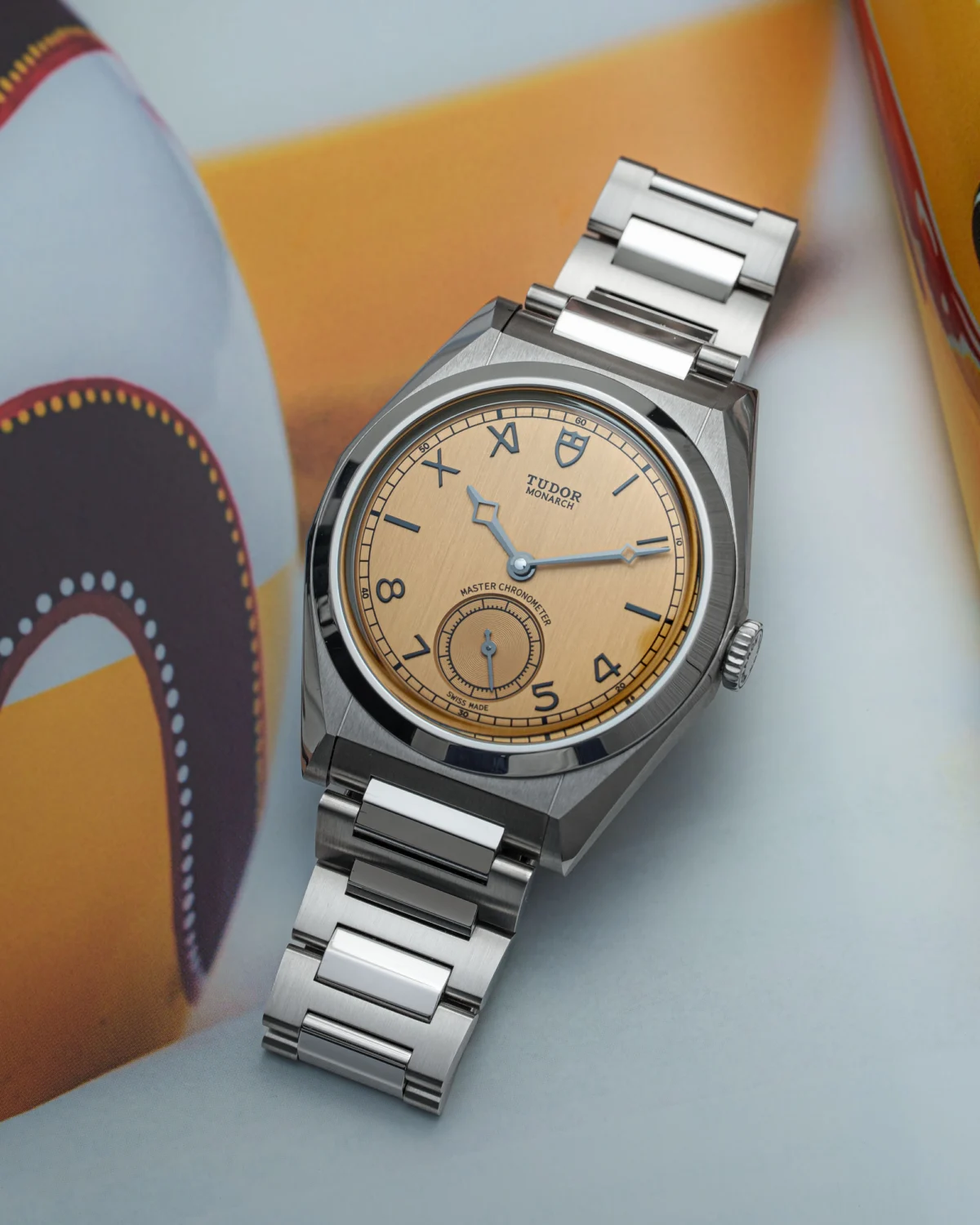
Consumer preferences are notably fluid, and their motivations can evolve rapidly. A compelling illustration of this dynamic was evident at Watches & Wonders, where men demonstrated a sudden burgeoning interest in watch sizes previously deemed too small. This writer, too, has experienced a recalcitrant shift in perspective. While larger watches remain appreciated, there is now a considerably greater openness to smaller dimensions. Merely a few years prior, a watch under 39mm in diameter would have been largely dismissed. Today, there is a marked inclination towards 37mm and 38mm models, and even the occasional 36mm piece. The industry has successfully educated consumers that certain stylistic elements and design aesthetics are enhanced by smaller proportions. Initial resistance has largely given way to widespread acceptance. This sentiment is not isolated; millions of luxury watch collectors globally are now considering watches that were previously outside their purview. This newfound appreciation translates into a significant consumer demand, injecting much-needed disposable income into the industry. The broad appeal and the specific drivers of this trend were largely unforeseeable even five years ago. This necessitates that luxury watchmakers maintain agility and open-mindedness. However, this should not be misconstrued as a mandate to blindly follow trends or emulate competitors in pursuit of ephemeral profits. Instead, brands must invest in the more challenging endeavor of forging and sustaining their distinct identities and strategic directions. Many are currently struggling because outdated models are no longer effective, compelling them to develop entirely new brand identities to thrive in the evolving marketplace.

The identity crisis is also manifest in the product development strategies of many watch brands. While Watches & Wonders 2026 did showcase some genuinely novel concepts, a significant portion of new offerings remain derivative of historical designs. An excessive number of companies are engaged in producing cosmetically altered versions of existing products or in a cycle of repetitive introductions. The line between human ingenuity and generative AI in the creation of design "mashups" has become increasingly blurred. The luxury watch industry undeniably retains its capacity to produce objects of exquisite beauty, lavishness, and desirability. Nevertheless, a recurring pattern of emotional appeals is evident across many brands. While this may attract new consumers, the efficacy of these strategies in an era of historically elevated prices and diminished consumer tolerance for perceived low value remains questionable. New consumers are present, but they are discerning and unwilling to waste their capital. The industry’s self-inflicted challenge of excessively high pricing, often driven by perceived greed, has begun to be acknowledged. While reversing this trend is not straightforward, numerous brands are actively attempting to do so. An interesting observation is the emergence of pride in announcing price stability, with brands highlighting their refusal to follow competitors in price increases. Closer examination reveals that many brands appear to have recognized consumer demand for more accessible price points, leading to a proliferation of watches with reduced costs. However, these more affordable offerings often lack the refinement of their premium counterparts. Their product strategy is typically to serve as an entry point or a new accessible option within a broader, more expensive model range. Consequently, these "cheaper watches," while more accessible, frequently fail to inspire genuine desire. Consumers are seeking affordable products that represent the pinnacle of effort and achievement, not merely a compromise on quality. Long-term collectors exhibit little interest in acquiring a mediocre product simply due to a more attractive price tag.
Geopolitical Shifts and Emerging Growth Markets
The watch industry continues to navigate considerable business challenges stemming from global conflicts and geopolitical tensions. The ongoing conflicts in the Middle East and Eastern Europe are exerting a considerable drag on growth, impacting traditionally robust markets. Consequently, the United States, India, and other parts of Asia are increasingly viewed as the primary engines of future expansion. South America remains largely absent from strategic considerations, while Europe appears to be characterized by stagnation rather than growth. Despite potential dissatisfaction with certain aspects of American foreign policy and its impact on travel and global stability, the United States market represents the most significant locus of active consumption. An increasing number of watch brands are establishing subsidiaries within the United States to mitigate the full impact of import tariffs. Despite the prevailing uncertainty regarding the country’s future trajectory, it is currently the epicenter of watch sales activity. This reality, while perhaps not universally welcomed by all brands, presents few immediately viable alternatives for market investment.

The Evolving Role of Watches & Wonders
Watches & Wonders Geneva itself is undergoing an identity evolution, with its core mission being redefined. While the trade show may not be experiencing an identity crisis, the value it is intended to provide to the watch industry remains a dynamic target. The event is increasingly catering to casual visitors as well as industry professionals, and there is a lack of uniform consensus among exhibiting brands regarding the fundamental purpose of their participation. Some brands continue to utilize Watches & Wonders for the traditional purpose of securing retailer orders, while others leverage the platform primarily for product showcases or even direct sales to end consumers. The diverse and increasingly divergent ways in which both business professionals and consumers engage with Watches & Wonders underscore its evolving nature. Nevertheless, there is a shared recognition of the value derived from convening in a central location. The convergence at the show is critically important for a significant and growing number of individuals who follow the watch industry or derive their livelihood from it. Attending Watches & Wonders in Geneva, along with the numerous associated events that proliferate throughout the city, has become an essential annual pilgrimage. While watchmakers may struggle with collaborative strategies during the show, they universally acknowledge that their collective presence is instrumental in drawing the relevant audience to Geneva. It is anticipated that it will take several years for Watches & Wonders Geneva to fully establish a predictable operational rhythm, even as many of its constituent elements continue to adhere to long-standing traditions.
aBlogtoWatch will publish a dedicated article, "Top Timepieces of Watches & Wonders Geneva 2026," offering further insights into the most compelling new watches and emerging trends from this year’s event. This report expresses gratitude to the many individuals encountered at this year’s show for their valuable time, the illuminating conversations, and the enduring friendships cultivated over years. For this publication, Watches & Wonders has transcended its role as a mere trade fair, becoming a significant occasion for reconnecting with old friends and esteemed colleagues. Regardless of the future direction of Watches & Wonders, the commitment to following its developments remains steadfast. We look forward to reconvening at next year’s event.